TENCORE starts buying up other UGV manufacturers. CEO Maksym Vasylchenko explains the logic behind the deals
The company has already taken equity stakes in two Ukrainian UGV makers and plans further deals
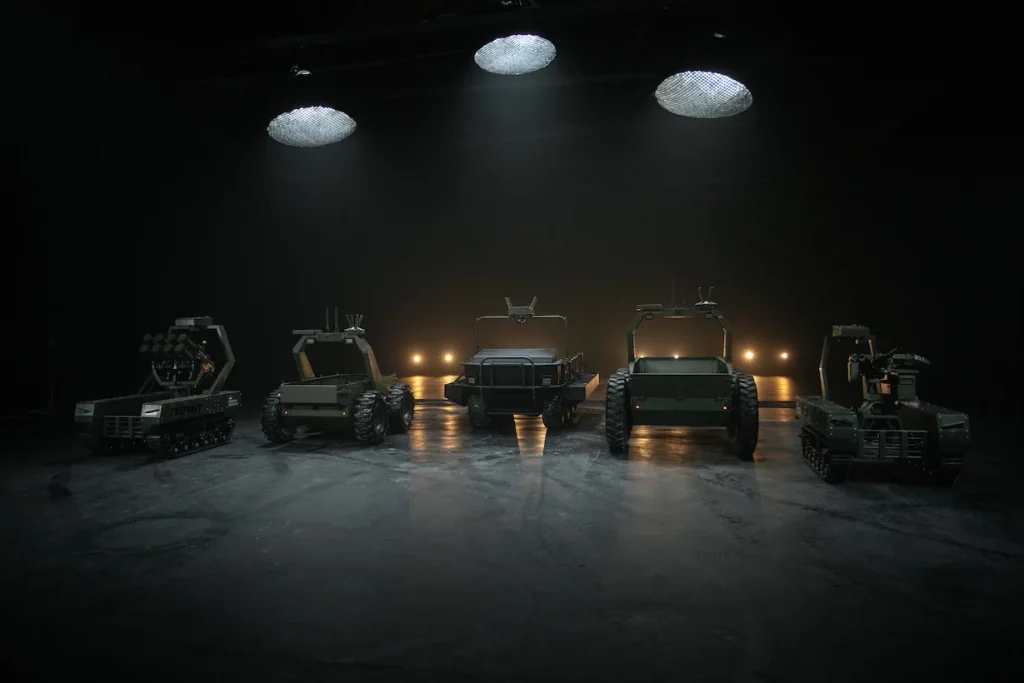
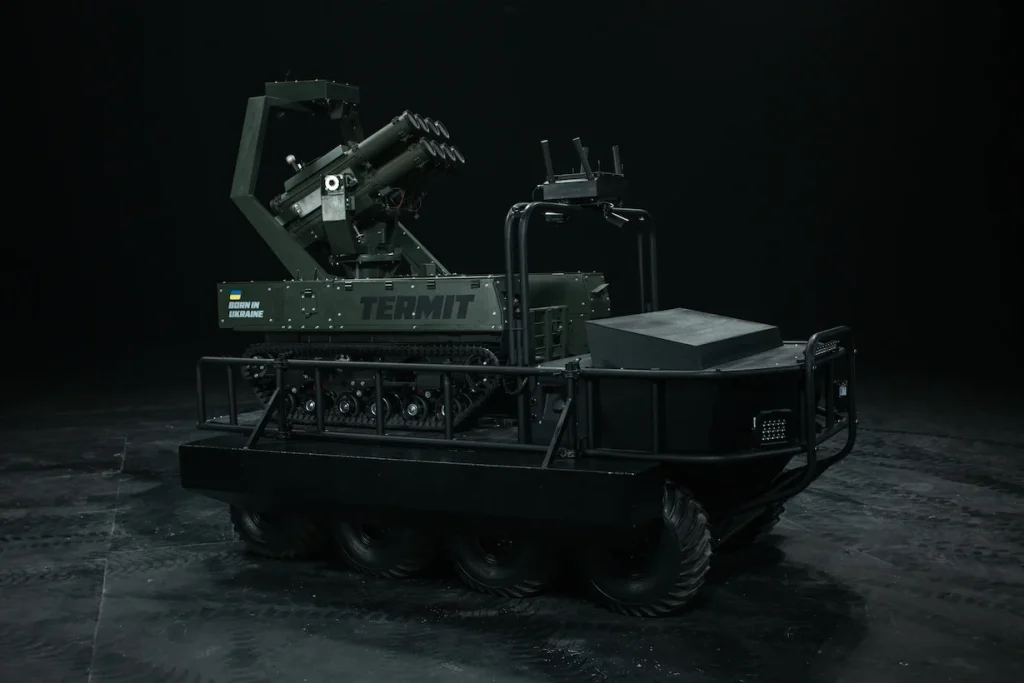
Last week, Ukrainian robotic systems developer and manufacturer TENCORE announced the launch of its ground solutions ecosystem. Beyond its own products, the ecosystem includes UGVs and components from other manufacturers, including TOR’s wheeled drone and NODRICS’ MAT1LDA amphibious vehicle.
TENCORE said launching the ecosystem will let military units and other customers get UGVs for any task from a single supplier, instead of assembling a “technological zoo” themselves. At the same time, the company did not say on what terms the manufacturers are joining forces.
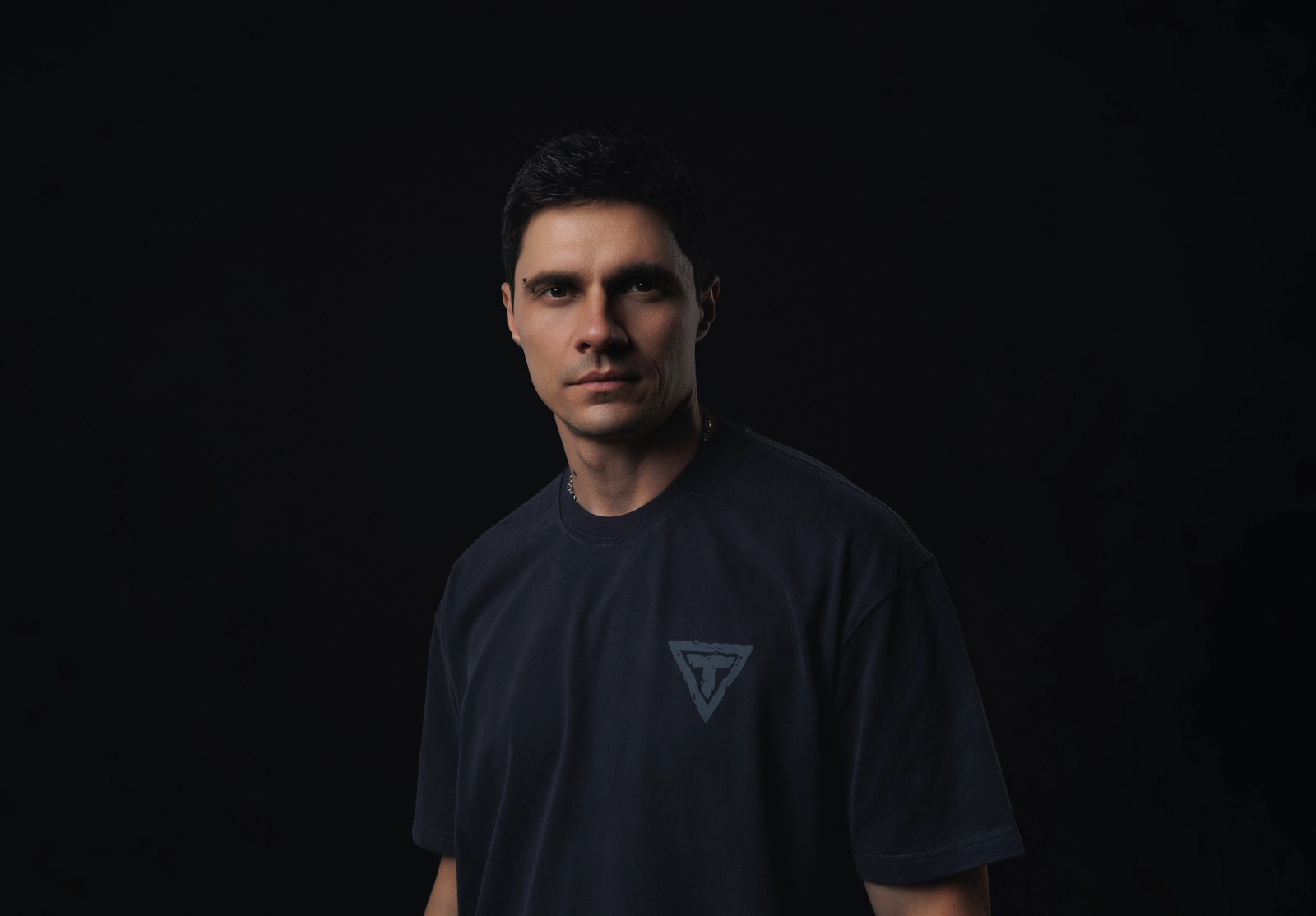
Defender Media asked TENCORE co-founder and CEO Maksym Vasylchenko about this. He explained that the company is buying other manufacturers, or stakes in them, and integrating their products into the TENCORE Ecosystem.
Vasylchenko goes into more detail in the interview. He also discusses TerMIT UGV production volumes, the company’s export activities, and his goals in his new role as chairman of the board of the Ukrainian Council of Defence Industry.
On TENCORE’s development strategy
Our strategy is to be number one, at least in Europe, in everything related to the ground domain. We aim to meet all customer needs for ground robotic solutions in defence and dual-use.
To do that, we need to build a coherent ecosystem. Different climate zones, application areas, and tasks require different solutions. But customers want to get them from a single supplier.
Let’s model a situation: a military unit needs to protect a 5 km section of the front. What ground solutions does it need? We have to provide UGVs with integrated radars, UGVs with turrets, interceptor drones or even missiles, as well as UGVs for logistics and evacuation, and so on. We are moving toward covering all these needs with our ecosystem.
What is already in the TENCORE Ecosystem
To offer a ready-made solution like this to a customer, we need to bring the best engineers and the best ready-made solutions together in one consolidated company. We have already brought in the teams of the heavy UGV TOR and the amphibious MAT1LDA, plus our own TerMIT and TRAX.
So we already have a tracked UGV, a wheeled one, an amphibious one and a firefighting drone. We are now working on adding several other products, and we will announce them as deals are signed.
Everything in the ecosystem should be standardised. All products should use the same connectors, batteries, communications, and so on. This will make life easier for the military because, right now, they have a zoo of chargers, connectors, communication modules, controllers, cables, and everything else.
I attended a meeting at the Supreme Commander’s Staff and heard about this problem directly from corps commanders. They raised it repeatedly, and not only in relation to UGVs. We still don’t have common standards, as in the automotive industry, where everything is more or less the same worldwide. We are starting to introduce this kind of standardisation in the ground domain.
How the companies are joined together
Our ecosystem is not an association or any other kind of grouping of companies. TENCORE takes an equity stake in the businesses we bring into the ecosystem. That is, we have either already acquired these companies or stakes in them, or are in the process of acquiring them.
We don’t disclose the details of the deals. I will only say that they will be financed under a hybrid model. For now, we are covering them with TENCORE’s own funds. But we have deals with several other manufacturers in the pipeline, and we will need investment for those. We will announce this later.
We will not necessarily buy out 100% of a company that joins our ecosystem. But we will have a right of first refusal to buy their shares if their shareholders decide to sell an additional stake.
How many UGVs TENCORE produces
TENCORE can currently produce from 500 UGVs a month. We can make more, but here we need to work in tandem with the state. We can’t increase production to a thousand units in a single month. Compared with FPV drones, for example, we have a much longer cycle for component delivery and production itself.
The components’ lead time is currently about three to four months. So if we are told today that we need to make 1,000 UGVs instead of 500, we can only reach that number in the fifth month. If they say 2,000, also only in the fifth month; 3,000, likewise.
Scaling is not a problem for us. Our UGVs are modular, different parts are made in different cities, and production is not concentrated in one region. We have established procedures and processes that let us launch production of particular modules fairly quickly. The only question is the cycle of procuring and delivering components.
Most UGV manufacturers on the market are currently about 90% loaded. Almost all are ready to make more, but they can’t do so without prior contracts and advance payments. Materials are expensive. We can’t build R&D costs into a product’s price, so we finance further development solely from net profit.
That leaves us with a few ways of raising funds. The first is state lending programmes, which we use successfully, including the “5-7-9” loans. The second is attracting foreign venture investment.
On exports
We have created a joint venture with Germany’s Quantum Systems under the Build with Ukraine programme. It is already operating. We have received some of the permits and are still waiting for others.
As far as I know, we are the first company not only assembling a product abroad from ready-made components but also transferring technology. We are transferring the technology to produce the metal parts ourselves and bringing in local metalworking partners for laser cutting, painting, and metal bending.
Technology transfer requires a separate permit. There is nothing unrealistic on this path, you just need to prepare the documents properly. But for a number of reasons, it is quite slow. Being a pioneer is always hard. Plus, the State Service of Export Control simply doesn’t have enough people, because the staffing crisis affects the whole market.
Nevertheless, we expect the first TerMIT UGVs to roll off the line at our joint venture with Quantum Systems in Germany by the end of the year.
We also have similar memorandums signed with partners in Finland and Denmark. The Finnish partners are great, and the Finns themselves know well what Russia is and why you always have to be ready for military confrontation. Under Build with Ukraine, we will produce UGVs in Finland for the Armed Forces of Ukraine. As for Denmark, the ball is in their court now, and we are waiting for information from our partners.
On being appointed chairman of the board of the Ukrainian Council of Defence Industry
We are now building a strategy for 2027. I am taking over from the previous chairman, studying the organisational structure, how everything works inside, and which projects are already in progress. My task is to make the Council of Defence Industry even more effective and productive for Ukraine’s private defence business.
By way of analogy, in Japan, for example, Toyota writes a white paper on developing the country’s auto industry. The state listens to this company’s opinion and is guided by that white paper. We want to create a white paper for Ukraine’s defence industry, so all processes are transparent and clear for businesses entering the industry.
We already have extensive experience in creating the legal framework. We helped prepare many bills that have already been adopted and support the defence market, particularly regarding the security of defence enterprises.
The international track is developing very strongly now. We want to attract as much money as possible to Ukraine, so that specialists stay here, and so that Ukraine becomes a stronger player on the market not as a raw-materials country but as a technology country.
So we will draft the strategy, agree it among the board members and start implementing it.
Reading now
1

260+ vacancies in Ukrainian defence technology at BlueBird Tech, Sine Engineering, Buntar Aerospace and more
2
Forbes: Airlogix plans to raise $100m at a $2bn valuation
3
6,000 lives saved by replacing people with robots. “Makar” on the ground strike drone unit NC13 and its role in Operation Vivaldi
4
Black Mirror #79: What’s inside Geran-4, unmanned tanks, balloon barrages and more of a new russian miltech
5
US Buys 1,320 more FPV drones from Ukraine’s F-Drones for $6.5M
By submitting this form, you give Defender Media consent to the processing of personal data.
Надсилаючи цю форму, ви надаєте Defender Media згоду на обробку персональних даних.

Latest insights
1
TENCORE starts buying up other UGV manufacturers. CEO Maksym Vasylchenko explains the logic behind the deals
2
How to enter Norway’s defence market: an ultimate guide for Ukrainian companies
3
Everything about the RAM-2X mid-strike drone: interview with Ukrspecsystems deputy director Andrii Rymaruk
4

A demo is not demand: How to prove the value of a defence tech product. Column by Tekever Ukraine Director Kateryna Bezsudna
5