Black Mirror #66: Fully autonomous Molniya, new Geran variants, and other russian miltech developments
A review of new developments in the Russian defence industry during the first week of July
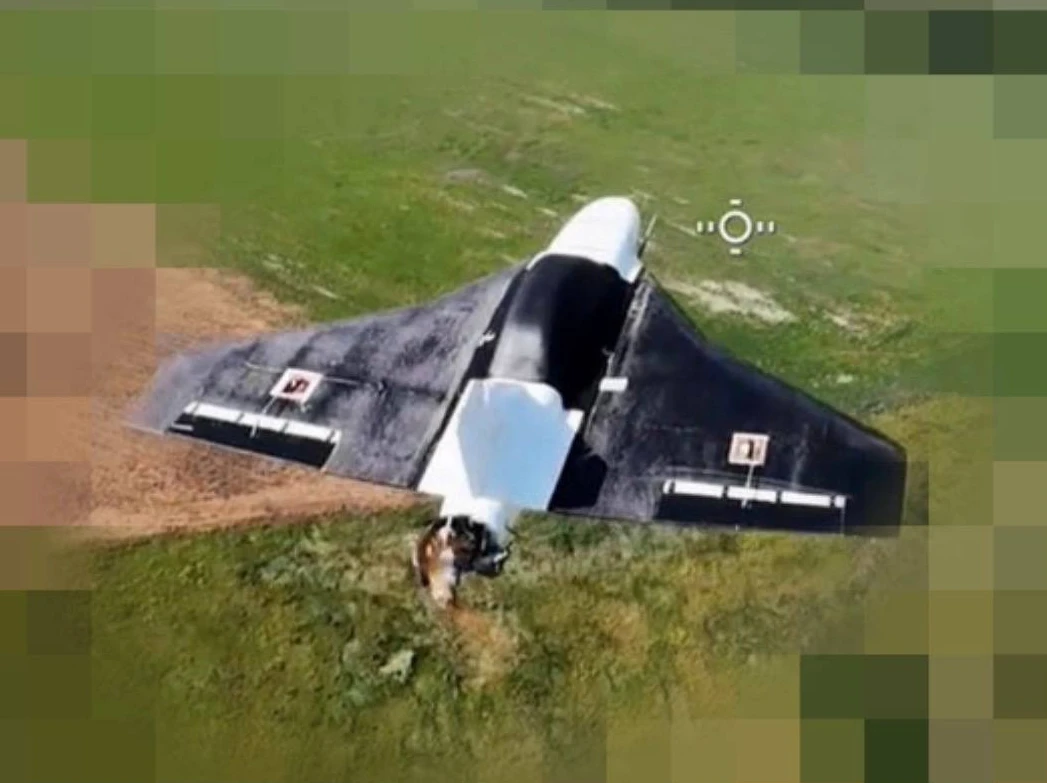
Russian Gerbera strike-reconnaissance drone
Last week, Russian forces deployed new variants of previously known drones against Ukraine: the Geran received a jet-powered variant, Gerbera drones began to be fitted with additional fuel tanks, and the Molniya was equipped with a camera featuring automatic target homing. In addition, deliveries of the Gus interceptor and the Pole-31 electronic warfare systems to the front line were announced. More on these and other developments in the Russian defence industry can be found in Defender Media’s weekly Black Mirror review.
Geran with an autonomous guidance system
Russian reports are increasingly mentioning a Geran drone variant known as Seeker, designed to search for and engage high-value targets, according to the Defence Minister’s adviser Serhii Beskrestnov.
According to military observations, the Seeker system can be installed on all Geran UAV variants. Reports have also emerged about the jet-powered Geran-4 Seeker variant.
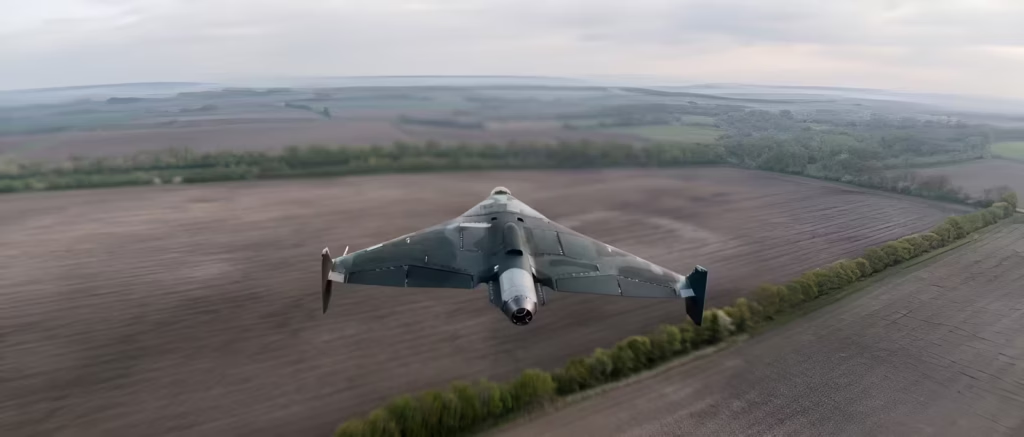
The UAV is equipped with several cameras operating in different modes, as well as a Mesh radio modem through which the operator controls the drone. The system’s main feature is described as an automatic target recognition, acquisition, and guidance system built around a Raspberry Pi.
Once the operator has acquired the target, machine vision algorithms can guide the UAV to it without further human involvement.
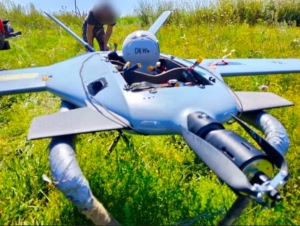
Gerbera with additional fuel tanks
Gerbera drones fitted with additional fuel tanks have been detected over Ukraine, returning to enemy-controlled territory after completing their flights. According to Beskrestnov, Gerbera drones without radio modems and cameras maintain a stable flight altitude and do not trigger air raid alerts.
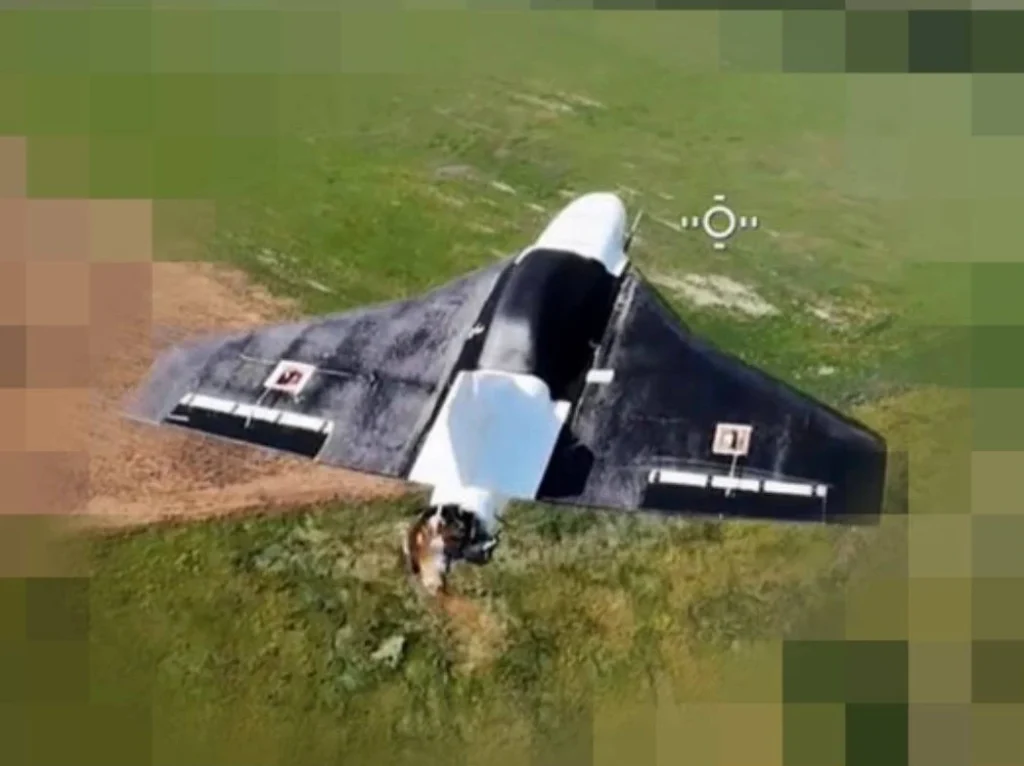
Most likely, such UAVs are used for signals intelligence, followed by data transmission. The military is currently analysing recovered wreckage to determine the drone’s other functions.
Autonomous guidance for Molniya
The first Russian Molniya drone to carry out an attack without a control antenna has been recorded. It is claimed that the aircraft was equipped only with a camera and an onboard computer.
“Navigation, target search and attack can all be performed fully autonomously,” Serhii Beskrestnov wrote.
Previously, similar solutions had only been observed on V2 drones, but an analogous system has now been identified on the Molniya.
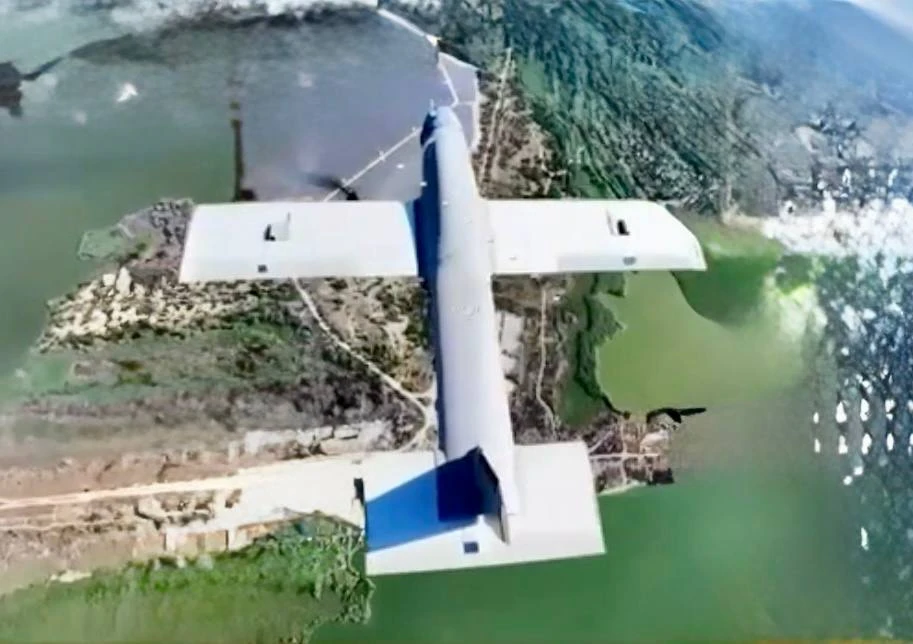
Russian reports claim that such drones cannot be detected by UAV detectors and are immune to electronic warfare countermeasures. The stated weight of these Molniya drones is up to 10 kg, with a payload of 3–5 kg, an operational range of up to 40 km, an endurance of up to 40 minutes, and a maximum speed of 80 km/h.
Mnogotochiye multi-projectile cartridges unveiled
Russia has tested multi-projectile cartridges against UAVs in 5.45 mm and 7.62 mm calibres, designated STs-226 and STs-228, respectively. Instead of a single bullet, each cartridge contains three projectiles. The claimed effective engagement range is 100–150 metres for the 5.45 mm round and up to 300 metres for the 7.62 mm version.
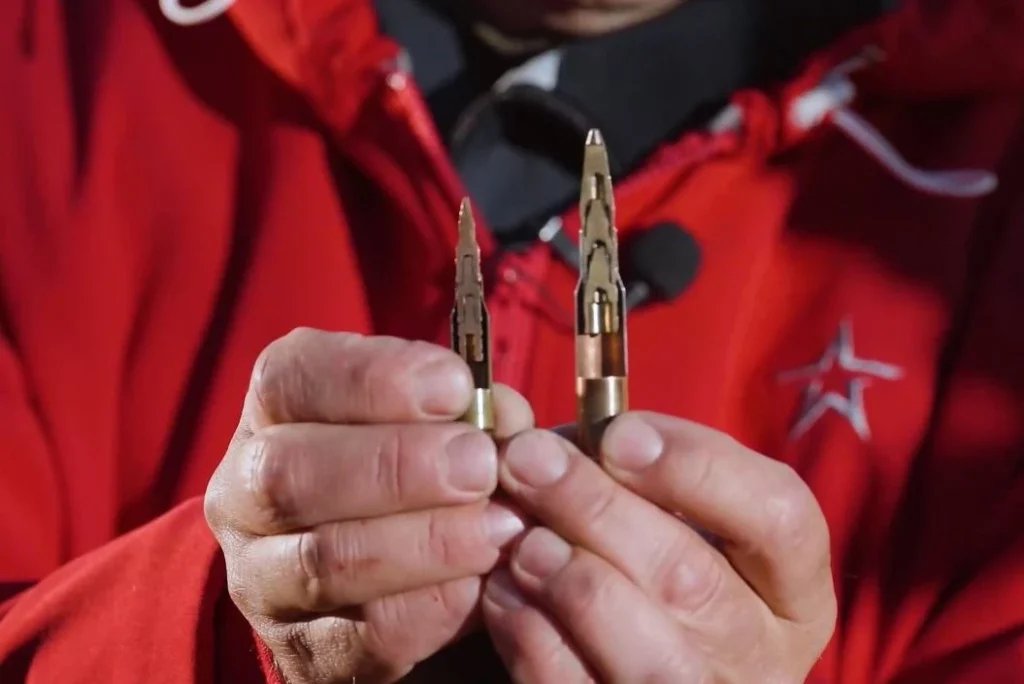
At distances beyond 500 metres, the projectiles lose their effectiveness, which, according to the developers, allows them to be used in populated areas. Another claimed advantage is compatibility with standard small arms, eliminating the need to carry a dedicated shotgun.
Gus kinetic interceptor drone
Reports indicate the emergence of a new kinetic UAV called Gus, designed to intercept heavy hexacopters, FPV drones, and fixed-wing UAVs.
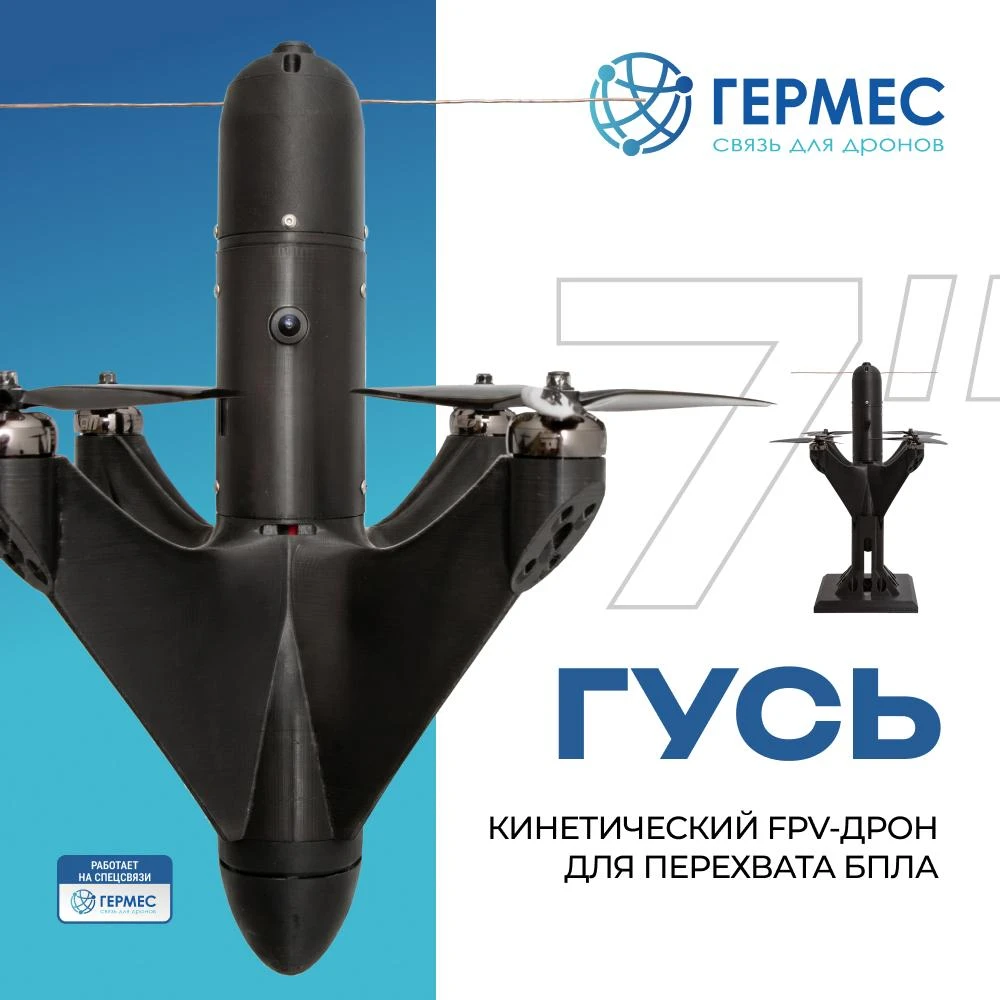
The UAV’s stated maximum speed is 210 km/h, with a range of 5 km. The maximum target altitude is up to 2,000 m, while the maximum target speed is 185 km/h. The Gus is equipped with an analogue daytime FPV camera and is controlled by the operator via a video link.
Serial-produced Geoskan 701 UAV with a Russian engine
The fixed-wing Geoskan 701 UAV has been added to the register of Russian industrial products. It is reported to be the first serial-produced UAV in its class powered by the Russian-made T-40 internal combustion engine, produced by the Tiulgansky Electromechanical Plant.
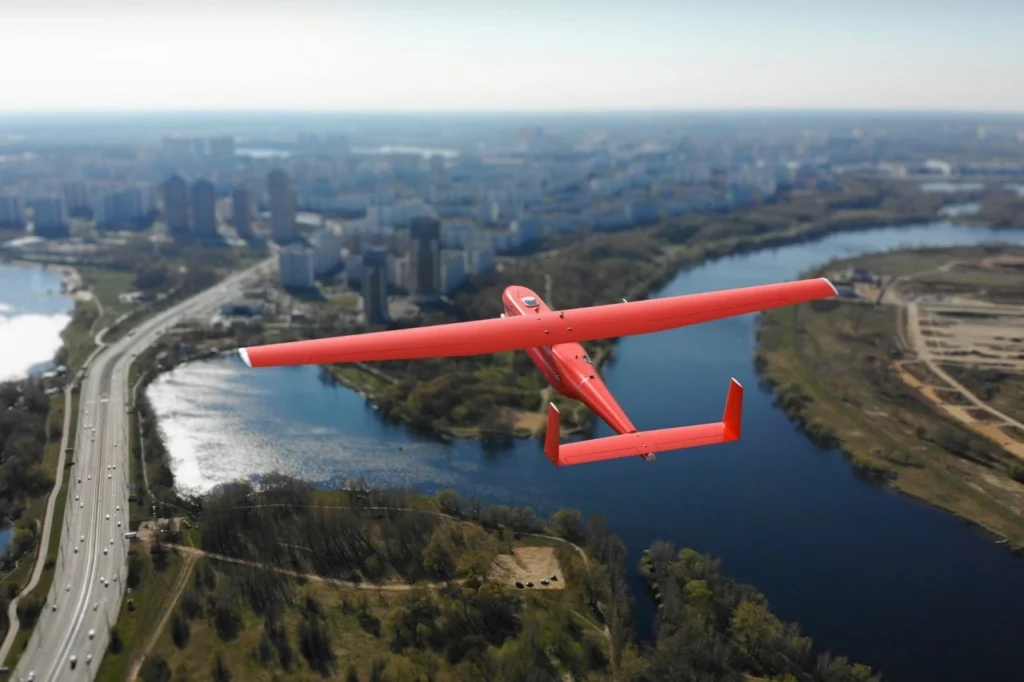
According to the stated specifications, the UAV can remain airborne for up to 10 hours, has a flight range of up to 1,000 km, cruises at speeds of 80–120 km/h, can survey up to 250 km² in a single sortie, carries up to 3.5 kg of payload, operates at altitudes of up to 4.5 km, and is designed for operation in temperatures ranging from −40°C to +40°C.
Ukho acoustic drone detection system
Russian forces have begun using the Ukho acoustic system, designed to detect various types of UAVs According to its developer, NPO Alfa, the system can detect Liutyi UAVs at distances of up to 5 km and FPV drones at ranges of 300–500 metres.
The system weighs about 700 grams and features a highly sensitive microphone with a multi-channel digital signal processing unit. A modernised version has also reportedly completed development and will be capable of determining the direction of an airborne target with an accuracy of one to two degrees.
Russian forces begin receiving Liustra 5-30 electronic warfare systems
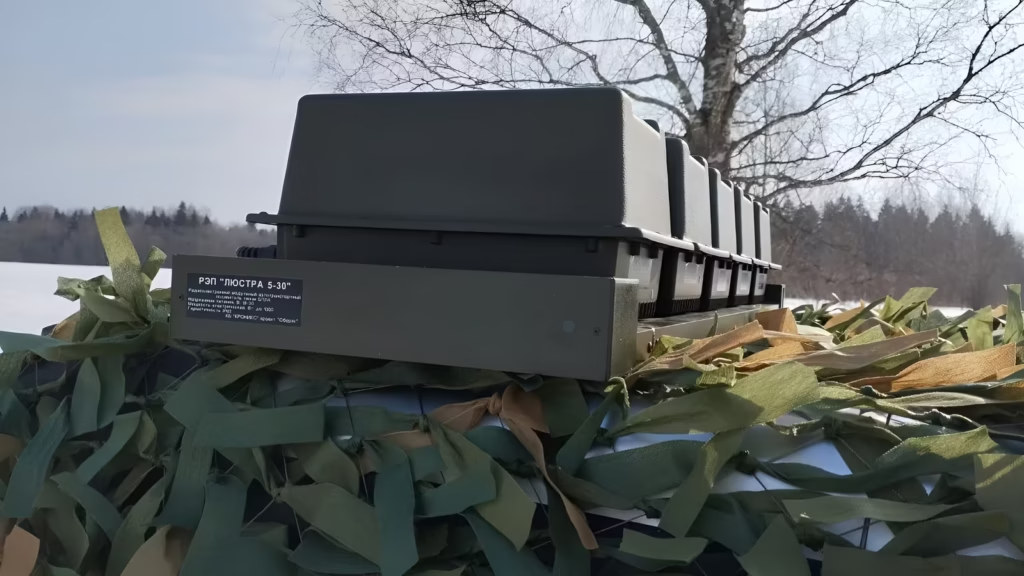
The Russian military has begun receiving the new-generation Liustra 5-30 electronic warfare systems. The system’s main feature is its modular design, allowing damaged components to be replaced without dismantling the entire system.
The Liustra 5-30 consists of five quick-release modules, each containing two jamming generators. The system operates across the 100–6,300 MHz frequency range and, according to its developers, covers the frequencies used by most modern FPV drones and commercial UAVs.
Izdeliye-98 drone family
The Alfa Experimental Design Bureau has unveiled the new 9-inch Izdeliye-98 strike UAV. According to reports, the drone is being used on the Zaporizhzhia axis. Its average operational range is about 15 km with a payload of up to 2.5 kg.
According to bureau representatives, an anti-aircraft UAV designed to engage small UAVs is also being developed on the Izdeliye-98 platform. Its operational range is about 3 km, with the potential to be increased to 7 km.
OKB Alfa positions the Izdeliye-98 as a family of unmanned platforms. In addition to the strike and anti-aircraft variants, the family also includes 10-inch and 15-inch versions controlled via a fibre-optic cable.
Pole-31 electronic warfare system unveiled
NPO Kilovatt has unveiled the new Pole-31 electronic warfare system. According to the developer, the system is designed to suppress satellite navigation signals used by UAVs at distances of at least 2 km. The system jams GPS, GLONASS, BeiDou, and Galileo signals used by UAVs for positioning, route generation, and mission execution.
To improve effectiveness, the station is recommended for deployment on elevated terrain, which will increase the protected coverage area.
Reading now
1

Jobs at Alta Ares, 3DTech, Drone Space Labs, Wild Hornets and other companies in the defence innovation sector
2

British platform Grenadyr has invested in five Ukrainian defence tech startups. Defender is telling its story for the first time
3
Vyriy Industries becomes first Ukrainian defence tech company to issue corporate bonds: why does it need them?
4
Ukrainian company has developed a jet-powered interceptor drone that reaches speeds of over 600 km/h
5

60+ new job openings in Ukrainian defence tech: offers from Vyriy, TENCORE, Ukrspecsystems and others
By submitting this form, you give Defender Media consent to the processing of personal data.
Надсилаючи цю форму, ви надаєте Defender Media згоду на обробку персональних даних.

Latest news
1
Ukraine’s Defence Ministry codifies first jet-powered Alexa Spatium interceptor drone
2

Developers integrate P1-SUN and Bullet interceptor drones into UFDS Military simulator
3

Zhumadilov leaves DPA: state of the agency and procurement outlook
4
Rise Technologies unveils Nakande digital communications system for drones
5