Black Mirror #65: Delta Turbo, Rita-2 interceptor, and other Russian miltech developments
A review of Russian defence industry developments for the fourth week of June
Russian Yak-130 for drone interception
Last week, Russian sources reported on the jet-powered version of the Delta UAV, the flight testing of the upgraded Yak-130M aircraft, and the introduction of the new Rita-2 interceptor drone. They also unveiled the Redut-UR counter-drone system, the Dispatcher analogue FPV video interception system, and new net launcher models. Read more about these and other developments in the Russian defence industry in Defender Media’s weekly Black Mirror review.
Jet-powered Delta UAV
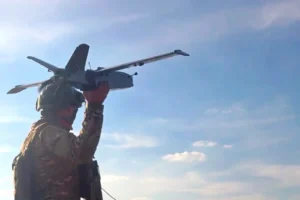
Russian state corporation Rostec has unveiled an upgraded variant of the Delta unmanned aerial vehicle, now equipped with a Delta Turbo jet engine.
According to the stated specifications, the UAV features a top speed of up to 260 km/h, an operational range of up to 200 km, and a flight endurance of up to 45 minutes. The modernised version also includes a standard nose-mounted camera.
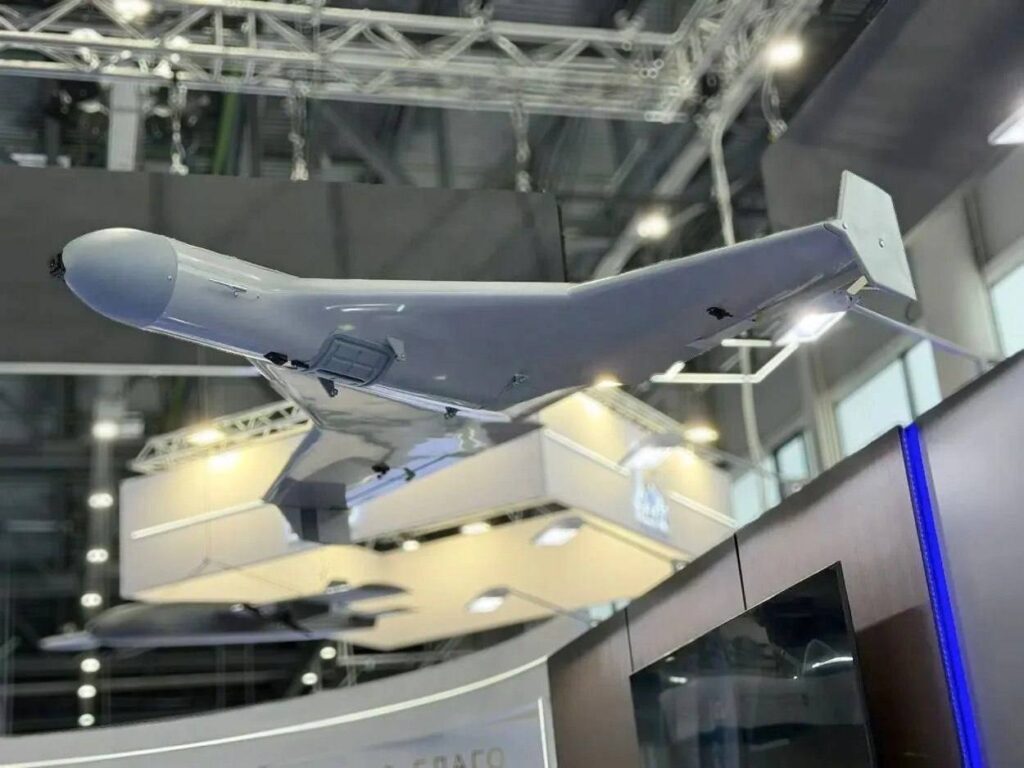
According to the developer, the UAV’s original piston engine has been replaced with a compact jet powerplant, while the overall airframe layout remains largely unchanged.
The deployment of this drone on the battlefield has been confirmed by Serhii Beskrestnov, an adviser to Ukraine’s Minister of Defence.
Redut-UR counter-drone system
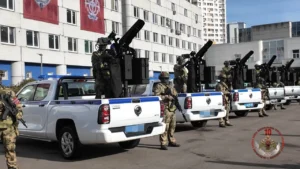
Russian defence manufacturer Kalashnikov Concern has unveiled the Redut-UR counter-drone system, engineered to engage UAVs at short ranges. According to the developer, the system has already undergone combat evaluation and is currently in operational use.
The system is built around a platform featuring two launchers, each carrying 49 unguided 60 mm rockets, providing a total ammunition capacity of 98 rockets.
Optoelectronic modules are utilised to detect aerial targets. The stated engagement range against UAVs measuring approximately 0.5 × 0.5 m is up to 800 m.
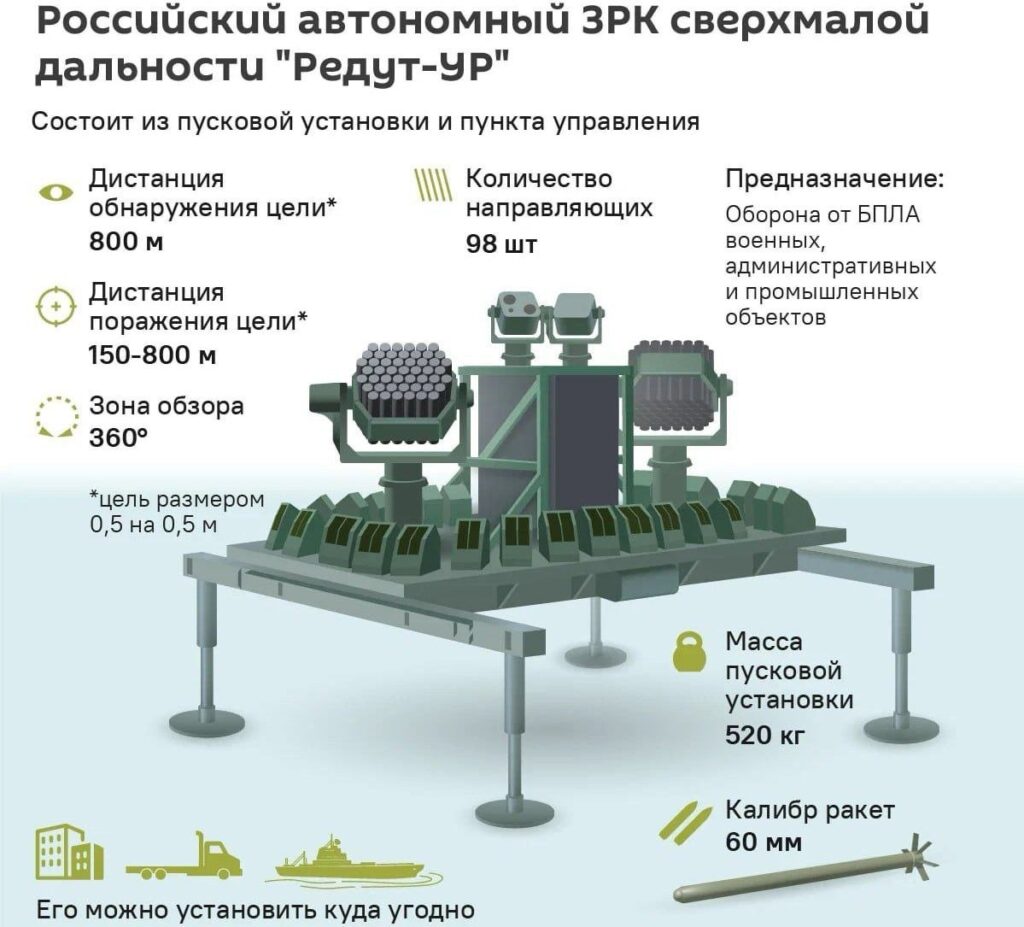
The Redut-UR can be deployed as a stationary asset, mounted on a vehicle chassis, or integrated onto a naval platform. Technical details regarding the system’s target engagement methodology or whether it incorporates radar have not been disclosed.
The project was first presented as a concept in 2025, while a full-scale mock-up was displayed at the “National Security. Belarus-2026” exhibition in 2026.
Upgraded Yak-130M undergoes flight testing
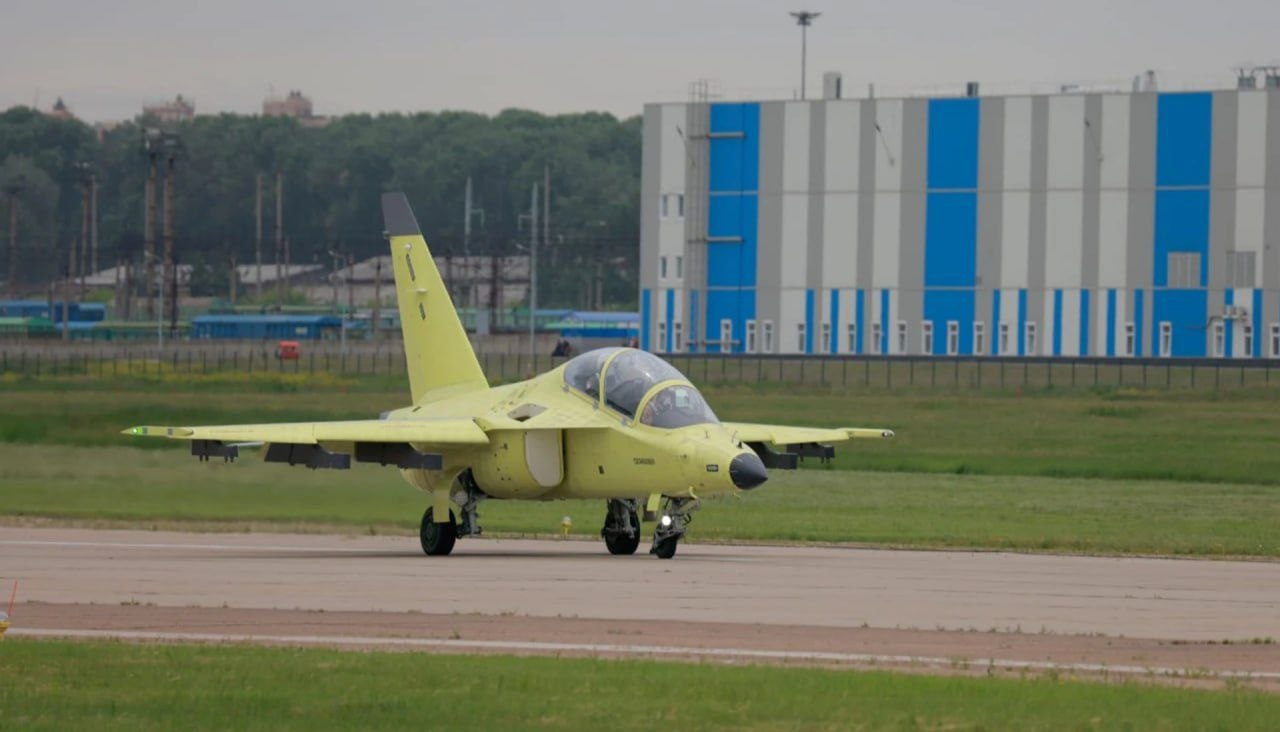
Russia has conducted the maiden test flight of the upgraded Yak-130M combat trainer aircraft. The flight lasted approximately 50 minutes, during which the aircraft reached an altitude of up to 2,000 m and a speed of up to 600 km/h.
According to Russian officials, the modernised variant is intended to engage both ground and aerial targets, including heavy-class unmanned aerial vehicles.
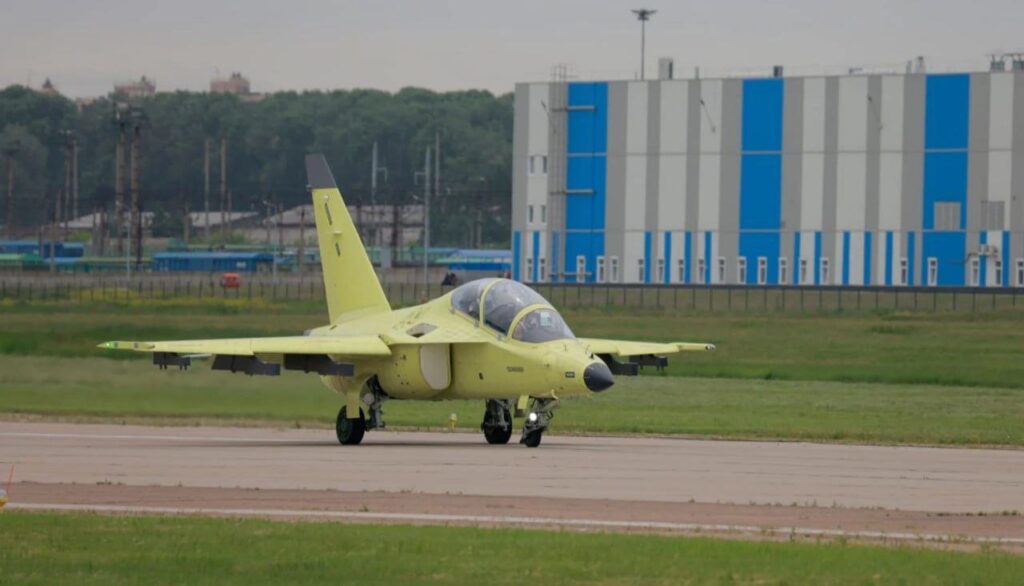
The upgraded avionics suite features the BRLS-130P active electronically scanned array (AESA) radar, which is claimed to detect aerial targets with a radar cross-section of 5 m² at ranges of 160–180 km, track up to 30 targets, and simultaneously lock onto up to eight of them.
The Yak-130M is also equipped with the SOLT-130K podded electro-optical system, which integrates thermal imaging channels and a television camera. According to the stated specifications, the system can detect aircraft at distances exceeding 55–65 km and small-scale UAVs at 18–25 km.
Rita-2 interceptor drone
Russian sources have reported the deployment of the new Rita-2 interceptor drone in the Zaporizhzhia and Kherson regions. According to published information, the UAV is designed to intercept medium- and long-range strike and reconnaissance drones. The aircraft was reportedly developed by the Bars-Sarmat Special Purpose Centre Design Bureau.
Most technical specifications remain classified. However, the drone reportedly features a three-engine configuration and can reach speeds exceeding 340 km/h.
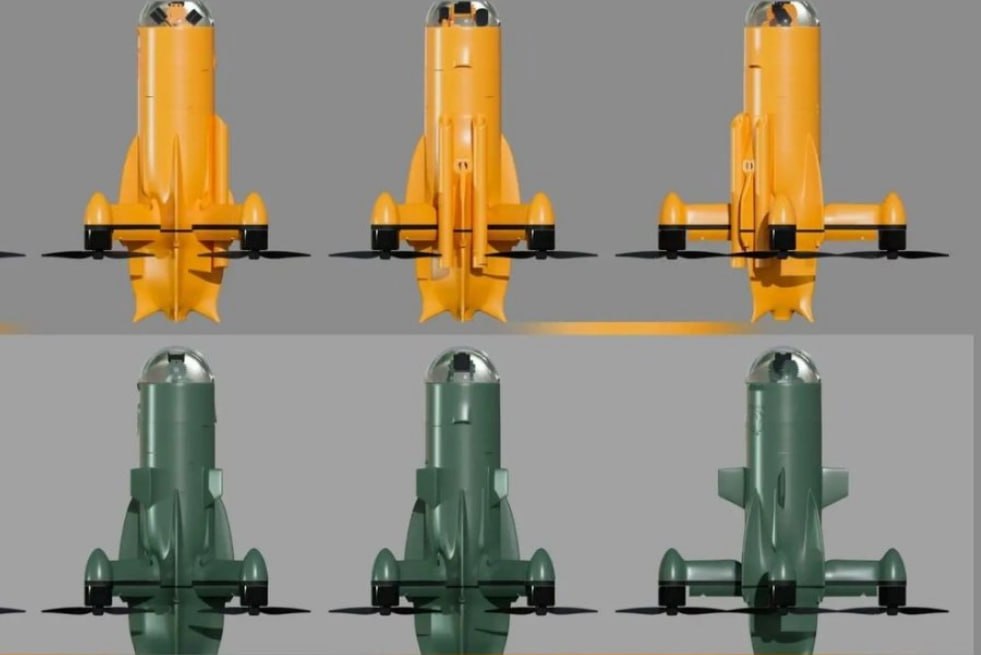
It is also claimed that the Rita-2 can be deployed from ground, vehicular, and airborne platforms. According to the developers, the UAV is fitted with an electro-optical seeker featuring a dual-band thermal imaging module, while its control system supports external target designation from radar stations and other reconnaissance assets.
Dispatcher FPV video interception system
Russian company Analogov Net has announced the delivery of the Dispatcher system to military units. The system is engineered to intercept analogue video signals transmitted by FPV drones. According to the developer, it intercepts analogue video feeds, identifies the source’s location, and displays the imagery to the operator.
In addition to FPV drones, the system can capture signals from stationary analogue surveillance cameras.
The system comprises a control unit, an antenna array, and a monitoring station equipped with two displays. The first screen displays all detected video signals within the operational coverage area, allowing the operator to select the desired channel for full viewing on the second display.
The system supports both manual and automatic operational modes. In automatic mode, it independently scans the operating frequency range and locks onto the strongest available signal source.
According to the company, under standard environmental conditions, the analogue video signal detection range can reach up to 1 kilometre. The system is available in both portable and stationary configurations.
New versions of the Depesha-3 UGV
The High-Precision Systems holding has unveiled new variants of the Depesha-3 unmanned ground vehicle (UGV). According to the company, the platform, which is already utilised for cargo transport and casualty evacuation, has received new configurations, including versions tailored for snow clearance and municipal infrastructure maintenance.
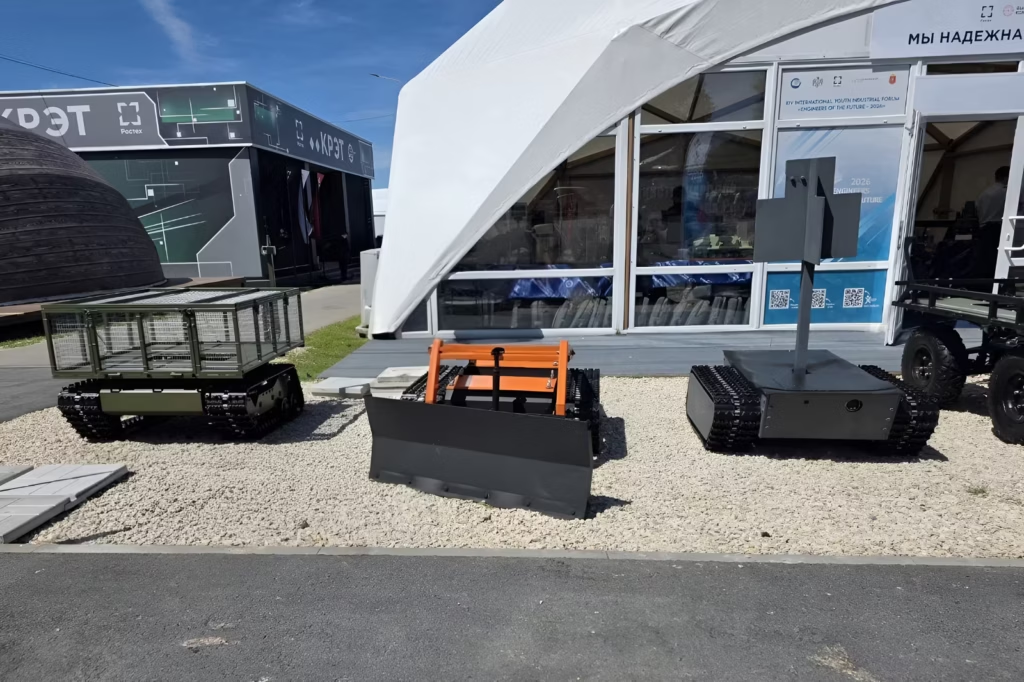
The holding notes that the Depesha is being developed as a universal platform capable of accommodating diverse mission modules. Fibre-optic-controlled variants already exist. In 2026, Rostec announced that the payload capacity of the Depesha-3 had been increased from 100 kg to 150 kg, alongside upgrades to the running gear and a reduction in overall chassis weight.
The platform develops a maximum speed of approximately 15 km/h. It is equipped with rubber tracks, two electric motors, and an onboard battery pack.
Rostech showcases Russian-made UAV components
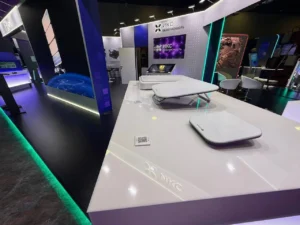
Roselektronika, a subsidiary of Rostech, has presented a portfolio of domestically produced components for unmanned aerial vehicles. The display featured navigation modules, flight controllers, propulsion systems, and electro-optical equipment designed for both civilian and specialised UAVs.
Among the exhibits were navigation modules supporting RTK (Real-Time Kinematic) technology for high-precision positioning, which, according to the developer, offer enhanced resilience to electronic warfare.
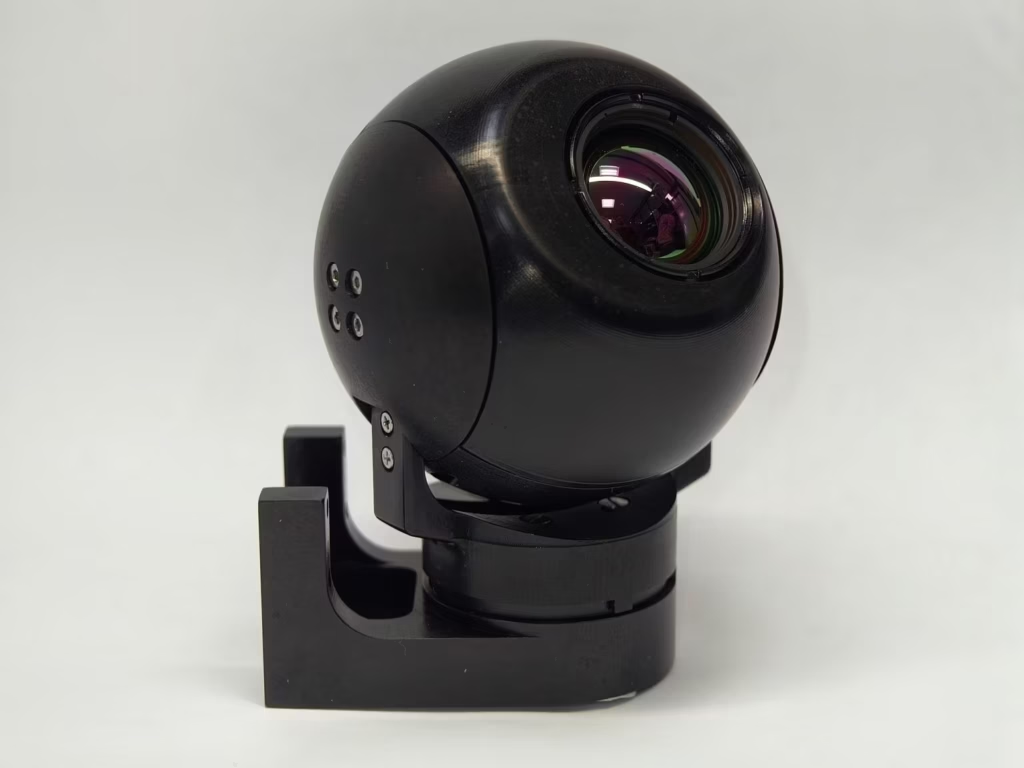
The company also showcased compact flight controllers, serially produced electric motors for FPV drones utilising Russian-made magnets, and new ESC (Electronic Speed Controller) modules for brushless motors.
A separate exhibit featured the GOEN-60-TPV gyro-stabilised electro-optical system, equipped with a thermal imaging channel and an integrated computing module. According to the developers, this system provides onboard, neural network-based target recognition and tracking.
Duplet double-shot net launcher
Russian company NPO Polet has announced the development of the Duplet double-shot net launcher designed for counter-UAS applications. Serial production is expected to commence shortly, with the inaugural batch scheduled for delivery to the Russian military in July.
According to the developer, the design allows two consecutive shots to be fired without reloading. Features include a battery charge indicator, ammunition status telemetry, a quick-release mounting system, and a reload time of 5–10 seconds.
Pauk-30BN hand-held net launcher
NPO Polet has announced the successful completion of field trials for the Pauk-30BN hand-held net launcher, designed to counter FPV drones. According to the company, the Pauk can intercept drones at ranges of up to 25 metres.
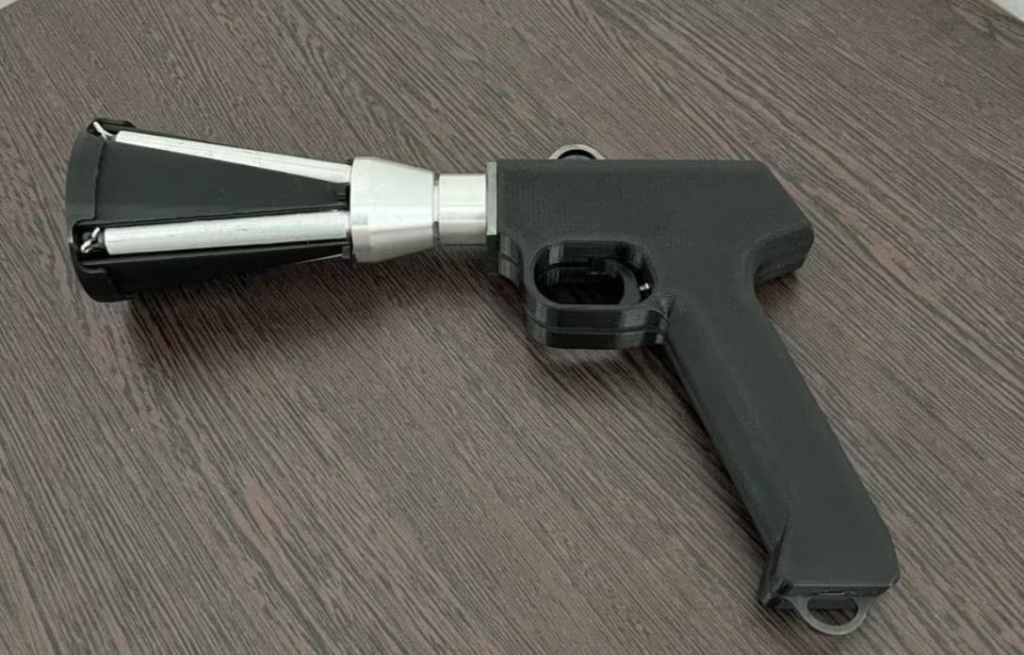
The net reaches its target within 0.7–0.8 seconds. The probability of target capture is stated to be 90% at distances up to 15 metres and 80% at ranges of 20–25 metres.
The new munition utilises a cone-shaped projectile featuring a bayonet fitting for rapid attachment. The previous iteration of the system utilised a standard projectile containing a folded net.
Reading now
1

380+ vacancies in Ukrainian defence tech from Fire Point, DevDroid, UFORCE and others
2

A new Ukrainian fund, WildField Ventures, plans to invest $10-15 million in 20 dual-use startups. What areas is it interested in
3

230+ vacancies in Ukrainian defence tech from Tencore, Zvook, Airlogix and others
4
SkyFall unveils new StarGate hexacopter for casualty evacuation
5
Ukrainian units conduct “world’s first airborne evacuation from the frontline” using Audag-6 drone
By submitting this form, you give Defender Media consent to the processing of personal data.
Надсилаючи цю форму, ви надаєте Defender Media згоду на обробку персональних даних.

Latest news
1
Black Mirror #82: Filin cruise missile, Geran upgrades, new interceptor drones and other Russian miltech developments
2

Ukrainian defence firms sign 54 subsidised leasing agreements worth UAH 244.5 million
3

Himera and Danish GomSpace launch OBRIA NANO – a test satellite for the future Ukrainian communications network
4
TAF Industries and DoD Solution have integrated the Aura autonomy module into the Kolibri 10 Advance FPV drone
5

Buntar Aerospace forms an advisory board. The first member is a co-founder of the Delta system