Ground robots of Khartiia: How the brigade uses UGVs and what systems It operates
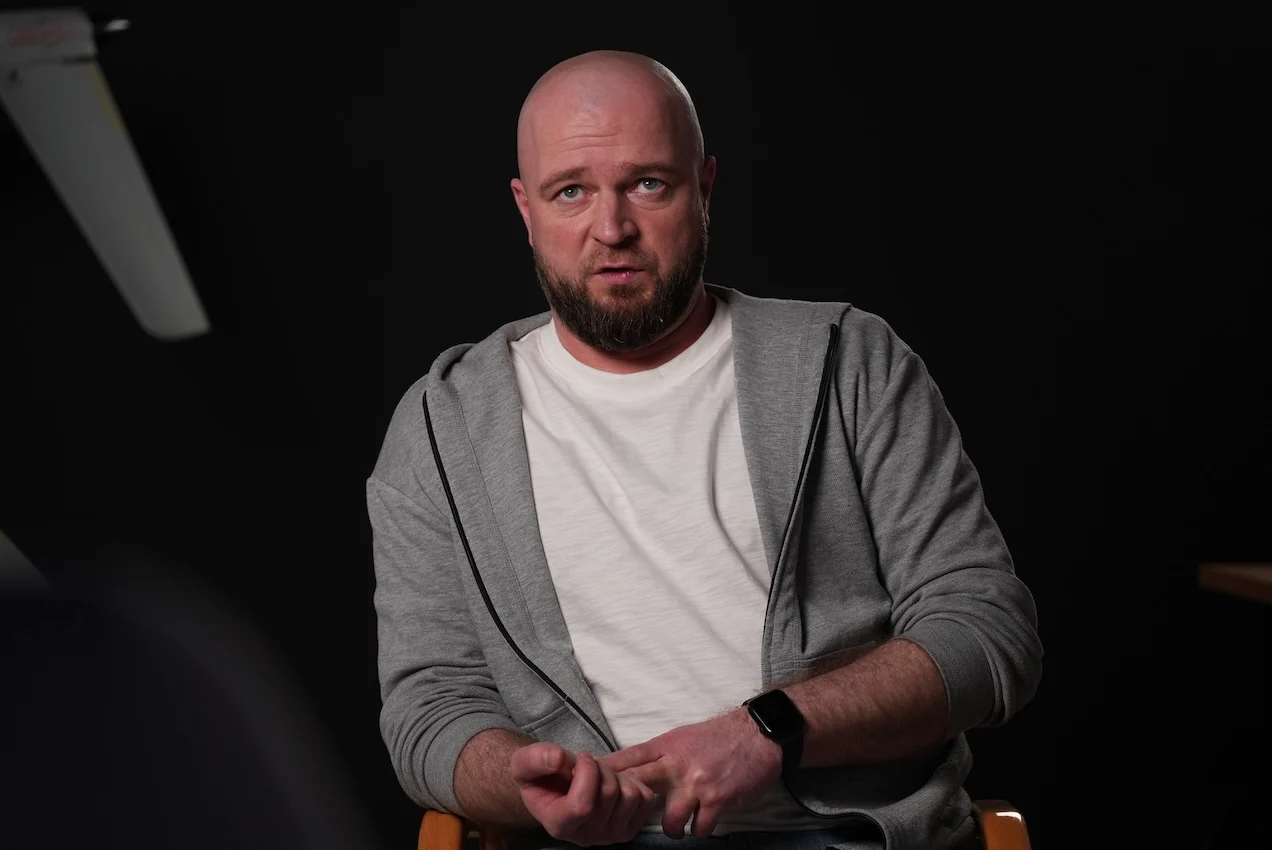
As told by Andrii “Mathematician,” head of Khartiia’s unmanned ground vehicles division

On July 22, the National Guard of Ukraine’s Khartiia brigade reported a successful evacuation of a wounded soldier using an unmanned ground vehicle. This is not the first example of UGVs being used this way by the brigade’s fighters. The unit actively employs UGVs for logistics and other mission-critical tasks. Defender Media spoke with Andrii (call sign “Mathematician”), head of Khartiia’s unmanned ground vehicle division, about what UGVs the brigade operates and the roles they play on the battlefield.
Logistics, Evacuation, Minelaying
The brigade doesn’t disclose the number of UGVs in service or the percentage of logistics tasks completed using them. But I can say that on a typical night, 3–4 of our ground robots operate simultaneously. Each can make one or several trips, carrying between 200 and 500 kg per trip.
As you may know, we recently completed a successful medical evacuation using our Targun UGV. In fact, there have already been several such missions, and we reported on the most recent one involving a different ground robot just yesterday.

At Khartiia, we’ve tested nearly every possible use case for UGVs — including minelaying. We’ve deployed over 200 mines using our unmanned platforms. I won’t specify which UGV performed these missions, as it’s no longer relevant.
As for demining — personally, I don’t believe in chain-type UGV deminers. There are too many nuances that cast doubt on their effectiveness. Beyond the third line of defence, such tools are basically useless.
Overall, I estimate our brigade’s need for UGVs at around 500 units. We’re still far from that number. But talking about quantity makes little sense without understanding exactly what tools we need and what we need them for.
UGVs in use by Khartiia
Every successful UGV at the front has evolved alongside a specific unit. That’s the only way to create a quality product.
Take the Volia-E UGV, for example — it was refined through collaboration with the 92nd Brigade and the 3rd Assault Brigade. Over two years, they fixed issue after issue. Now it’s a ready product — and we use it too. Though there’s still room for improvement.
Currently, the backbone of our fleet is the Targun UGV. It handles logistics tasks, and we’ve already completed several evacuation missions with it.
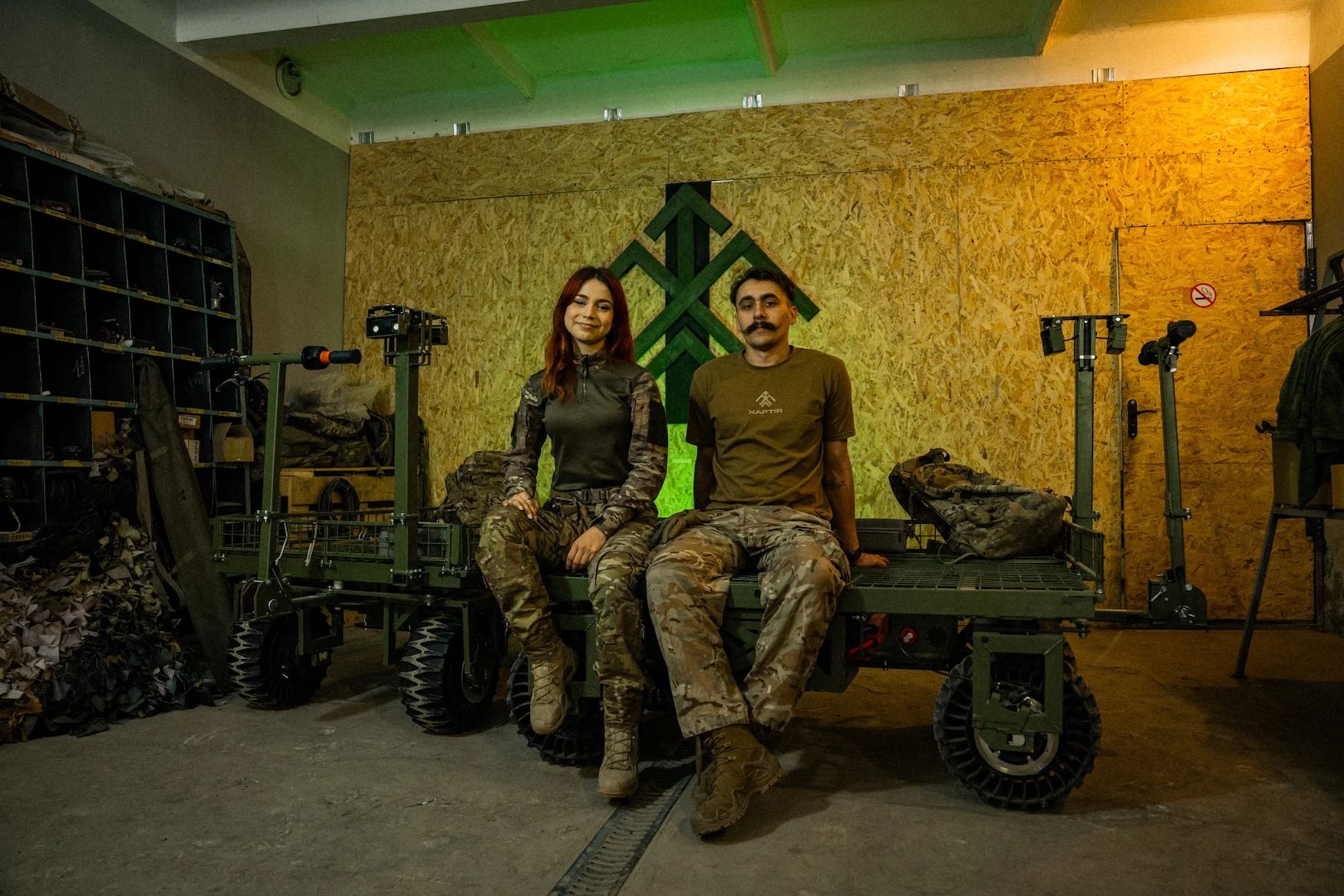
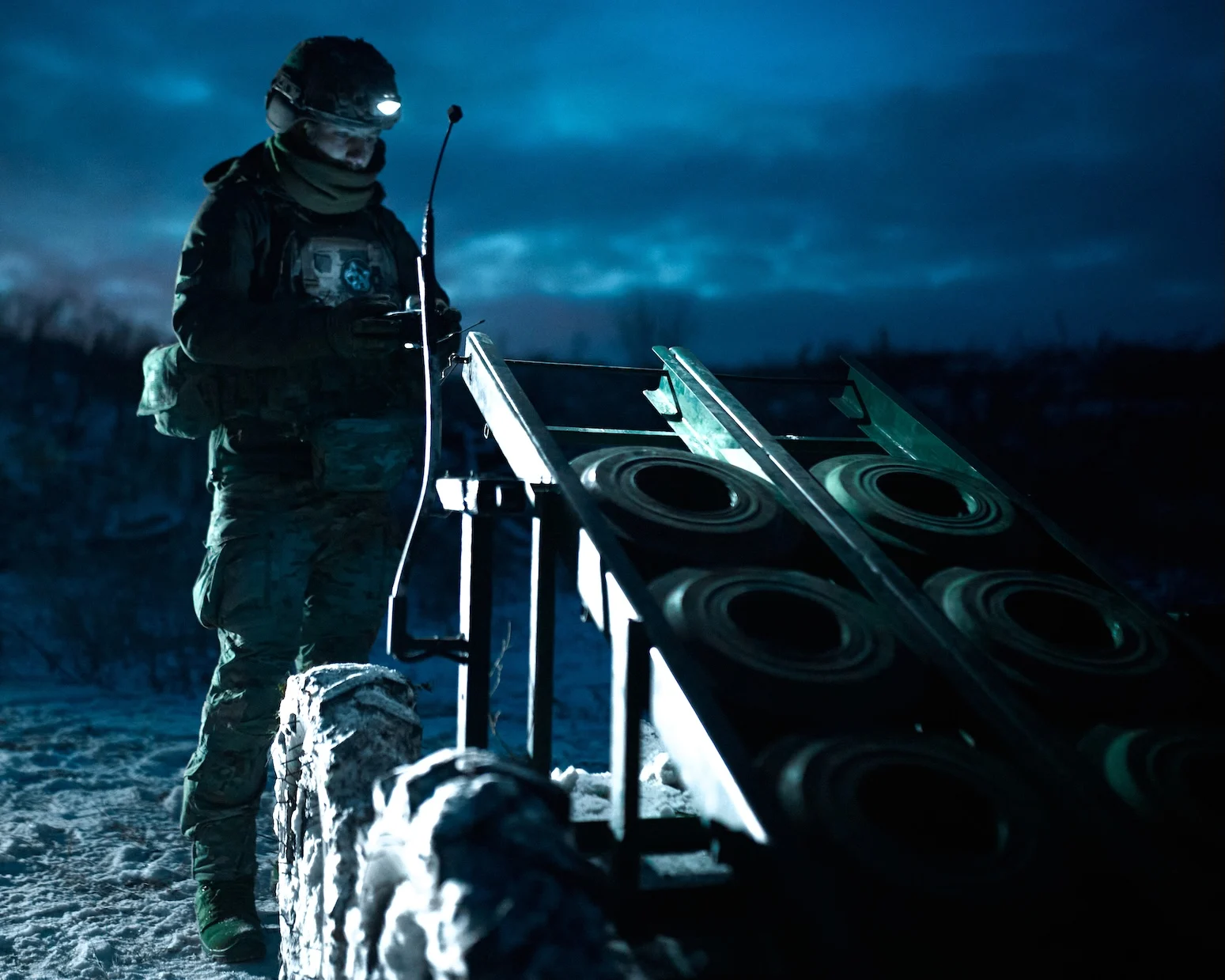
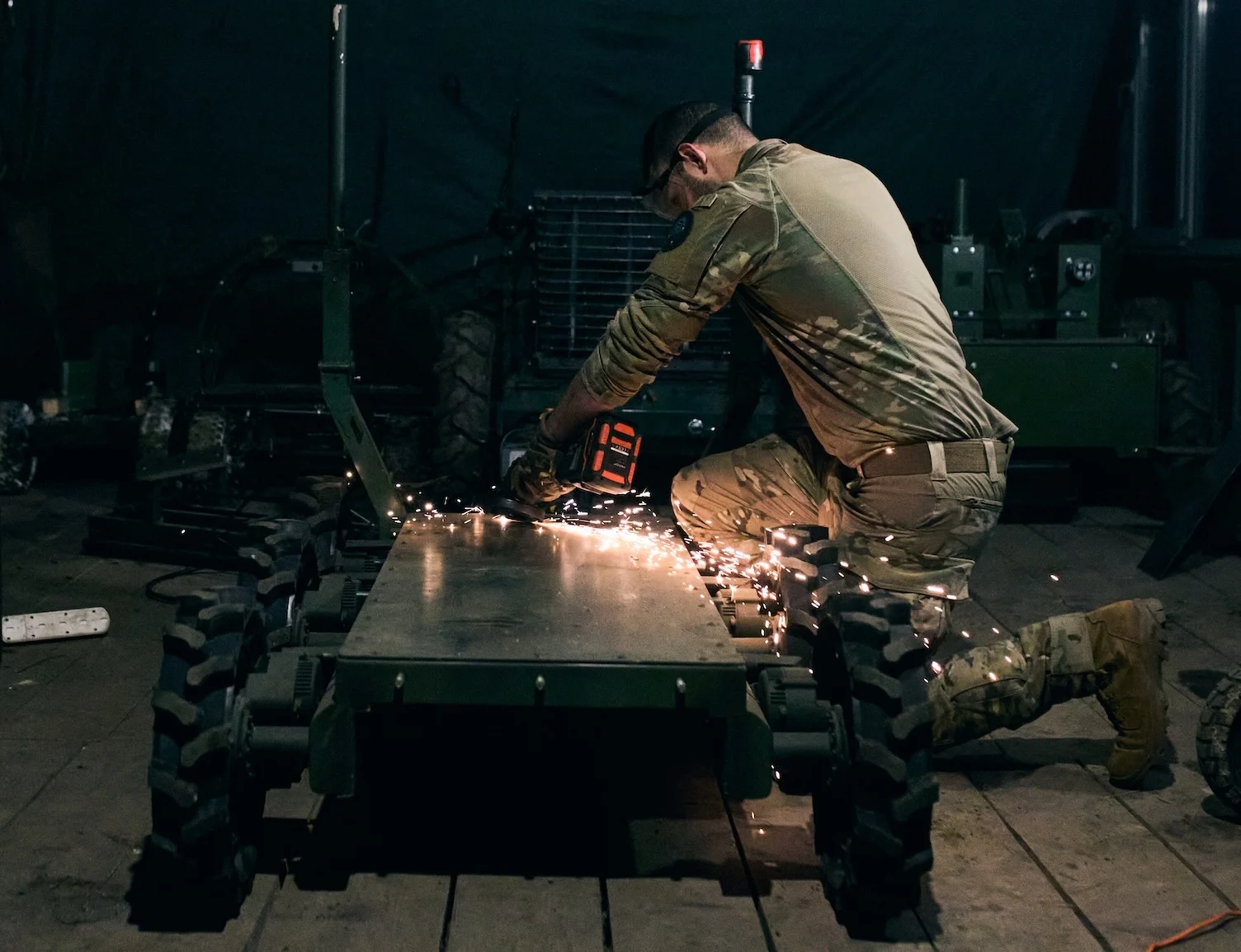
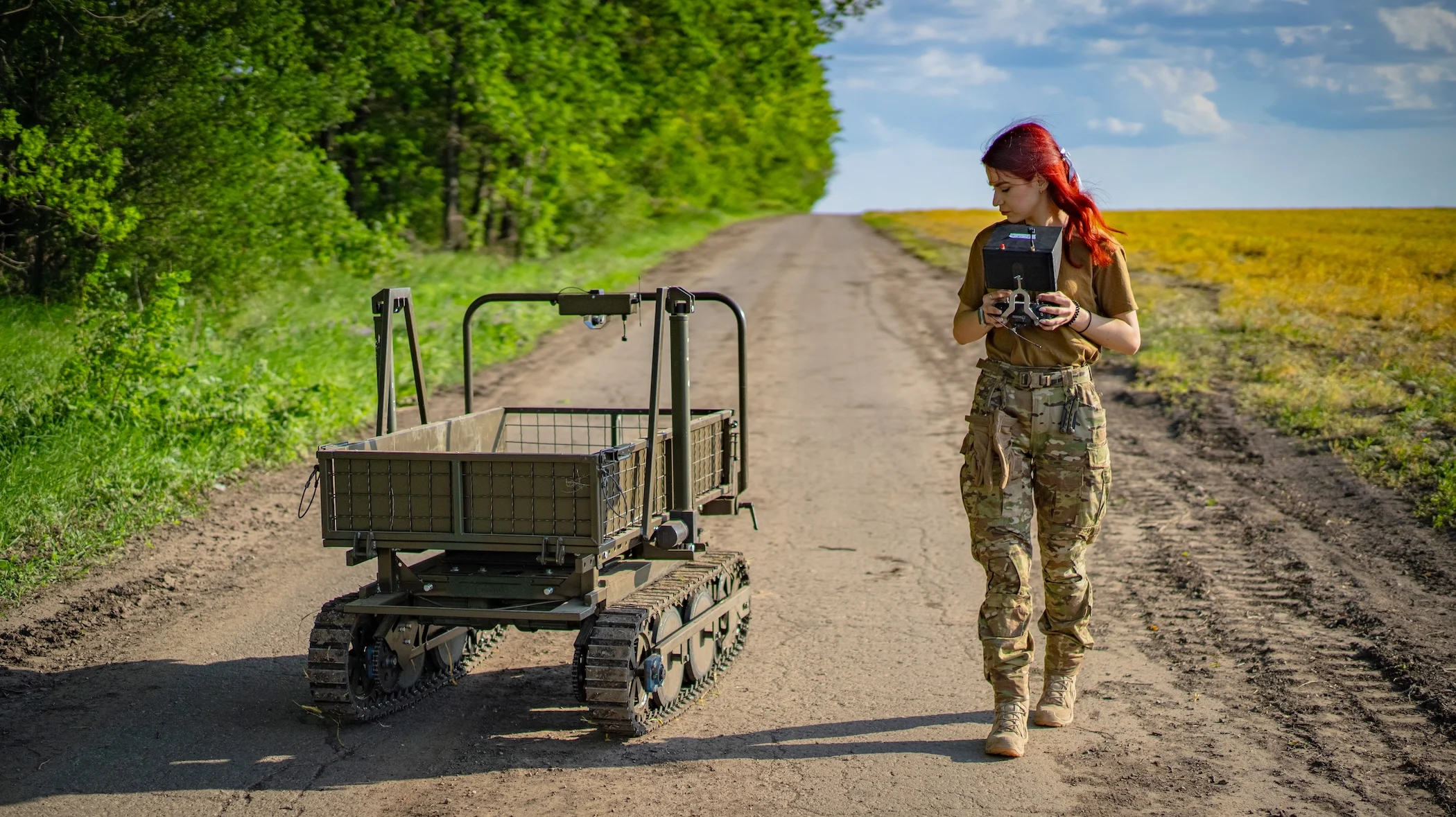
There’s also a very promising project called Thor. We’ve been working with them for some time, and we’re very impressed. But they haven’t yet scaled production enough to meet even just our brigade’s needs.
We’re doing what we can to support them. Right now, they’re fully booked with our orders — likely for at least the next year.
The concept and product design are excellent. This team previously developed the all-terrain THOR vehicle (similar in concept to the Atlas or SHERP). They’ve since created a UGV based on that platform.
The result is impressive — this project clearly has potential and is absolutely worth the investment. Whether they can scale fast enough remains to be seen, but they’re bound to find their place in the market. We believe in them.
Their UGV comes in two versions — the Thor-800 and the Thor-1000. The 1000 model is a large drone, about the size of a BMW X5. It’s the most powerful UGV we’ve worked with. The smaller Thor-800 is still among the most capable options on the market.
The Thor UGVs haven’t been codified yet. I hope they complete all the necessary procedures, scale their production, and begin supporting other units as well.
What Else?
We’re also working with several experimental platforms, which we see as highly promising. These are joint projects with companies that don’t primarily manufacture UGVs, but that do have the capacity for mass production and have already solved many core engineering challenges.
Their main advantage is scalability, affordability, and existing support infrastructure. They have the facilities and specialists for maintenance and repair. That makes them both cost-effective and reliable.
We modify these experimental platforms ourselves, integrating different communications systems — and the result is highly promising. Of course, it’s not something we can complete in a week or two, but within a few months we expect to see some exciting developments.
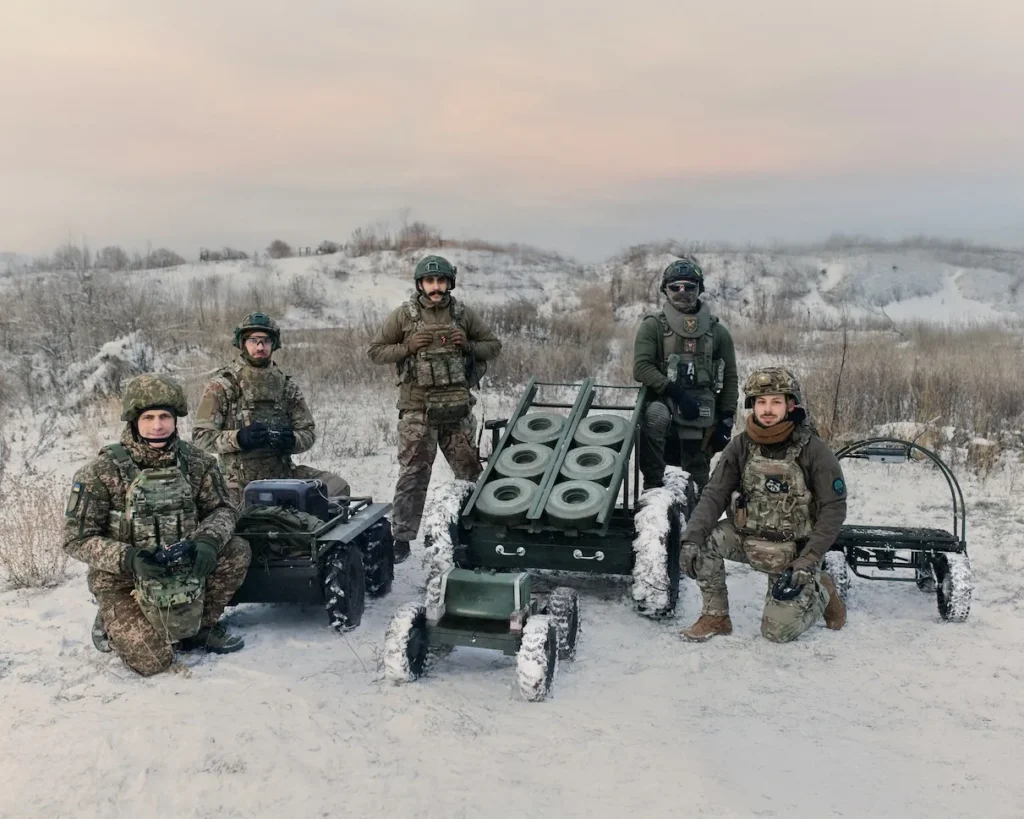
Thor, Volia-E, and Targun are great — we’re happy to work with Ukrainian manufacturers. But at the same time, we want to diversify. We also want to have some repurposed, non-traditional vehicles in our arsenal. By combining all these tools, we hope to build a powerful, scalable system.
More about UGVs:
Reading now
1

70+ vacancies in Ukrainian defence tech at Ukrspecsystems, Strix Air, DoD Solution and other industry leaders
2
Swarmer acquires Ukrainian UGV and UAV manufacturer Ratel Robotics for $224m – and this is just the beginning
3
Canadian General Dynamics signs agreements with Ukrainian GreenTech
4

Vluchnyk develops interceptor planned for production in Sweden and other countries: what attracted investors and what the team is working on
5
Unwave’s Stepovyi Viter mid-strike drone passes codification: what we know about this UAV
By submitting this form, you give Defender Media consent to the processing of personal data.
Надсилаючи цю форму, ви надаєте Defender Media згоду на обробку персональних даних.

Latest insights
1
Everything about the RAM-2X mid-strike drone: interview with Ukrspecsystems deputy director Andrii Rymaruk
2

A demo is not demand: How to prove the value of a defence tech product. Column by Tekever Ukraine Director Kateryna Bezsudna
3
How to choose the right video link for an FPV drone: analogue, digital, or fibre-optic?
4
How a frontline signal becomes an engineering task. A column by Defence Builder Accelerator Director Yana Shkvarovska
5