August 28, 2026
The ARMADA Association says the event’s exact location was never made public. The lead organiser has now been detained
On 24 July, Russia launched a ballistic missile strike on a private training ground in Kyiv region, where a closed event organised by the defence industry association ARMADA was taking place. According to official figures, 10 people were killed, and around 100 were injured.
The Defender Media editorial team has decided not to publish photos or videos from the scene, geolocation data, information about the victims, participating companies, or any other details that could endanger people, compromise the work of the Defence Forces, or interfere with the investigation.
At the same time, several official statements related to the tragedy have been released over the past two days by the event organisers and Ukrainian officials. Below is a summary based solely on those official sources.
Acting Head of the Kyiv Regional Military Administration Ruslan Oliinyk was the first official to report that Russia had carried out a ballistic missile strike on a private training ground in Bucha district, Kyiv region, on 24 July.
According to the Ukrainian Air Force, the attack occurred at around 11:30 a.m. Air Force Communications Chief Yurii Ihnat said Russia launched three Iskander-M/S-400 ballistic missiles. Ukrainian air defences intercepted one missile, while the other two struck the site.
Oliinyk said the attack killed 10 people and injured around 100 others. It also damaged 27 private houses and 44 vehicles.
Later that day, the ARMADA Association of Unmanned Systems and Related Technologies published a statement on its website explaining that it had organised a closed event described as “a practical working demonstration of Ukrainian technologies designed to protect critical infrastructure from modern aerial threats for representatives of Ukraine’s defence industry and potential end users.”
The association stressed that the event’s exact location had never been publicly disclosed. Invitations were distributed individually through closed channels, while the precise venue was shared only with verified participants after registration and security screening.
ARMADA also rejected claims that the event had been an exhibition. According to the organisers, it was a practical demonstration of air target detection and interception systems, interceptor drones, electronic warfare (EW), signals intelligence (SIGINT), radar systems and other counter-drone technologies.
“Testing such systems requires open space and the ability to demonstrate them in real operating conditions,” the statement said.
The organisers added that they would fully cooperate with investigators, provide all available information to the competent authorities, and assist in establishing how information about the venue could have become available to Russia.
On 24 July, Prosecutor General Ruslan Kravchenko announced the opening of criminal proceedings under Article 367, Part 3 of Ukraine’s Criminal Code, concerning possible negligence in organising and conducting the event that resulted in fatalities and other serious consequences.
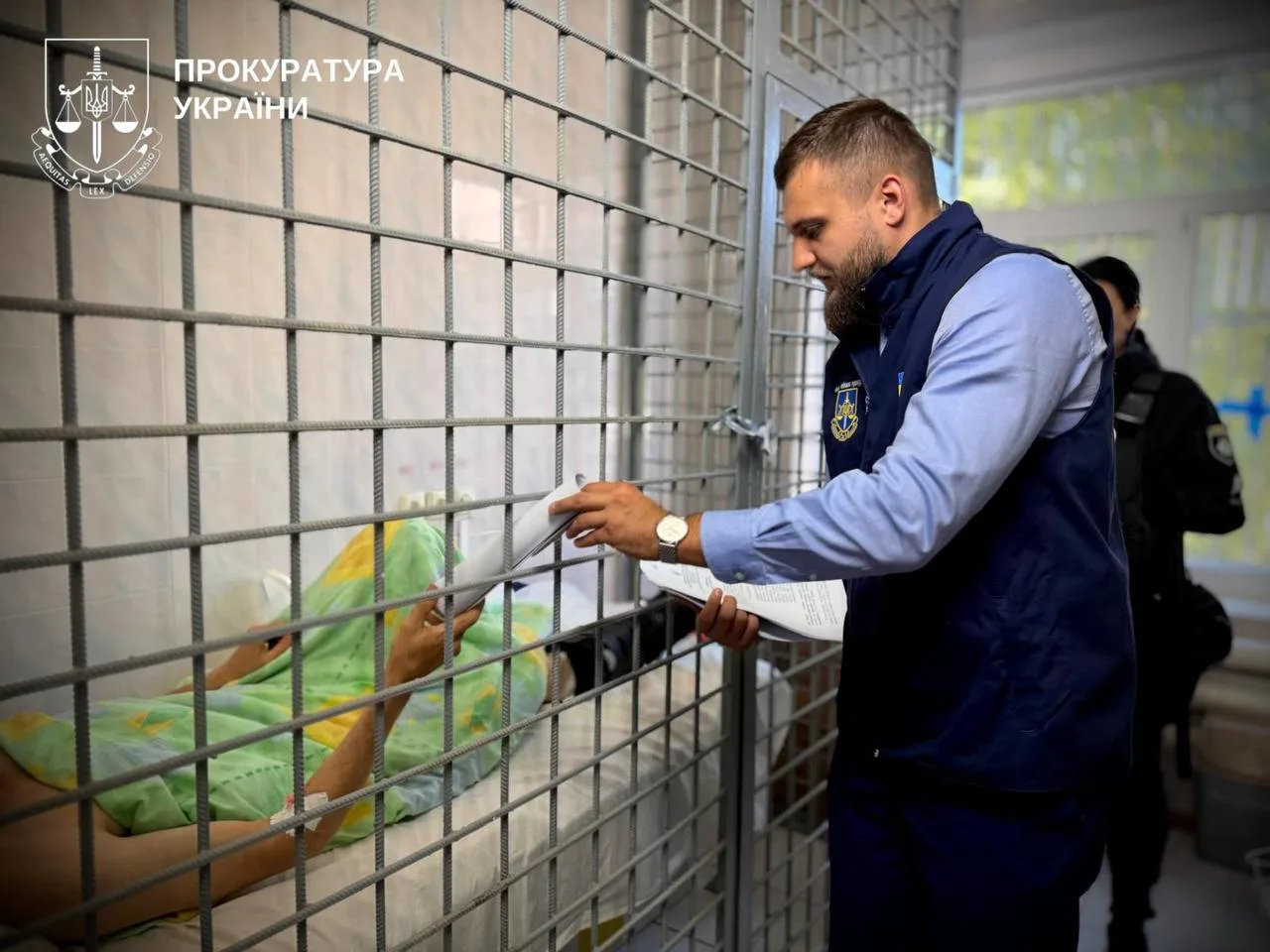
The following day, Kravchenko announced that the event’s lead organiser had been detained and formally notified of suspicion. A court is expected to decide on a pre-trial preventive measure in the coming days.
“Due to minor injuries, he is currently under guard at a medical facility,” the Prosecutor General said.
According to investigators, the association organised the large-scale event without obtaining approvals from the military command, regional or district military administrations, or other authorised bodies.
The Prosecutor General said more than 300 people had been invited to the open-air venue, including military personnel, government officials, international partners and business representatives. The nearest shelter, measuring only 34 square metres, was located approximately 100 metres from the event site.
“This meant that hundreds of people were placed in conditions of obvious security risk from the outset,” Kravchenko stated.
He added that invitations had been distributed nine days before the event, while the exact location and timing were shared one day in advance. Investigators are examining whether these actions could have enabled Russia to prepare a targeted strike.
Kravchenko also confirmed that investigators had carried out searches at the association’s office and at the homes of individuals believed to have been involved in organising the event.
He added that prosecutors would separately assess the actions—or possible inaction—of all officials responsible for responding to potential security risks.
“We are reviewing the work of the relevant units of the National Police, the Security Service of Ukraine, state authorities, local self-government bodies and the military command to determine whether the security situation was properly monitored, whether potential threats were identified and assessed in a timely manner, whether the legally required response measures were taken, and whether the actions or inaction of responsible officials could have influenced the course of events,” Kravchenko said.
Defender Media extends its condolences to the families of those killed, the injured, and everyone affected by this tragedy. The editorial team will continue to follow the investigation.

By submitting this form, you give Defender Media consent to the processing of personal data.
Надсилаючи цю форму, ви надаєте Defender Media згоду на обробку персональних даних.