Dorozvidka #61: the big story of UForce, plus Pavlo Kosolapkin, Halyna Yanchenko, Bohdan Sas and “Aquila”
The most interesting articles on Ukrainian defence tech from Ukrainian and international media outlets
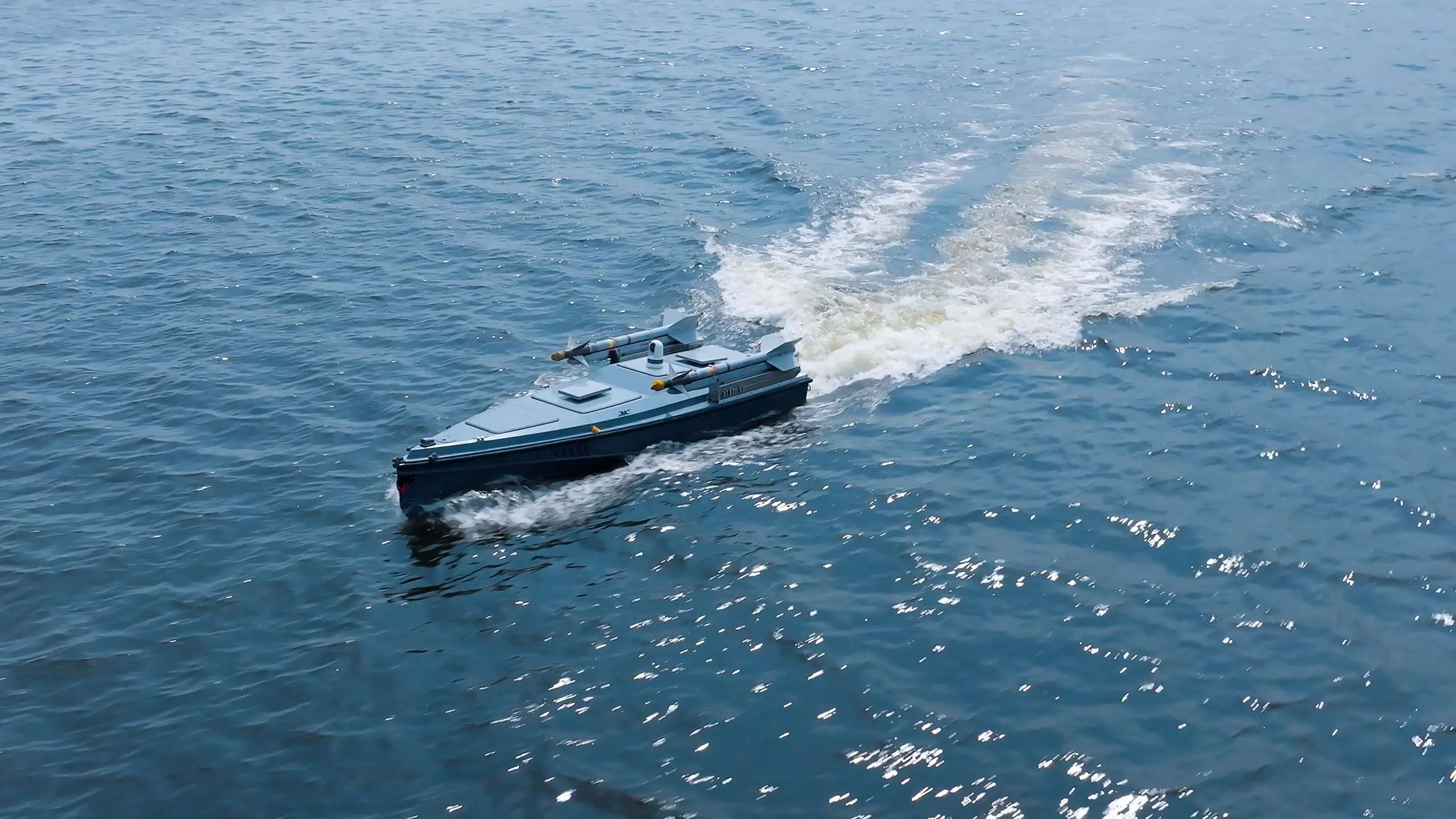
Magura V7, equipped with AIM-9X Sidewinder air-to-air missiles / Photo: UFORCE
In the latest Dorozvidka:
- How UForce operates — the first unicorn in Ukrainian defence tech;
- The ‘Aquila’ air defence unit of the 3rd Army Corps is scaling up into a regiment;
- Frontline Robotics CTO Pavlo Kosolapkin on the company’s third-generation drones;
- The right to fail: why Ukraine will lose the technological war without “failures” — a column by Buntar co-founder Bohdan Sas;
- Parliament’s tax committee backs a bill to exempt UGVs from VAT;
- Halyna Yanchenko on Drone Deals and arms exports as Ukraine’s new economy;
- In the first months of 2026, Ukraine contracted five times more midstrike drones than during the whole previous year.
How UForce’s business operates
Ukrainian Forbes published a major feature on UForce — the first official unicorn in Ukraine’s defence tech sector.
How and with what does UForce plan to compete for defence ministry budgets around the world when Ukraine still lacks a functioning arms export procedure, while competitors are Western startups valued at tens of billions of dollars?
The ‘Aquila’ air defence unit of the 3rd Army Corps is scaling up into a regiment
The corps announced that the 1030th Separate Anti-Aircraft Missile and Artillery Battalion is being expanded into a regiment and will receive more weaponry — from radars and artillery to missiles and interceptor UAVs. The unit has already destroyed more than 4,500 aerial targets.
Earlier, Defender Media published a major interview with the unit’s commander Maksym Zaichenko about the battalion’s modernised air defence system, the challenges of integrating new technologies into combat operations, and why fully automated solutions still struggle to gain traction on the battlefield.
Frontline Robotics CTO Pavlo Kosolapkin on the company’s third-generation drones
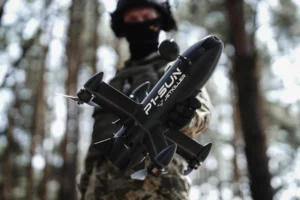
Militarnyi released a report from a testing range where Frontline Robotics systems are being trialled. The video showcases the company’s Zoom and Linza drones, while co-founder and CTO Pavlo Kosolapkin explains them in detail.
Among other things, he discusses the third generation of the Zoom reconnaissance UAV and the Linza bomber drone built on its platform. Designed specifically for wartime conditions, the platform combines resistance to enemy electronic warfare and strike capabilities with the ease of operation associated with the DJI Mavic.
The right to fail: why Ukraine will lose the technological war without “failures” — a column by Buntar co-founder Bohdan Sas
Buntar Aerospace co-founder and CEO Bohdan Sas wrote a column for Ukrainska Pravda highlighting an important startup principle that is equally relevant to defence tech: the right to fail is not a weakness, but a necessary condition for survival in modern warfare.
Bohdan writes that almost no military technology is born “perfect” — effective solutions emerge through dozens of failed tests, broken prototypes and constant redesigns to match battlefield realities. But in Ukraine, a failed trial is still often seen not as part of the development process, but as a reason to look for someone to blame. According to him, this fear of failure has become one of the main obstacles to technological superiority in the war.
Ukraine still tends to treat military technologies like household appliances: once certified, the system is expected to work reliably for years. In reality, however, a modern FPV drone or reconnaissance system can lose effectiveness within just a few months once the enemy updates its electronic warfare systems.
The proposal from the Buntar Aerospace co-founder is to legally establish the right to fail in defence technologies.
Parliament’s tax committee backs a bill to exempt ground robotic systems from VAT
On 25 May, the Verkhovna Rada’s tax committee supported bill No. 15259, which would exempt ground drones and their components from VAT. MP Halyna Yanchenko, who co-authored the bill, announced this on her Facebook page.
“There is a high probability that the Verkhovna Rada will consider this bill during the next plenary weeks,” Yanchenko noted. She added that this is a very important decision for the industry that will help scale the production of ground robotic systems in Ukraine.
Last week, Defender Media explained why this bill matters.
Halyna Yanchenko on Drone Deals and arms exports as Ukraine’s new economy
Last week, Yanchenko also appeared on Ihor Dolhov’s programme on Ukrinform. In the interview, the head of the parliamentary working group on defence industry investment discusses Ukraine’s defence industrial base, arms exports, drone technologies and the risk of losing the country’s unique window of opportunity.
In the first months of 2026, Ukraine contracted five times more midstrike drones than during the whole previous year
Ukraine’s Ministry of Defence reports record volumes of midstrike drone procurement. The ministry notes that these UAVs are designed to strike targets behind enemy lines at ranges between 30 and 200 kilometres. At such distances are Russian ammunition depots, command posts, supply routes, air defence systems, radars and drone control centres. Midstrike systems serve as an intermediate layer between FPV drones and deep-strike systems used for attacks deep inside Russia.
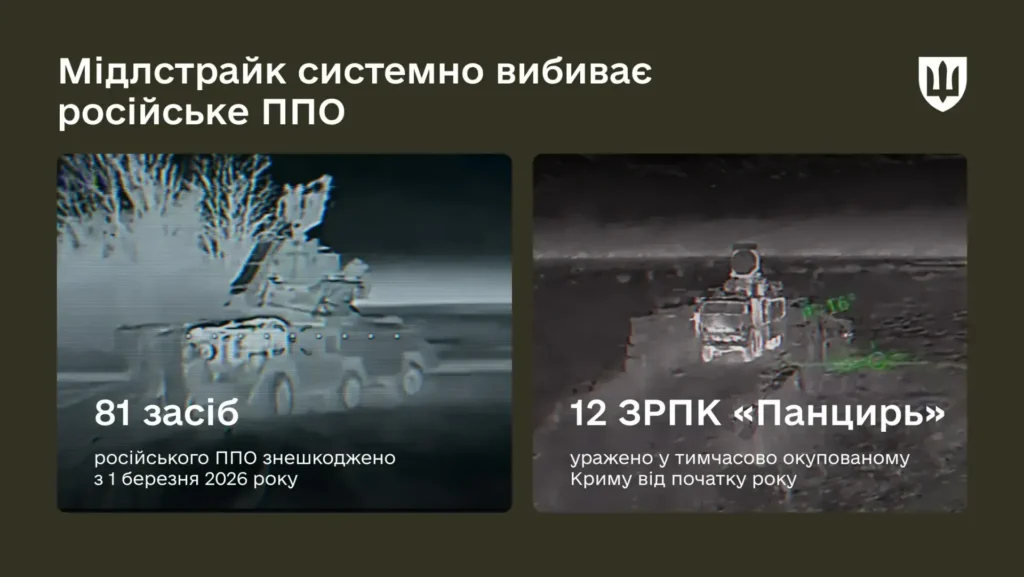
After recognising the effectiveness of midstrike drones, foreign partners also joined their development. Joint production projects are being established with Germany and Norway, the ministry notes. Ukraine receives more drones for the battlefield, while partners gain access to technologies and Ukrainian combat experience.
Reading now
1
SkyFall officially unveils Thor Hammer mid-strike and announces 1,000+ km version
2
Pentagon to hold Drone Dominance trials for bomber drones, with UFORCE, Gurzuf Defence, Grim Tech and others taking part
3
British-Ukrainian Occam Industries raises €3.8m. The funds will go towards scaling drone autonomy software
4
Terra Drone acquires 50% of Ukrainian Kurin Technologies for $3.5 million
5

Frontline Robotics CBDO Mykyta Rozhkov: Ukraine and Norway are working on an autonomous system to protect maritime infrastructure
By submitting this form, you give Defender Media consent to the processing of personal data.
Надсилаючи цю форму, ви надаєте Defender Media згоду на обробку персональних даних.

Latest news
1
Ukraine’s Defence Forces hit a record number of Russian air defence systems and radars in September
2

Nataliia Mykolska to become VP of Growth and Affairs at Sine Engineering
3
Black Mirror #79: What’s inside Geran-4, unmanned tanks, balloon barrages and more of a new russian miltech
4

6,000 lives saved by replacing people with robots. “Makar” on the ground strike drone unit NC13 and its role in Operation Vivaldi
5