Black Mirror #3. “Orbita”, “Peresmeshnik”, “Gruzovik”, and other updates from Russian miltech
Latest roundup of enemy military tech developments
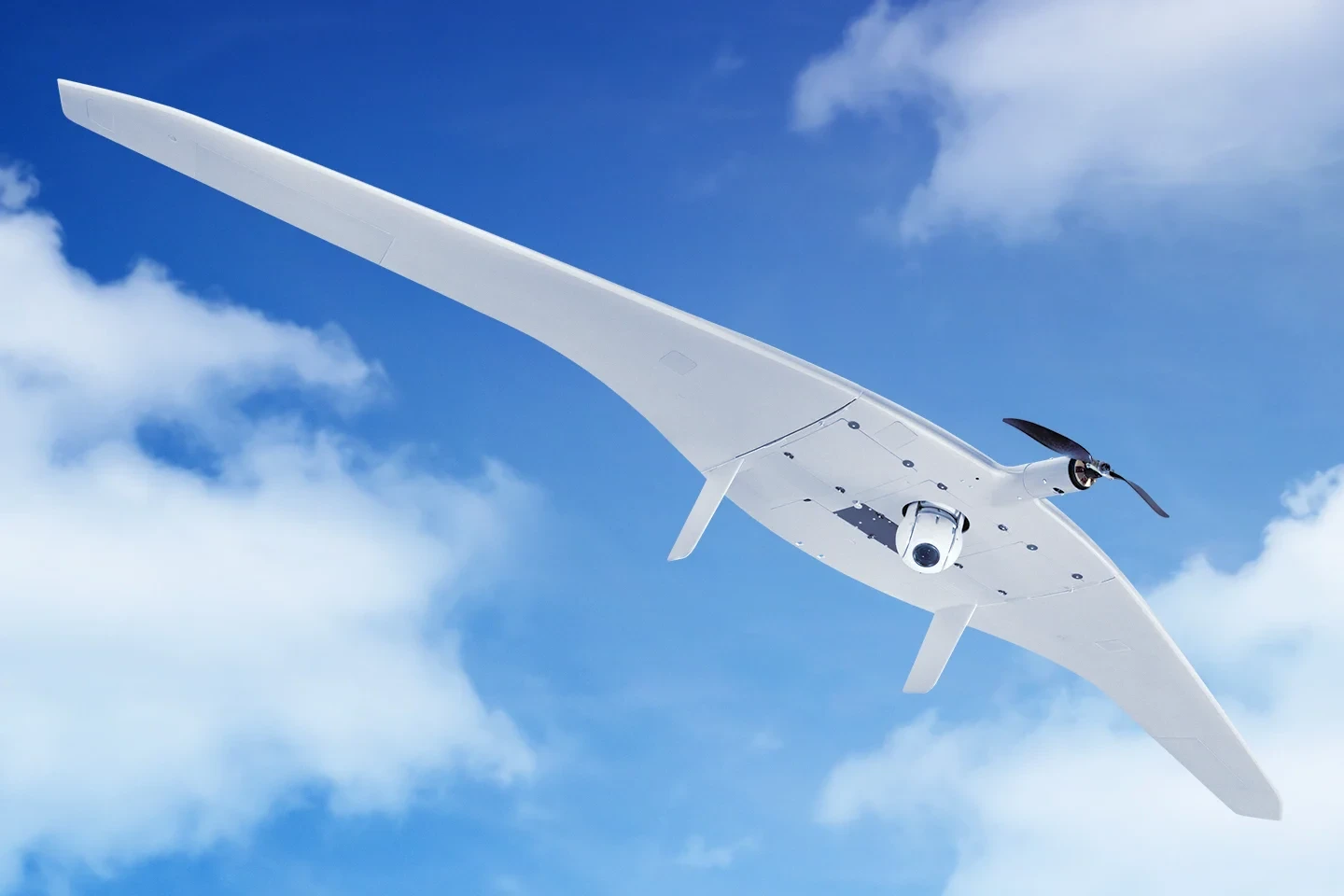
Image from the Web
“Black Mirror” is a weekly review of new Russian miltech products. Defender compiles this selection at the request of Ukrainian defence tech market players who want to stay informed and prepare for emerging technological threats.
The biggest news of the week was the launch of a Russian FPV drone from a distance of a thousand kilometers. Using the “Orbit” system, an operator in Moscow controlled a drone that carried out a mission in Chasiv Yar, Donetsk oblast. More details about this and other military innovations of the enemy – in Black Mirror #3.
Repeater drone Peresmeshnik
The Russian occupiers have begun delivering Peresmeshnik repeater drones to the front line, which allow them to increase the combat range of a strike or reconnaissance drone, as well as better conceal the positions of operators.
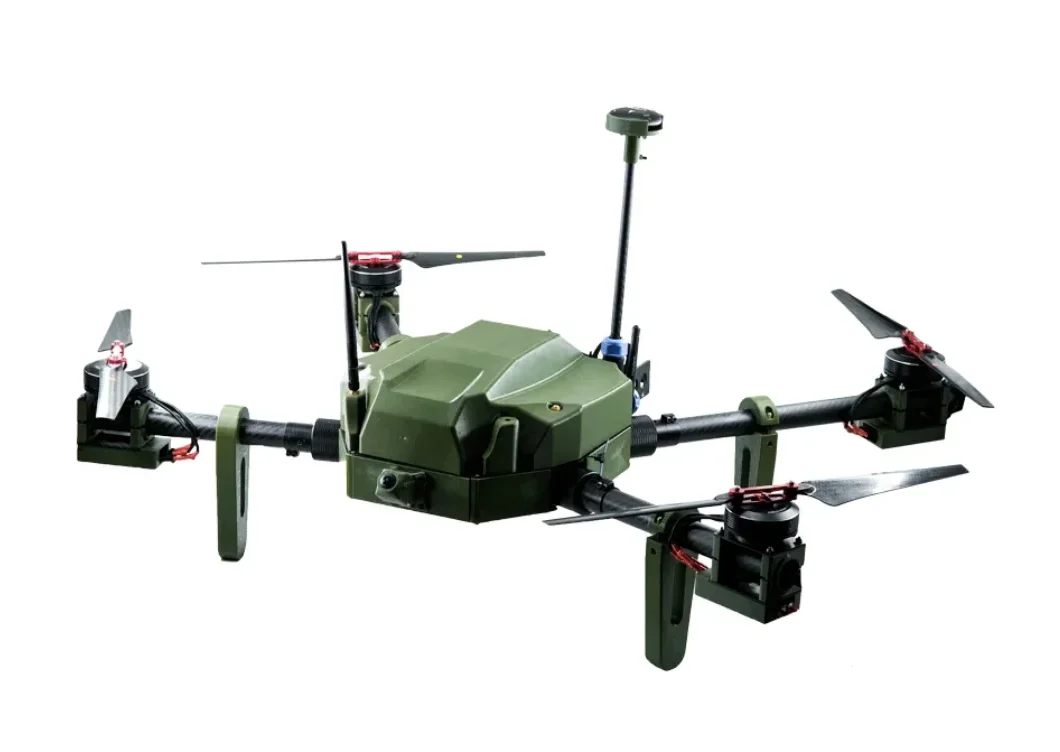
Russian Telegram channels report that Peresmeshnik hovers at an altitude of 100-150 m and can amplify the signal to a distance of more than 5 km in the city and more than 10 km in open terrain for 40 minutes.
A program that recognizes radio signal sources
The Russian Technological University has developed a program that determines the direction of radio signal sources, even if they are behind obstacles. Such a development can be used in monitoring the radio spectrum, in particular in a combat zone. With the help of the program, you can determine the exact location of objects, increase the stability of GPS and GLONASS signals in navigation systems, as well as detect unauthorized transmissions in the radio spectrum. The development uses the Kalman filter – a powerful mathematical tool that allows you to reduce the impact of noise and interference.
Gruzovik instead of Muravey
The Russian robotics manufacturer “Laboratory of the Future” has developed a new cargo drone Gruzovik M500. It is intended to replace the UAV Muravey, which is used by the Russian occupation forces. The cargo copter Gruzovik M500 has better characteristics than its predecessor:
- cargo capacity – up to 50 kg (Muravey – up to 15 kg);
- flight range with maximum load – up to 7 km, with reduced load – up to 10 km;
- flight speed – 40 km/h with maximum load, 60 km/h without it.
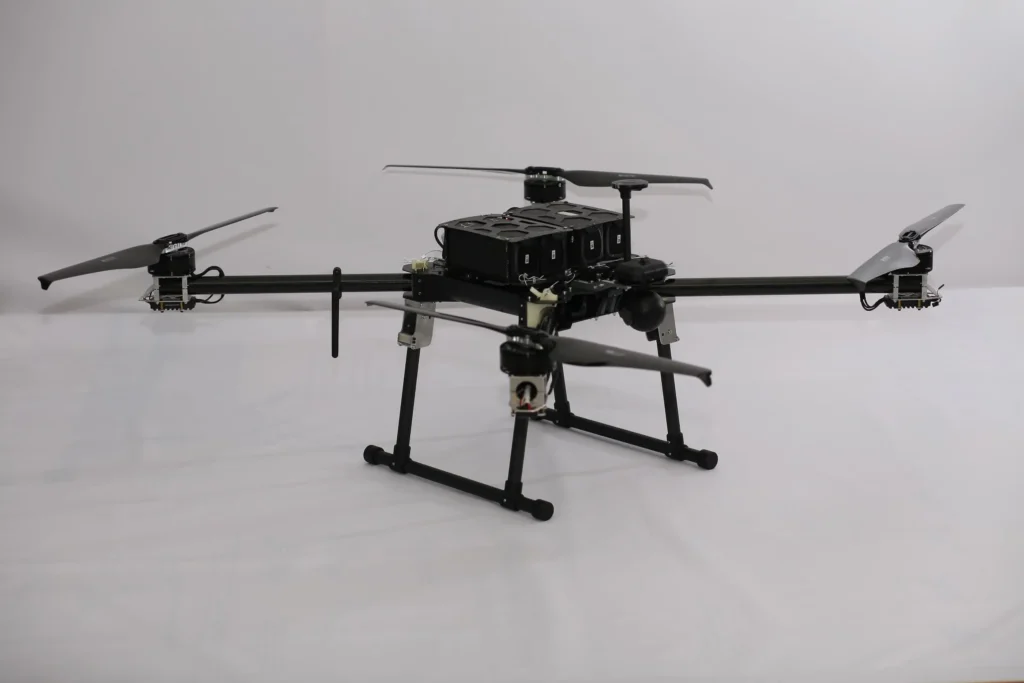
The device is equipped with eight electric motors and propellers, a thermal imaging camera for night work, a video camera, and a load-dropping module. In addition to the M500, the new line includes the heavy-duty models Gruzovik M700 and Gruzovik M1000 with a load capacity of 70 and 100 kg, respectively.
Cloud platform for quantum computing
Tatarstan’s Innopolis University has created a cloud platform for quantum computing, Qonquester Cloud. The goal is to accelerate materials design and optimize calculations in the financial and logistics industries. The project will also allow users to accelerate and optimize classical calculations in cybersecurity and for the creation of composite materials.
The developed platform is based on a hybrid quantum computer that combines quantum and classical methods for flexible optimization strategies.

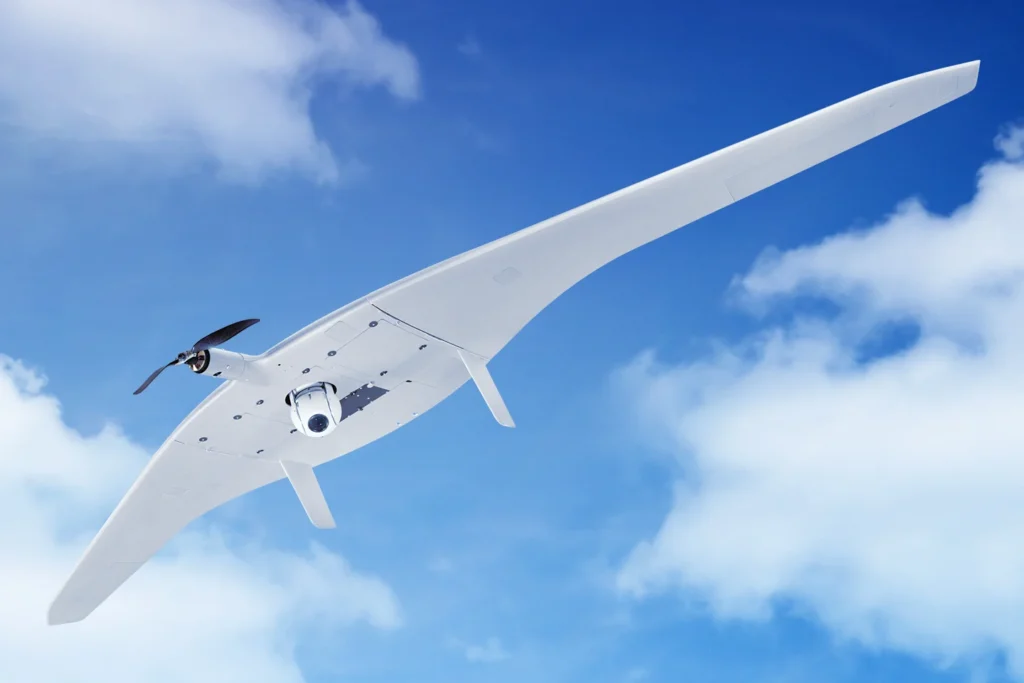
SKAT 350M UAV – now with fibre optics
The Kalashnikov Concern has equipped the SKAT 350M UAV system with a set of fibre-optic transmission devices. The system reportedly received positive feedback from the Russian military, prompting Kalashnikov to proceed with its modernization.
The system is designed to disorient the enemy and protect the UAV operator from destructive weapons. It extends the distance between the transceiver and the control station to up to 500 meters. The kit includes a fibre-optic cable for the communication line, fibre-optic transmission devices for both the ground control station and the ground transceiver, as well as a battery.
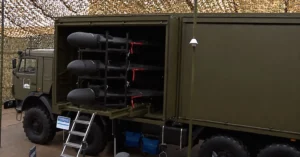
Orbita – a remote control system for drones
The Russians tested a new ultra-long-range drone control system during the attack on Chasiv Yar in the Donetsk region. Footage of the launch of the Ovod FPV drone using the Orbita complex has been released online. The drone operator controlled it from the Moscow City business center, about a thousand kilometers from Chasiv Yar.
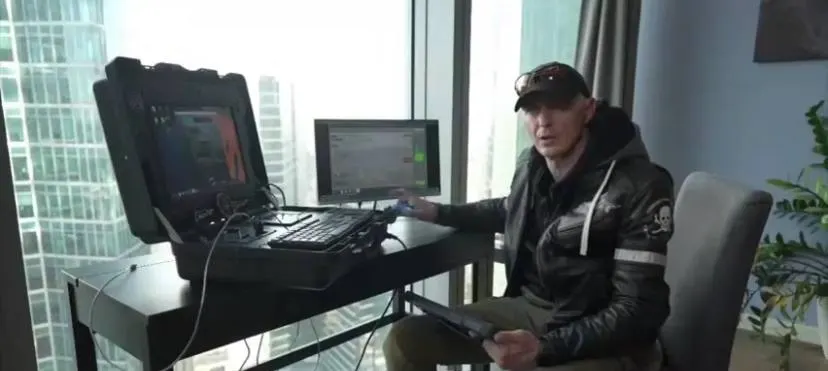
The project of the Russian Center for Unmanned Systems and Technologies includes an intelligent communication system and a neural network algorithm for tracking targets. It is reported that during the test flight, the drone covered 11 kilometers from the launch point to the target.
Reading now
1
SkyFall officially unveils Thor Hammer mid-strike and announces 1,000+ km version
2

260+ vacancies in Ukrainian defence technology at BlueBird Tech, Sine Engineering, Buntar Aerospace and more
3
British-Ukrainian Occam Industries raises €3.8m. The funds will go towards scaling drone autonomy software
4
Terra Drone acquires 50% of Ukrainian Kurin Technologies for $3.5 million
5

Autonomous interceptor drones need radars to work. Why is there still a lack of them
By submitting this form, you give Defender Media consent to the processing of personal data.
Надсилаючи цю форму, ви надаєте Defender Media згоду на обробку персональних даних.

Latest news
1

US-based PDW to test Odd Systems’ Kurbas cameras on its drones
2
Black Mirror #80: Rassvet terminals, high-speed jet-powered interceptors, Kinzhal upgrades and other developments in Russian miltech
3
Phantom Defense acquires net-launcher developer KARAKURT to integrate its technology into own ecosystem
4

Acoustic sensor developer Zvook raises investment from new Czech fund managed by DEPO Ventures
5