Dorozvidka #79: P1-SUN JetKiller vs. Geran-5, Iryna Terekh on MilfTech and more, plus Maul, THeMIS and GEREON
Notable coverage of Ukrainian defence technology from other media outlets, blogs and social media over the past week
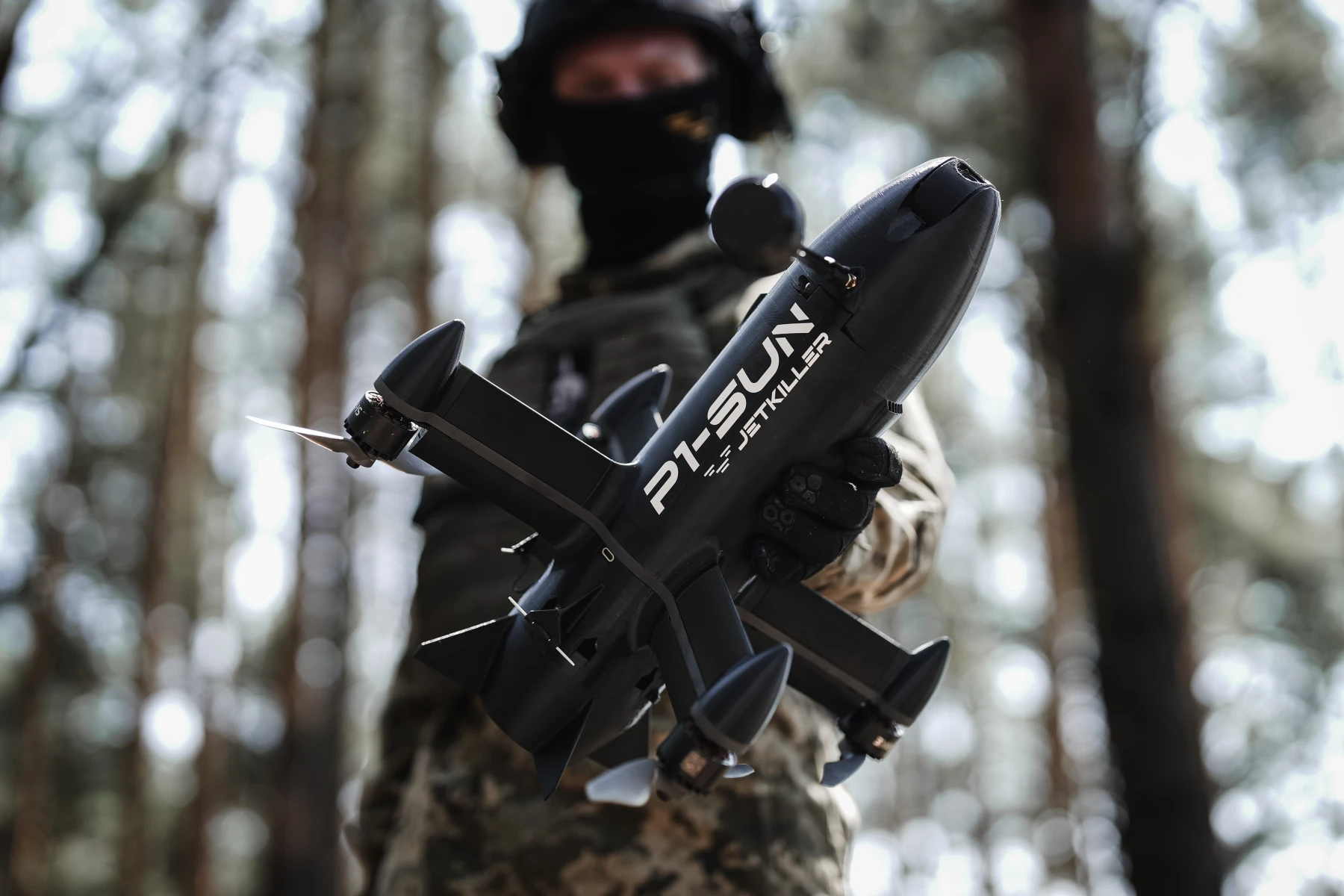
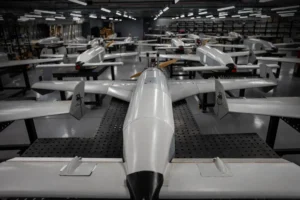
P1-SUN JetKiller interceptor UAV. Photo provided by manufacturer
In the new issue of Dorozvidka:
- P1-SUN JetKiller interceptor destroys a Geran-5 jet-powered drone
- MilfTech and more: Fire Point CEO Iryna Terekh gives an interview to Andrii Fedoriv
- First Medical Battalion reveals Maul UGV evacuation statistics: more than 50% of missions successful
- ARX Robotics and DEUTZ produce first joint batch of GEREON UGVs for Ukraine’s Defence Forces
- Estonia accuses Russian intelligence services of arson attack on Milrem Robotics, which supplies THeMIS UGVs to Ukraine
P1-SUN JetKiller interceptor destroys a Geran-5 jet-powered drone
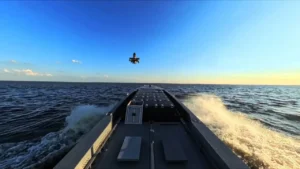
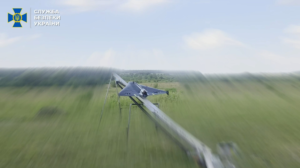
The P1-SUN JetKiller interceptor produced by SkyFall destroyed a Russian Geran-5 jet-powered drone. The target was hit by unmanned systems operators from the National Guard of Ukraine’s Lasar’s Group.
During the combat mission, the crew also used SkyFall’s remote-control system, which lets operators control the interceptor from anywhere in the world.
In July, Defender Media published a detailed article on the P1-SUN JetKiller. The interceptor was unveiled at the Farnborough International Airshow in the UK. At the time, the manufacturer said the drone could reach an altitude of 9,000 metres and a speed of 370 km/h.
MilfTech and more: Fire Point CEO Iryna Terekh gives interview to Andrii Fedoriv
Fire Point CEO and CTO Iryna Terekh appeared on a podcast hosted by Andrii Fedoriv, founder of the FEDORIV marketing agency. The interview became one of the week’s most discussed topics. However, social media attention focused less on production details and the timeline for the company’s long-range ballistic systems than on Terekh’s jokes about MilfTech and news that she had registered the corresponding trademark. The blogosphere reacted in different ways.
At the same time, Terekh shared plenty of interesting details directly related to defence technology.
She said Fire Point sources some of the engines for its Flamingo missiles from aircraft graveyards. These are used commercial aviation engines that still have some service life left. The engines often need refurbishment.
Fire Point is now developing its own turbojet engine for the Flamingo and testing the first examples. According to the CEO, the company will soon switch entirely to in-house engines.
She also said that Fire Point currently employs more than 7,500 people.
The company plans to complete development of its long-range FP-9 ballistic missile by the end of autumn 2026. The “short-range” FP-7, with a range of 300 km, is already ready and is currently undergoing certification and codification. The company has spent approximately $200 million on its development and preparations for initial production. The figures for the FP-9 are even higher.
First Medical Battalion reveals Maul UGV evacuation statistics: more than 50% of missions successful
The First Separate Medical Battalion published a detailed report on the use of the Maul evacuation UGV on the frontline. According to the unit, the ground system was first used in combat conditions in January 2025, with the first successful evacuation of a wounded soldier carried out in October 2025.
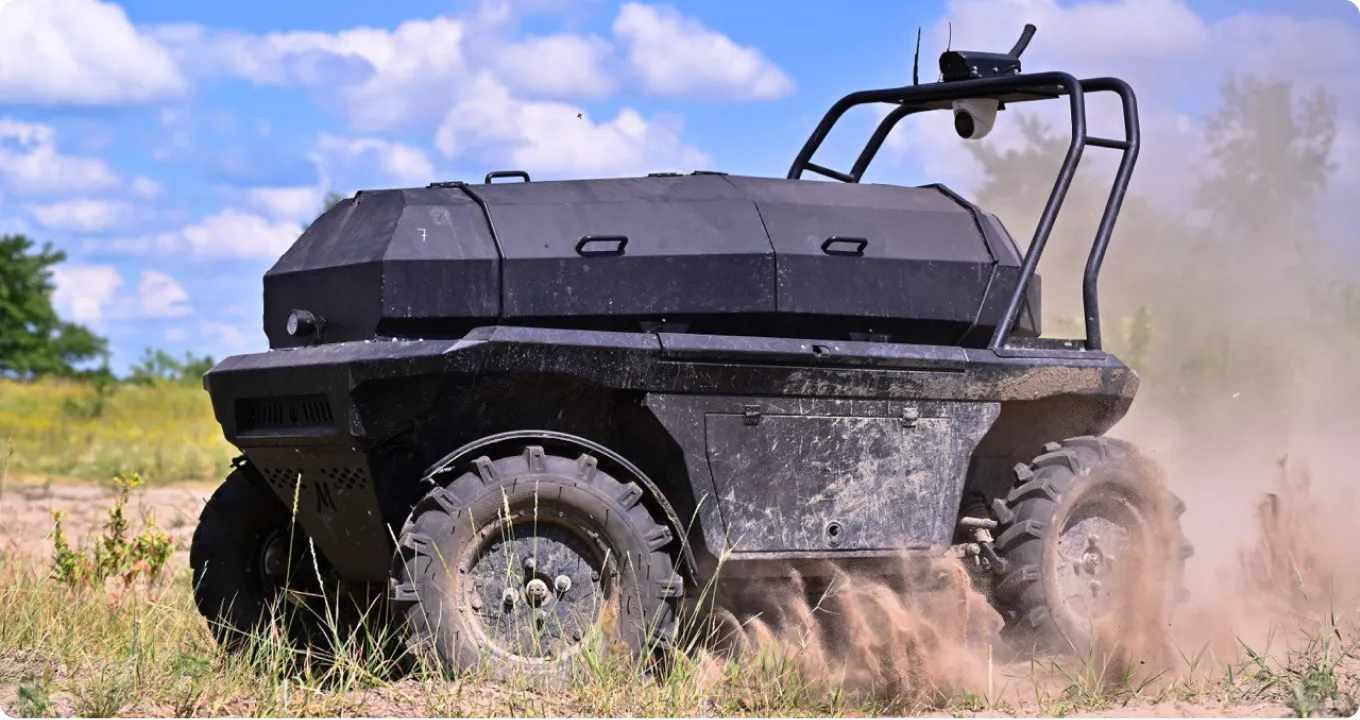
The First Separate Medical Battalion says that, as of the end of September 2026, the unit had conducted hundreds of missions using Maul UGVs. Of these, 51.9% were successful. A mission is considered successful when the wounded soldier is handed over for the next stages of evacuation.
“On average, one Maul evacuates 1.92 wounded soldiers over its service life. An unsuccessful mission does not necessarily mean that the wounded soldier on board was killed. In half of all unsuccessful missions, the vehicle returned without a wounded soldier; in the remaining cases, it was lost before loading. Unfortunately, in 4.6% of all missions, the UGV was destroyed with a wounded soldier on board,” the unit said.
ARX Robotics and DEUTZ produce first joint batch of GEREON UGVs for Ukraine’s Defence Forces
German companies ARX Robotics and DEUTZ have produced the first batch of GEREON ground robots at DEUTZ’s plant in Ulm, Germany. It took 12 weeks from the launch of joint production to completing the first batch. The number of UGVs in the batch has not been disclosed.
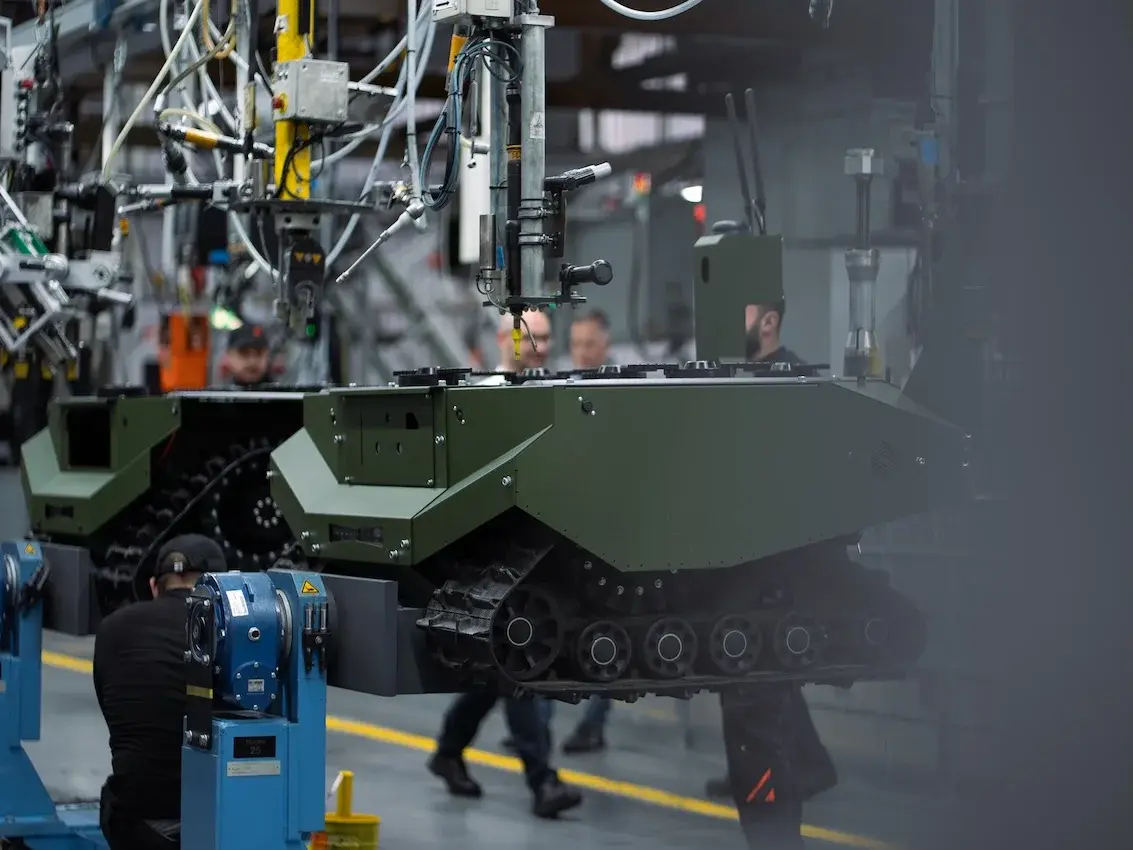
The batch is part of a larger order for several hundred GEREON systems, which is expected to increase the Ukrainian fleet fivefold. The platforms are already being used for logistics, resupply and evacuation. GEREON can carry up to 500 kg and travel up to 40 km on a single charge.
Estonia accuses Russian intelligence services of arson attack on Milrem Robotics, which supplies THeMIS UGVs to Ukraine
The Estonian authorities officially stated that the arson attack on a Milrem Robotics building in Tallinn was a pre-planned act of sabotage commissioned by Russian intelligence services. The country’s Internal Security Service reached this conclusion after investigating the fire, which broke out on the night of 15 August.
Three Latvian citizens were detained on suspicion of carrying out the arson. Estonia took them into custody. The fire was quickly brought under control and no one was injured.
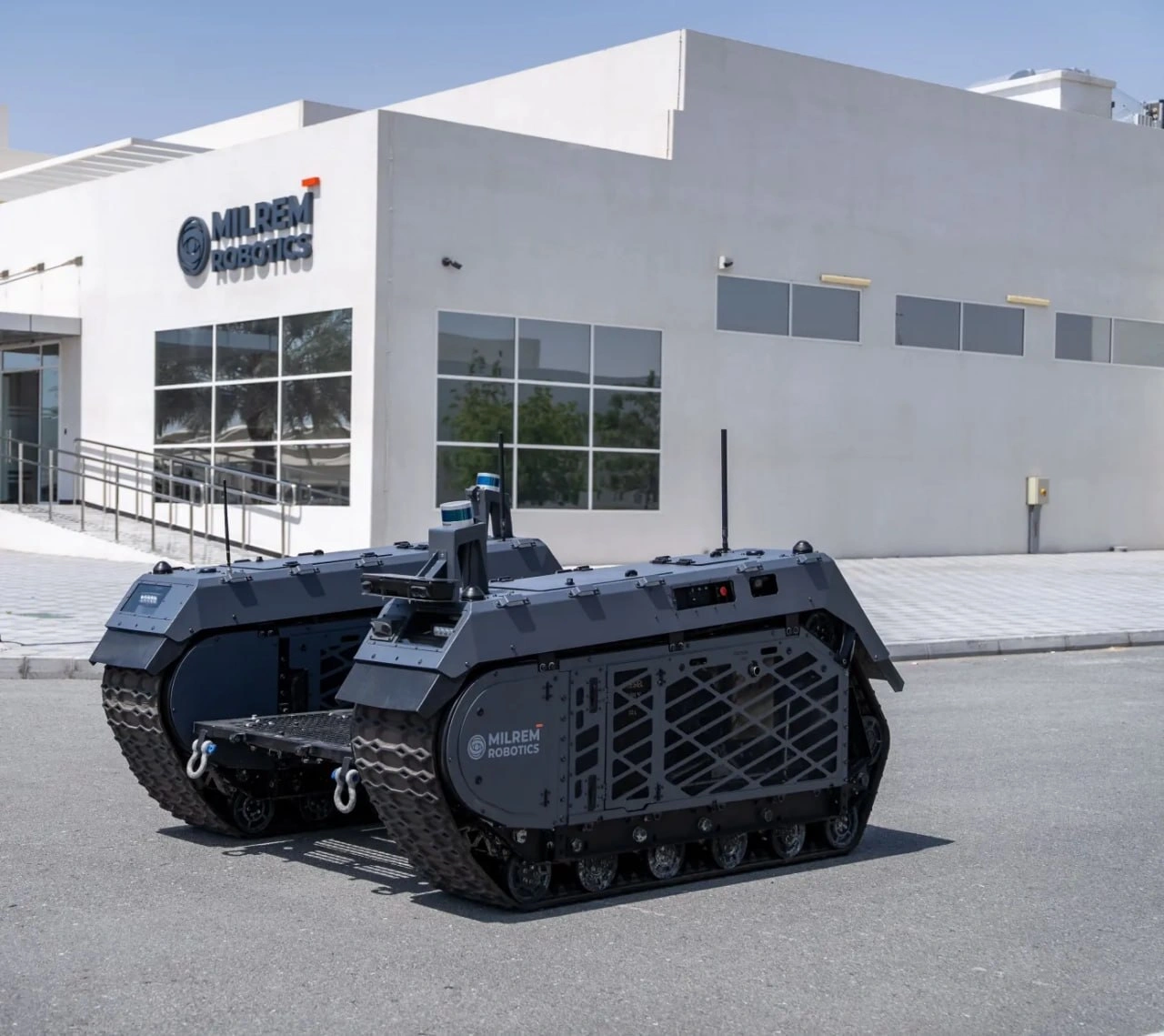
Milrem Robotics manufactures THeMIS unmanned ground vehicles, which are supplied to Ukraine. According to company CEO Kuldar Väärsi, the attack did not affect production, supply chains or the schedule for delivering robotic systems.
Reading now
1
Ukrainian Skyeton secures $10.6M US army contract
2
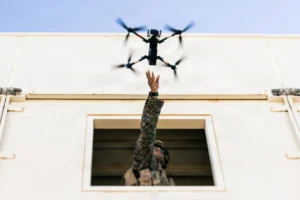
The Pentagon has announced the results of Drone Dominance Gauntlet II – announced Ukrainian companies did not make the top 5
3
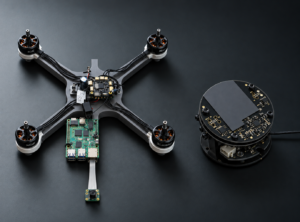
Korven Systems project: How Teletactica co-founder is building an autopilot for interceptor drones
4
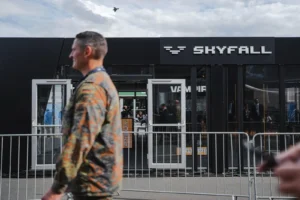
Ukrainian SkyFall again among winners of US Drone Dominance Program
5

Frontline Robotics CBDO Mykyta Rozhkov: Ukraine and Norway are working on an autonomous system to protect maritime infrastructure
By submitting this form, you give Defender Media consent to the processing of personal data.
Надсилаючи цю форму, ви надаєте Defender Media згоду на обробку персональних даних.

Latest news
1
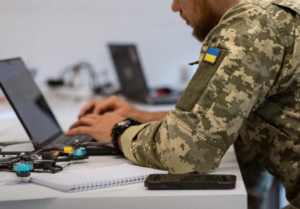
Sights, radar systems and UAV components now available to the military through Prozorro Market
2
SkyFall officially unveils Thor Hammer mid-strike and announces 1,000+ km version
3
Ukrainian developer of AI tools for detecting information threats Osavul raises $10 million
4

TAF Industries plans joint UAV development with Luxembourg’s LUXUAV
5