


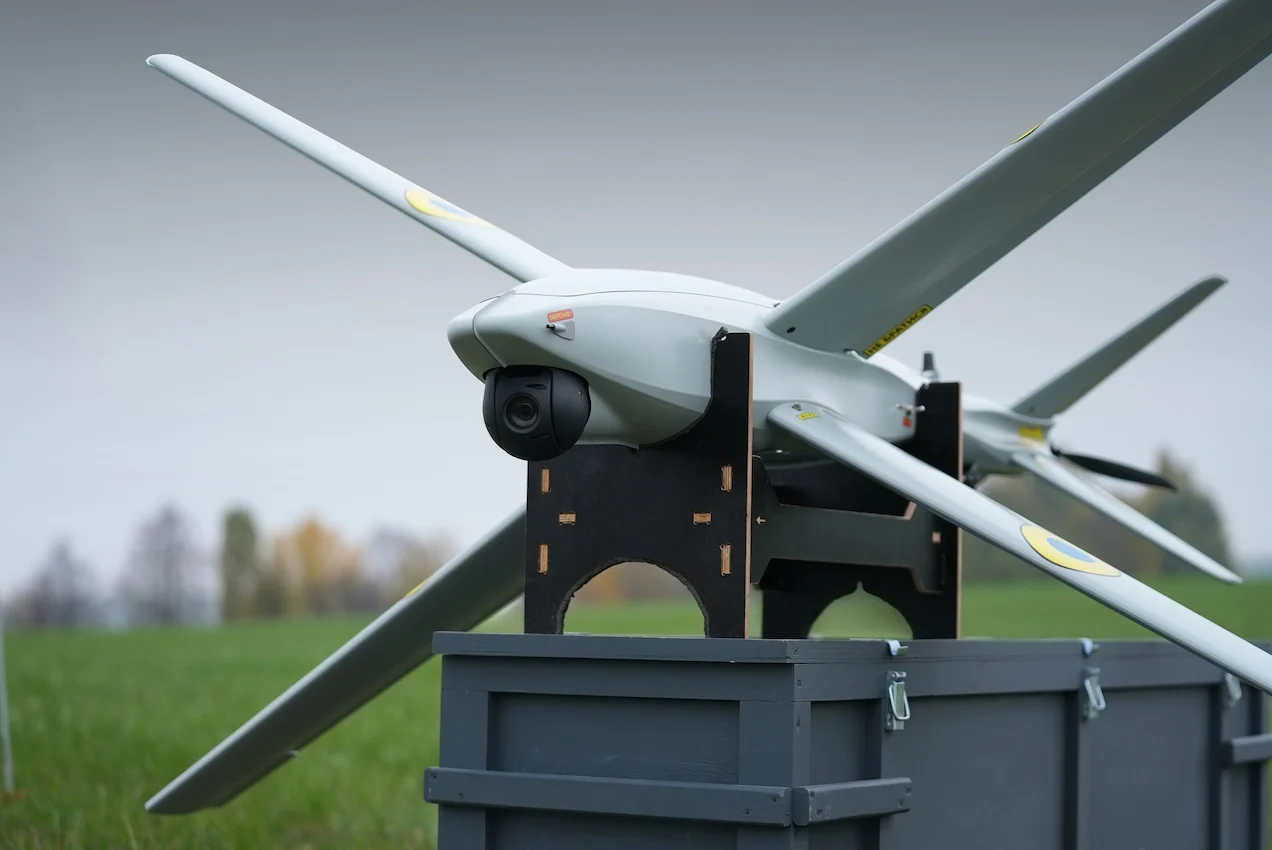
Korven Systems project: How Teletactica co-founder is building an autopilot for interceptor drones
Korven Systems brings together radar and microcomputer manufacturers to create an autopilot for drones
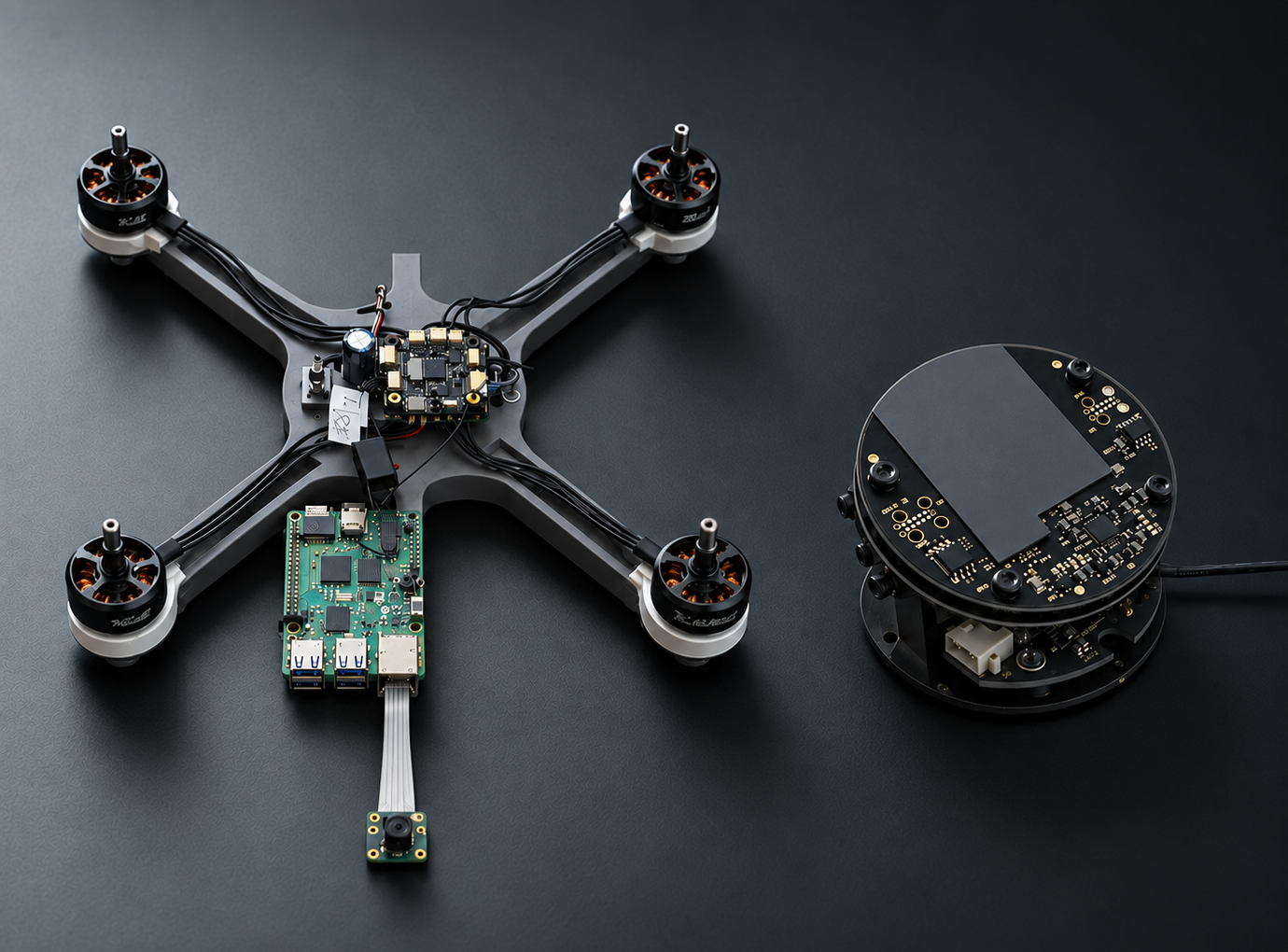
The OraVision system with Valkyrie Dynamics radar (Photo: Yevhen Zhebko)
The Ukrainian–Estonian startup Korven Systems has worked in fintech and AI since 2021. This year, it radically changed direction and switched to developing autonomy systems for interceptor drones.
The project’s founder is Yevhen Zhebko, who is also developing Teletactica with partners, a manufacturer of EW-resistant communication systems for UAVs.
Korven Systems’ goal is to develop, with partners, an ecosystem of software and hardware solutions, including an autopilot for a high-speed interceptor. Defender Media reports more on the startup’s developments and the problems it aims to solve.
A brief history of the startup
Since late 2021, the team worked as part of the Ukrainian–American startup PipelinerOnline, which optimised financial operations for small and medium-sized businesses and explored opportunities to implement AI.
After the full-scale invasion, Zhebko and part of the team moved into the defence industry and began developing the Ukrainian–Estonian company Teletactica. The company now develops EW-resistant communication technologies for UAVs.
For the first few years of the full-scale war, the civilian project continued to be supported. ‘But in the end, we had to face the obvious: continuing to build civilian solutions while the war continues looked irresponsible,’ the founder recalls.
So at the start of 2026, the team that had worked on PipelinerOnline changed focus and took up interceptor drone autonomy as the newly created Korven Systems.

Why did they choose this particular direction? Zhebko shares an assessment – a year ago, according to his calculation, intercepting a conditional thousand Shaheds along all available air defence echelons required up to 10,000 interceptors and up to 50,000 people involved across various links.
‘With the appearance of jet-powered Shaheds, everything has only become more complicated,’ he adds. At the same time, the problem lies not only in scaling up production of our drones, but also in training and preparing pilots.
Korven’s development is meant to solve several problems: a shortage of experienced pilots and the optimisation of mobile fire group procedures.
What solution the developers propose
Korven Systems plans to operate on an autonomy-as-a-service model. This means the buyer will receive everything needed to operate independently, tools for flexible customisation for their tasks, and ongoing updates.
The first product within this model is the OraVision terminal guidance system. Like its alternatives, it allows a target to be spotted earlier than the operator and automatically strikes it.
OraVision works with fixed-wing drones and multirotors against targets flying at speeds above 450 km/h. However, the system is primarily designed to work with aircraft-type jet interceptors. The priority target is Shaheds\Gerans of various modifications.
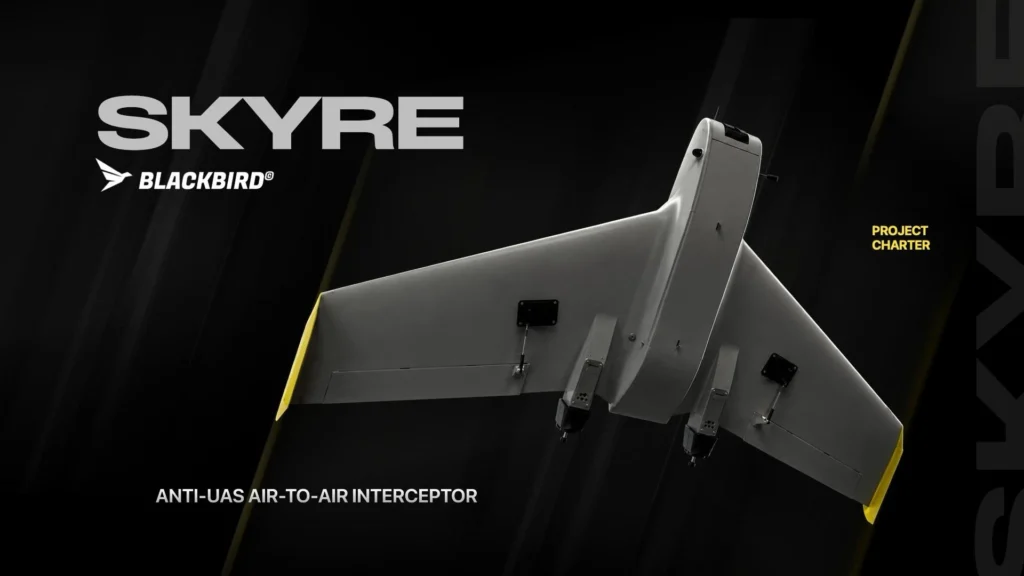
Korven Systems is currently testing its system in Ukraine and other European countries. In particular, they have signed a memorandum of cooperation with the domestic drone manufacturer Black Bird.
What else Korven’s autopilot will consist of
Overall, the autopilot stack consists of several elements. The first is a compact radar, which is installed in the interceptor. According to Zhebko, it allows the drone to locate the target in the area of interest regardless of weather conditions and time of day.
This is part of the sensor fusion approach: the drone combines data from several sensors, radar and optics, to obtain a complete picture. The Lithuanian company Valkyrie Dynamics is developing the radar. The manufacturer has passed all testing cycles and is gradually moving towards serial production.
The next element is the previously mentioned OraVision terminal guidance system, developed by Korven.
Zhebko also adds that for their solution they plan to use single-board computers from the Ukrainian company DroneMateAI. This will help avoid direct dependence on foreign solutions such as Raspberry Pi and reduce the risk of critical component shortages.
How the developers propose to change the role of mobile fire groups
‘During development, it became clear: without updating the general approach to the operator-to-drone ratio, the performance of mobile fire groups cannot be improved,’ the founder continues.
This is how the team’s Ora Mission Control product emerged, distributing remote control of mobile groups and drones. With it, the developers want to distribute the work of mobile fire groups and operators more optimally.
In this scenario, the mobile fire group prepares drones for flight and resolves non-standard situations, while operators at the command centre orchestrate available resources and control the prepared drones.
Mobile fire groups mark a drone’s readiness for flight using a tablet or computer and transmit it to a server, after which the operator can efficiently allocate these resources.
The remote control system for mobile groups is being prepared for testing in real-world conditions.
Reading now
1

400+ jobs in Ukrainian defence tech from BlueBird, Vyriy, The Fourth Law, Odd Systems and other sector leaders
2

70+ vacancies in Ukrainian defence tech at Ukrspecsystems, Strix Air, DoD Solution and other industry leaders
3
Swarmer acquires Ukrainian UGV and UAV manufacturer Ratel Robotics for $224m – and this is just the beginning
4
Unwave’s Stepovyi Viter mid-strike drone passes codification: what we know about this UAV
5

Vluchnyk develops interceptor planned for production in Sweden and other countries: what attracted investors and what the team is working on
By submitting this form, you give Defender Media consent to the processing of personal data.
Надсилаючи цю форму, ви надаєте Defender Media згоду на обробку персональних даних.

Latest news
1
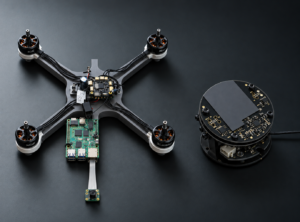
Korven Systems project: How Teletactica co-founder is building an autopilot for interceptor drones
2
Ukrspecsystems equips RAM-2X mid-strike drone with terminal guidance system capable of locking onto targets from up to 3 km
3
Ukraine produces around 2,000 Bars missile-drones per month — manufacturer
4
DPA launches first tender for FPV drones based on technical specification
5
Dorozvidka #77: Swarmer–Ratel deal details, 1,000 Brave1 grants, Perry Boyle, private air defence and UGVs vs pickups
September 17, 2026
Ukraine produces around 2,000 Bars missile-drones per month — manufacturer
September 16, 2026