October 12, 2026
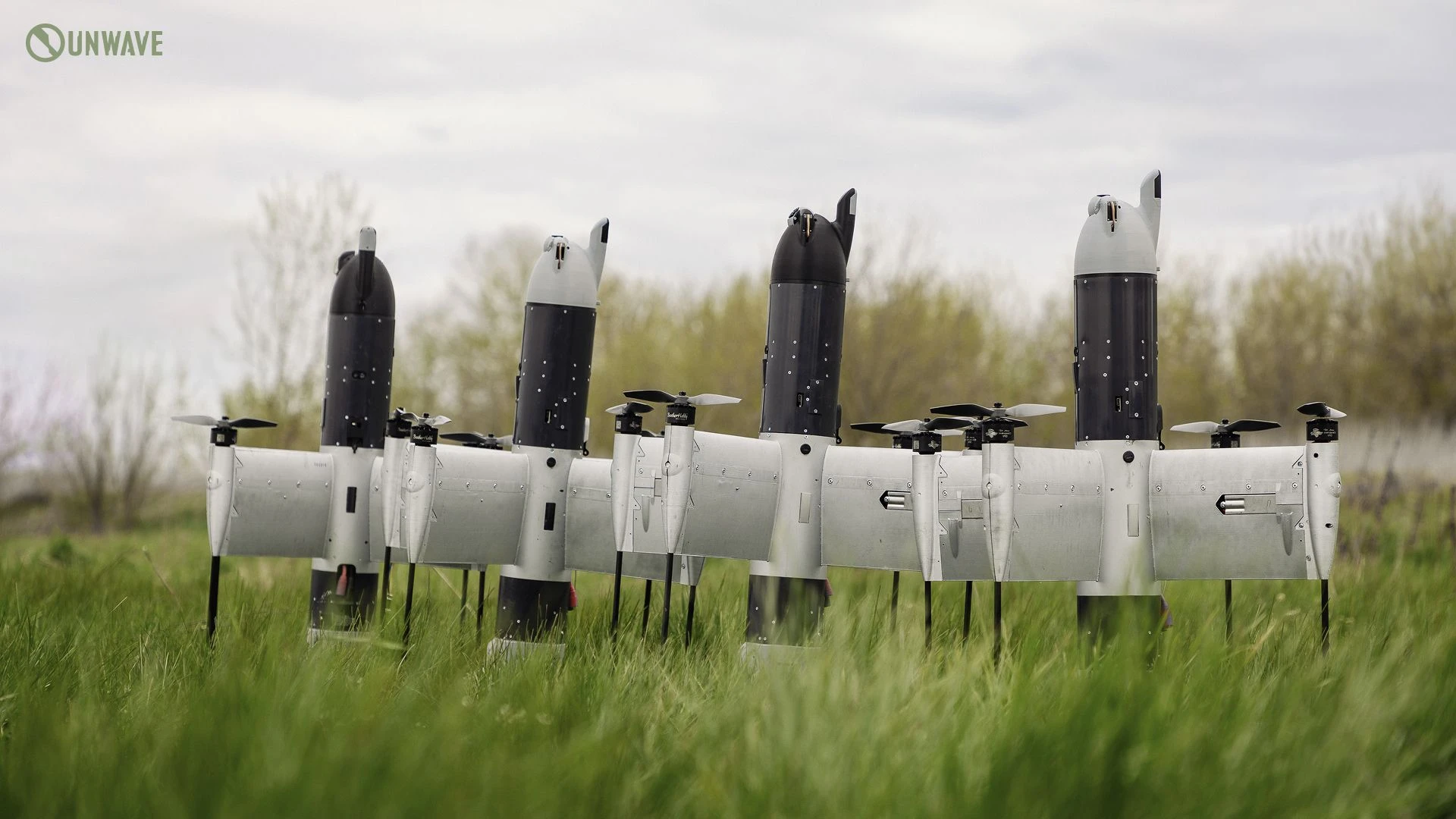
The technologies available for licensing include the Octopus interceptor drone and the Vitryak detector
Ukraine’s Ministry of Defence has allowed domestic manufacturers to license eight defence tech products developed by Ukrainian service members. Companies can now launch their own production using ready-made technical documentation and supply the equipment to the Defence Forces.
To join the programme, manufacturers must submit an application through the Brave1 platform and demonstrate that they meet the requirements of the experimental programme. If the application is approved, the company will sign a licensing agreement with the Ministry of Defence.
Descriptions of all available technologies have already been published in a dedicated section of the Brave1 platform. The technical documentation itself will only be made available after the manufacturer signs a non-disclosure agreement with the developer. After reviewing the documentation, the company must confirm its intention to proceed before signing the final licensing agreement.
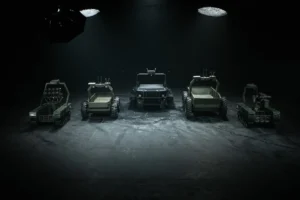
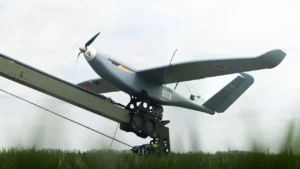
Eight technologies are currently available under the scheme. They include the Octopus interceptor drone, a guided munition, the Vitryak drone detector, as well as communication, control, and machine-guidance systems for UAVs and unmanned ground vehicles.
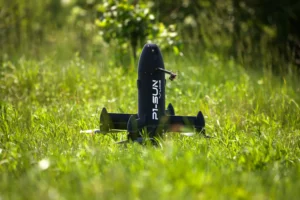
As Defender Media previously reported, the Octopus is an interceptor drone designed to destroy Shahed-type UAVs and other aerial targets. The drone reaches speeds of around 305 km/h, has a tactical operating radius of up to 12.5 km, and an endurance of up to 15 minutes. At least eight companies have already received licences to manufacture the interceptor, including TAF Industries, Unwave, Fly Fish, General Chereshnia, and Bytecor.
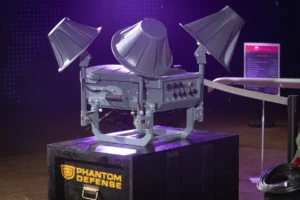
The Vitryak is a short-range electronic intelligence sensor designed to detect multicopter UAVs by their analogue video signal. The device operates across several frequency bands, detects drones at distances of up to 1 km (or up to 500 metres in the presence of obstacles), provides visual and audible alerts, and can transmit the operator’s video feed to an external monitor. It is intended for installation on vehicles and supports integration with electronic warfare systems.
In June, the government approved new rules for managing intellectual property within the Defence Forces and authorised the transfer of state-developed defence technologies into serial production through a transparent licensing system. At least 25% of the revenue generated from paid licences will be allocated to the military personnel who developed the technologies.


By submitting this form, you give Defender Media consent to the processing of personal data.
Надсилаючи цю форму, ви надаєте Defender Media згоду на обробку персональних даних.