October 11, 2026
In the field of cruise missiles and drone missiles, there are more than 10 manufacturers at various stages of development

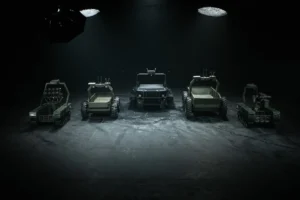
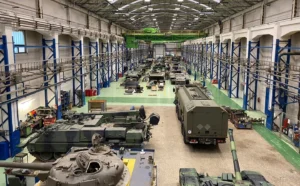
Ukraine is capable of producing $50 billion worth of weaponry this year, yet contracts have been signed for no more than $15 billion, presidential adviser on strategic affairs Oleksandr Kamyshin has said. Discussions on arms exports are ongoing, while domestic manufacturers are, in the meantime, forming joint ventures with Western companies. Defender Media summarises the key points from Kamyshin’s interview with Forbes Ukraine on joint ventures, the opening of exports, and the focus of Ukraine’s defence industry in 2026.
Ukraine’s defence industry has attracted $5 billion under the Danish model, Kamyshin says. This financing mechanism was launched in 2024. Under it, Ukraine draws up a list of projects requiring funding, and the foreign governments finance Ukrainian defence enterprises.
The Danish model has since evolved into Build with Ukraine – a mechanism that involves establishing production lines in partner countries. In this case, production, or part of it, is set up on the territory of an ally, using Ukrainian technological know-how.
More than 10 joint venture agreements between Ukrainian and Western companies have already been signed. The target by the end of the year is a minimum of 10 production facilities operating in European countries.
At present, 100% of the output from these ventures is transferred to Ukraine free of charge. “Perhaps as early as next year, countries will begin retaining a portion of the manufactured products for the needs of their own armed forces,” Kamyshin adds.
There are no export deliveries of defence products as yet. Although, according to Kamyshin, Ukraine has sufficient capacity to export all categories. Export applications are processed by the State Service for Export Control of Ukraine and a dedicated commission comprising representatives of the Security Service of Ukraine, the Defence Intelligence of Ukraine, and the Ministry of Defence. In addition, to obtain full export authorisation, companies must first secure a contract.
“Hypothetically, Poland needs to say: ‘We are no longer buying mortars – we are buying 100,000 FPV drones.’ This breaks its existing procedures. So changing procurement procedures among our Western partners will take a minimum of one year,” the presidential adviser explains.
The export question is currently being coordinated by the Cabinet of Ministers, the National Security and Defence Council, the security services, and manufacturers. Among the issues under discussion is a flat tariff of 10%.
Last year, Ukrainian enterprises were already capable of producing $35 billion worth of weaponry, yet received orders worth $12 billion. In 2026, the defence industry is capable of producing $50 billion worth of weaponry. Contracts signed to date amount to no more than $15 billion.
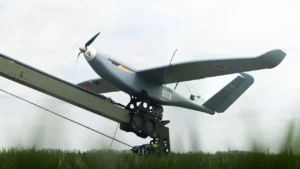
In 2026, Ukraine will be actively developing long-range projects, artificial intelligence applications, and air defence systems. One key objective, in particular, is the creation of drone swarms.
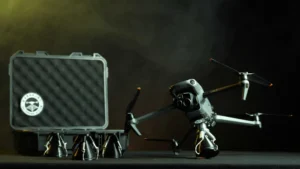
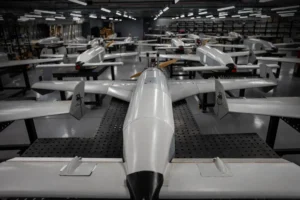
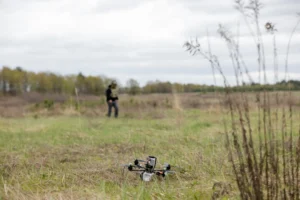
In the field of cruise missiles and drone missiles, there are more than 10 manufacturers at various stages of development. There are also more than 20 interceptor drone manufacturers capable of scaling production. Since December, Ukraine has been producing more interceptor drones than it deploys, Kamyshin states.


By submitting this form, you give Defender Media consent to the processing of personal data.
Надсилаючи цю форму, ви надаєте Defender Media згоду на обробку персональних даних.