October 7, 2026
Founder and CEO of 3DTech, Oleksii Zhulynskyi, shared the company’s plans
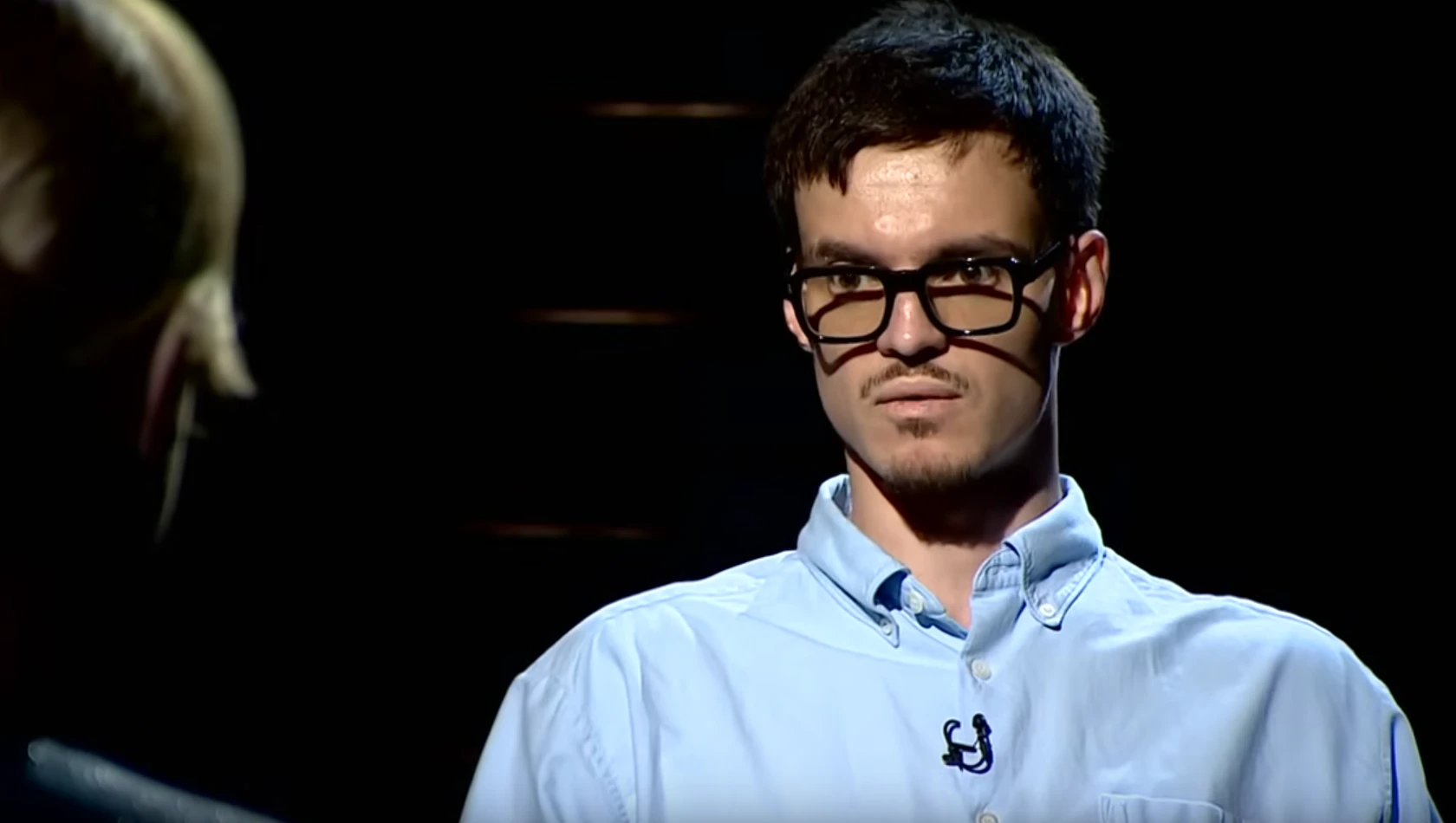
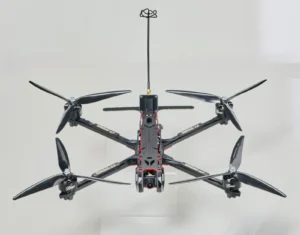
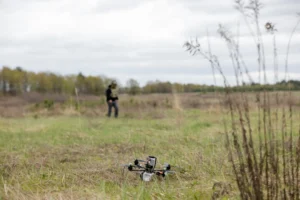
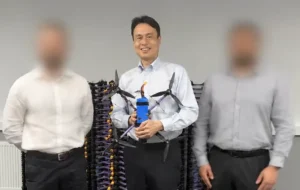
3DTech, known on the market for its fibre-optic drones Khyzhak REBOFF, is developing an unmanned ground vehicle (UGV) and a drone-shooter to take down enemy UAVs. The company’s founder and CEO, Oleksii Zhulinskyi, shared the news in an interview with Podrobytsi.
Zhulinskyi is a veteran of the Russo-Ukrainian war. After being seriously wounded on the Zaporizhzhia front, he returned to civilian life and launched a defence tech venture aimed at supporting the army and saving the lives of fellow soldiers. Today, the fibre-optic drone Khyzhak REBOFF is operating along the entire front line.
“The drone itself weighs 9 kilograms, of which 1.5 kg is the combat unit. The coil weighs up to two kilograms,” Oleksiy says. When coming up with the name for the development, he drew inspiration from the sci-fi saga Alien vs. Predator. The drone has been adapted to new tactics: it can lie in ambush in enemy territory with its engines turned off and be activated at the right moment.
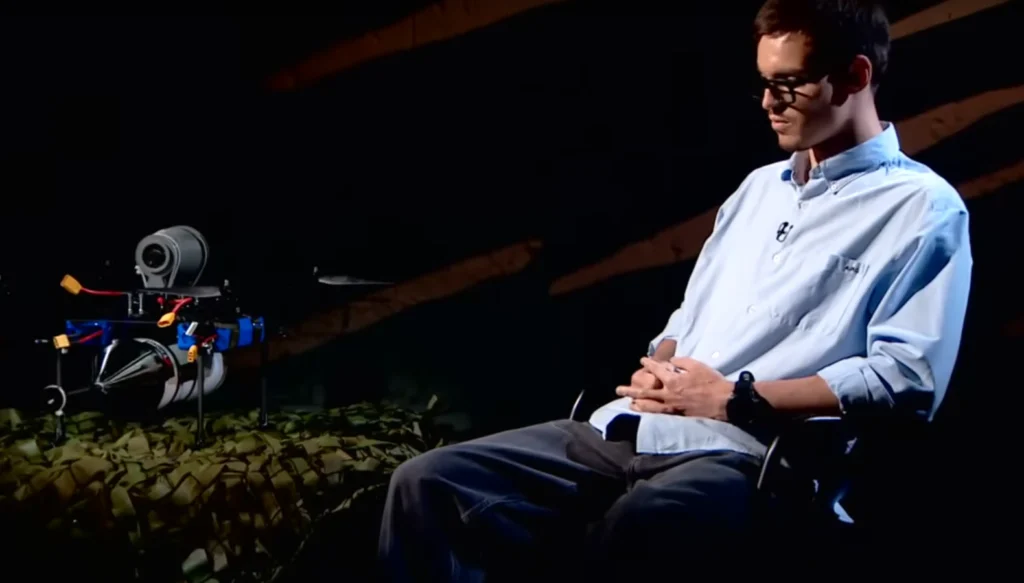
The 3D Tech company is also working on interceptor drones — “shooters” that strike targets using 12-gauge ammunition. “It doesn’t shoot down Shaheds, but it’s effective against FPV drones or Mavics,” Zhulinsky clarifies.
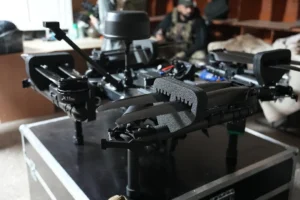
3D Tech is also developing its own UGV. It is being designed as a modular platform capable of performing combat and logistical tasks either autonomously or remotely. “Our UGV has turrets controlled by computer vision and target recognition. We want to make it ‘smart’ — that is, capable of choosing who to engage,” says Zhulinsky.
Although the project is still in development, it is envisioned as part of a “swarm” concept, meaning it will be able to coordinate with other drones or NRCs, potentially receive data from aerial surveillance drones and synchronise with command software.
Despite their innovations, Ukrainian manufacturers face a lack of support. “If I buy Ukrainian components, I have to pay VAT, while imports are exempt. This creates an uneven playing field,” says the CEO of 3D Tech. He stresses that without systematic state support, localising production will be prohibitively expensive.
The company currently produces up to 2,500 drones per month. The products are dispatched to the front without delay. Oleksiy emphasises: “To achieve mass production, you need loans, long-term planning and transparent procurement. There are now attempts to implement this through the DOT-Chain programme — if it is realised as promised, it will be a breakthrough.”

By submitting this form, you give Defender Media consent to the processing of personal data.
Надсилаючи цю форму, ви надаєте Defender Media згоду на обробку персональних даних.