Black Mirror #8. new warhead in “Shaheds”, Belarusian “Juliet”, drones from “Kalashnikov” and other updates in Russian miltech
Review of Innovations of the Russian Military-Industrial Complex, May 19–25
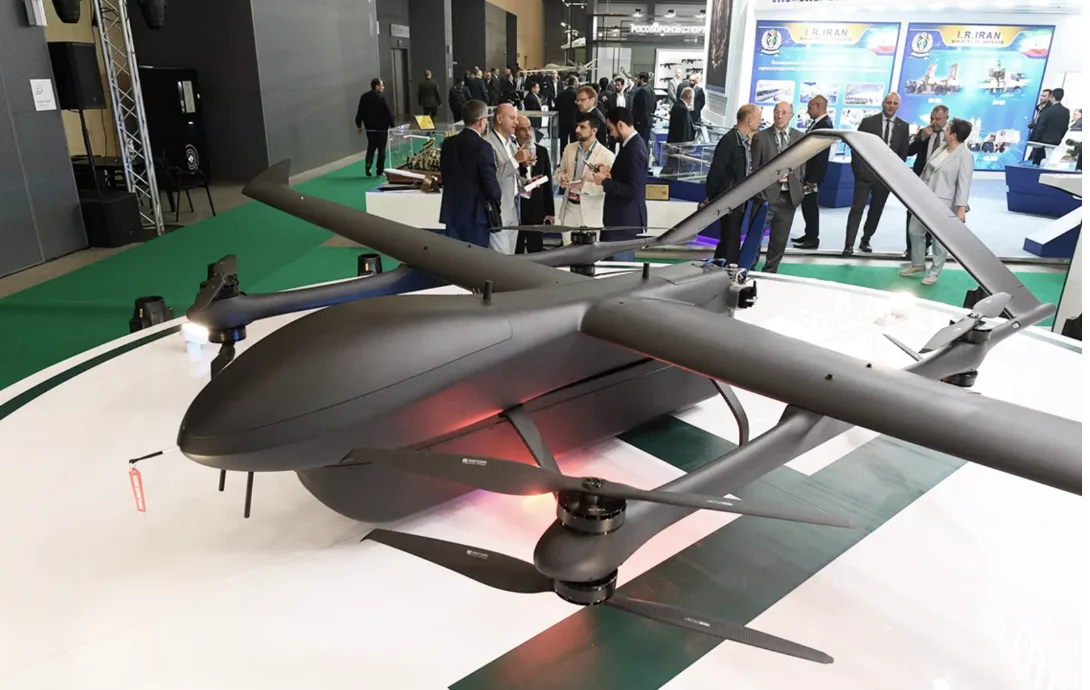
'Juliet'UAV complex / Source: the Internet
This week, Russian and Belarusian forces showcased their latest UAV innovations at several exhibitions, while a new variant of the Shahed with an enhanced warhead appeared in Ukrainian skies. Also featured in Black Mirror #8 are grenade-carrying drones, drone interceptors, and the enemy’s “digital sky” project.
Defender Media publishes this weekly digest of Russian miltech updates to help Ukrainian engineers and military personnel stay ahead of the threats they may soon face.
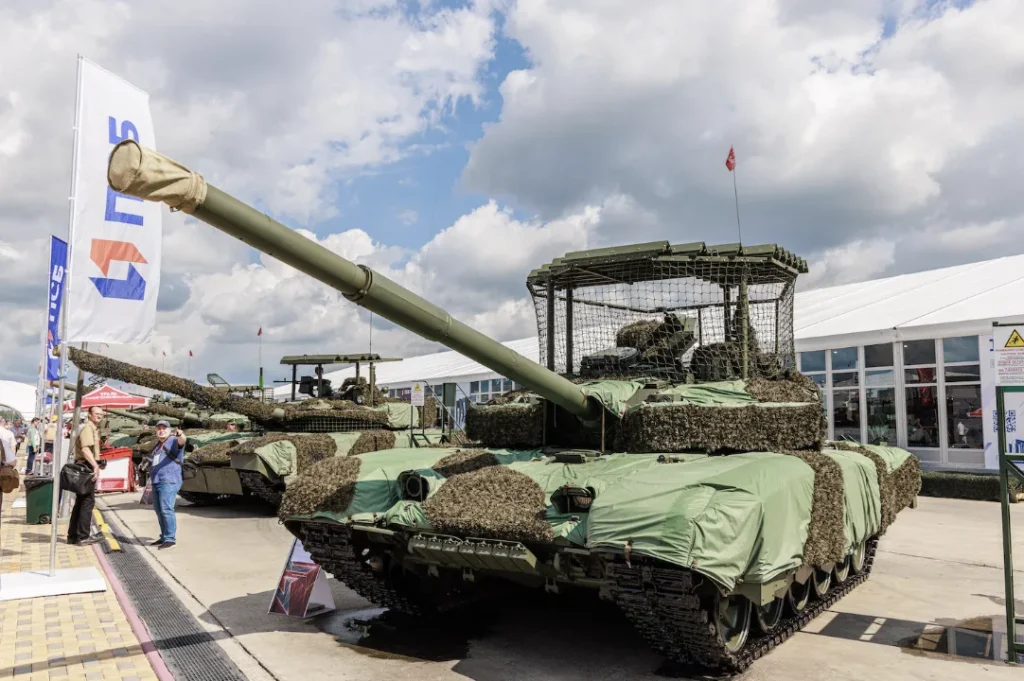
Camouflage equipment “Nakidka” from Rostec
Rostec has begun mass-producing camouflage equipment “Nakidka”, which reduces the visibility of tanks, infantry fighting vehicles, armoured personnel carriers, self-propelled guns and other military equipment in a wide range of wavelengths.
“Nakidka” is made of synthetic material worn on top of the equipment as a cover or coating. The material reduces the level of thermal radiation of the tank several times, so the machine practically merges with the background surface. In the radar range, “Nakidka” significantly reduces the detection range of equipment. In addition, the special material can be made in camouflage colours, further reducing the visibility of military equipment in the visible optical range.
S-76 UAV from UAC
United Aircraft Corporation demonstrated the S-76 transport UAV at the HeliRussia 2025 exhibition, which passed the first stage of flight experiments to test the vertical takeoff, hovering and landing modes.
The device is planned to be produced in two versions:
- the older model will be able to transport 300 kg of cargo over a distance of 1 thousand km;
- the younger one – 50 kg over a distance of 400 km.
According to the manufacturers, such UAVs are cost-effective in delivering goods to hard-to-reach regions.

A plane hunting for UAVs
Photos of an aircraft to counter UAVs based on the Yak-52 training aircraft have appeared on the Russian network.
On the one wing Yak-52B2 interceptor there is a circular radar installed, operating in air-to-air, air-to-ground and weather radar versions, and on the other, a semi-automatic Saiga carbine was placed.
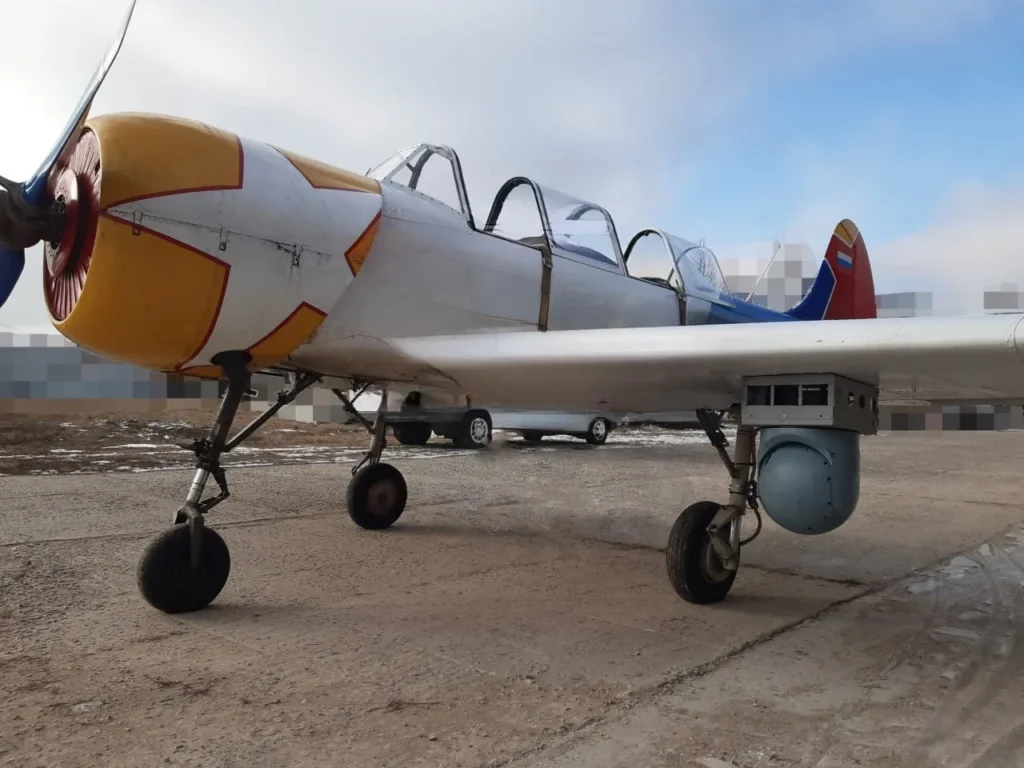
It is assumed that this entire structure will be able to effectively hit aircraft-type UAVs, from the An-196 “Liutiy” to the converted Aeroprakt A-22 drones.
Russian “Golubi” (“Doves”) of war
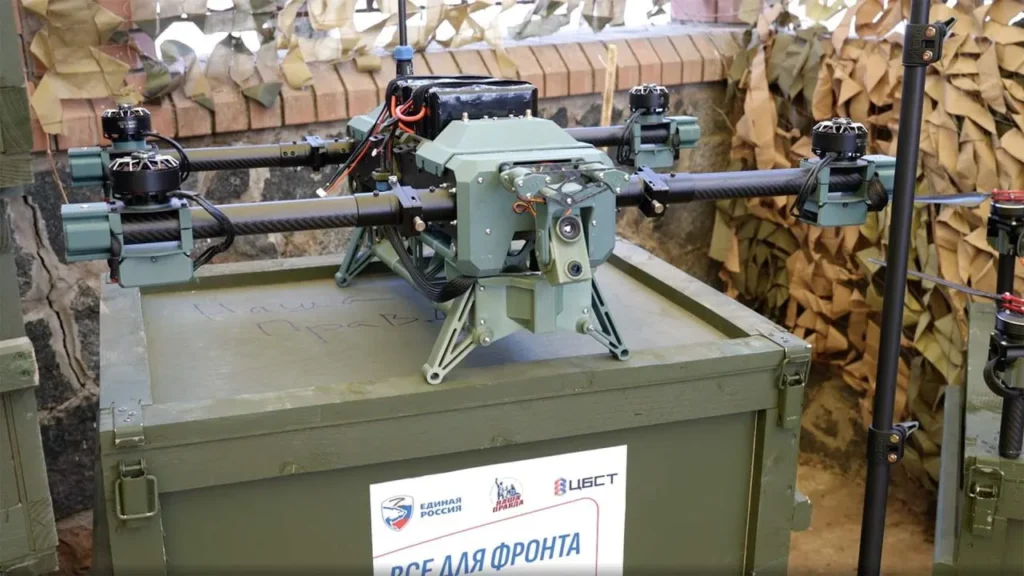
Russia has begun production of “Golub” drones, which are equipped with a revolver ammunition feed system and can carry 12 grenades on board.
- The UAV has a rotating camera, which allows one camera to be used for piloting and dropping;
- Flight range is up to 10 km, flight altitude – is 500 m, flight time – is up to 20 min, flight speed from 40 km/h, and adjustable payload is up to 10 kg.
It is designed for 12 VOGs and is located inside the device, not on an external suspension.
Digitalization of the sky for UAVs
The Russians are preparing a concept of a “digital sky”, which will unite air, space and digital space into a single network, and will also allow synchronizing legislation in the field of UAVs and other technologies. It is being developed by GLONASS and a working group.
The concept is to create a digital model of airspace controlled by artificial intelligence. A standard for data exchange between satellites will be introduced to simplify cooperation between companies and eliminate problems with data exchange.
In addition, the concept should solve flight safety problems, taking into account the growing traffic and risks associated with the development of supercomputers that can threaten existing cryptography algorithms.
“Juliet” from Belarus
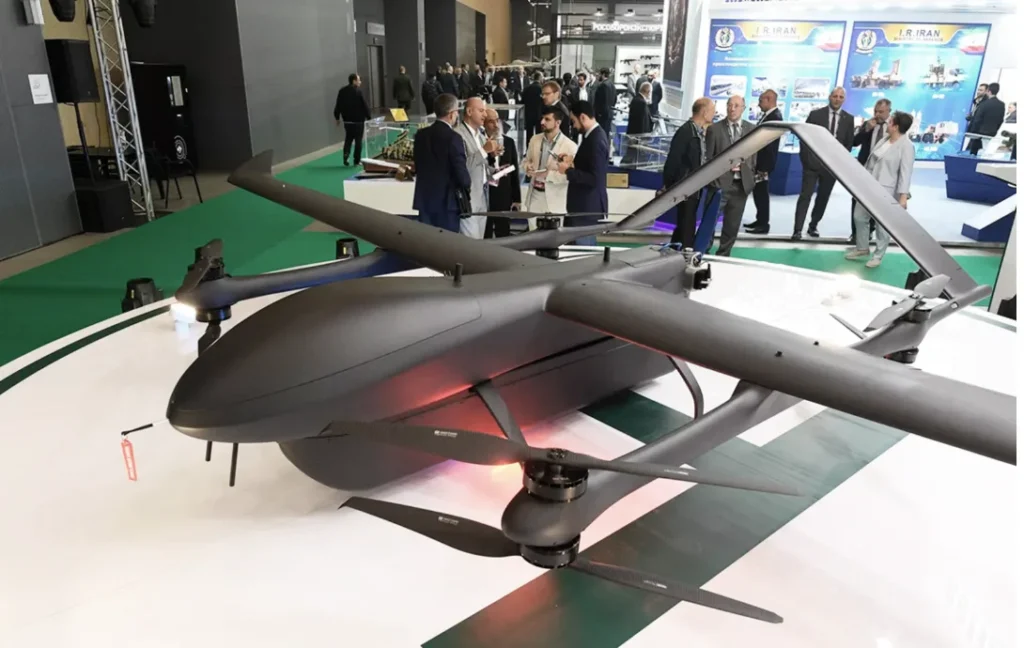
During the MILEX-2025 exhibition in Minsk Russian allies Belarusians presented their new unmanned aerial vehicle complex “Juliet”, designed to search, detect and precisely target. Cruising speed is 120 km / h, maximum altitude – 4.5 km, flight time – up to 10 hours, payload – up to 50 kg.
This is a tiltrotor that can take off and land vertically, and then fly in the mode of an aircraft-type UAV thanks to the propeller located behind. The device can operate at temperatures from -20 to +50 Celsius.
Rostec presented a compact anti-drone radar at the MILEX-2025 exhibition
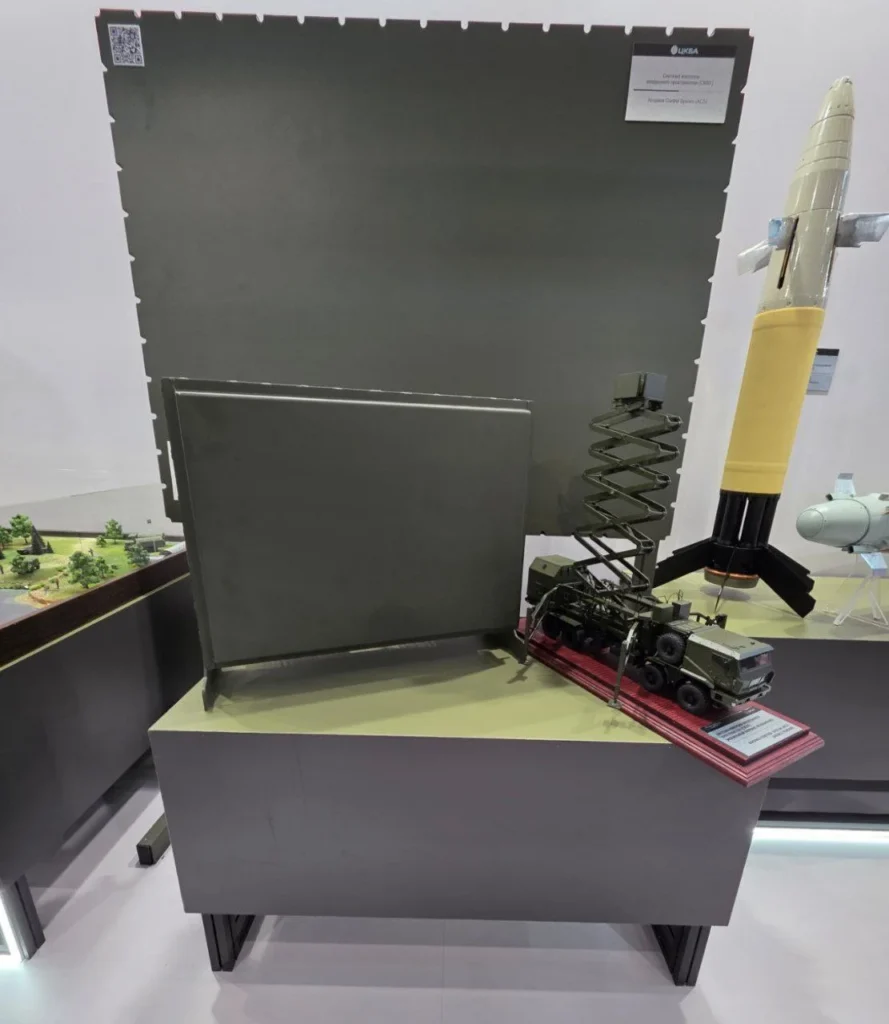
At the aforementioned Belarusian forum in Minsk, the Rostec State Corporation showed a compact radar station for close airspace control. The new radar detects medium-sized UAVs at a distance of 7.5 km and weighs only 45 kg, which allows it to be placed on the facades of buildings or transported by light transport.
The radar has become part of a large-scale airspace control system (ACCS), which combines up to 24 stations. The system is capable of tracking up to 20 targets simultaneously, including copters, aircraft drones and small aircraft, as well as transmitting instructions to air defence and electronic warfare systems in real-time.
Analysts believe that mass implementation of these stations is capable of providing an advantage in the fight for the so-called “lower sky” – the UAV zone.
Unmanned aerial vehicles from Kalashnikov
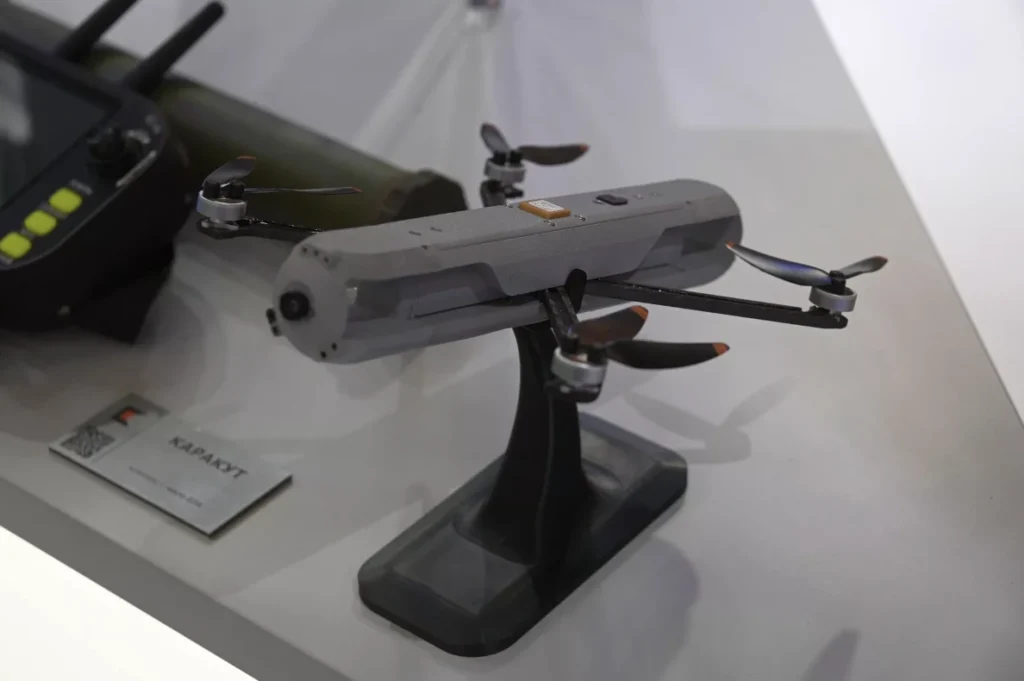
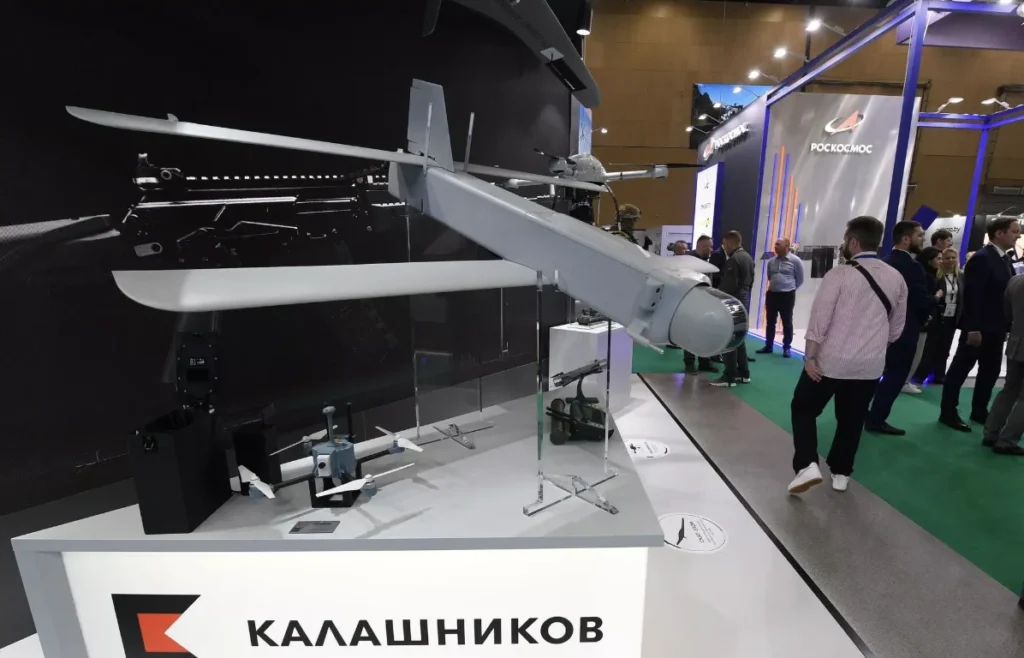
The Russian concern Kalashnikov brought a wide range of its products to Minsk this year. At the stand, “Kub-2E” drones were spotted, which can carry guided ammunition and a small reconnaissance drone “Karakurt”.
New warhead for Shahed-136
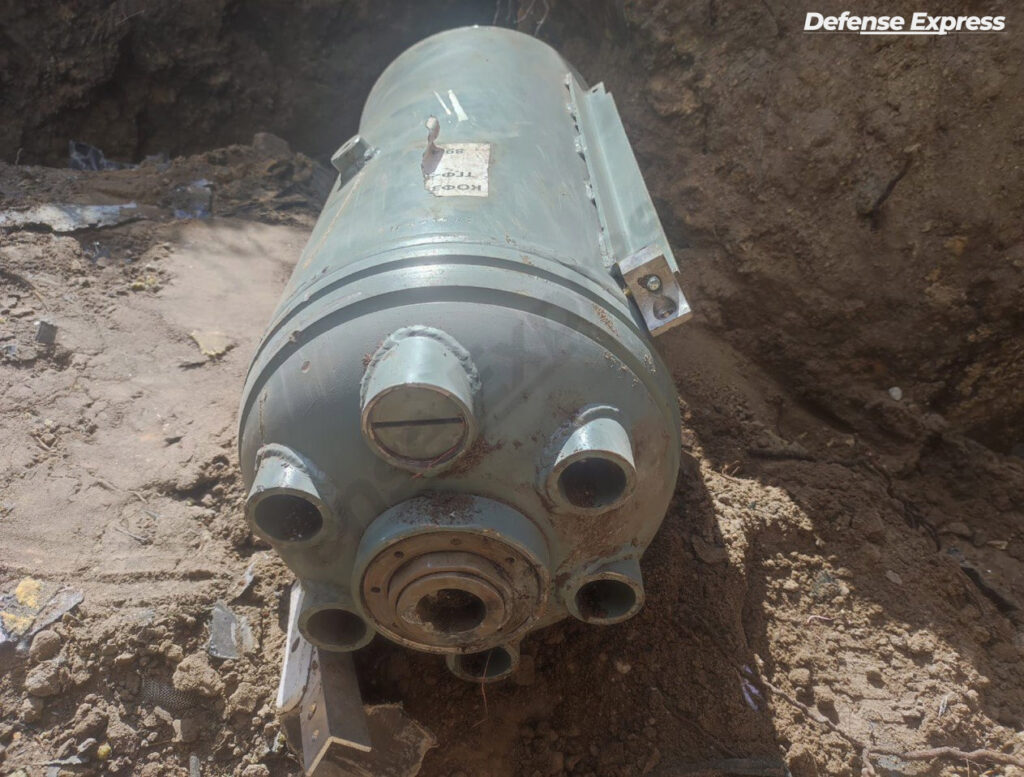
Russian long-range drones of the Shahed-136 type have begun to be equipped with two new types of combined-type warheads, one of which is produced in the Russian Federation, and the other in Iran. Both weigh 90 kg, compared to the standard 50 kg.
The new Russian warhead for Shahed-136 has a combined cumulative, fragmentation, high-explosive and incendiary effect, the Iranian one is slightly simpler. The explosive remained unchanged – TGF-35P2 – TNT and phlegmatized hexogen, as in the 50 kg drone, which did not have a cumulative effect. The incendiary effect is achieved by using a powder mixture of metal hydrides, which give a high combustion temperature of up to 3500 degrees.
Reading now
1
SkyFall officially unveils Thor Hammer mid-strike and announces 1,000+ km version
2

260+ vacancies in Ukrainian defence technology at BlueBird Tech, Sine Engineering, Buntar Aerospace and more
3
British-Ukrainian Occam Industries raises €3.8m. The funds will go towards scaling drone autonomy software
4

Terra Drone acquires 50% of Ukrainian Kurin Technologies for $3.5 million
5

Autonomous interceptor drones need radars to work. Why is there still a lack of them
By submitting this form, you give Defender Media consent to the processing of personal data.
Надсилаючи цю форму, ви надаєте Defender Media згоду на обробку персональних даних.

Latest news
1
Phantom Defense acquires net-launcher developer KARAKURT to integrate its technology into own ecosystem
2

Acoustic sensor developer Zvook raises investment from new Czech fund managed by DEPO Ventures
3

Denmark to hold first-ever Danish Defense Tech Week in four cities: what to expect
4
Forbes: Airlogix plans to raise $100m at a $2bn valuation
5