September 28, 2026
The bonds can be purchased through the Inzhur MilTech fund, with a yield rate of 25% per annum in the first year
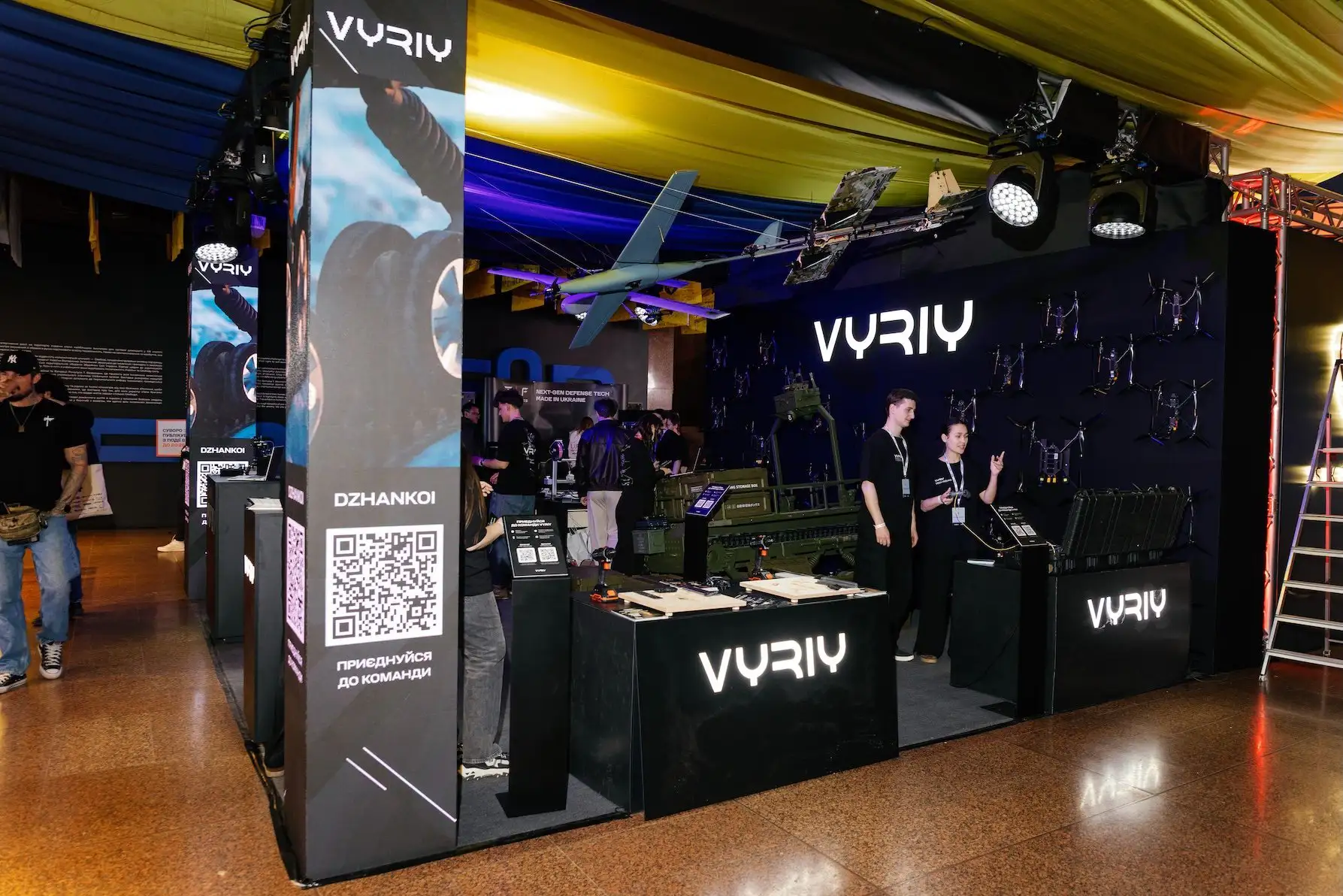
In early August, the National Securities and Stock Market Commission registered the issue of Vyriy Industries’ registered corporate bonds. The manufacturer will become the first Ukrainian defence tech company to raise money in this way.
According to Vyriy Industries CEO Oleksiy Babenko, the company plans to raise UAH 2bn–4bn. Experts say that in this way Vyriy is trying to quickly raise the working capital needed for scaling up and R&D.
Interested investors will be able to purchase the bonds through the newly created Inzhur MilTech fund starting from 13 August. Defender Media examined how this will work and why Vyriy chose this financial instrument over others.
Corporate bonds are a standard instrument for raising funds worldwide, explains Roman Sulzhyk, co-founder of the Resist.UA fund. They work on the same principle as other securities – the buyer invests money and receives interest over the year.
In Ukraine, corporate bonds have already been issued by companies from other industries: NovaPay, Novus, EVA. Their face value is usually UAH 1,000, while the maturity term and yield rate vary by issuer (the company that issues the bonds).
Vyriy Industries has become the first company in the defence tech sector to issue corporate bonds. Oles Khudoba, co-founder of Double Tap Investments, explains that issuing bonds also involves costs, so it is not advantageous for companies with small revenues. At the same time, similar ideas have occurred to major manufacturers before.
Vyriy Industries bonds will be available for purchase through the Inzhur MilTech fund, which the company Inzhur registered in June 2026. The investor will not purchase the bonds directly – they will receive fund certificates, and Inzhur MilTech will convert the raised funds into Vyriy Industries corporate bonds.
Sales start on 13 August 2026. Certificates can be purchased until 31 December 2026 inclusive. The bond maturity date is 26 July 2029.
The minimum investment in the fund is UAH 1,000, while the projected average annual yield over three years is 25–29% per annum in UAH. The fund states that this will be achieved by reinvesting coupon income from the bonds, which it receives every 35 days.
In the first year, the bond yield rate is 25% per annum. However, after the first and second years, Vyriy may redeem the bonds early or reduce the yield rate to 22% per annum for the following year.
It will also be possible to exit the investment before 2029. However, in that case, the difference between the purchase and sale prices of the fund’s certificates will be taxed at 23%. If the fund’s closure is pending, the income will be paid out as dividends, which are taxed at 14% (9% personal income tax + 5% military levy).
In total, Inzhur MilTech will issue 5 million certificates worth UAH 5bn. In the first stage, the fund plans to purchase UAH 2bn worth of Vyriy Industries bonds.
‘So far, we plan to raise UAH 2bn. If we understand that more money is needed, the amount will grow to UAH 4bn, while UAH 1bn is essentially technical’, the manufacturer’s CEO Oleksii Babenko is quoted by Forbes. This billion will be kept in reserve for reinvesting coupon payments.

For the issuer, this is an opportunity to quickly obtain money for working capital, explains Roman Sulzhyk.
According to Anatoliy Khrapchynskyi, director of development at Contra-Drone, private companies are resource-constrained, so they must secure funding for development before they can sell the finished product.
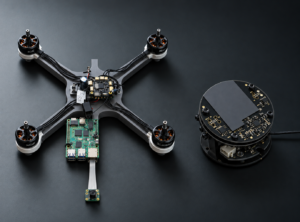
Vyriy Industries manufactures drones, including strike FPV drones of the copter type, the Blyskavka fixed-wing kamikaze drone and the Sokil reconnaissance UAV. The company has also invested in developing the Zirka interceptor drone, created by the NOCTIS team.
Khrapchynskyi considers the sale of securities to be a path that most defence tech companies should pursue. According to him, this will allow raising money for development even in the absence of major foreign investment and bank constraints.
The advantage of bonds over bank loans is the absence of collateral, explains Sulzhyk. According to Oles Khudoba, money from bonds can also be used more freely and directed wherever the company needs it. Oleksii Babenko, in an interview with Militarnyi, also explained that they had already used bank loans, whereas raising venture capital takes time and imposes constraints on operational work.
Khrapchynskyi also adds that not all banks issue loans for the defence sector due to security risks. ‘And Western investors are not rushing to enter Ukraine due to the absence of state guarantees of protection. Also, most investments involve obtaining IP, and its transfer is prohibited here’, the expert says.
At the same time, when selling bonds, the company must be confident it can pay interest to buyers.
‘The market is competitive and not yet consolidated. So there are risks that someone else could take your niche, or your products could become irrelevant’, warns Sulzhyk. This could lead to the loss of state orders and, as a result, problems with paying interest on the bonds.
A halt in the war could similarly lead to the loss of state orders. This is where the risk for the bond buyer arises. After all, in this case, it is the issuer that guarantees the interest payment. However, if it goes bankrupt, investors will lose their money.


By submitting this form, you give Defender Media consent to the processing of personal data.
Надсилаючи цю форму, ви надаєте Defender Media згоду на обробку персональних даних.