Yaroslav Sherstiuk has been building military software for over a decade – so why can’t he raise money?
A brutally honest monologue from a tactical app developer
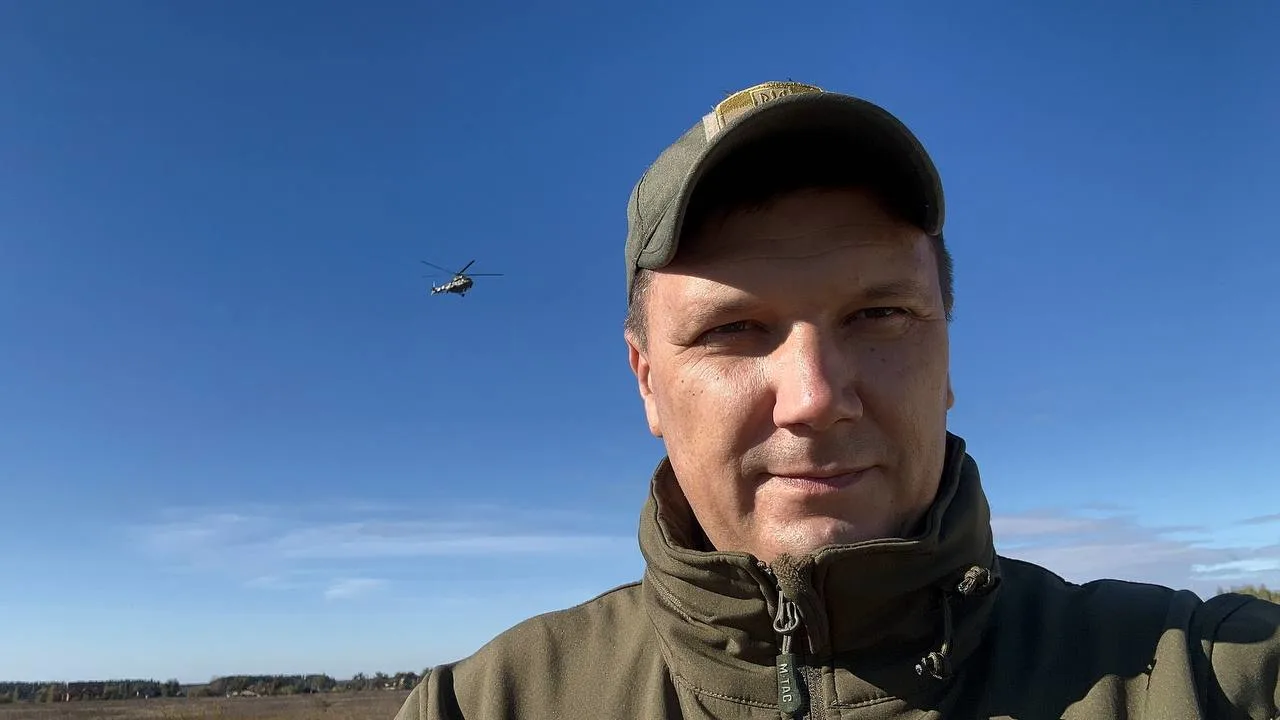
Image source: Yaroslav Sherstiuk
In Ukraine’s defence tech community, Yaroslav Sherstiuk is both respected and polarizing. “He’s building useful things, but God, he’s exhausting,” an official with Ukraine’s Ministry of Defence told Defender. Over the past decade, Sherstiuk has created a suite of digital tools for the military: the artillery app Ukrop, the military messenger MilChat, the mapping system TacticMap, and several others—many of which have become popular among Ukrainian soldiers. And he’s done it mostly on his own.
Defender spoke with Sherstiuk about why building software in Ukraine’s defence sector is much harder than building hardware, and how much funding it would take to bring his tools to the next level.
Code. Army. Code
I’m a former military officer — an artilleryman. Since 2007, I’ve been developing software for the military. My first app was for a button phone.
For me, the war started in 2014. I left the army in 2019. I fought near Donetsk, and when I left, the Ministry of Defence didn’t even give me a certificate of appreciation.
After my discharge, I returned to mobile development with an idea to create a full automation system for artillery. I brought the concept to Noosphere company. I put together a team, and we built ArtOS — a fire-control system for artillery, mortars, and MLRS. We showcased it at several big expos. There was serious interest from abroad — a potential client was ready to buy — but in the end, the deal didn’t go through.
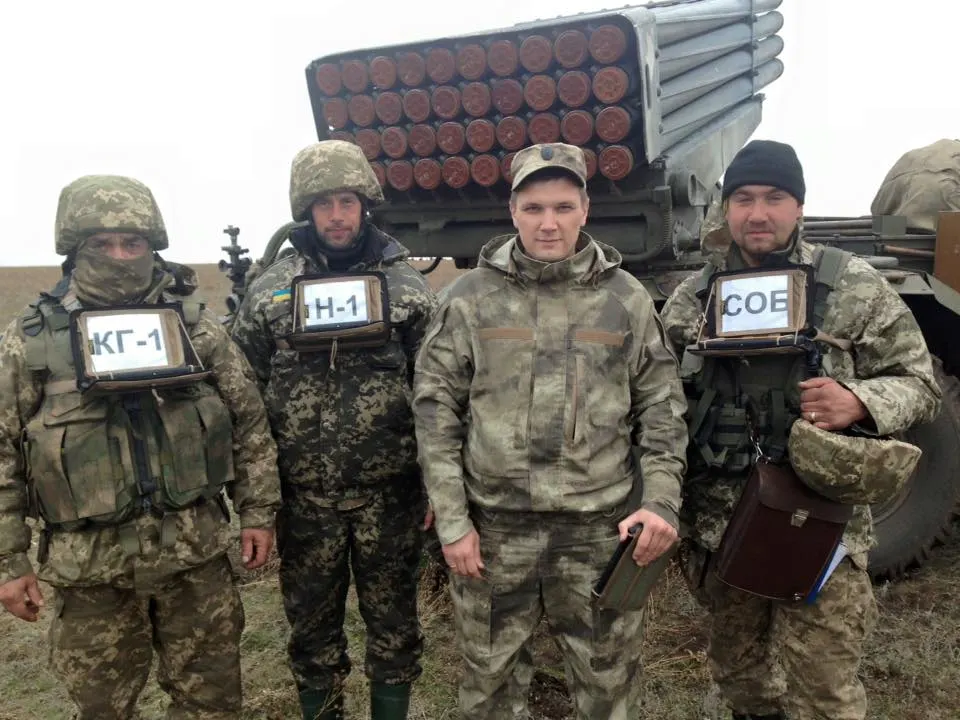
Later, I kicked off a new project: MilChat. Originally, we built it to understand how data was transmitted inside ArtOS. But it quickly took off as a standalone military messenger. This was back in 2016 — Signal and WhatsApp weren’t common yet, and Viber and Telegram hadn’t really gained traction.
MilChat grew fast. At its peak, it was gaining around a thousand users per day. We hit 200,000 users total. The app had real functionality — imagine Google Maps combined with WhatsApp. By 2022, users had created over two million map objects and sent a similar number of messages — all within six months.
Eventually, Noosphere shut down ArtOS and let the team go. I left too, though I kept 50% of the rights to MilChat. The app received a few updates after 2022 but essentially stopped evolving. I tried to bring in investors, but I couldn’t reach an agreement with Noosphere.
What I’m working on now
After that, I built TacticMap — fully on my own this time. I took inspiration from Apple Maps: clean, simple, intuitive. The difference with TacticMap is that you can add custom layers — enemy markers, friendly positions, training zones, mined areas… It’s like Apple or Google Maps, but tailored for military use.
The development went smoothly. The iOS version took two months, Android three. Some projects drag on forever — problems with the team, design, communication. But TacticMap came together fast. We now have versions for both mobile platforms and a backend for syncing data.
At one point, Apple flagged TacticMap as a military app and blocked it on the App Store. I escalated it all the way up — and got it unblocked.
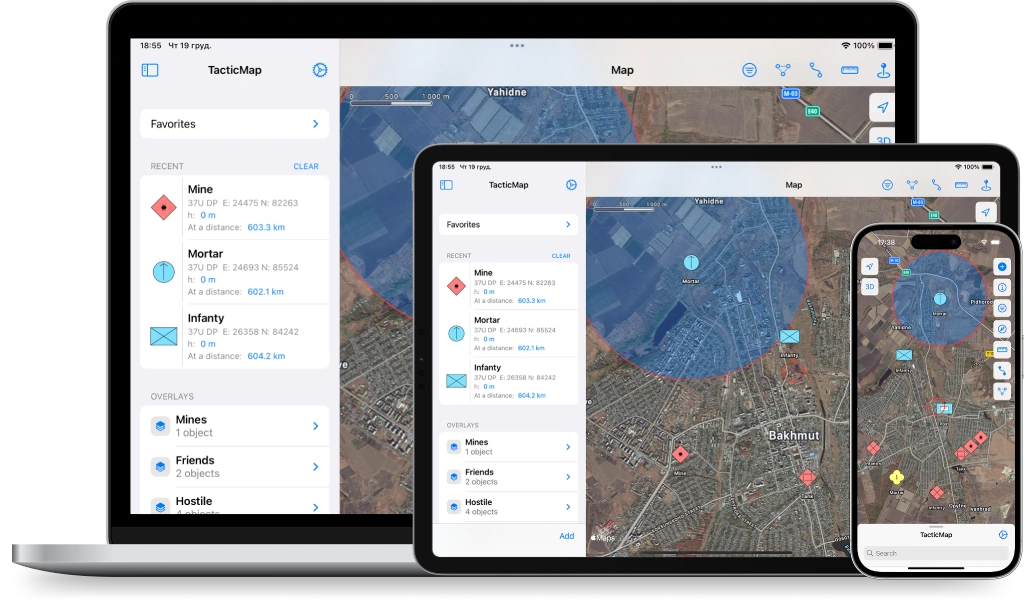
We have thousands of users now. There’s a subscription model for the iOS version — monthly, six months, or a year — but subscriptions are few and far between. The app is stuck in a loop: it’s not making money, so I can’t invest in growth; and I can’t grow it because there’s no money. Right now, we’re getting 20 to 40 new users daily.
I also have other working apps, especially for artillery. On Android, there’s Ukrop — it’s been around for 11 years and has tens of thousands of users. The iOS version had to be renamed to MyGun because Apple deemed “Ukrop” to be a derogatory slur.
At various times, my apps ranked in the top five in their categories. That includes another Android tool called “Topic.”
Why military software is so hard to build in Ukraine
There’s no clear mechanism for selling military software to the Ukrainian state. There’s basically a monopoly: one system — Delta — and no one else is allowed in.
Meanwhile, there are dozens or even hundreds of private companies building drones and other hardware. In software, this simply doesn’t exist. Delta has become a national project, and private companies are locked out.
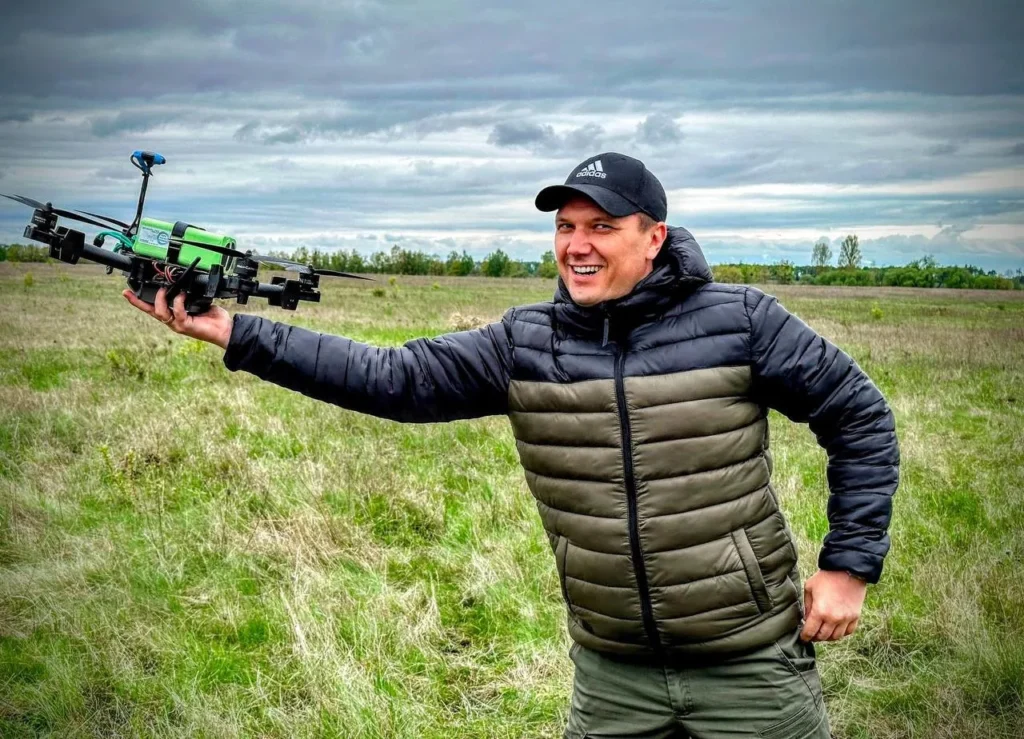
So developers like me are forced to shift focus — toward civilian use, the emergency services, or even foreign markets. TacticMap has users in Saudi Arabia, Poland, Germany, and the U.S.
Without a real market, it’s impossible to build strong teams or pay decent salaries. I’ve built all my apps almost entirely solo. Occasionally volunteers join, since everyone wants to support the army — but that interest fades after a month or two. People get busy at work and move on. I can’t afford to pay them competitive wages.
And soldiers themselves aren’t willing to spend money on software. If they have to choose between a subscription or coffee and cigarettes — they’ll take the coffee. So the only realistic way forward is to work through the government.
Why I can’t raise investment
Investors want to put in one dollar and take out three. But with military software in Ukraine, that’s nearly impossible — not with the current monopoly. Sure, foreign markets exist, and they respect our combat experience. But you have to know how to work with foreign clients.
I don’t have the time or energy for networking. I’m buried in the operational mess. I believe I can build a great product — but I don’t know how to sell it.
I keep asking the Ministry of Defence: when will you start buying software from private companies? They always say, “Yarik, we’ve known you for ten years, we use your software — we’re working on it.” Recently they passed Resolution 234, which supposedly regulates this. Whether it works — and how quickly — is still a big question.
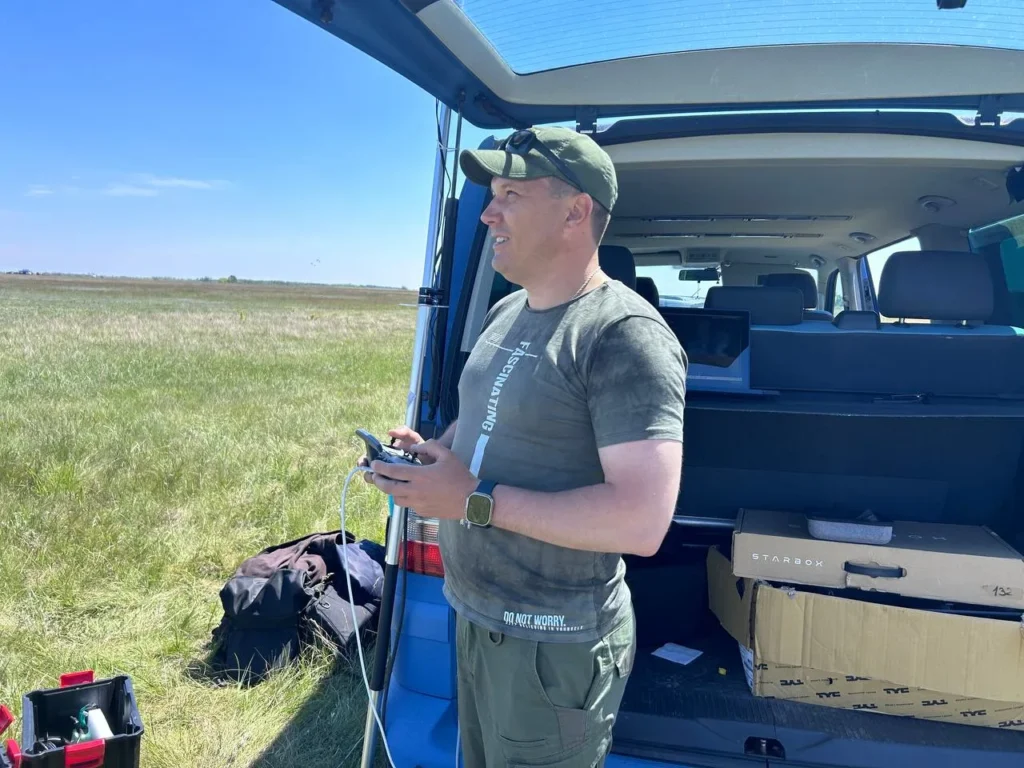
I’m also skeptical of accelerators. They take a stake in your company, but it’s unclear what they actually give in return. I probably have more direct contacts in the military than they do. And in terms of development — I doubt they can teach me anything new.
I know I need to grow on the business side. Either that, or I find a partner with a business mindset. I’m open to giving up equity if someone can truly help take this to the next level and turn it into a real, profitable company.Right now I’m also working at a startup called Swarmer — they’re building a solid product for managing drone swarms. But my heart’s still with my own projects.
What’s Next
I’d love to build a company that creates military software and helps kill Russians. The UkropSoft brand has existed for ten years — now it’s time to turn it into a real business.
But for now, I want to focus on TacticMap. It’s a solid product and I believe in its potential.
I’m not asking for a million-dollar investment. I think $10,000 per month would be enough to hire a team and start building real momentum. I don’t want seniors — in my experience, they talk more than they code. Juniors and mids would be perfect. Two Android devs, two iOS devs, one QA, one designer. Plus money for marketing and a salary for myself — just enough so I can finally focus full-time on building the product.
Got a proposal for Yaroslav? Let’s turn it into content. Reach out to us at team@thedefender.media.
Reading now
1
260+ vacancies in Ukrainian defence technology at BlueBird Tech, Sine Engineering, Buntar Aerospace and more
2
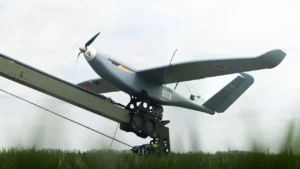
Forbes: Airlogix plans to raise $100m at a $2bn valuation
3
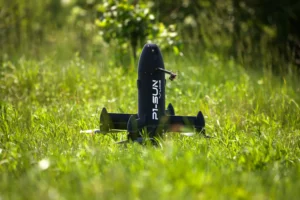
Japan signs contract with Ukrainian company SkyFall to procure interceptor drones
4
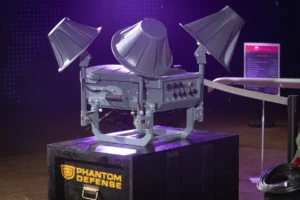
Phantom Defense provided EW systems for UAV tests under Drone Dominance
5

A new Ukrainian fund, WildField Ventures, plans to invest $10-15 million in 20 dual-use startups. What areas is it interested in
By submitting this form, you give Defender Media consent to the processing of personal data.
Надсилаючи цю форму, ви надаєте Defender Media згоду на обробку персональних даних.

Latest news
1
Dorozvidka #82: the Starshield furore and deferrals for defence industry staff, plus Lasar’s Group on operations Ashan and Art-Ashan
2
ComBat Vision battlefield reconnaissance and coordination system to receive artillery training plugin
3
A year after the announcement of Ukrainian arms exports, special mechanism still not operational — Ihor Fedirko
4
Lastivka strike drones on Brave1 Market: what can they do
5