September 23, 2026
The project’s stated goal is to save 1,000 servicemen’s lives using UGVs
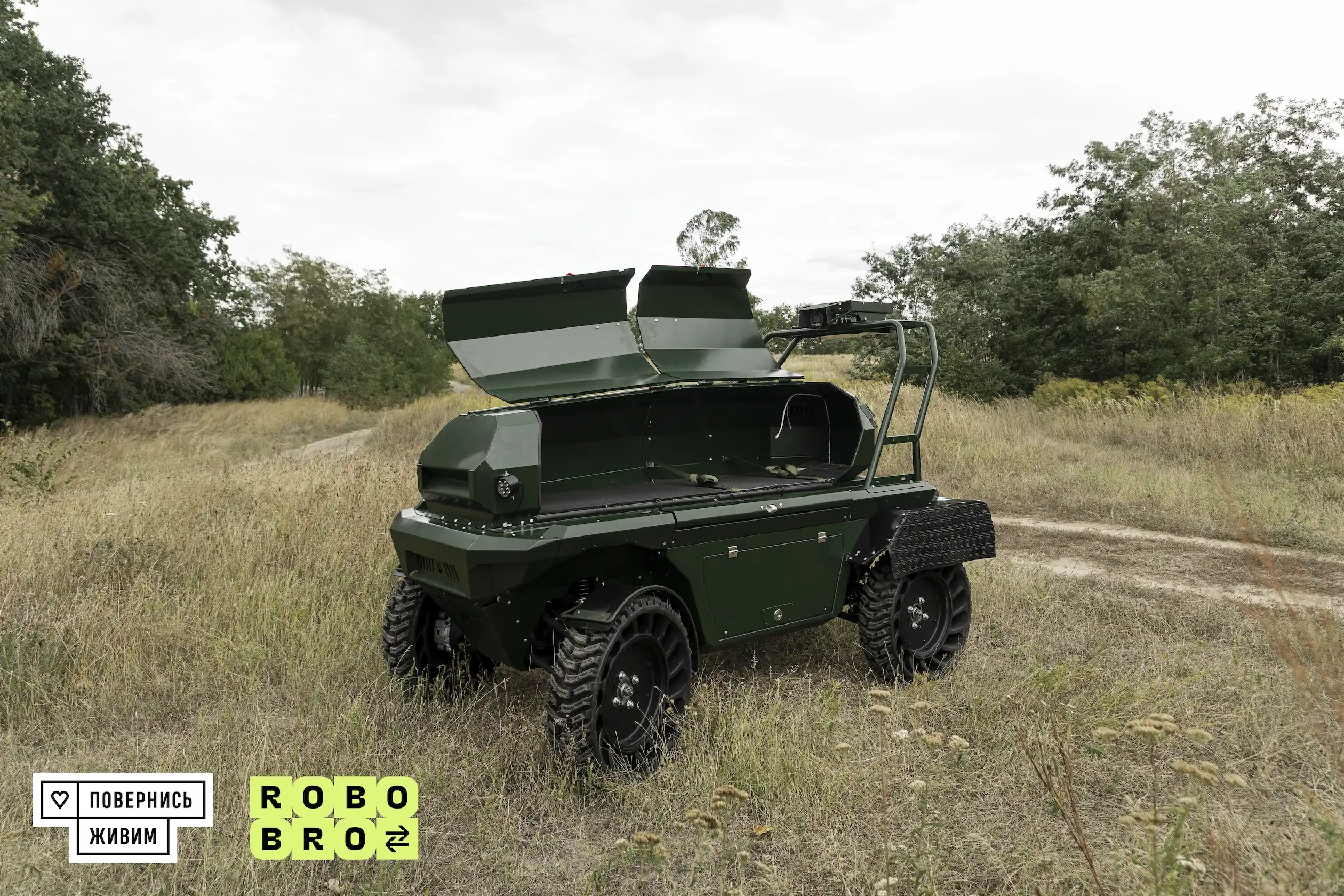
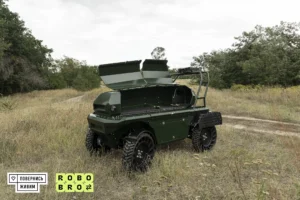
The Come Back Alive Foundation has launched the RoboBro project. It aims to scale up the use of unmanned ground vehicles for logistics and evacuations. The foundation will procure not only drones but also control and communication systems, EW equipment, command post equipment and more.
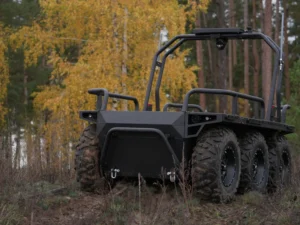
The project’s stated goal is to save 1,000 servicemen’s lives using UGVs. To this end, Come Back Alive plans to hand over Ukrainian-made UGVs to the Armed Forces, including MAUL, Targan 200, Volya-E and Simba. The cost of a single unit ranges from UAH 400,000 to over UAH 1m.
‘For a UGV to carry out its missions on the front line, the robotic complex alone is not enough,’ the foundation writes. The project therefore also plans to provide units with all the necessary infrastructure.
At the start, 7 units will join the project: the 1st Separate Medical Battalion, 92nd Separate Assault Brigade, 93rd Separate Mechanised Brigade, 95th Separate Air Assault Brigade, 110th Separate Mechanised Brigade, the Active Operations Department of the Defence Intelligence of Ukraine, and the 125th Separate Marine Brigade. Over time, the list is planned to be expanded.
‘We have moved human work to the second stage of evacuation. The first stage is the work of the UGV: driving onto the line of contact and pulling out the wounded. This is how we reduce the risk to the driver, medic and paramedic. It also preserves the life of the wounded person, who would otherwise have had to be carried out by people,’ says ‘Miller’, MAUL drone operator of the 1st Separate Medical Battalion, arguing for the importance of UGVs.
The use of UGVs at the front has been growing since the start of 2026. While the military carried out 7,511 missions with them in January, this number had risen to 25,143 operations by August.
At the end of summer, the Defence Procurement Agency announced its first-ever tender for ground drones based on tactical and technical specifications defined by the Ministry of Defence of Ukraine.
The tender covers the supply of two types of UGVs: logistics vehicles for delivering cargo and evacuating the wounded, and kamikaze strike vehicles.


By submitting this form, you give Defender Media consent to the processing of personal data.
Надсилаючи цю форму, ви надаєте Defender Media згоду на обробку персональних даних.