Black Mirror #76: new drone lineup from Ushkuynik, the specifications of Dan-T and other new developments in Russian miltech
Review of new developments in Russia’s military-industrial complex for the second week of September
Last week, the Russians reported on the Krechet and Malysh interceptor drones, showed the Zhivoder fibre-optic strike drone and presented the ZhNETS and Paseka anti-drone systems. Military observers also noted Rosoboronexport’s participation in the El Alamein International Airshow 2026, where it presented the updated Dan-T and anti-drone systems. Read about these and other new developments in the Russian military-industrial complex in Defender Media’s weekly Black Mirror review.
Digital video transmission is being used on Russian Molniya drones
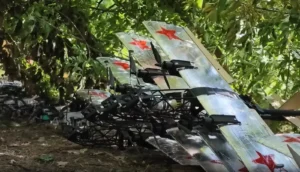
Russian Molniya strike drones are increasingly using a digital video transmission system, notes presidential adviser Serhii “Flash” Beskrestnov.
According to the expert, digital video may replace analogue video fairly soon, primarily on fixed-wing drones. In this case, portable detectors and stationary analogue video reception points will not be able to detect the corresponding signals.
Beskrestnov calls on Ukrainian manufacturers to add digital video detection capabilities to interception systems. Such a system would not make it possible to obtain the actual image, but it could detect the presence of a digital video signal and determine its bearing.
Jet-powered Shaheds use satellite and inertial navigation
Some of the jet-powered Shaheds attacking Kyiv use satellite and inertial navigation rather than online control, Serhii Beskrestnov said. According to him, several weeks ago the inertial navigation system on Shahed-type strike drones was upgraded to reduce the impact of electronic warfare.
The Banderol and Dan-T cruise missiles also lack an online control system and use satellite and inertial navigation.
According to the report, most strike drones currently have 16-element antennas, but the installation of 20-element antennas is expected in the near future, while in 2027 the manufacturer of CRPA antennas intends to switch to producing antennas with 24 elements.
Electronic warfare is cited as one option for countering these missiles.
Rostec presented air defence, electronic warfare and missile weapons at an airshow in Egypt
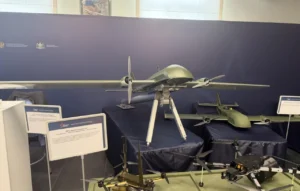
The Russian state corporation Rostec presented air defence systems, electronic warfare equipment, missile weapons and reconnaissance systems at the El Alamein International Airshow 2026.
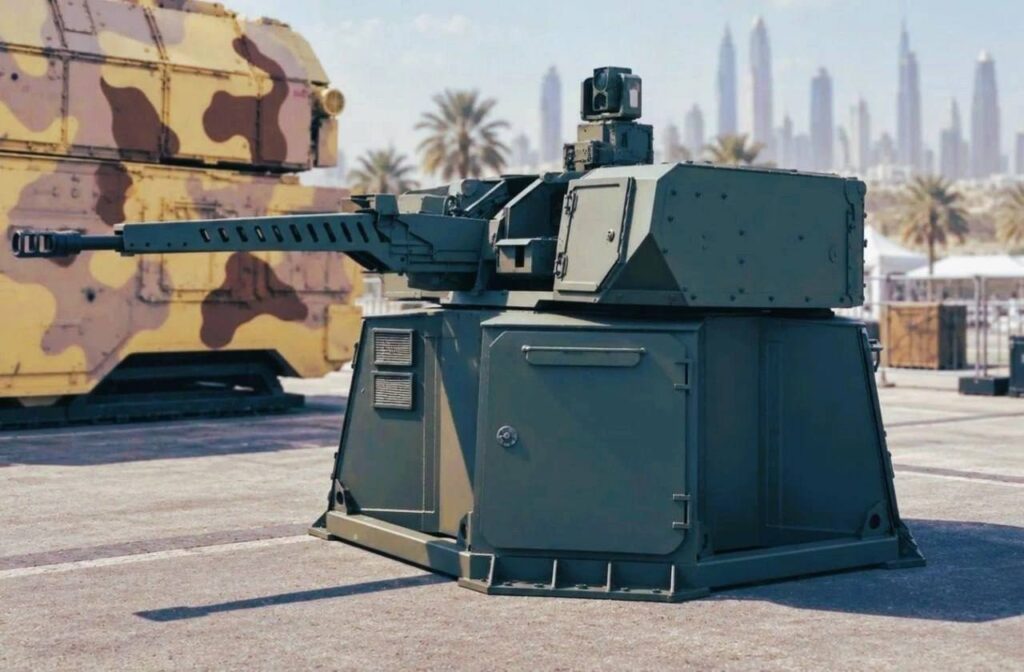
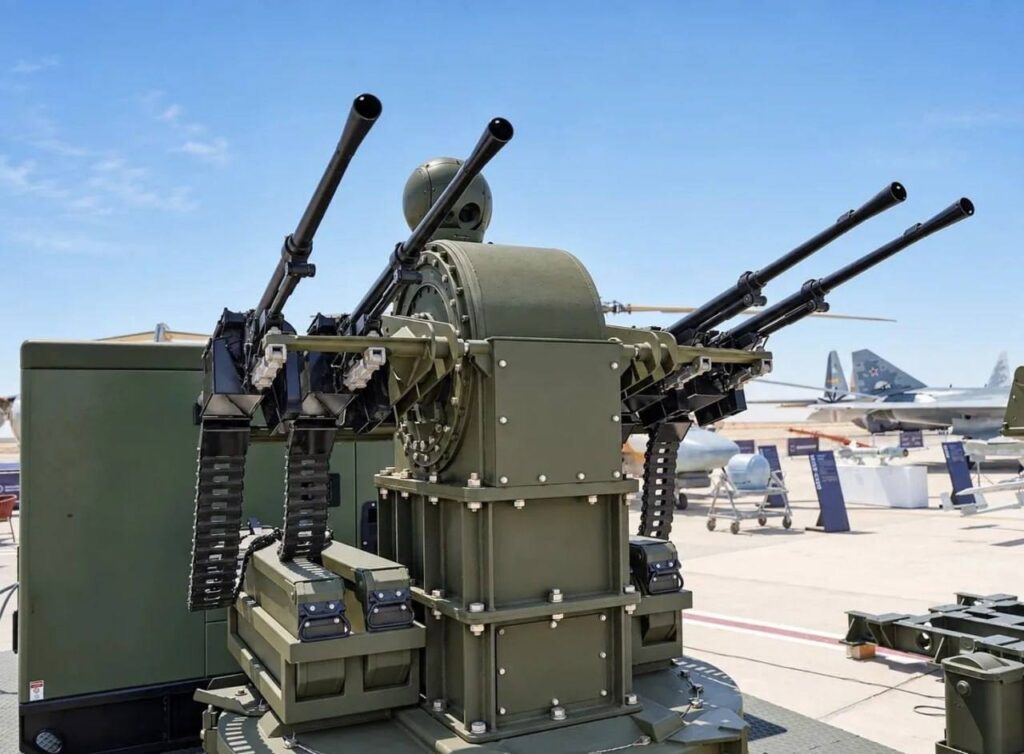
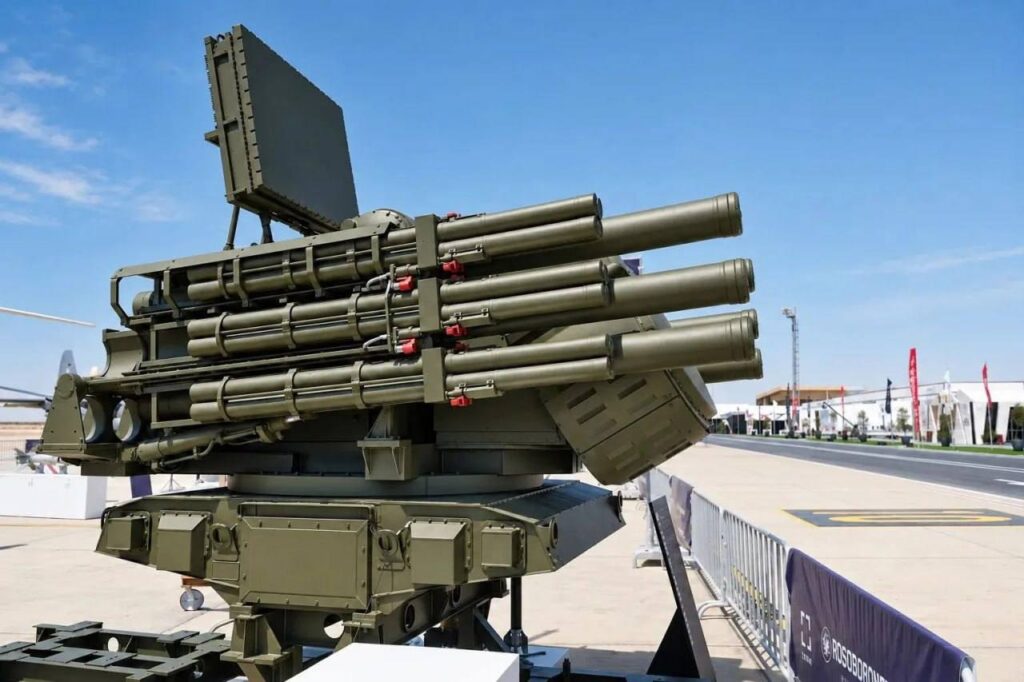
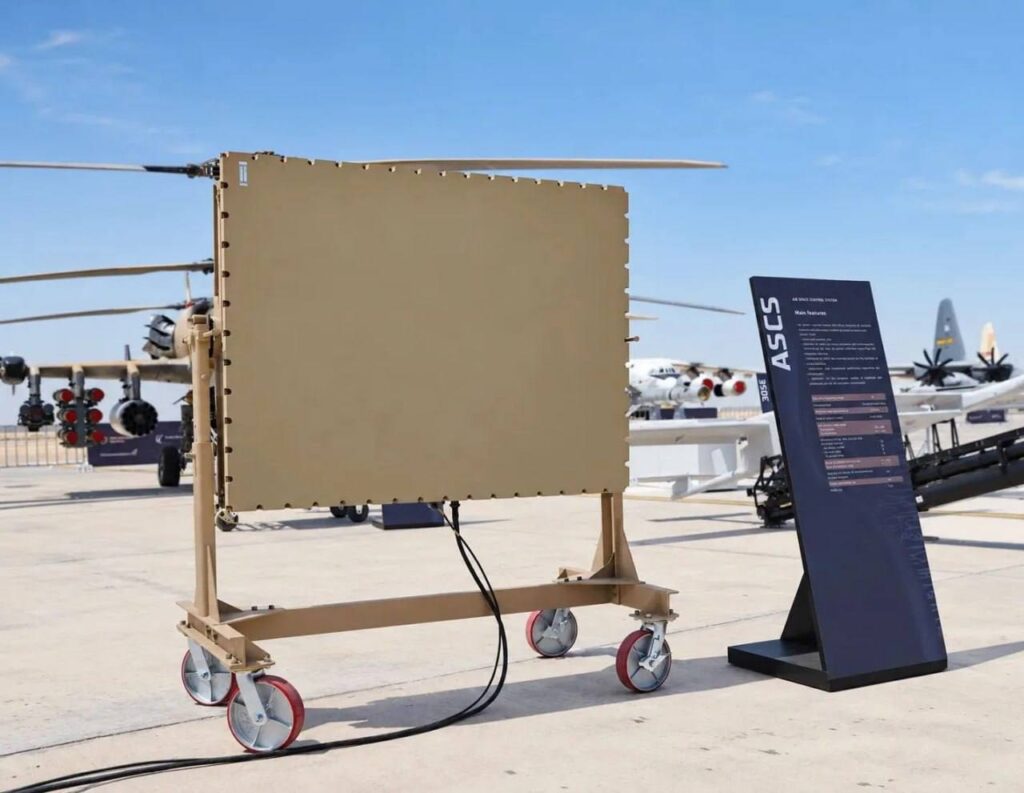
The exhibition included the ZAK-30 Citadel anti-aircraft artillery system, the Pantsir-SMD-E surface-to-air missile system and an airspace control system.
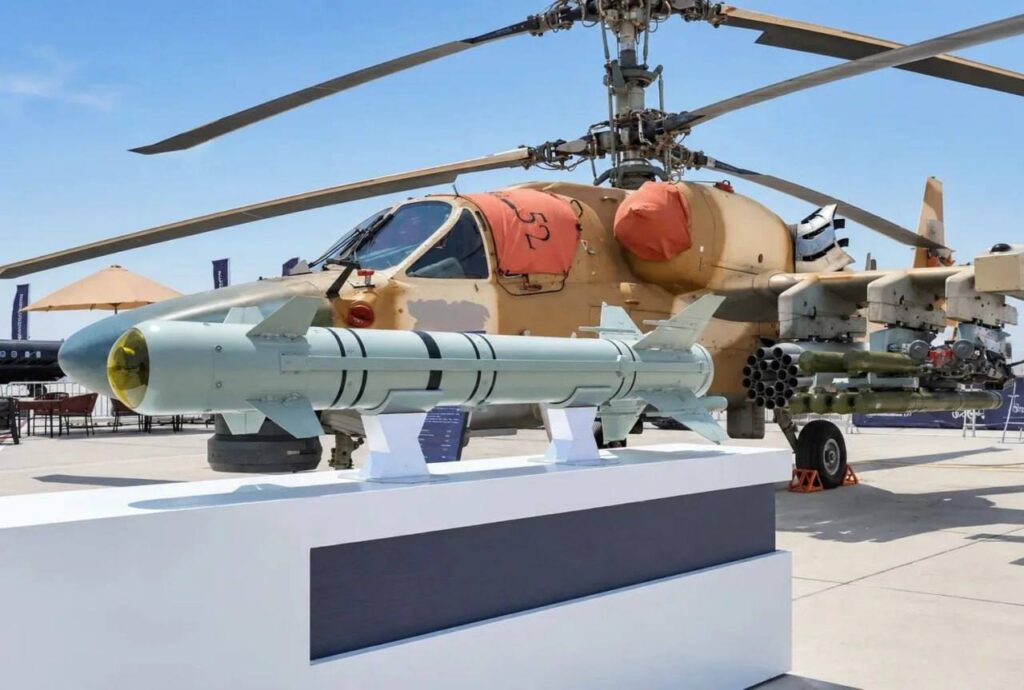
The LMUR (Item 305-E) multi-purpose tactical missile was also presented, equipped with a thermal-imaging seeker and a two-way command-and-telemetry link. The missile is used from Ka-52M and Mi-28NM attack helicopters.
The exhibition also featured the Zubr automated acoustic-thermal reconnaissance system and a radar for detecting low-altitude targets.
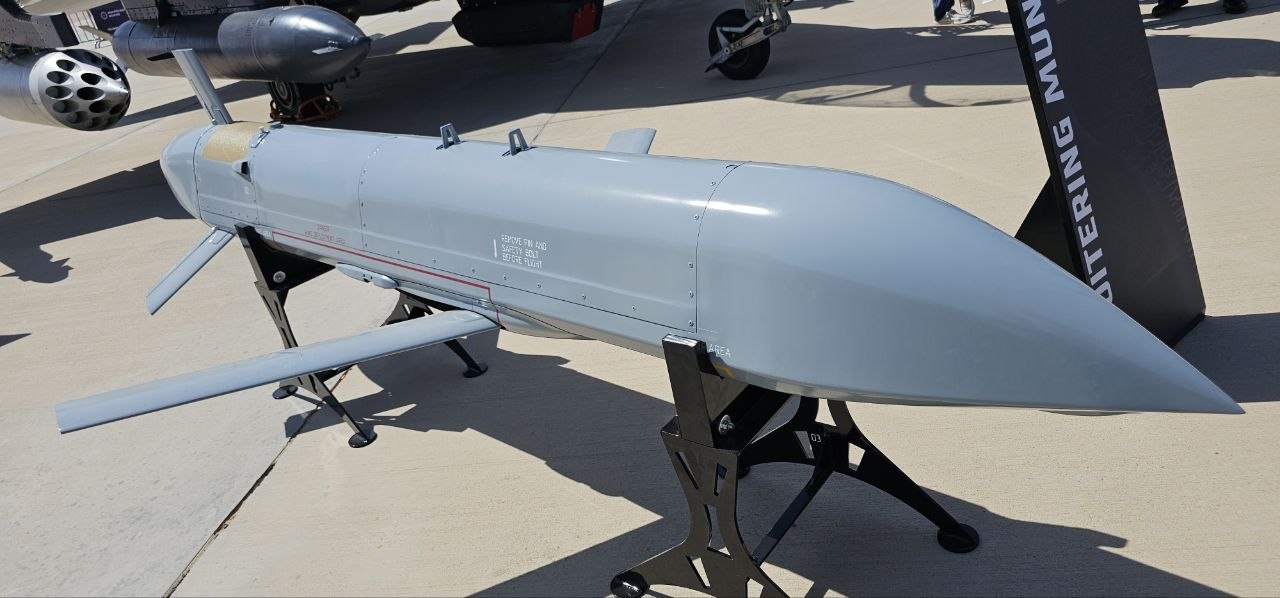
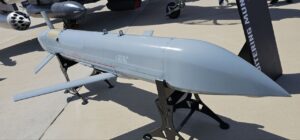
Dan-T claimed to have a range of up to 500 km and a flight altitude of about 9 km
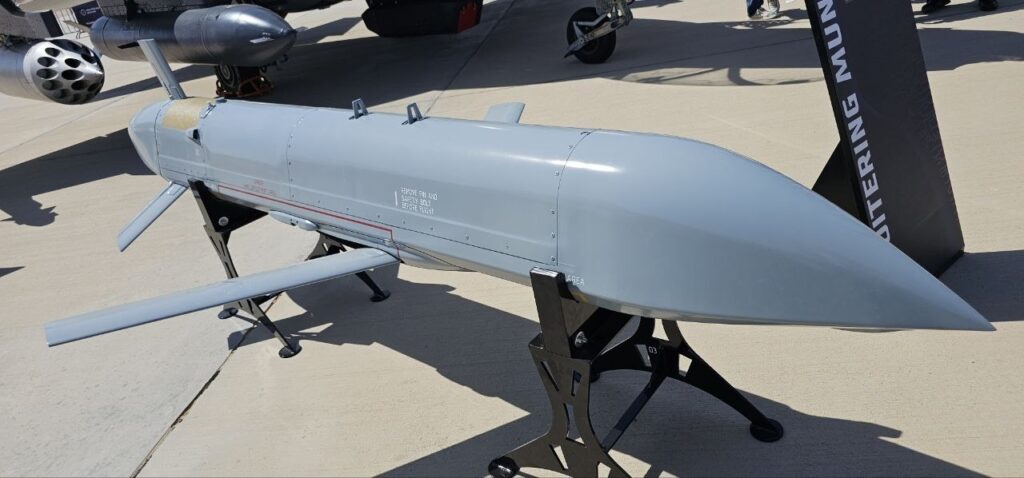
The new “Dan-T” loitering munition has a claimed range of up to 500 km, a speed of up to 750 km/h and a flight altitude of about 9 km. The Russians published these figures during an international defence exhibition in Egypt.
The developers have not disclosed the munition’s full set of specifications. According to the data presented, its range is about 450–500 km, while the warhead weighs 135 kg. The munition’s body has a special shape designed to reduce its radar signature.
Dan-T uses a jet engine and, in terms of its method of use, sits between a cruise missile and a drone. The route to a pre-determined target is formed using digital maps, and after launch the munition flies autonomously.
Rostec presented the ZHNETS anti-drone system
Rostec presented the ZHNETS anti-drone system with an open architecture that can be modified through software updates and by connecting new detection and suppression systems.
The system includes radio-frequency and radar detection equipment, suppression equipment (including SERP-VS13D), and Vector-HUB software.
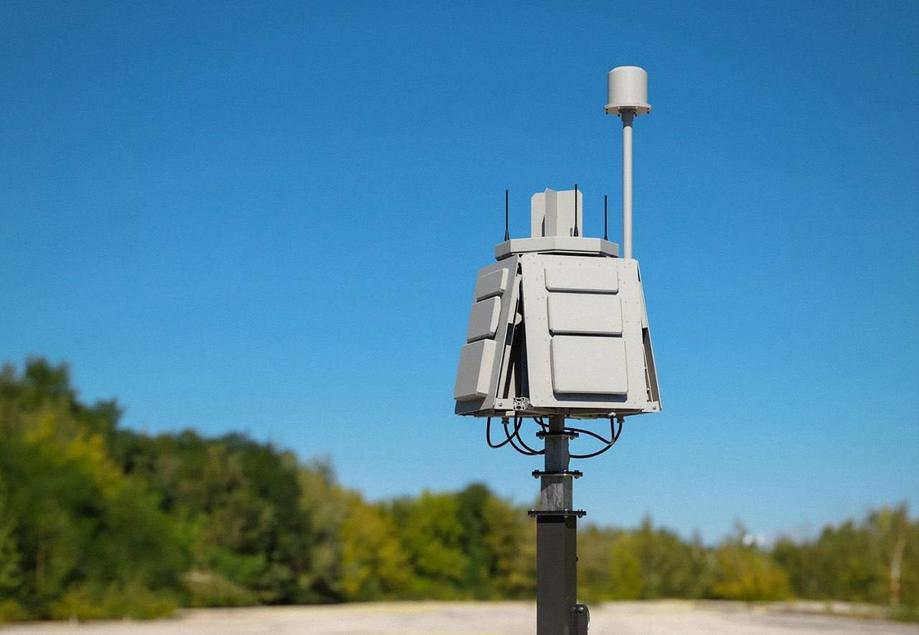
Four modules provide 360° azimuth coverage and 80° elevation coverage. The system can suppress control channels of commercial and FPV aircraft, as well as navigation signals.
The developers offer the option to integrate equipment already installed at an enterprise with new modules.
ZHNETS is designed for round-the-clock operation at temperatures ranging from −40 to +50 °C. The system is intended for energy-sector enterprises and other critical infrastructure facilities.
Argus-M plans to provide communications with drones over more than 200 km by the end of the year
The Russian group of companies Argus-M plans to provide drone communications over more than 200 km via the Hermes satellite constellation by the end of the year.
By December, the developers plan to expand the orbital system to transmit data and control drones and ground robots without intermediate stations. Several dozen satellites will be required to provide full coverage of the operational area. The system provides for direct data transmission between the vehicle and the ground terminal without intermediate stations.
The first experimental spacecraft of the Hermes satellite system was launched into orbit on 28 December 2025 by a Soyuz-2.1b rocket from the Vostochny Cosmodrome. The developers planned the next launch of new spacecraft for 2 September 2026. The plans involved 6U and 16U CubeSat satellites weighing 8 and 20 kg, which were to operate in sun-synchronous orbits at altitudes of 500 and 650 km, but no public information is currently available.
The Russians claim that Hermes communications are already being used for FPV drones, quadcopters, tiltrotors, gliders and ground robotics.
The Paseka anti-drone system for protecting trucks from drones
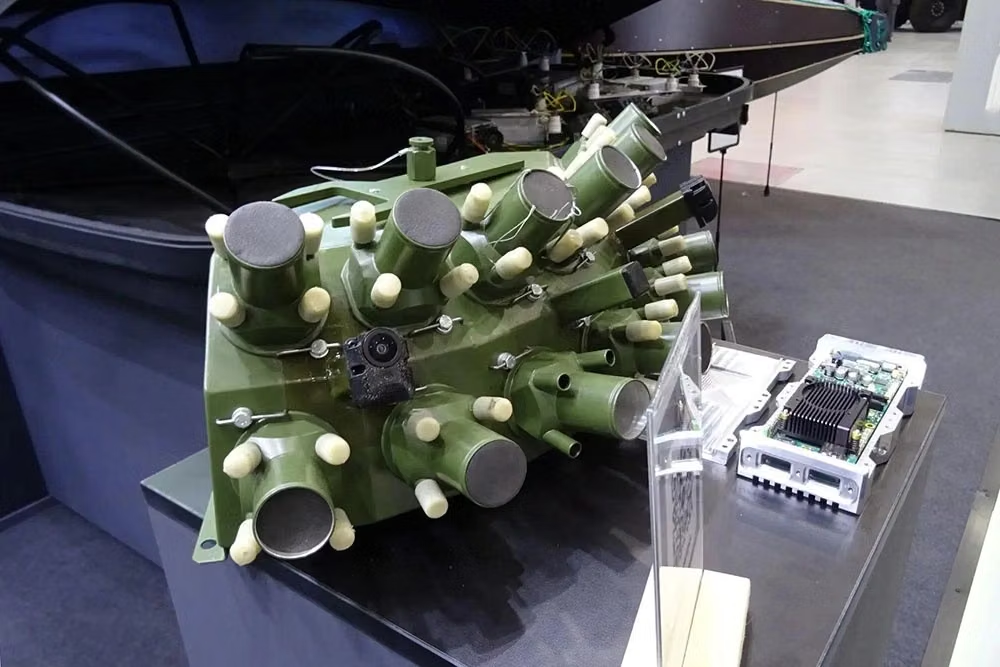
The Paseka anti-drone system, developed by the Ushkuynik Research and Production Centre, is planned for installation on trucks to protect them from drones.
The system intercepts drones using nylon nets. It is equipped with 12 mortar launchers, each firing a 4×4 m net to a distance of 10 to 30 m.
An artificial intelligence system detects targets. The system can operate from 5 V batteries, which are sufficient to power two to four cameras. A thermal imager is required for night operation.
Krechet interceptor with a speed of up to 450 km/h
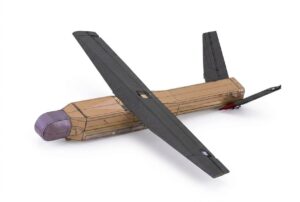
The Ushkuynik Research and Production Centre has developed the fixed-wing Krechet interceptor drone, with a maximum speed of 450 km/h. The drone launches from a catapult and intercepts aerial targets either by direct collision or with a controlled explosion.
Fibre-optic Zhivoder for ambush attacks
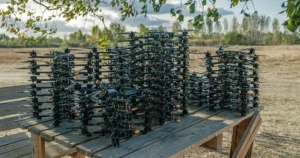
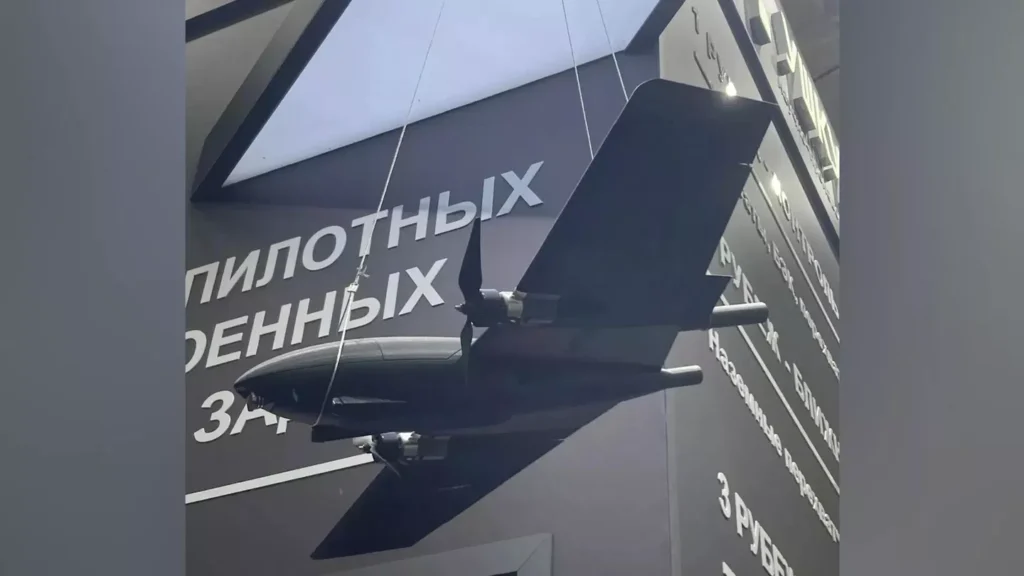
The Zhivoder fibre-optic strike drone, also developed by Ushkuynik, is used for ground ambushes and detects approaching vehicles by the sound of their engines.
The aircraft can land in tall grass or on the roadside. Once it detects a target, an operator controls the attack.
In terms of design, Zhivoder is similar to the Knyaz Vandal Novgorodsky, but it carries a larger high-explosive fragmentation warhead. The design uses a lightweight magnesium-alloy frame.
The heavy Impuls UGV can carry up to 1 tonne of cargo
The “Impuls” unmanned ground robotic system can carry up to 1 tonne of cargo on horizontal terrain and up to 500 kg on slopes up to 30°. When using a winch, the UGV can move a 152 mm D-30 howitzer weighing more than 3,150 kg over a distance of up to 2 km.
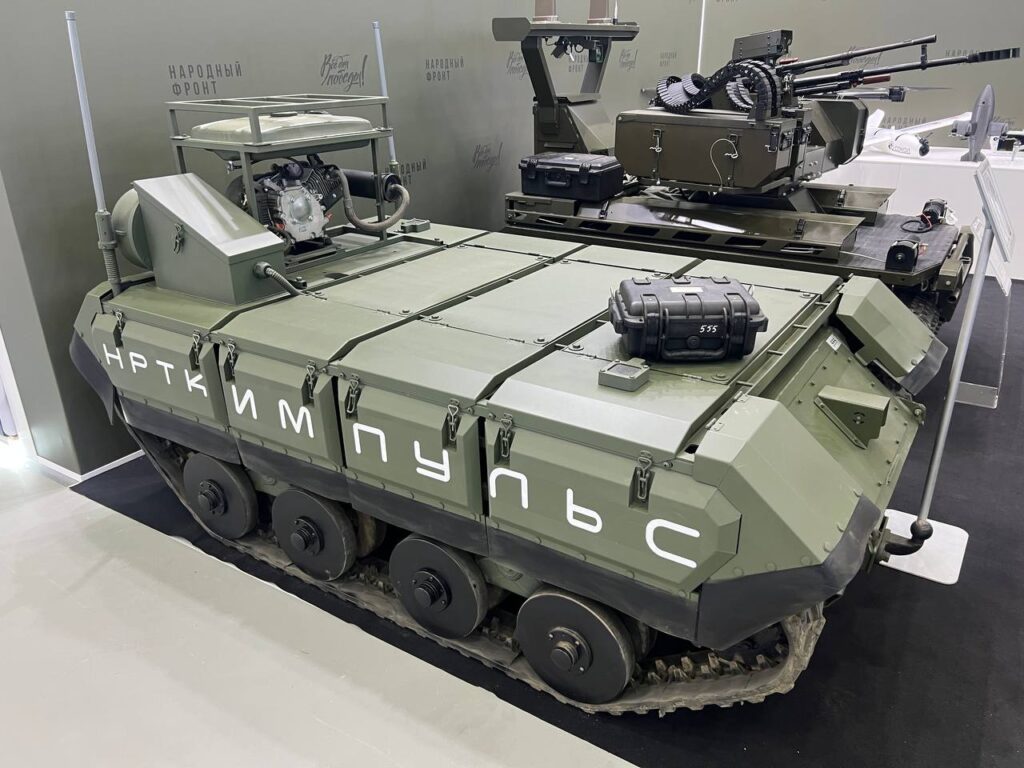
The “Impuls BM-A” modification is equipped with an AGS-30 automatic grenade launcher with a 290-round load. Remote aiming is carried out via a radio link or a fibre-optic cable up to 4.5 km long.
With UAV-based repeaters, the control radius is 12–15 km under active radio interference. Operating time on a single battery charge is 6–8 hours, depending on the terrain.
Italmas may be used for remote mining
A Soviet UPM elongated adhesive mine was spotted on an Italmas drone. Foreign observers reported on the new configuration.
The munition attaches directly to the target surface. The fuze lets operators set the detonation time from 15 minutes to 40 days.
The mine weighs 14.6 kg, of which 7 kg is explosive. The UPM is designed to damage and disable small and medium-sized vessels, as well as underwater metal elements of hydraulic structures.
Chinese media report on the operation of the Russian Peresvet laser system
Journalists from the Chinese television channel CGTN said the Russian Peresvet laser system can disable satellite electronics at altitudes up to 1,500 km. According to the Chinese, the system could be installed on a modified Il-76 transport aircraft.
The system was initially developed as a ground-based system. Two A-60 aircraft based on upgraded Il-76s were used to test a similar laser system. The practical use of “Peresvet” depends on its ability to provide electrical power to the system.
The conceptual Vilyuy SAM is to predict debris impact locations
The Russian GS-12 Vilyuy surface-to-air missile system, currently in the conceptual stage, is planned to include a function to predict where debris from downed aerial targets will fall. The digital computing system is planned to include a map with zones where falling debris would not pose an additional threat: wastelands, bodies of water, forest parks, and construction sites.
According to the developers’ concept, the missile should be launched automatically when the point of interception between the missile and the target falls within one of the designated zones. The system will take into account the aerial target’s trajectory and the predicted location where its debris will fall. For point-defence air defence, this involves selecting an area for intercepting the target.
Vilyuy is also planned to provide all-round coverage and a multi-channel system. The system’s claimed range is about 10 km. The system is to use its own radar to continuously monitor the airspace around the protected facility.
Reading now
1

400+ jobs in Ukrainian defence tech from BlueBird, Vyriy, The Fourth Law, Odd Systems and other sector leaders
2

70+ vacancies in Ukrainian defence tech at Ukrspecsystems, Strix Air, DoD Solution and other industry leaders
3
20 Ukrainian companies are working on jet-powered interceptor drones. Firebolt Engineering is among them
4

Swarmer acquires Ukrainian UGV and UAV manufacturer Ratel Robotics for $224m – and this is just the beginning
5

Swarmer co-founder Serhii Kupriienko steps down as CEO, Alex Fink takes over
By submitting this form, you give Defender Media consent to the processing of personal data.
Надсилаючи цю форму, ви надаєте Defender Media згоду на обробку персональних даних.

Latest news
1
Black Mirror #76: new drone lineup from Ushkuynik, the specifications of Dan-T and other new developments in Russian miltech
2
‘The main vulnerability is people’: YouControl analyses how Russia obtains information about defence enterprises
3

EU-Ukraine Drone Alliance holds first meeting to define priority areas of work
4

Farsight Vision and Celebra Tech to represent Ukrainian defence tech at TechCrunch Disrupt in the US
5