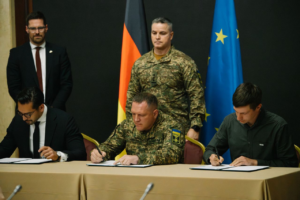
Third Defence Builder accelerator batch: top teams receiving $65K

Third Defence Builder accelerator batch completes programme, with top teams receiving $65,000

Nine Ukrainian and European startups completed the programme. What are they building?

Text size

A
Small
A
Medium
A
Large
4 min
Photos here and below courtesy of Defence Builder

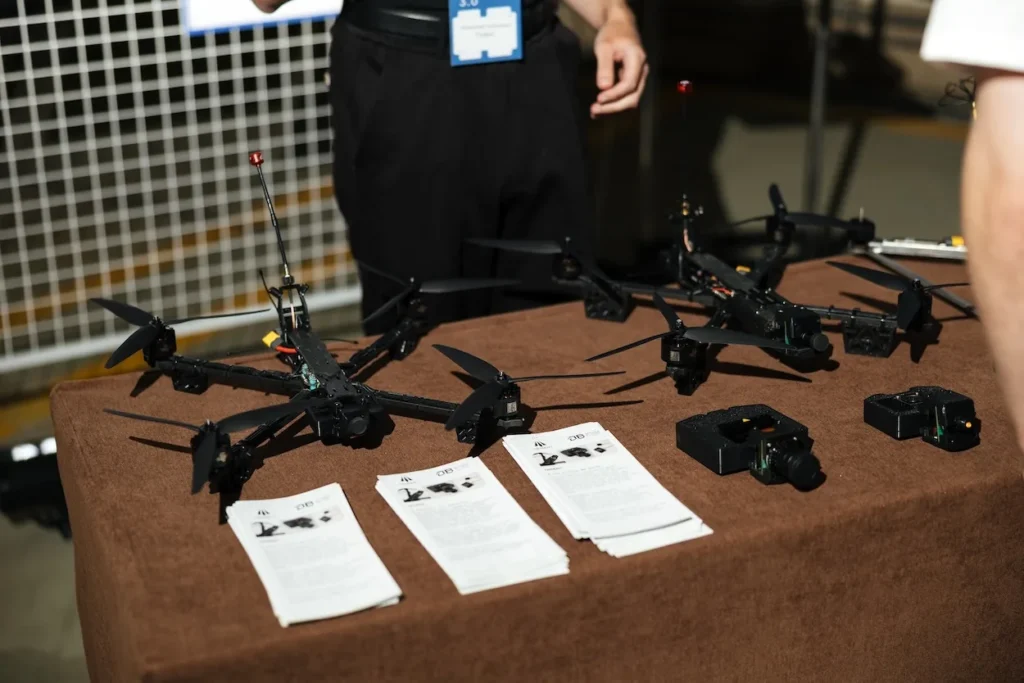
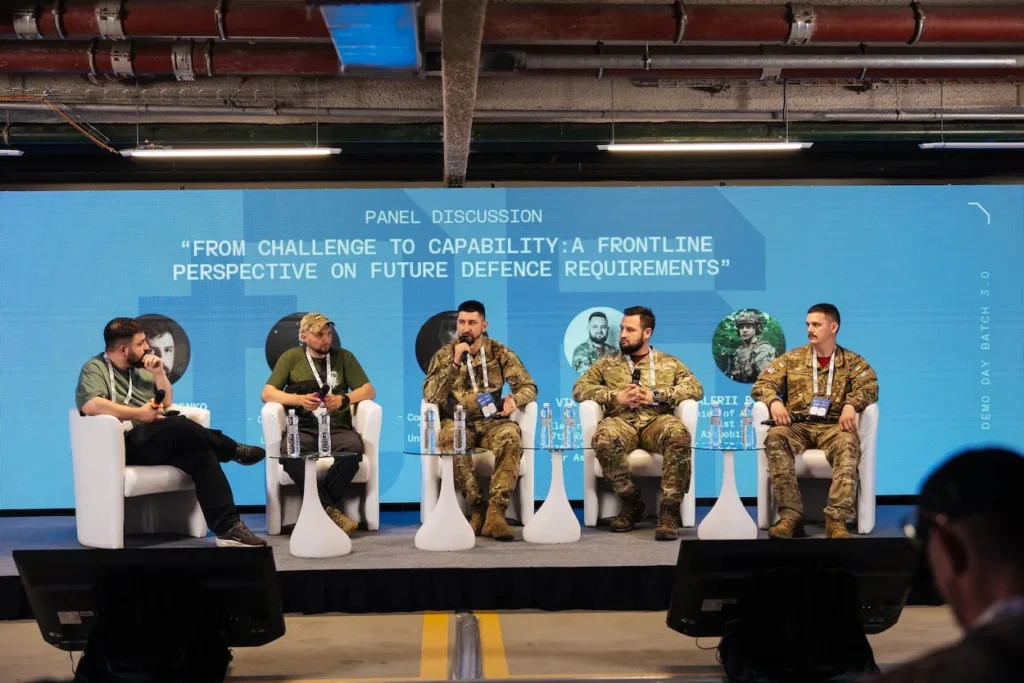
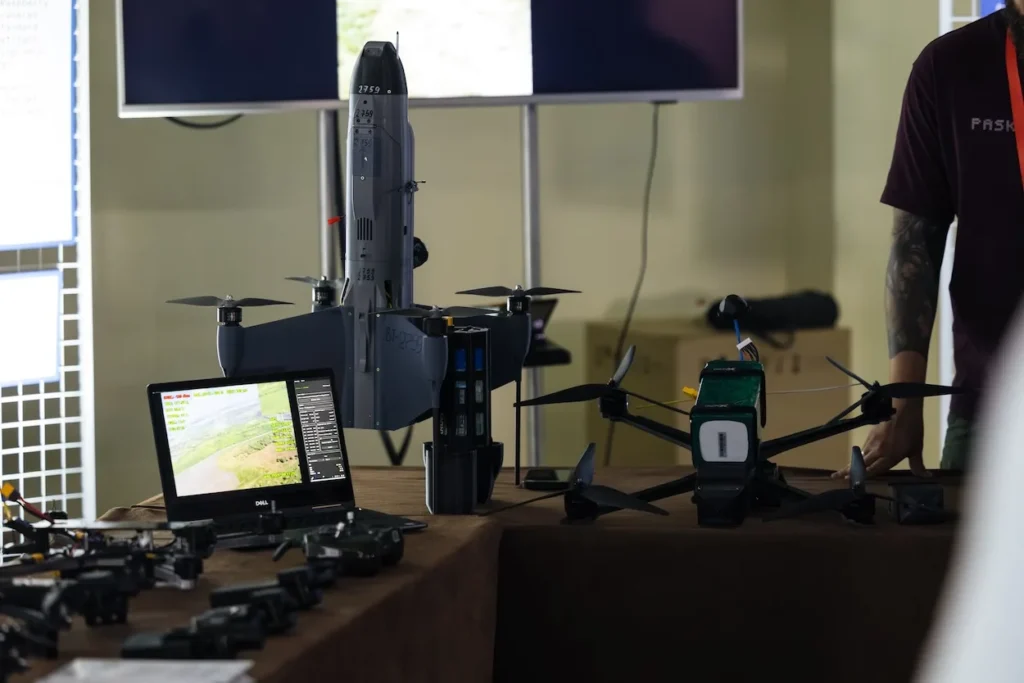
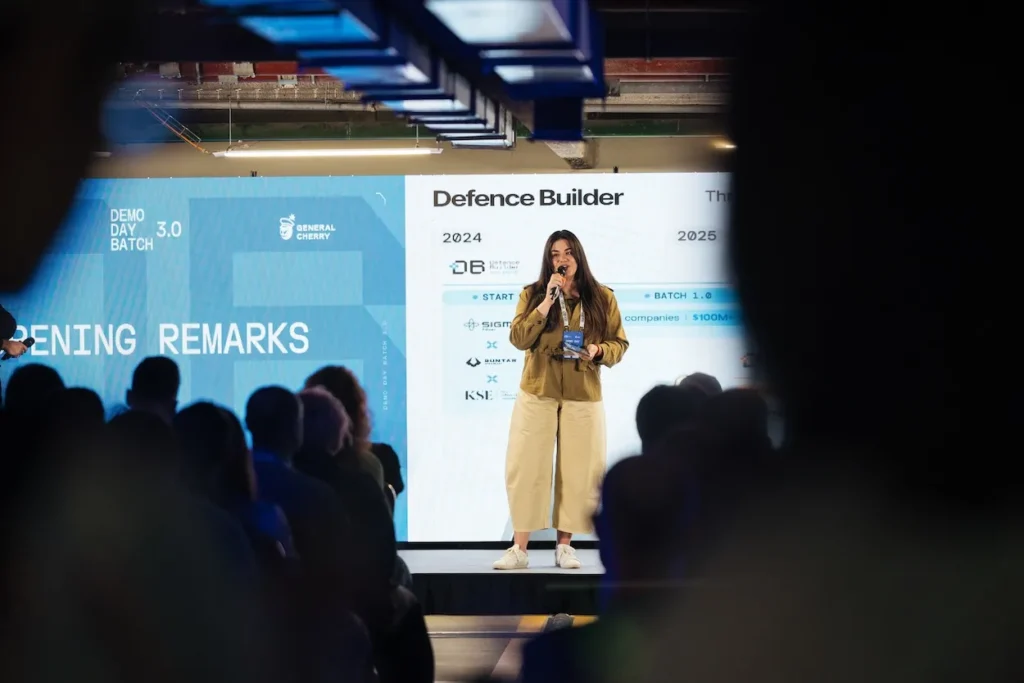
Ukrainian defence tech accelerator Defence Builder has graduated its third batch of startups. Nine Ukrainian and international teams that completed the four-month programme presented their tech to investors, military representatives and international partners during a demo day held last week.

Following the programme, participating startups received grants ranging from $10,000 to $65,000.

Each startup received a base grant of $10,000 from Defence Builder. The highest-performing teams also secured additional awards from the accelerator:

• Fremen — $30,000
• WingTech — $20,000
• Frost Works — $20,000
• UMP — $20,000

The demo day’s main partner, General Cherry, also awarded $25,000 grants to four teams: WingTech, Trident, NEBOSTRAZH and Frost Works.

As a result, WingTech and Frost Works emerged as the event’s biggest winners, each receiving a total of $65,000.
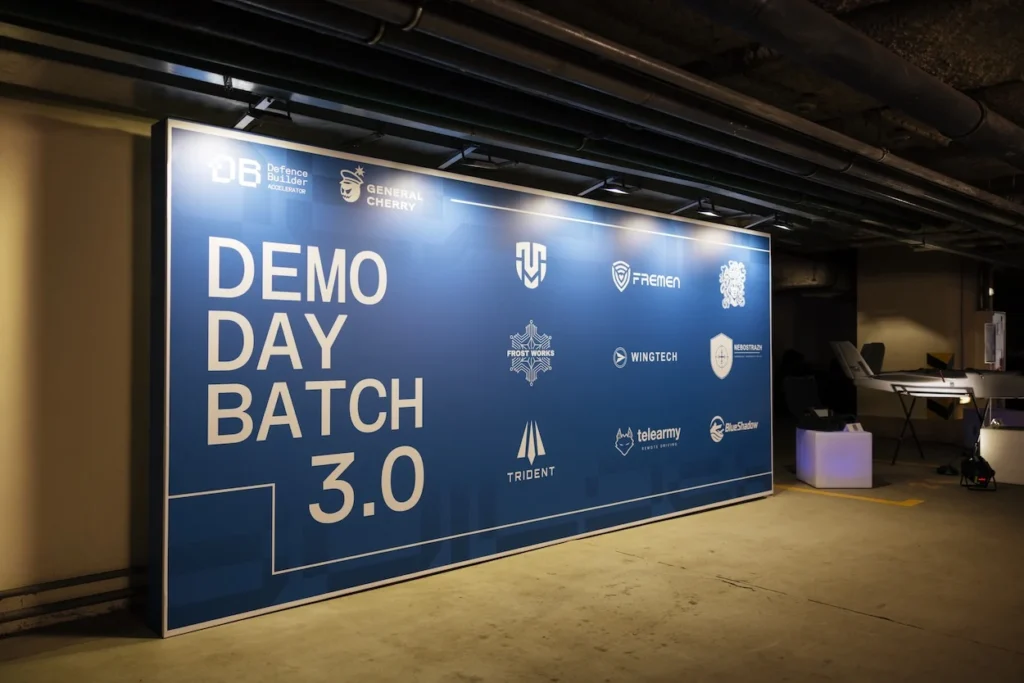
Technologies developed inside the Defence Builder third batch

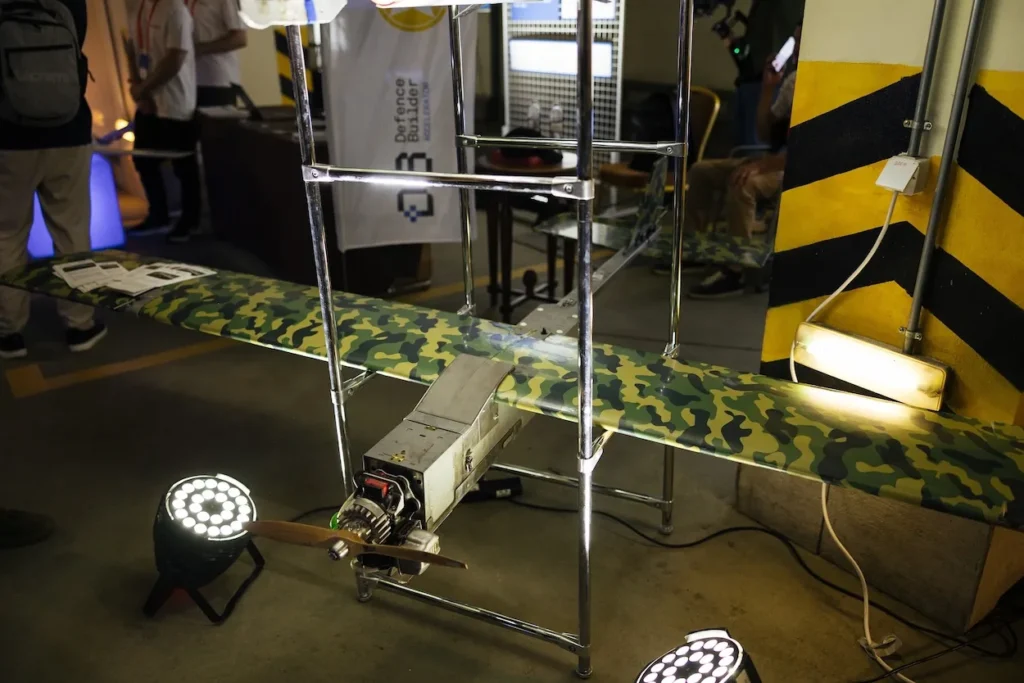
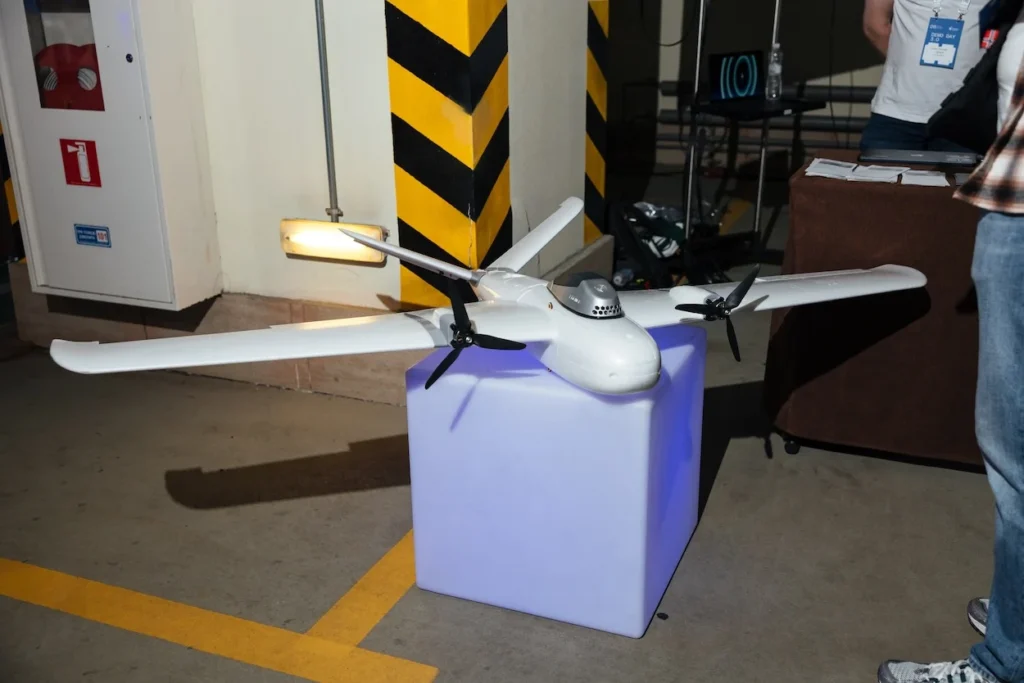
  1. WingTech is developing the HABA fixed-wing UAV for strike and logistics missions. The drone has an operational radius of 300 km and a maximum strike range of up to 600 km. It can carry between 5 and 8 kg of payload. One of its key features is the ability to operate without GPS, using proprietary inertial navigation systems and radio beacons, and an automatic landing capability that does not require a parachute.
  2. Frost Works is building a multi-layered low-altitude air-threat detection system. The solution combines acoustic and radar sensors to create a unified air picture for the early detection of drones, including Shahed-type UAVs.
  3. Fremen is developing a compact self-protection module for drones. The system scans the surrounding airspace, detects and classifies incoming threats, helping UAVs evade interceptor drones. It can also identify enemy repeaters, electronic warfare systems and signals intelligence assets.
  4. Trident Group develops autonomous terminal-guidance systems for drones. Its Trident LMT solution enables a UAV to complete its mission even if communications are lost or GPS is jammed. Once the operator designates a target, the system independently tracks and engages it.
  5. NEBOSTRAZH has created an AI-powered autonomous counter-drone system that combines a mobile multi-sensor SM-1 turret and an FPV interceptor drone under a single AI-driven detection architecture. The system can simultaneously track up to 20 targets and employs thermal, optical and acoustic sensors to maintain effectiveness under different threat scenarios.
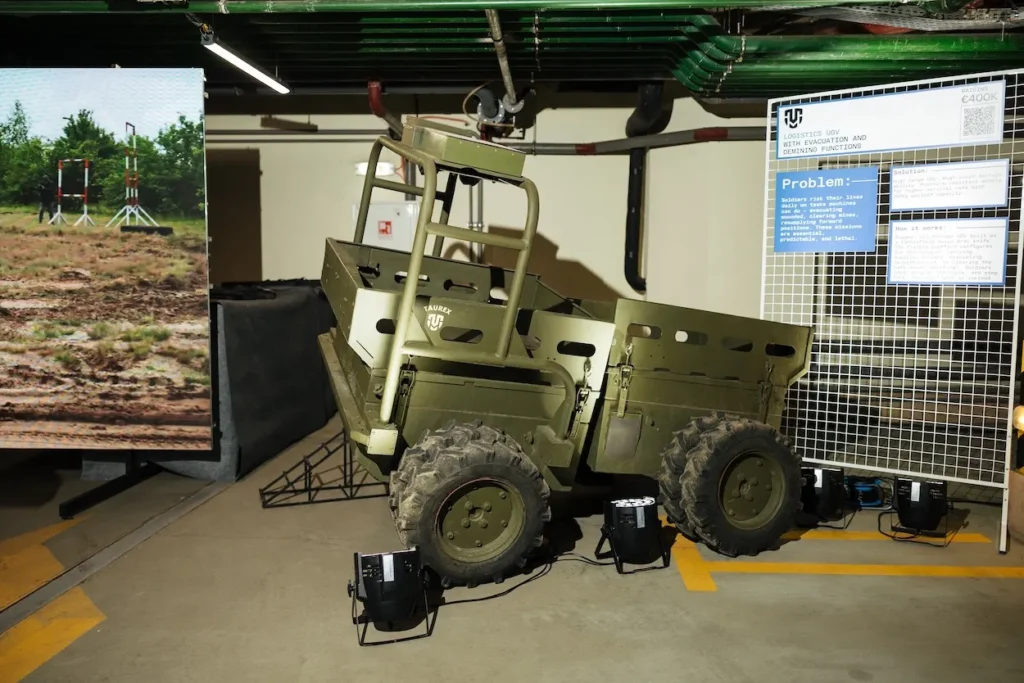
  6. The team behind Taurex has developed an unmanned ground vehicle featuring an articulated chassis capable of carrying more than 300 kg of payload over distances exceeding 80 km. The platform can perform a wide range of missions, from logistics to casualty evacuation and support for specialised equipment.
  7. Estonian startup Telearmy presented a remote vehicle control technology that does not require a complete platform redesign. The solution ensures uninterrupted connectivity by simultaneously using multiple communication networks and enables long-range remote operation. The company’s record distance for remote vehicle control currently stands at 4,300 km.
  8. BlueShadow is developing a coastal defence system against aerial attacks. The team is building a C4ISR platform to manage swarms of unmanned surface vessels that can autonomously detect, track, and intercept attack drones over the Black Sea. The solution is designed to strengthen the protection of ports, energy infrastructure and civilian facilities.
  9. The final team in the batch is developing an advanced microwave weapon system designed to counter loitering munitions and drone swarms.

The demo day marked the conclusion of a four-month programme during which participating teams refined their business models, validated products through testing with combat units, and established connections with key stakeholders and industry experts.

According to Daria Yaniieva, President of the Defence Builder Ecosystem, Ukraine already knows how to create defence technologies that solve real battlefield challenges.

“What is much harder is turning individual breakthroughs into a full-fledged industry that will continue serving the country after the war,” she said. “That is exactly why the Defence Builder Ecosystem exists: to connect technology, capital and markets so that strong teams become more than isolated success stories.”

Defence Builder Accelerator has been operating since 2024. Over that period, more than 25 companies have completed the programme, while the combined valuation of participants from the first two cohorts has exceeded $100 million.