Dorozvidka #57: Vampire as logistics drone, Zelensky on UGVs, plus General Cherry, BlueBird, Odd Systems, Wild Hornets, and Budanov
The most interesting interviews and quotes from leading officials and business leaders on Ukrainian defence tech over the past week.

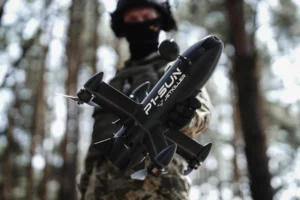
UAV “General Cherry AIR Speed” / Photo: “General Cherry”
In Dorozvidka #57:
- General Cherry tops March rankings by e-points awarded for drone strikes;
- BlueBird launches a missile development track and upgrades its Zhakh drones;
- Zelensky prioritises UGVs;
- Kyrylo Budanov outlines his position on Ukrainian arms exports;
- Vampire takes on a logistics role;
- The first interview with the new CEO of Odd Systems;
- Madyar criticises warhead manufacturers;
- Once again on UGVs: Viktor Pavlov speaks.
General Cherry tops March in e-points awarded for drone strikes
In March 2026, General Cherry ranked first among manufacturers by the number of e-points awarded for strikes carried out using its systems.
The company’s unmanned systems also demonstrated the highest absolute growth in effectiveness among strike assets on the battlefield, the company reports. According to data from units of Ukraine’s security and defence forces, their drones delivered 11,473 strikes — 5,800 more than in the previous period.
In addition, the company’s systems ranked first in the number of enemy UAVs neutralised. In particular, 43% of all enemy Molniya drones in March were taken down using General Cherry systems. The company’s drones also downed the largest number of enemy reconnaissance UAVs of the Knyaz Veshchiy Oleg type.
BlueBird launches missile development and upgrades Zhakh drones
Ukrainian company BlueBird Tech has announced the launch of a missile development track. Its key focus will be the creation of air defence systems capable of intercepting not only enemy UAVs, but also cruise and ballistic missiles. The company has already begun actively hiring specialists and engaging engineers.
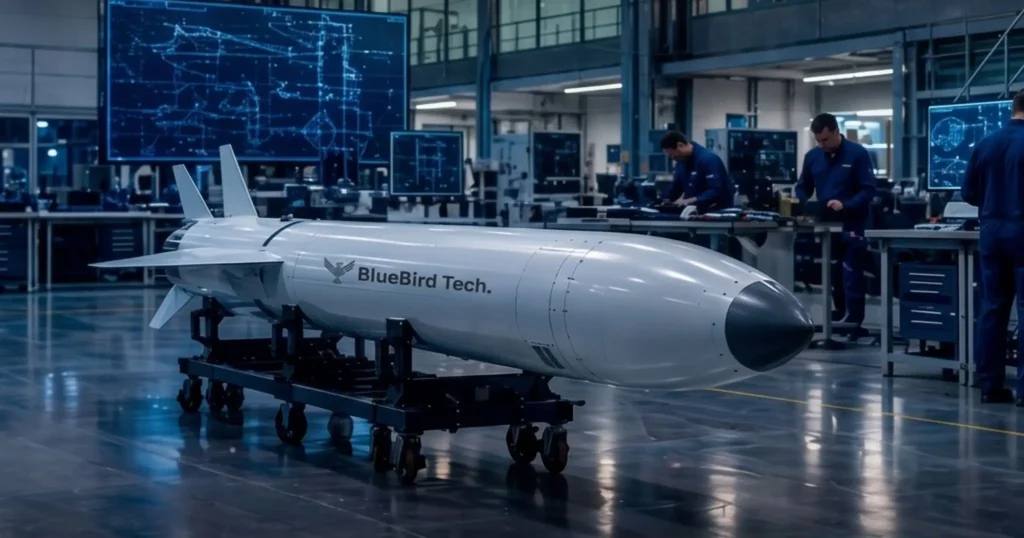
BlueBird Tech says it will operate simultaneously across several missile tracks. The company adds that Ukraine will see the results of its missile programme in the coming years. BlueBird does not disclose the size of its investment in the track or planned production volumes.
The company also announced upgrades to its Zhakh FPV drone line — they now use more domestically produced components. This includes flight controllers and electronic speed controllers (ESCs), which determine the drone’s behaviour in flight. In addition, the FPV drones are now equipped with Ukrainian-made motors.
Zelensky prioritises UGVs
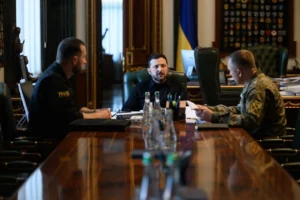
President Volodymyr Zelensky described UGVs as one of the key topics during a recent Stavka meeting.
“UGVs are currently one of the most urgent needs of our Defence Forces, and production and supply must keep pace with demand,” Zelensky said.
According to him, the volume of UGV contracting should be significantly higher than last year. “25,000 UGVs have already been contracted — twice as many as last year — and this is only the initial level: the number will increase significantly, and contracting is ongoing,” he added.
The president also thanked manufacturers ensuring timely contract fulfilment, as well as units and commanders scaling the use of UGVs. He instructed the General Staff and the Ministry of Defence to monitor monthly the real demand for UGVs and the level of supply.
Kyrylo Budanov: position on Ukrainian arms exports
The head of the Presidential Office, Kyrylo Budanov, spoke at the Defense Tech Export Forum and later published key points on his Facebook page.
Budanov agrees that Ukraine’s defence industry currently has a unique window of opportunity to secure its niche in the global market. “However, we must be honest: the free sale of weapons during an active phase of war is impossible,” he noted. “Neither our soldiers on the front line nor our Western partners, from whom we ourselves request weapons, would understand this.”
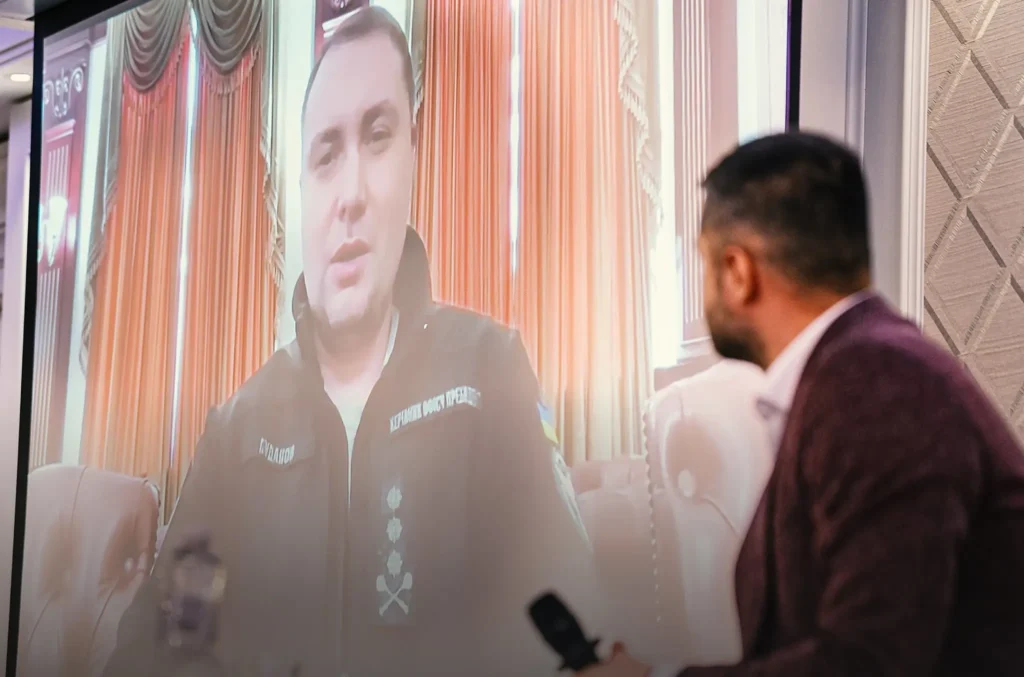
He believes that only weapons available in sufficient surplus can be freely exported, such as naval drones. “We can also export weapons that are no longer widely used in our war but remain in demand in countries in Asia or Africa. These include, for example, some long-range UAVs or early models of FPV drones,” he added.
Budanov stressed the importance of preventing uncontrolled technology leakage: “We have no right to allow unique Ukrainian developments to fall into the hands of the enemy through the sale of finished products or the creation of dubious ‘subsidiaries’.”
He concluded by noting that the future of Ukraine’s defence industry lies in technological superiority and called on manufacturers to focus on integrating artificial intelligence.
Vampire as a logistics drone
Defence Minister Mykhailo Fedorov aims to transition 100% of logistics to UGVs, but pilots of the Phoenix border guard unit demonstrated this week that aerial drones can also effectively handle logistics tasks.
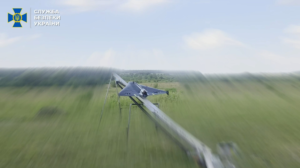
In a video published by the unit, the heavy bomber drone Vampire by SkyFall delivers supplies and essential equipment to frontline positions. The UAV successfully completed the mission despite strong winds. “Such logistics operations are carried out regularly in our unit,” Phoenix noted.
The Phoenix main unmanned aerial systems unit is an elite unit of the State Border Guard Service of Ukraine, formed in the summer of 2024. Phoenix specialises in reconnaissance and strike operations.
First interview with the new CEO of Odd Systems
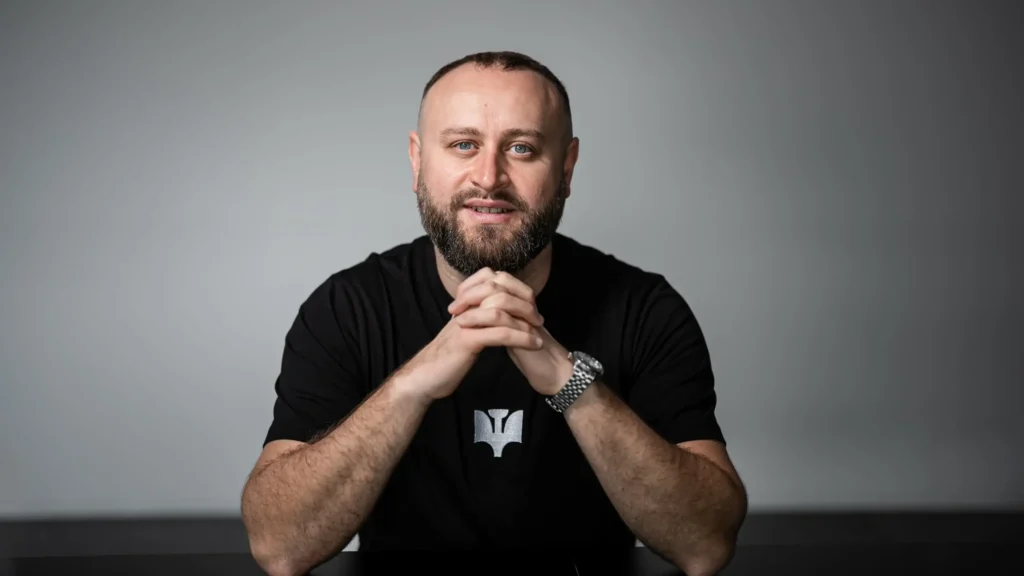
Drone and thermal imaging camera manufacturer Odd Systems changed its CEO back in autumn 2025 — founder Yaroslav Azhniuk was replaced by Roman Medvediev.
The new head of the company gave his first interview to Forbes Ukraine, where he spoke about his tasks, how the company’s cameras differ from other market solutions, whether Odd Systems is ready to acquire competitors, the company’s revenue structure, why the startup needs its own sensor factory, and answered other questions from journalists.
Read.
STING against jet-powered Shaheds and FPV with a rifle: interview with Wild Hornets
Wild Hornets is an unusual company. It grew through volunteer contracts and the first supplies of FPV drones to the front, organised by Serhii Sternenko’s foundation. The company’s developers became pioneers in “drone-based air defence,” created the largest FPV drone Queen Hornet, and are now launching their own training centres for operators.
Oboronka spoke with a company representative about the team, drone features, and upcoming innovations expected to appear on the battlefield soon.
Read.
Madyar criticises warhead manufacturers (and gives an interview to the BBC)
Commander of Ukraine’s Unmanned Systems Forces, Robert “Madyar” Brovdi, criticised manufacturers of warheads for Ukrainian strike drones over poor quality.
According to him, low-quality warheads force units to use significantly more drones to destroy a single target.
Madyar stressed that the mismatch between actual warhead performance and declared specifications is a systemic problem. He called on manufacturers to focus on product quality and establish direct communication with combat units instead of lobbying their own interests.
He also gave a major interview to the BBC, covering a much broader range of topics.
Once again on UGVs: Viktor Pavlov speaks
One of Ukraine’s leading experts on UGVs is Viktor Pavlov — founder of the UGV School and an officer in the UGV battalion of the Third Assault Brigade of the Third Army Corps.
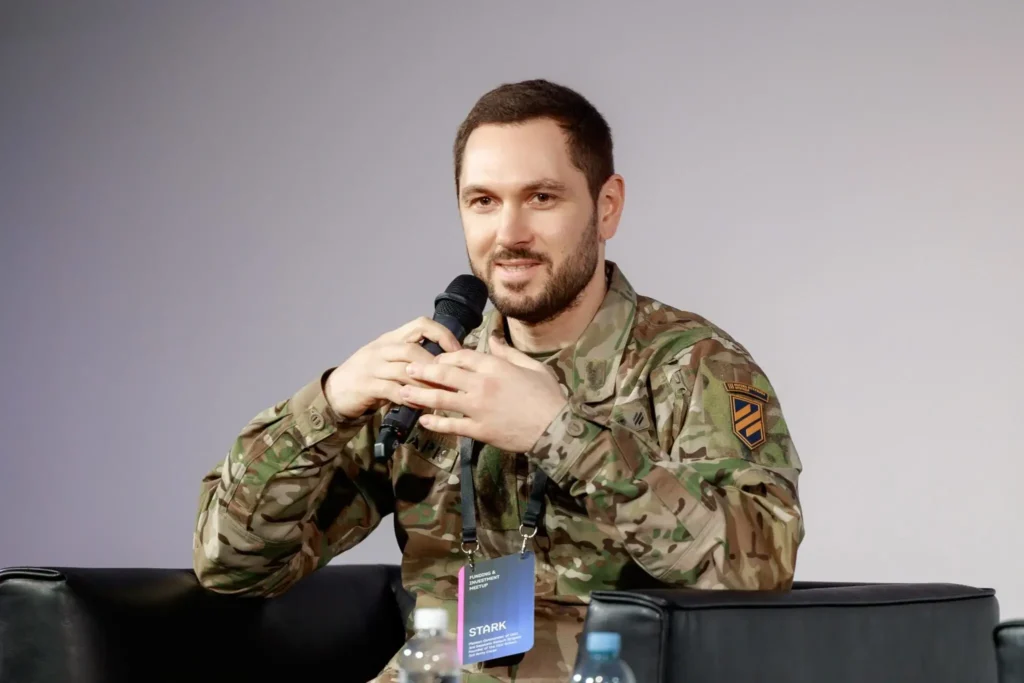
In an interview with ArmyInform, he explains why ground robotic systems are more difficult to scale than UAVs, why Ukraine needs a unified coordination centre for UGV development, and what its functions should be.
Read.
Reading now
1
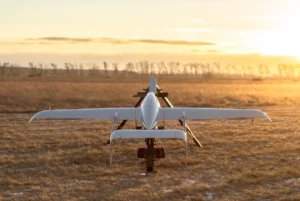
Ukrainian Skyeton secures $10.6M US army contract
2
Ukrainian SkyFall again among winners of US Drone Dominance Program
3
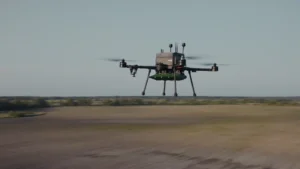
Pentagon to hold Drone Dominance trials for bomber drones, with UFORCE, Gurzuf Defence, Grim Tech and others taking part
4
Frontline Robotics CBDO Mykyta Rozhkov: Ukraine and Norway are working on an autonomous system to protect maritime infrastructure
5
Terra Drone acquires 50% of Ukrainian Kurin Technologies for $3.5 million
By submitting this form, you give Defender Media consent to the processing of personal data.
Надсилаючи цю форму, ви надаєте Defender Media згоду на обробку персональних даних.

Latest news
1

120+ vacancies in Ukrainian defence tech companies: Osavul, M-Fly, Occam Industries and more
2
Tencore CEO Maksym Vasylchenko to head the board of Ukrainian Council of Defence Industry, replacing Oleksandr Kamyshin
3
THOR’S HAVEN presents mobile modules for command and medical posts on the front line
4
Lithuania deploys Ukrainian SkyFortress air target detection system
5