F7 LITAVR upgrade: built-in terminal guidance and combat-tested remote control
Manufacturer to upgrade last-mile guidance for already-deployed interceptors free of charge
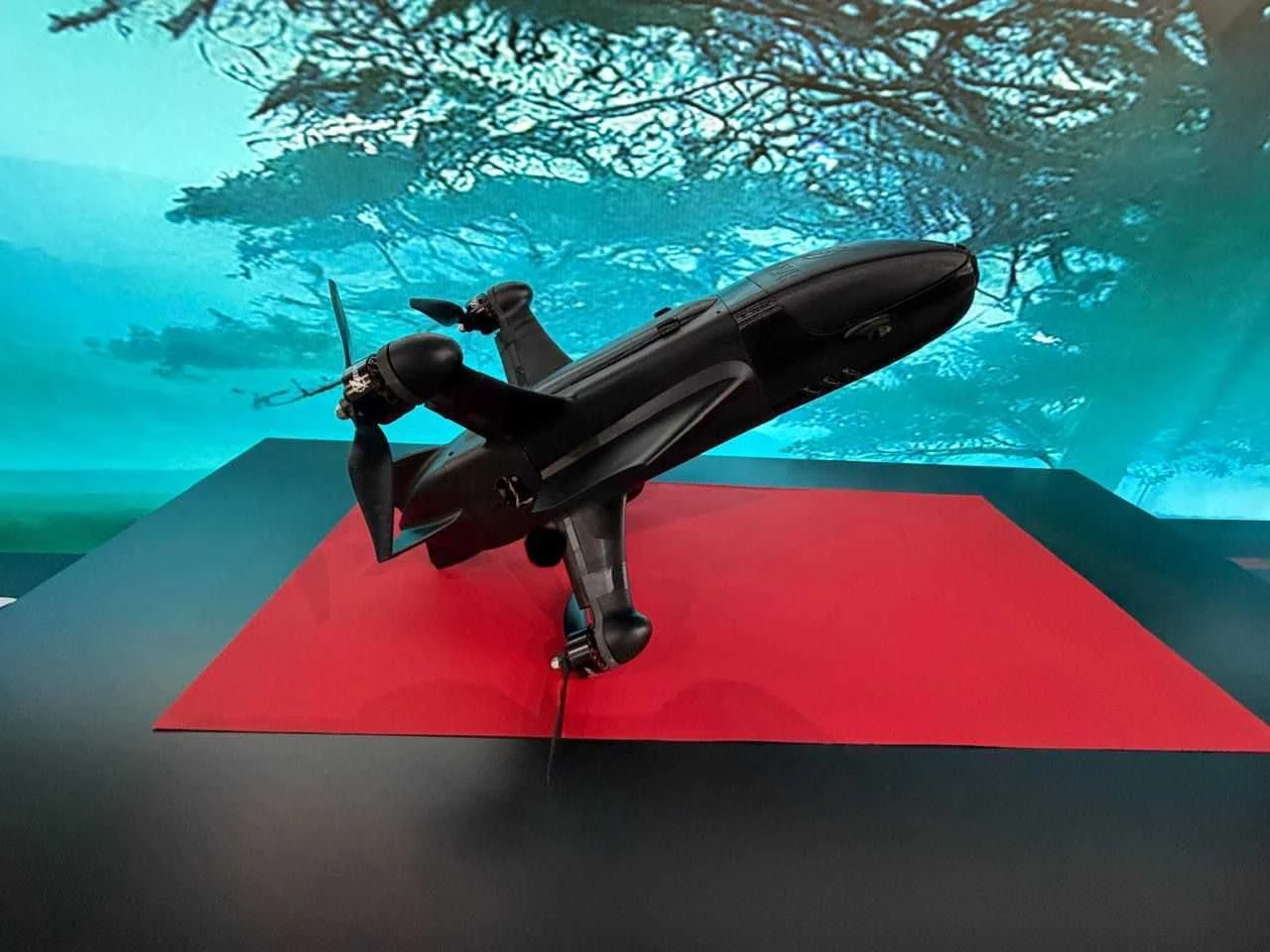
F7 Litavr interceptor. Manufacturer's photo
The F7 LITAVR interceptor drone, manufactured by a Ukrainian company under the F-Drones brand, has received a series of updates across two key areas. As Defender Media has learned, these enhancements cover the integration of automatic terminal guidance as a standard feature and the successful combat debut of remote-control modules.
According to the manufacturer, automatic terminal guidance modules have entered serial production and have been included in the interceptor’s baseline configuration since early March. This upgrade was implemented at no additional cost to the buyer. Furthermore, units already operating the LITAVR will receive guidance upgrades for their existing fleet at the manufacturer’s expense.
The second update — enabling the drone’s remote launch — has successfully passed combat evaluation. The capability was undergoing R&D trials when, on 24 March, the first confirmed combat applications were recorded: during the repulsion of a large-scale Russian attack, a pilot from the 190th Training Centre of the Special Operations Forces downed a Shahed whilst controlling the LITAVR remotely, from hundreds of kilometres away from the interception point.
According to the manufacturer, drones operating in remote-control mode achieved three successful intercepts out of three attempts.
“Transitioning to remote control requires no specialist retraining. Pilots already proficient with the LITAVR ground control station can complete a one-day supplementary briefing to begin utilising the new module,” the company stated.
As the manufacturer explains, implementing the remote-control capability involves a software update and the integration of additional components into the ground control station. Air defence units interested in trialling this feature are invited to contact the manufacturer directly.
The F7 LITAVR interceptor was codified in 2025. It achieves speeds of up to 350 km/h, boasts an endurance of up to 15 minutes, and is equipped with both daylight and thermal imaging cameras. The official tactical range is 36 km, with a reported operational range of up to 60 km and an operational ceiling of 9.5 km. The 500 g warhead is codified separately and can be triggered either by operator command or upon kinetic impact with the target.
Reading now
1
SkyFall officially unveils Thor Hammer mid-strike and announces 1,000+ km version
2

260+ vacancies in Ukrainian defence technology at BlueBird Tech, Sine Engineering, Buntar Aerospace and more
3
British-Ukrainian Occam Industries raises €3.8m. The funds will go towards scaling drone autonomy software
4

Terra Drone acquires 50% of Ukrainian Kurin Technologies for $3.5 million
5

Autonomous interceptor drones need radars to work. Why is there still a lack of them
By submitting this form, you give Defender Media consent to the processing of personal data.
Надсилаючи цю форму, ви надаєте Defender Media згоду на обробку персональних даних.

Latest news
1
Tencore launches an ecosystem to bring together UGVs and components from several manufacturers
2

Defense companies may see staff deferrals cut from 100% to 85%
3
Japan signs contract with Ukrainian company SkyFall to procure interceptor drones
4
260+ vacancies in Ukrainian defence technology at BlueBird Tech, Sine Engineering, Buntar Aerospace and more
5