Dorozvidka #30: Quantum Systems, Horynych, Athlon Avia, Ukrainian EW, Ihor Fedirko and more
Important publications about defence tech that were released over the past week in other media
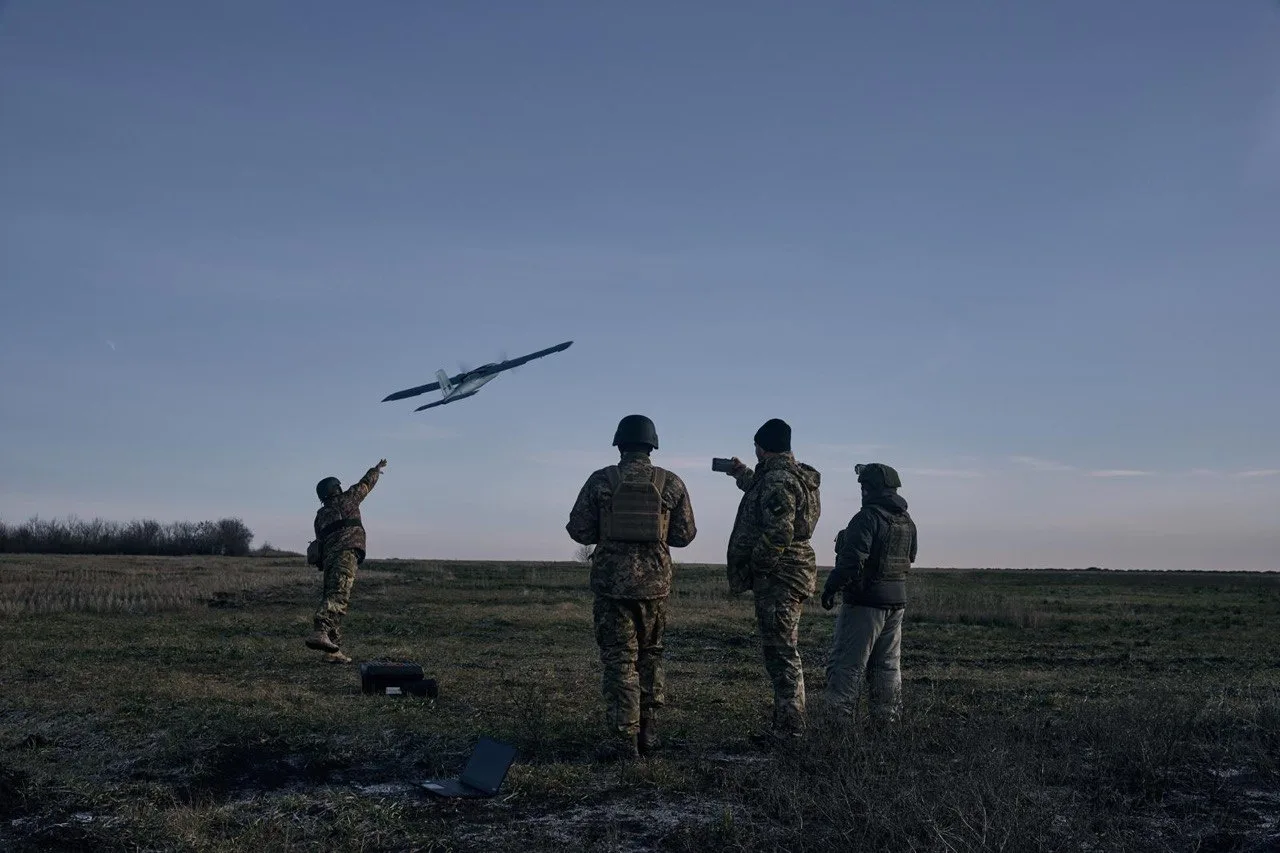
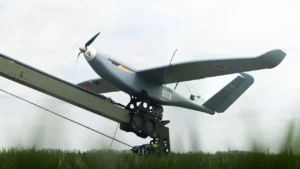
“Horynych” launches an Avenger UAV near Bakhmut, 2022 / Source: Babel
In the jubilee Dorozvidka #30:
- Ihor Fedirko – on the controlled export programme Zbroya;
- Babel – on the group Horynych, which carries out deep-strikes in the Russian rear;
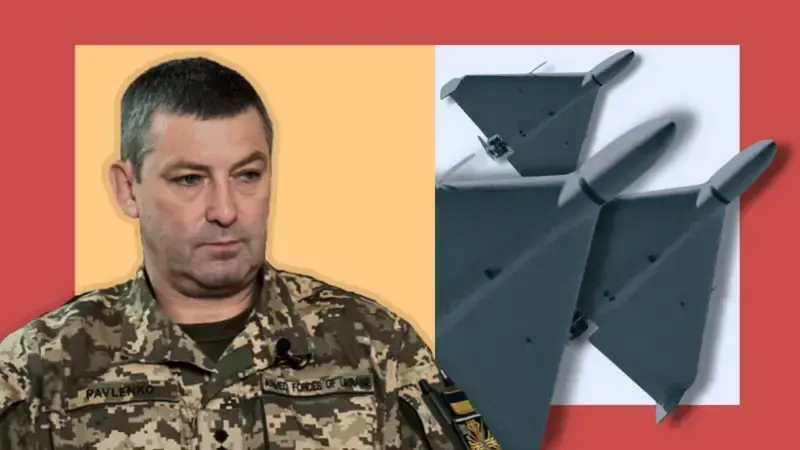
- Colonel Ivan Pavlenko – on the development of electronic warfare in Ukraine;
- Founder of Athlon Avia Artem Vyunnyk – on the past and present of Ukraine’s drone industry.
And a few more pieces – from Perry Boyle, Mariia Berlinska, Denys Sviatokum – which Defender Media suggests for self-reading.
What’s new at Quantum Systems and its Ukrainian division
Reuters reports that German company Quantum Systems is close to securing an investment round of €150 million, which would raise the company’s valuation to €3 billion. The company’s value would be three times what it is now.
Since 2023, Quantum Systems has been present in Ukraine. The company launched full-cycle production and R&D here. According to the Director of Engineering at the Ukrainian branch of Quantum Systems, Dmytro Horlin, the company has government contracts and is manufacturing 80 aircraft per month in Ukraine.
In an interview with DOU, he described what Ukrainian R&D needs, how German manufacturers respond to the presence of Russian drones in the airspace of Denmark and Poland, what the biggest problem of European defence tech is, and how the largest pilot community in the world is being built.
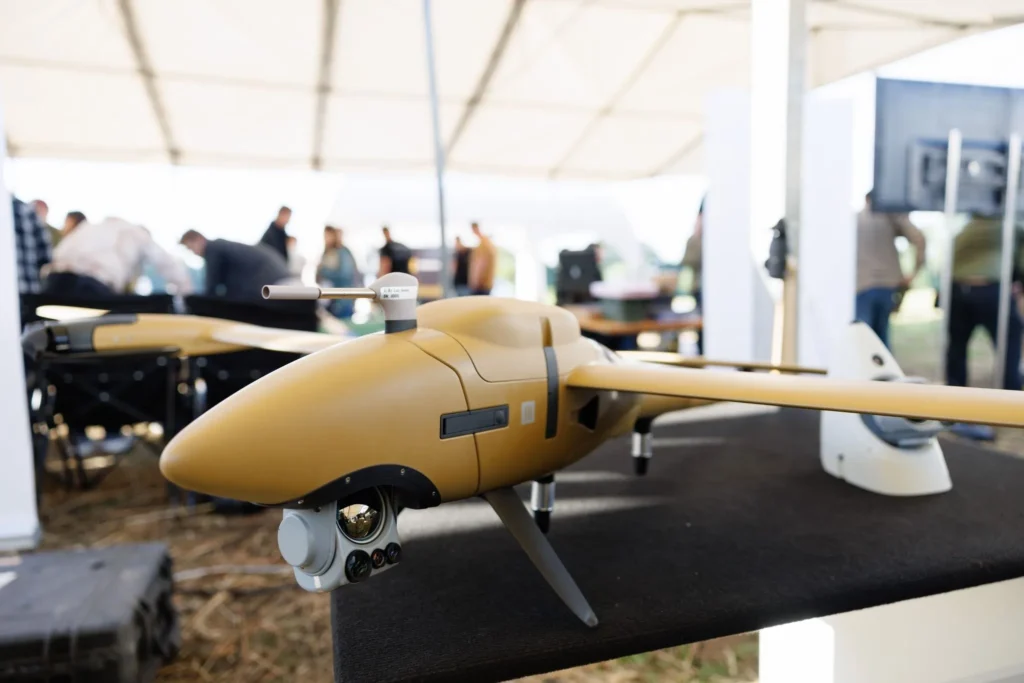
Horlín also spoke about the company’s flagship product – the reconnaissance UAV Vector, which can take off and land vertically, has a low-noise engine and an encrypted IP link that streams video. In Ukraine, the Vector has been in use since May 2022.
Additionally, the company has created a new UAV called Jaeger, designed to intercept hostile unmanned aerial vehicles – demand for it has grown against the backdrop of disruptions at large airports.
Ihor Fedirko – on the controlled export programme Zbroya
Ukraine has launched the controlled export programme for arms, Zbroya, which is meant to become the foundation for the development of the export of defence technologies and the creation of a stable market model. This will allow the country not only to meet its own needs but also to become a competitive supplier on the world arms market. How will the Zbroya programme change the future of Ukraine’s defence industry? In a column for Ukrainian Forbes, Ihor Fedirko, Executive Director of the Ukrainian Council of Defence Industry, explains.
Founder of Athlon Avia Artem Vyunnyk – on the past and present of Ukrainian drones
Athlon Avia’s Artem Vyunnyk gave a video interview to The Page. He spoke about how Ukraine’s drone industry took shape, what difficulties manufacturers overcame since 2014, how defence procurement changed after 2022 and why the drone business became profitable. He also touched on the prospects of exporting Ukrainian drones, the risks of “today’s solutions” development, drone walls and the effectiveness of strikes on Russian oil & gas facilities.
Colonel Ivan Pavlenko – interview with BBC on EW
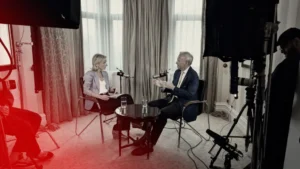
According to military analysts, Ukraine currently has one of the most powerful EW systems. This allows many objects – which cannot be covered by other air-defence systems – to be secured from Russian attacks. The development and functioning of this direction in Ukraine is overseen by Colonel Ivan Pavlenko. In a major interview with BBC News Ukraine, he talked about how strong Ukraine is in electronic warfare, how to counter hundreds of Russian missiles and drones while short of anti-air missiles, how reliable the Starlink system is, the risks of using Telegram and much more.
Who is Horynych
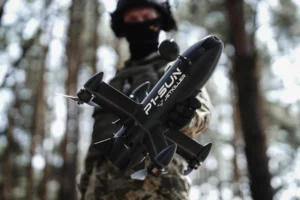
The publication Babel tells about a deep-strike group which has carried out almost a hundred successful missions. It is part of the 14th Regiment of the UAV Forces, and its operations are almost entirely classified. It’s hard to precisely estimate the damage it inflicted on Russia, because it not only hits factories and arsenals, but also disrupts the Russian oil & gas complex. The group’s leader with the call sign Horynych estimates the damage at US$3-5 billion.
Horynych is a former businessman and small-aviation enthusiast. The bomber he works with is named for his call sign. Previously, Horynych never publicly spoke about his work. Babel editor Hlib Husiev visited the preparation and launch of his mission. He asked Horynych about his civilian and military life and told how his group appeared – thanks to perseverance, faith and luck.
In one line
Reading now
1
SkyFall officially unveils Thor Hammer mid-strike and announces 1,000+ km version
2
260+ vacancies in Ukrainian defence technology at BlueBird Tech, Sine Engineering, Buntar Aerospace and more
3
British-Ukrainian Occam Industries raises €3.8m. The funds will go towards scaling drone autonomy software
4
Terra Drone acquires 50% of Ukrainian Kurin Technologies for $3.5 million
5

Autonomous interceptor drones need radars to work. Why is there still a lack of them
By submitting this form, you give Defender Media consent to the processing of personal data.
Надсилаючи цю форму, ви надаєте Defender Media згоду на обробку персональних даних.

Latest news
1
Phantom Defense acquires net-launcher developer KARAKURT to integrate its technology into its UAVs
2
Acoustic sensor developer Zvook raises investment from new Czech fund managed by DEPO Ventures
3

Denmark to hold first-ever Danish Defense Tech Week in four cities: what to expect
4
Forbes: Airlogix plans to raise $100m at a $2bn valuation
5