The Ministry of Defence codifies The Fourth Law’s products: the TFL-1 autonomy module and the Lupynis-10-TFL-1 FPV drone
Yaroslav Azhnyuk says the company has also received a joint testing certificate from the National Guard
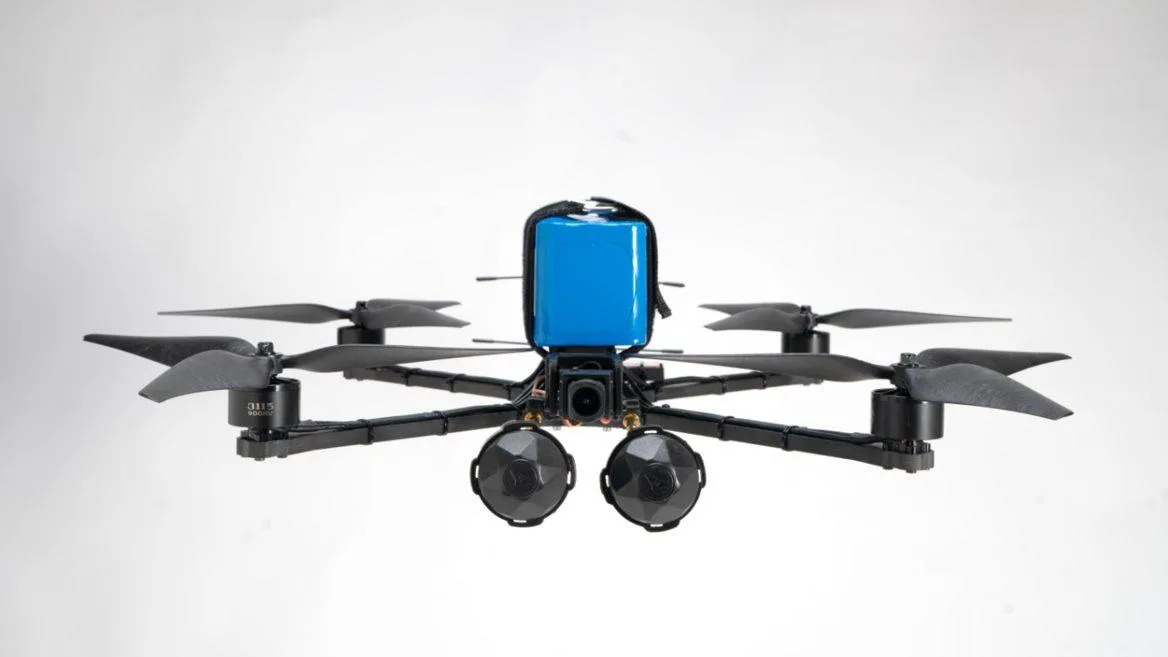
The Ministry of Defence codifies Fourth Law’s products: the TFL-1 autonomy module and the Lupynis-10-TFL-1 FPV drone, photo by developer
The autonomy module TFL-1 and the first-level autonomous FPV drone Lupynis-10-TFL-1, developed by the defence startup Fourth Law, have successfully passed codification by the Ukrainian Ministry of Defence and received a NATO code. Co-founder of Fourth Law, Yaroslav Azhnyuk, announced this on his social media pages.
He added that earlier the company had also received a joint testing act from the National Guard. “Now these products and components can be procured by the State Defence Order and units that required codification,” Azhnyuk explained.
The TFL-1 autonomy module and Lupynis-10-TFL-1 FPV drone were first unveiled in mid-July, although they have been in use by combat units since March 2025. According to the developers, the TFL-1 multiplies the success rate of FPV drone missions while raising their cost by only 10–20%. On the final 500 metres of flight, control of the drone is transferred to an onboard computer that uses artificial intelligence algorithms. Fourth Law claims its engineers have developed a multi-level AI system capable of identifying stationary or moving targets and striking precisely at the centre, regardless of obstacles encountered in real missions.
Azhnyuk noted that codification of the autonomous drone and autonomy modules took significant time, as the approval system is far stricter compared with standard FPV drones or fibre-optic drones. “It required extensive preparation, tests that lasted over a week at the proving ground, and a lot of paperwork,” he concluded.
Last week, Defender Media reported that Ukrainian company Dwarf Engineering, which also develops autonomous technologies for FPV drones, carried out tests of its Narsil autonomous control module.
Reading now
1
SkyFall officially unveils Thor Hammer mid-strike and announces 1,000+ km version
2

260+ vacancies in Ukrainian defence technology at BlueBird Tech, Sine Engineering, Buntar Aerospace and more
3
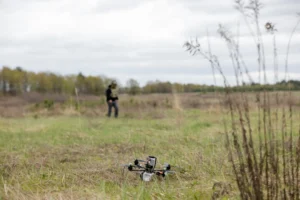
British-Ukrainian Occam Industries raises €3.8m. The funds will go towards scaling drone autonomy software
4
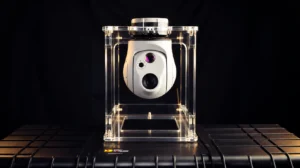
Ukraine’s M-Fly raises new investment round to scale up gimbal production
5
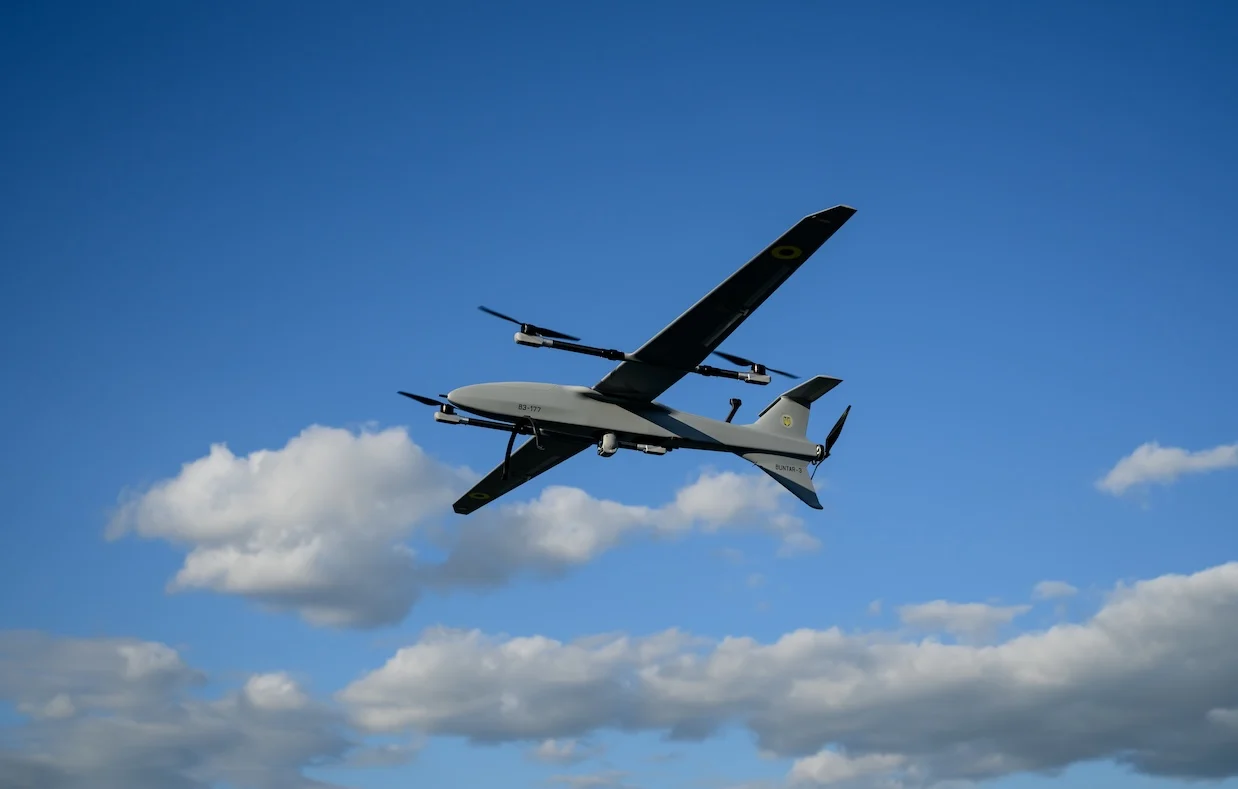
Buntar Aerospace raises $16M to scale up and enter foreign markets
By submitting this form, you give Defender Media consent to the processing of personal data.
Надсилаючи цю форму, ви надаєте Defender Media згоду на обробку персональних даних.

Latest news
1
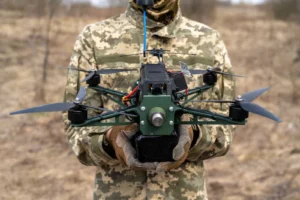
Ukrainian Armor’s UB82D now available through ePoints
2
Sting interceptors down more than 15,500 Russian drones in a year
3
Excalibur International to help Ukrainian-American Bavovna with international expansion
4
Lawmakers propose directing 100% of defence export permit fees to the Armed Forces
5