Ukraine completes second phase of testing sensors for humanitarian demining
The teams were able to identify more than 60% of the items
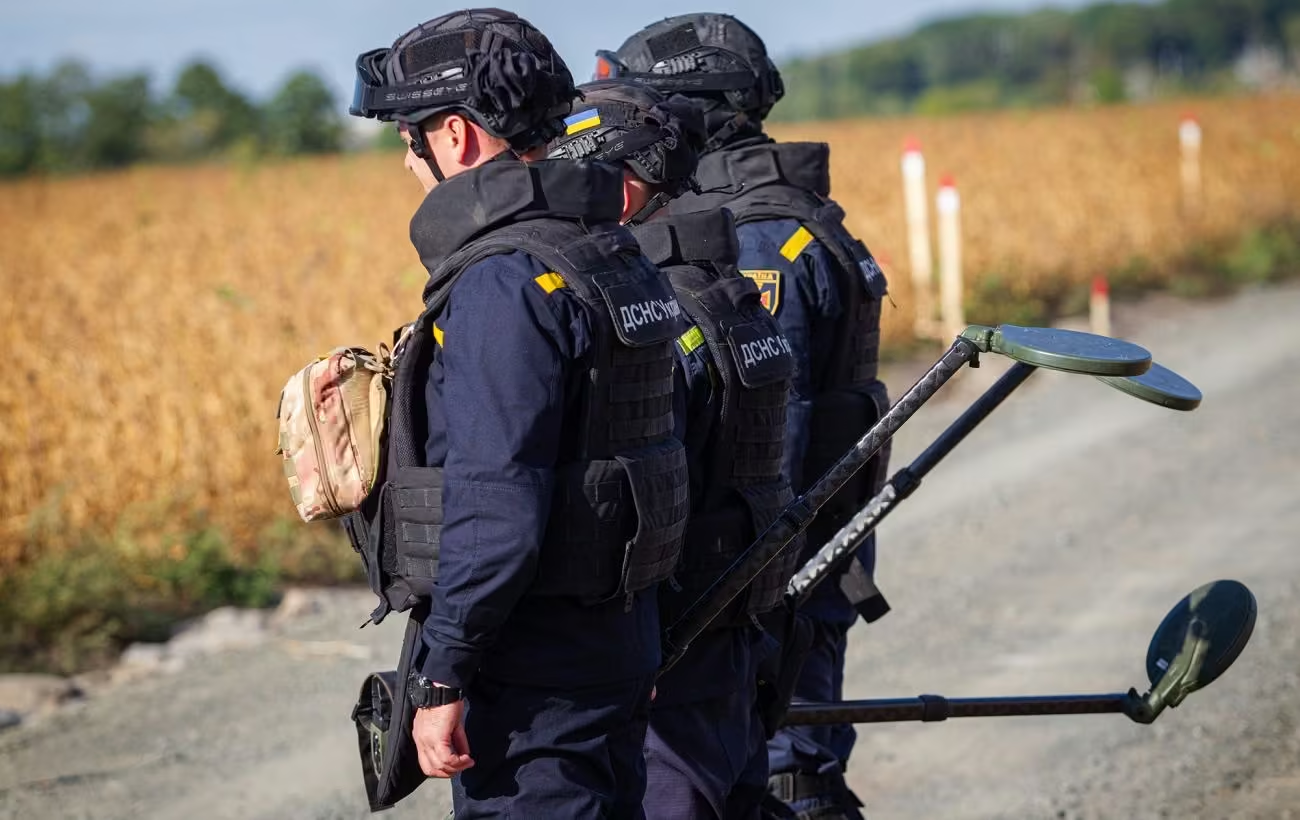
Illustration: Getty Images
Ukraine has completed the second phase of testing sensors for humanitarian demining, with seven teams testing their technologies, reports the Ministry of Economy
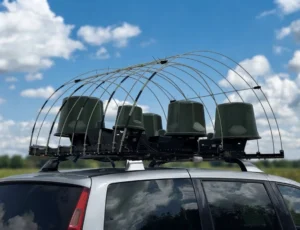
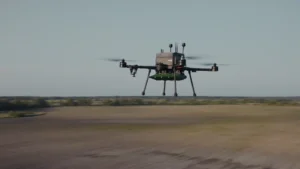
Start-ups such as UADamage, MinesEye, AILand, Socrat, RPS, SafePro and Dropla took part in the competition. These teams were able to detect more than 60% of the objects: both hidden under the soil layer and on the surface. These results will form the basis for a standard on the use of sensor technologies in humanitarian demining.
“Over the year, we have seen significant progress in the development of detection technologies by Ukrainian teams. Both the number of sensors used by the Phase II participants and the quality of the neural networks that analyse the collected information have increased. Importantly, three teams demonstrated a high level of detection of plastic objects. This is a big problem for deminers today, and the use of sensors will make clearing Ukrainian fields safer for deminers. The tests are bringing us closer to creating a standard for the use of sensor technology at the non-technical inspection stage”, Ihor Bezkaravaynyi, Deputy Minister of Economy of Ukraine says.
International companies also took part in the tests. The teams demonstrated the effective integration of electro-optical sensors with artificial intelligence and machine learning systems for non-technical surveys of suspected contaminated areas. The seven organisations tested their solutions on a 1.44-hectare area containing 27 mines, cluster munitions and unexploded ordnance, both on the surface and underground, to create conditions as similar as possible to those in mined areas in Ukraine. The test participants managed to detect 78% of explosive items on the surface, about 70% of metal and buried items, and 62% of plastic items.
According to Jaco Silier, UNDP Resident Representative in Ukraine, the knowledge and experience gained from the recent trials will help them to improve AI algorithms and integrate remote sensing technologies, which are essential to improving the effectiveness of demining efforts in Ukraine.
The results obtained indicate a significant potential for the use of modern remote sensing technologies in humanitarian demining, which will significantly increase the efficiency and effectiveness of humanitarian mine action efforts in the country.
The trials highlighted the critical importance of innovation in the fight against landmines and explosive remnants of war in Ukraine. They also have the potential to create safer communities and accelerate the country’s economic recovery.
The tests were organised by the UNDP Mine Action Project in cooperation with the Ministry of Economy of Ukraine. The second phase of the trials is a continuation of a series of trials conducted in Ukraine in the summer of 2023 with the support of Croatia, France, Malta, the Netherlands and Sweden.
Reading now
1
SkyFall officially unveils Thor Hammer mid-strike and announces 1,000+ km version
2

260+ vacancies in Ukrainian defence technology at BlueBird Tech, Sine Engineering, Buntar Aerospace and more
3
British-Ukrainian Occam Industries raises €3.8m. The funds will go towards scaling drone autonomy software
4
Terra Drone acquires 50% of Ukrainian Kurin Technologies for $3.5 million
5

Autonomous interceptor drones need radars to work. Why is there still a lack of them
By submitting this form, you give Defender Media consent to the processing of personal data.
Надсилаючи цю форму, ви надаєте Defender Media згоду на обробку персональних даних.

Latest news
1
Tencore launches an ecosystem to bring together UGVs and components from several manufacturers
2

Defense companies may see staff deferrals cut from 100% to 85%
3
Japan signs contract with Ukrainian company SkyFall to procure interceptor drones
4
260+ vacancies in Ukrainian defence technology at BlueBird Tech, Sine Engineering, Buntar Aerospace and more
5