September 19, 2026
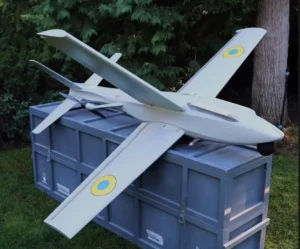
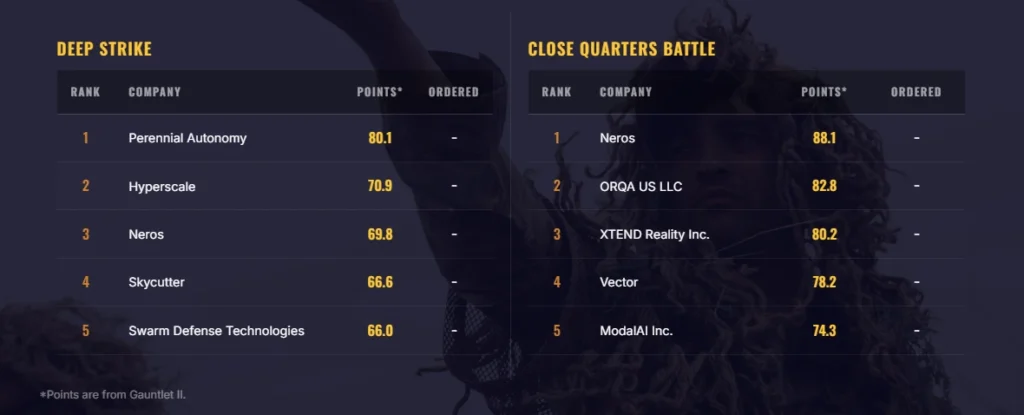
The highest score in deep strikes went to Perennial Autonomy, the American company of Eric Schmidt, which developed the Hornet drone
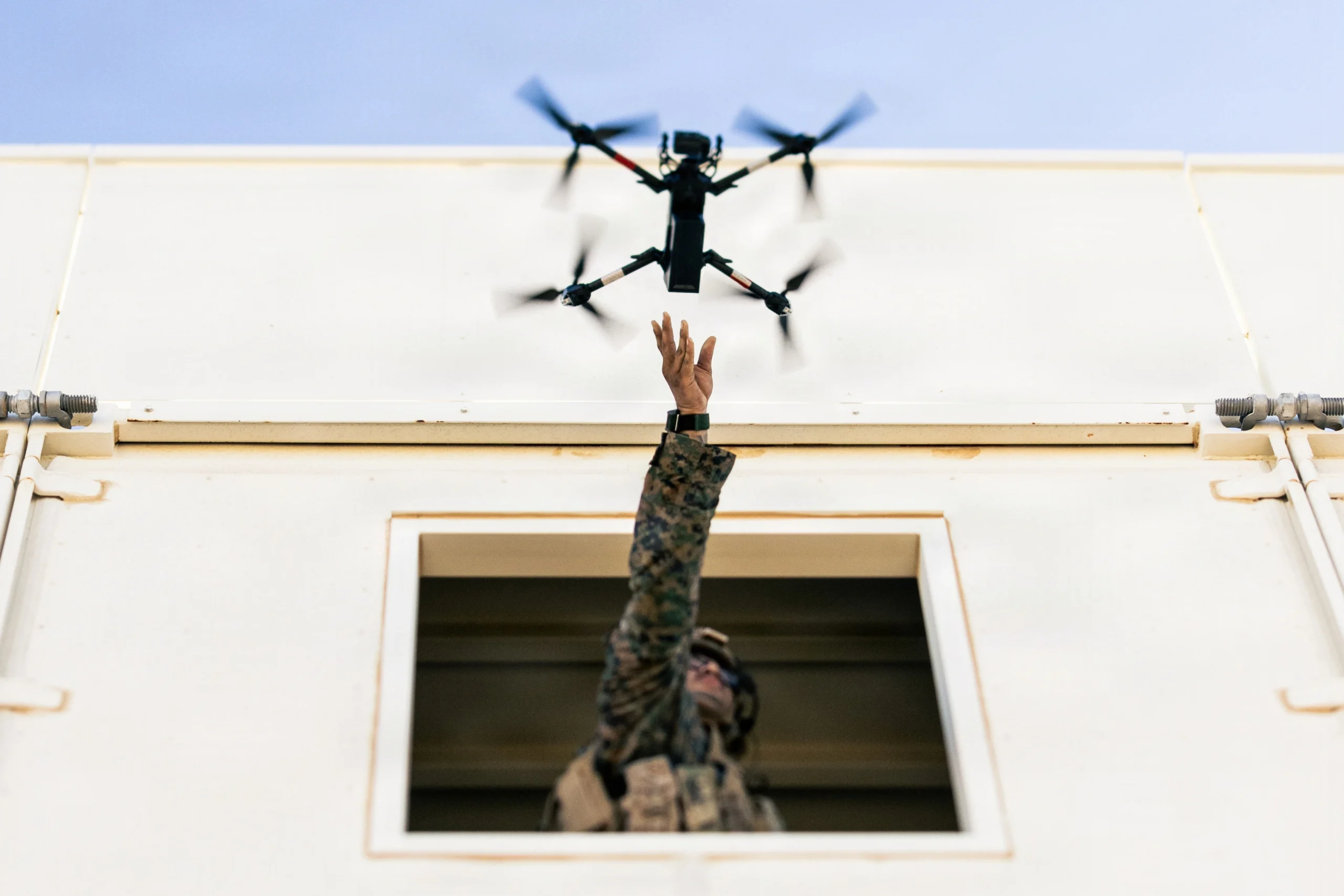
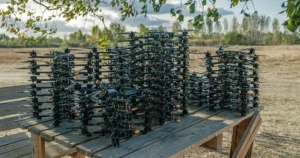
The results of the second phase of the Drone Dominance programme’s UAV manufacturer competition have been published on the programme’s website. The winners will receive contracts from the US Department of War. Following the second phase, the Pentagon selected five winners in each of two categories: close-range combat and deep strikes at 15 km.
Ukrainian manufacturers that had publicly announced their participation in the programme did not make the list of winners in either category. Defender Media previously reported that F-Drones, General Cherry, Grim Tech and Stellarion had confirmed advancing to the main testing phase.
According to Defender Media sources, Ukrainian companies are among the winners after all, although they did not publicise their participation in the competition. Their systems took part in the current trials on behalf of Western partner companies.
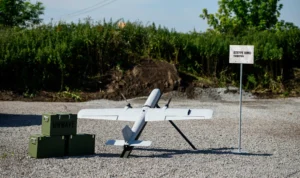
The highest score in deep strikes went to Perennial Autonomy, the American company of Eric Schmidt, which developed the Hornet drone. The full top five is as follows:
These companies will receive contracts to supply drones to the Pentagon, order volumes will be determined later.
In the close-strike category, first place went to Neros, another American company. Last year it received a contract to supply 6,000 Archer FPV drones to Ukraine.
The top five winners among close-range drones are therefore as follows:
Stellarion has named several challenges it faced during the programme. In particular, obtaining export permits for its products and logistics took a considerable amount of time.
‘This complicated the integration of products with American components, including warheads, and affected the ability to fully adapt the integrated solution within the set timeframe’, its representatives say.
Sourcing NDAA-compliant components also took additional time. According to the company, some Ukrainian manufacturers had to seek new suppliers or adapt existing solutions.
In addition, bureaucratic delays in obtaining visas for specialists prevented technical issues from being resolved quickly on site.
At the same time, the organisers state that companies which did not make the top 5 will be entitled to take part in future competitions. This also applies to the Ukrainian manufacturers mentioned above.
In October, the programme will hold the Gauntlet 2.5 competition, in which the military will assess the bombers’ performance.
The third phase of Drone Dominance will begin in February 2027. The Pentagon has announced that mission complexity will increase in this and the fourth stage. Manufacturers will be expected to provide functions that ‘reduce the cognitive load on operators’. This refers in particular to the ability to control several drones at once.


By submitting this form, you give Defender Media consent to the processing of personal data.
Надсилаючи цю форму, ви надаєте Defender Media згоду на обробку персональних даних.