Brave1 tests mounting systems from student “Drone with Paws” challenge
Five designs selected from 33 participating teams were admitted to testing
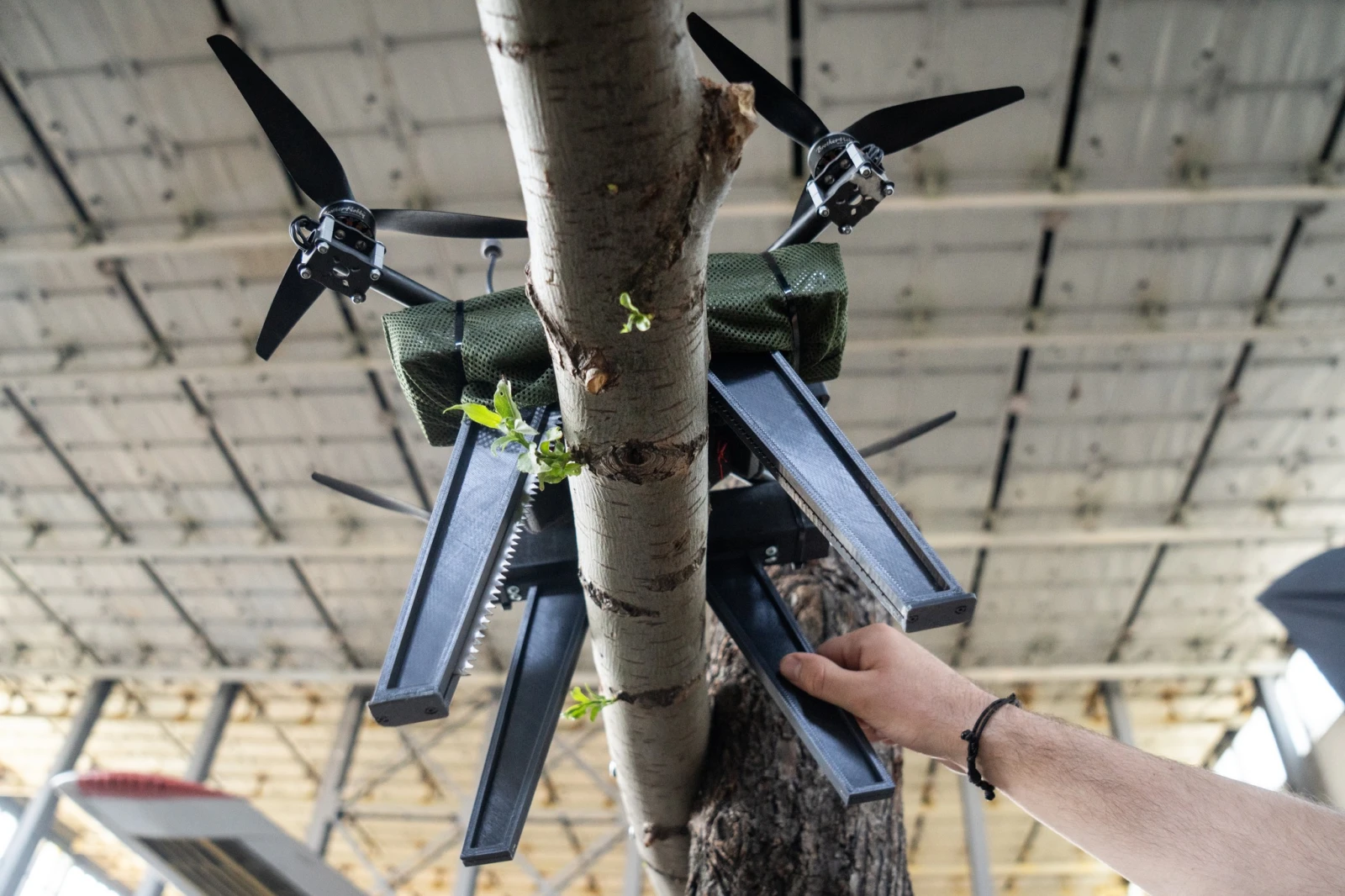
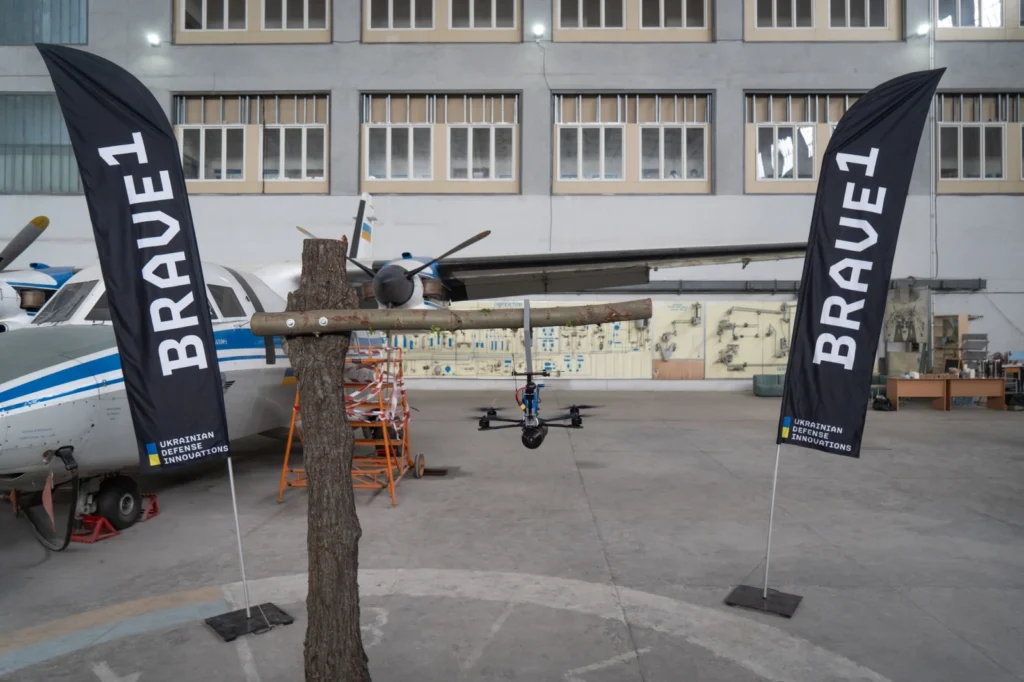
“Drones with paws”, one of the student-developed systems. Photo by Brave1
The defense tech cluster Brave1 has conducted the final evaluation phase of the student engineering hackathon “Drone with Paws”. Participants developed specialized mechanical attachments for FPV and reconnaissance quadcopters. These perching mechanisms allow drones to anchor themselves to tree branches or vertical structures. Once attached, the platforms can remain in an energy-saving standby mode prior to mission deployment or target engagement.
Five innovative designs advanced to the operational testing phase. They were shortlisted from 33 competing teams representing 19 Ukrainian higher education institutions. The participants had a two-month window to develop functional prototypes. During this time, the finalists received manufacturing support, 3D-printing resources, and technical expertise from established Ukrainian defense technology enterprises.
As reported by Oboronka, the iKOZAKY team from Donetsk National Technical University developed a hook-type mechanical attachment optimized for gripping horizontal branches. The component can be 3D-printed in approximately five hours. It is configured to support unmanned systems weighing up to 20 kilograms. A standard 10-inch FPV drone airframe was utilized during these field trials.
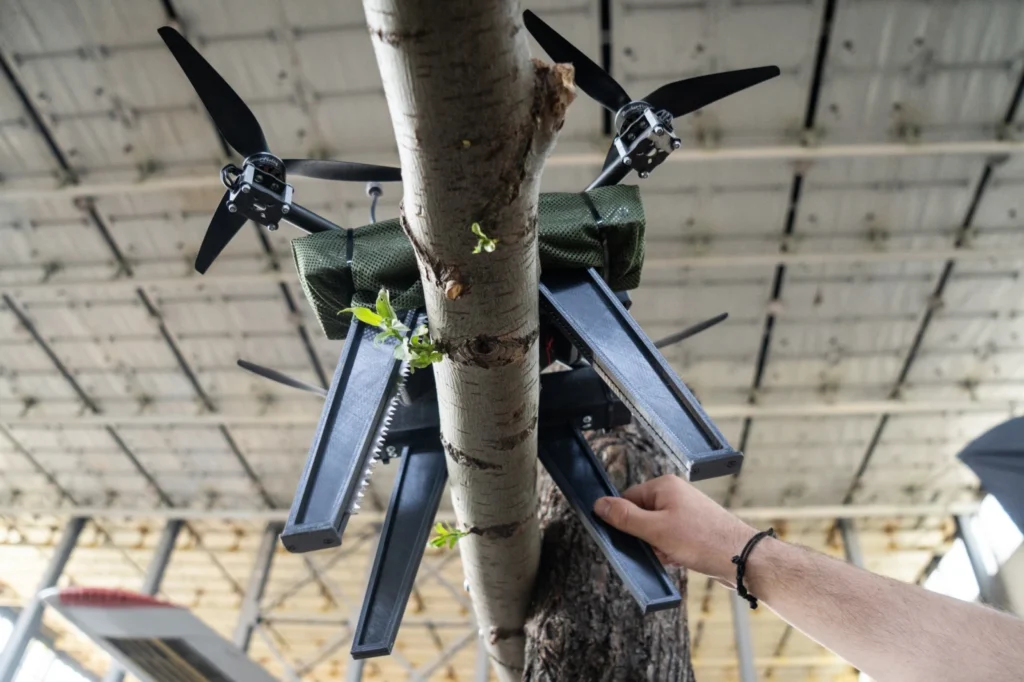
The Easy Grip team from Zhytomyr Polytechnic presented an integrated module featuring clamp-style landing gear, which functions both as launch supports and as an anchoring mechanism for branches. The structural assembly is fabricated from multiple polymer variants reinforced with TPU straps. According to the engineering team, the 600-gram module is tailored specifically for 10-inch FPV platforms.
Another research team from Igor Sikorsky Kyiv Polytechnic Institute unveiled the “Deer Antlers” system, tailored for fibre-optic-guided FPV drones utilizing a 13-inch frame. The payload configuration consists of a mechanical claw mechanism that clamps onto a branch, coupled with electronic actuators that release the drone from the mount upon receiving a command from the pilot.
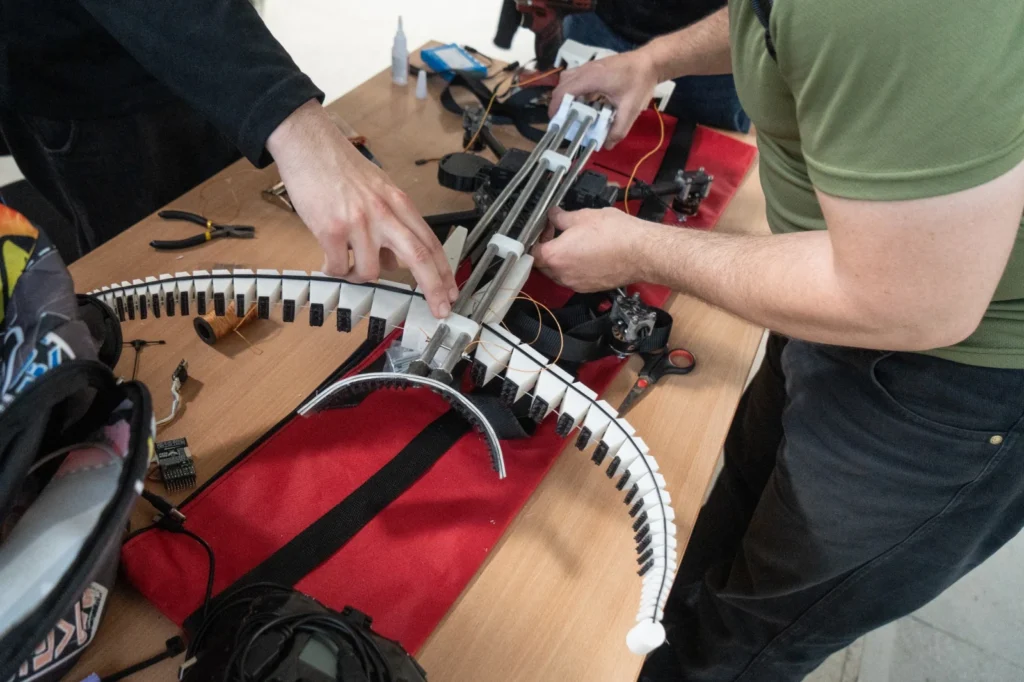
The Squidrone team engineered a specialized module designed for anchoring UAVs to vertical surfaces. This includes tree trunks and utility poles. The mechanism is based on a logarithmic spiral architecture that constricts around a surface using a high-tensile cable and ratchet system. The developers noted that the mechanism performs optimally on surfaces with a diameter of approximately 15 centimetres.
Concurrently, another team from Kyiv Polytechnic Institute, named Spicy Chicken Legs, was unable to field their design in the final evaluations. The team had been developing specialized mounts for reconnaissance UAVs. However, their prototype sustained critical damage during a hard landing on the eve of the trials.
The challenge was organized under the umbrella of Brave Students. This dedicated initiative was launched by Brave1 to integrate academic talent into practical defense technology projects. The framework prioritizes structured cooperation between student engineering cells and specialized defense enterprises. Its primary focus is solving real-world technical requirements for the defense sector.
Reading now
1

260+ vacancies in Ukrainian defence technology at BlueBird Tech, Sine Engineering, Buntar Aerospace and more
2
Forbes: Airlogix plans to raise $100m at a $2bn valuation
3
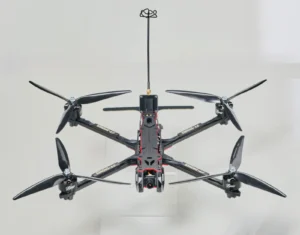
US Buys 1,320 more FPV drones from Ukraine’s F-Drones for $6.5M
4
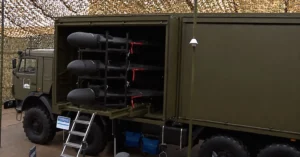
Black Mirror #79: What’s inside Geran-4, unmanned tanks, balloon barrages and more of a new russian miltech
5
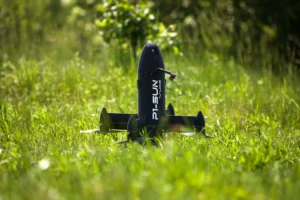
Japan signs contract with Ukrainian company SkyFall to procure interceptor drones
By submitting this form, you give Defender Media consent to the processing of personal data.
Надсилаючи цю форму, ви надаєте Defender Media згоду на обробку персональних даних.

Latest news
1
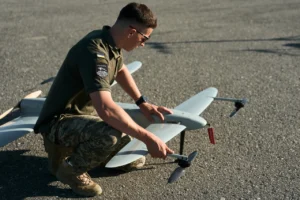
ANT upgrades Mercury reconnaissance UAV system: flight time increased to five hours
2
DevDroid and Norway’s Inission Norge AS to cooperate on the production of UGV remote control systems
3

Black Mirror #81: what’s inside the Kometa, the Gerbera with a warhead, a combat video database for AI training and other Russian miltech updates
4
TENCORE buys manufacturers of TOR UGV and MAT1LDA amphibious vehicle
5