September 15, 2026
The system enables parallel operation for up to three pilots with seamless switching between airframes
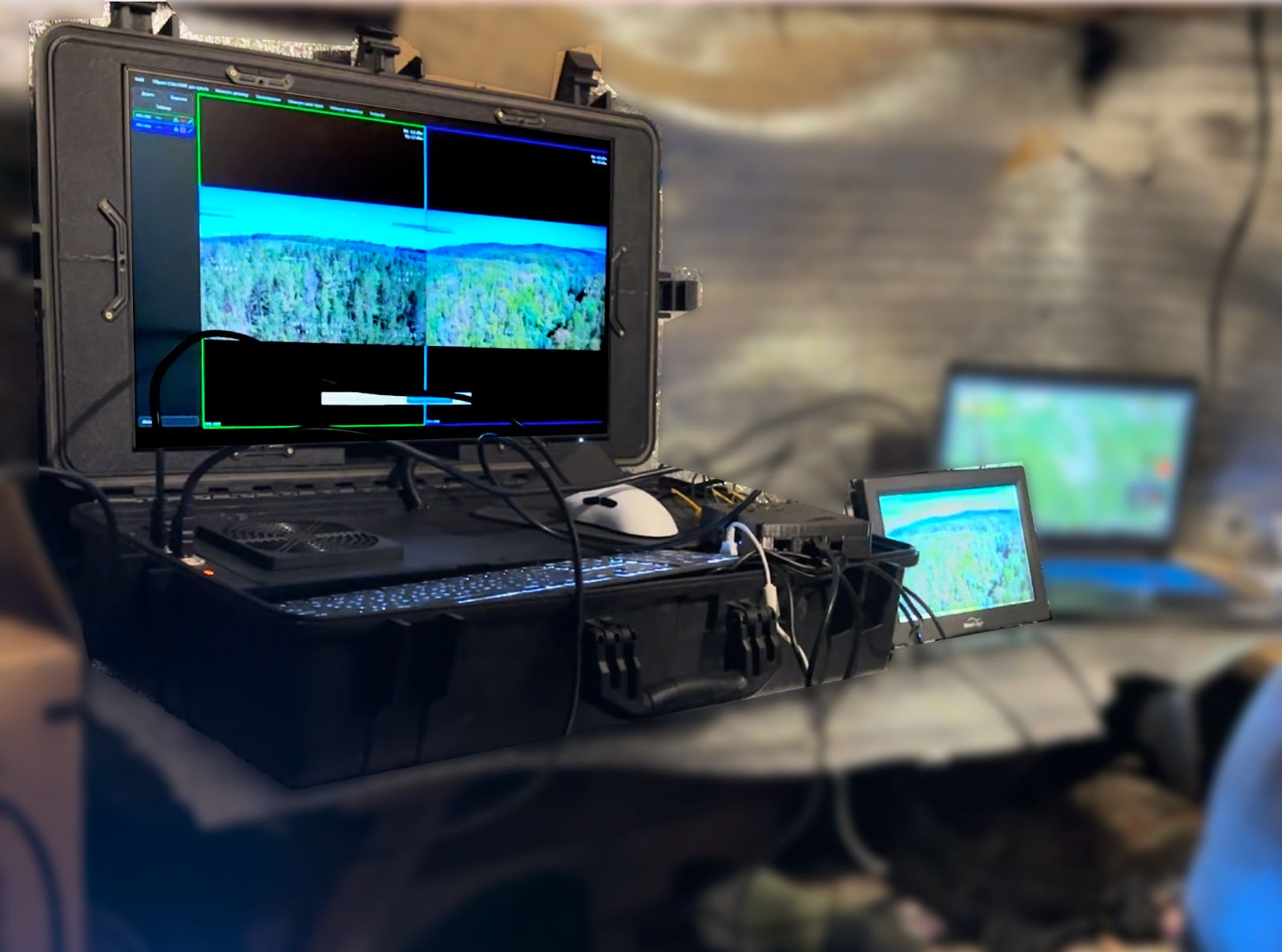
Ukrainian defence tech developer 3DTech has unveiled the HYDRA KHYZHAK REBOFF unmanned aircraft system. The solution allows a single ground control station (GCS) to manage a group of up to five fiber-optic strike FPV drones while transmitting real-time video feeds.
According to information obtained by Defender Media, the system is designed for Defence Forces units to conduct coordinated ambush operations, synchronised strikes, and missions in complex electronic warfare (EW) environments.
The architecture supports simultaneous connection of up to five UAVs, with video streams displayed on a single or multiple monitors, and is fully compatible with pilot goggles. The system’s primary innovation lies in its ability to support the simultaneous operation of three pilots, paired with a rapid-switching function between airframes.
Furthermore, the system delivers high-definition digital feeds during deployment, enabling direct video broadcasting to a command post.
The complex features integrated automation tools, including an artificial intelligence engine for automatic target detection and real-time link budget monitoring. This telemetry provides the pilot with critical data to make immediate tactical decisions: whether to RTB (return to base), engage a secondary nearby target, or proceed with the flight. Remote piloting capabilities via Starlink satellite communication are also integrated, significantly expanding operational flexibility in long-endurance ambush or “loitering” scenarios.
Key performance specifications include a standby endurance of over six hours, a rapid-launch interval of approximately one second between consecutive drone deployments, and remote minelaying capabilities. The system is fully compatible with military situational awareness platforms.
The developers emphasise that the platform is engineered for a minimal footprint, optimising crew size while ensuring resilience under intense electronic suppression, thereby maximising mission effectiveness on the battlefield.




By submitting this form, you give Defender Media consent to the processing of personal data.
Надсилаючи цю форму, ви надаєте Defender Media згоду на обробку персональних даних.