AI-powered drone system for mine detection tested in Ukraine
This is the first Ukrainian project in this field to receive R&D funding from NATO
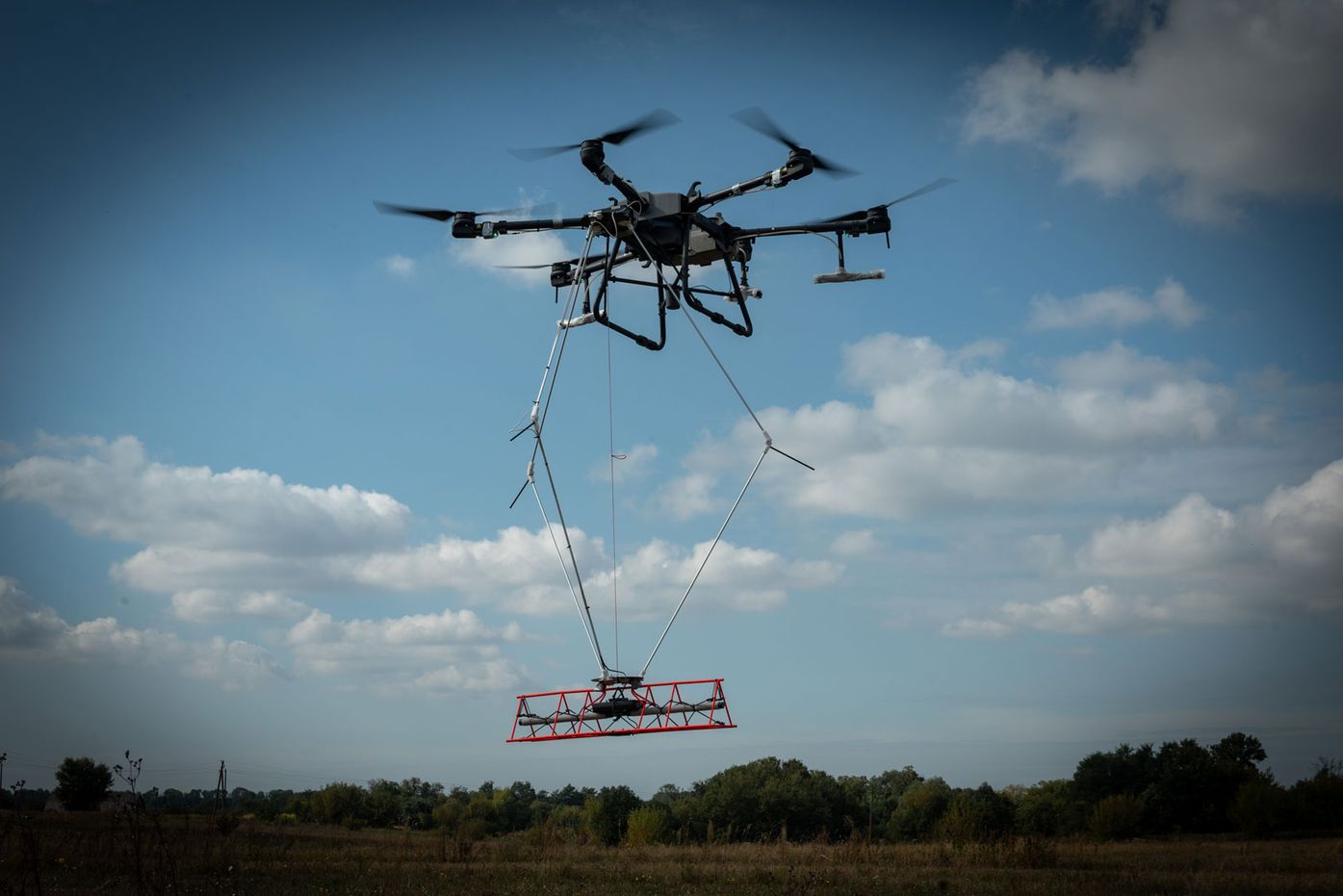
Photo by Postup fundation
The “Postup” Foundation has developed a remote humanitarian demining platform called MinesEye and successfully tested it in real-world conditions. The platform uses multi-sensor drone systems enhanced with artificial intelligence. The tests took place at a lake in northern Kyiv region, where explosive remnants of war remain buried under layers of silt following the battles of 2022.
The demonstration demining operation was carried out jointly with the mine action operator LLC “Rizik Control”. During the mission, the drone completed two 15-minute flights, flying at an altitude of only 20 cm above the water surface. Within the surveyed area of 2,200 m², more than 25 ferromagnetic anomalies were detected, 18 of which were selected for further underwater inspection.
The MinesEye system is based on agricultural drones and uses precision farming algorithms to map minefields. The system is capable of detecting up to 90% of mines and UXO, including those in tall grass or underground. High-resolution magnetic imaging, combined with artificial intelligence for visual data analysis, ensures accurate interpretation of the results. The drone can detect mines at depths of up to 0.5 m and shells at depths of up to 3 m.
The developers are focused on the gradual automation of the entire process – from data collection to report generation. To support implementation, specialists from the Institute of Geophysics, who have extensive expertise in magnetic research, have been involved.
Development has been ongoing since 2022 in cooperation with the State Emergency Service of Ukraine. This is the first Ukrainian project in this field to receive R&D funding from NATO. In February 2025, a memorandum on the implementation of the system was signed, and the first installation has already been delivered to the State Emergency Service after the surveying of 400 hectares of mined and potentially mined areas in Kharkiv and Mykolaiv regions.
As part of the research expansion, the team is also working on a new project in collaboration with the municipality of Wrocław, Poland. In June 2025, the first experiments using drone-mounted echosonars were conducted to study the thickness of sediment in infiltration ponds.
According to Vlad Kozak, founder and head of the Postup Foundation, the team is now beginning to commercialise the project. A company has already been registered in Poland, specialising in artificial intelligence and the development of electronic systems for collecting and processing data from drone sensors (sensor fusion systems). The team is working to establish partnerships with Ukrainian developers and is seeking investment to advance this direction.
It is also worth noting that Ukrainian startup UADamage has raised $400,000 in investment to scale up drone demining technology.
Reading now
1

“His opponents’ victory could become a defeat for Ukraine”. How the defence tech market is reacting to Mykhailo Fedorov’s resignation
2
German Helsing raises $1.8bn in investment and appoints a new managing director in Ukraine
3

SkyFall, F-Drones and seven other Ukrainian manufacturers become founding members of EU-Ukraine drone alliance
4
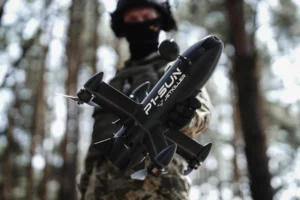
SkyFall unveils new P1-SUN JetKiller interceptor drone against jet-powered Shaheds
5

Farsight Vision has developed a tool that determines a drone’s position from intercepted video
By submitting this form, you give Defender Media consent to the processing of personal data.
Надсилаючи цю форму, ви надаєте Defender Media згоду на обробку персональних даних.

Latest news
1

130+ defence tech jobs: Who Twist Robotics, Airlogix, ‘Omega’, and other companies are hiring
2
General Staff says seven Ukrainian companies are developing guided aerial bombs
3

Kyiv Growth Summit 2026 rescheduled to 1 August: Why the defence tech community should attend
4
InLab unveils Stryi EW system with a jamming range of up to 50 km
5