September 10, 2026
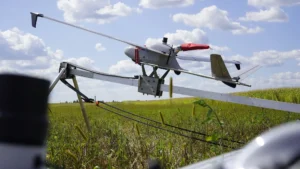
In one sortie, the UAS takes 1,200–1,500 aerial photographs at an altitude of up to 1,500 m and covers an area of approximately 40 km²
The economics of war are well illustrated by the example of air defence systems: despite the availability of cheaper alternatives, states seek to obtain the Patriot specifically for its effectiveness in protecting infrastructure and minimising losses. Alternatives are less expensive but lack the same effectiveness, which worsens the consequences of missile attacks. The same logic applies to aerial reconnaissance – in wartime conditions, what matters is not the cost of the airframe, but the cost per square kilometre of intelligence. Cheap reconnaissance platforms appear cost-effective until reality leads to frequent airframe losses and a shortage of quality data for analysis due to mediocre equipment.
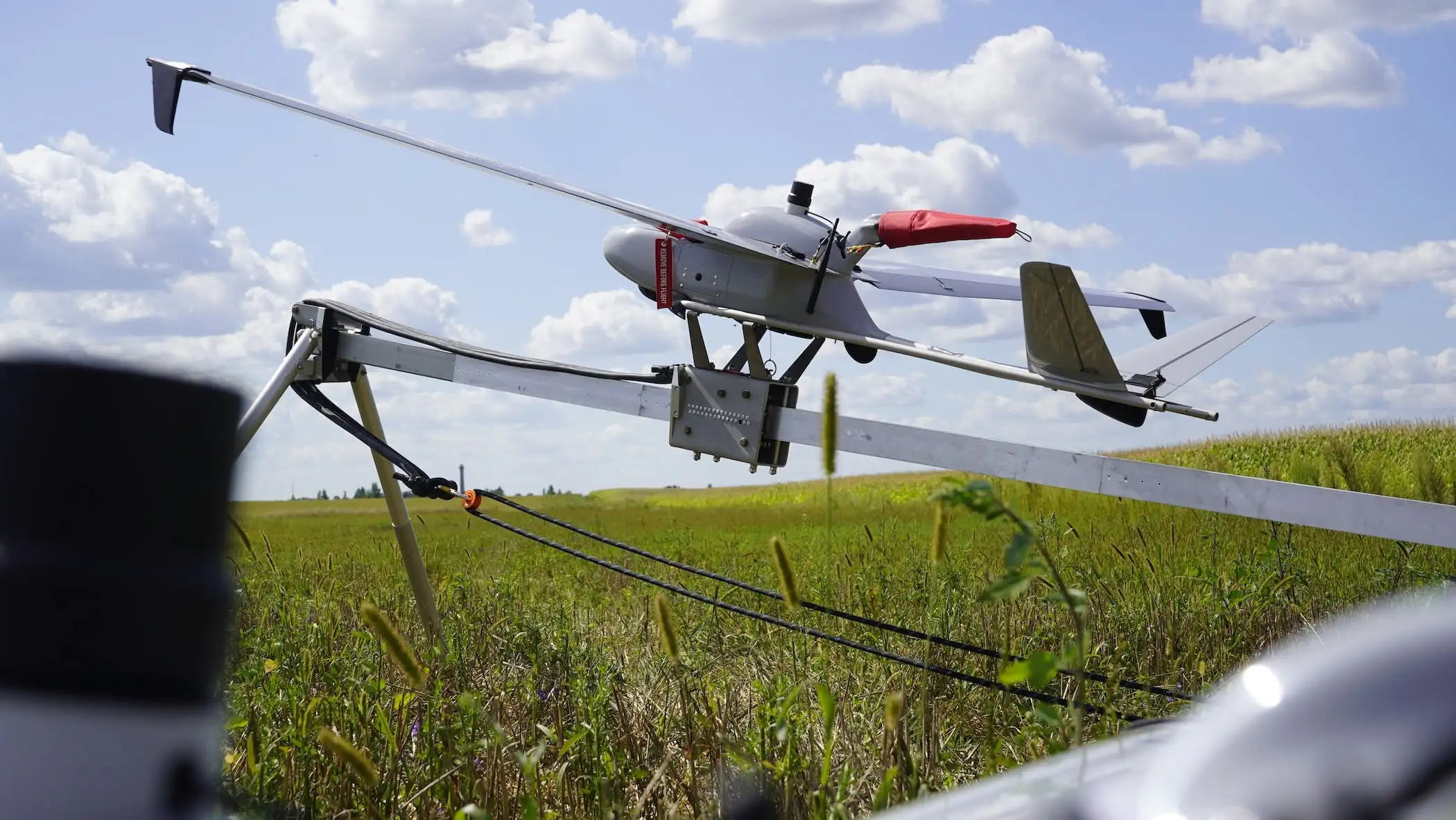
FLIRT CETUS is a response to the modern requirements of photo reconnaissance – the UAV flies higher, stays airborne longer, is harder to hit, and provides more accurate intelligence. The system’s proven reliability and effectiveness result in a lower levelised cost of surveying 1 km². As of 2026, in practice one UAS achieves around 35 sorties per month, whereas more affordable solutions with a higher risk of loss only optimise procurement while negatively affecting the overall economics of war.
The FLIRT CETUS photo reconnaissance platform has successfully defended Kyiv from the onslaught since the first days of the full-scale war and, over the course of its use on the front in subsequent years, has received high praise from the military. The airframe performs multiple sorties within an operational radius of 70 km and under conditions of dense enemy electronic warfare and air defence, keeping the actual mission cost relatively low.
In one sortie, the UAS takes 1,200–1,500 aerial photographs at an altitude of up to 1,500 m and covers an area of approximately 40 km². Under these conditions, the levelised cost of processing 1 km² is approximately $25, according to FLIRT CETUS sortie statistics in current combat conditions. This allows units not to limit themselves to one-off use, but to systematically obtain intelligence over an extended period. Regular flights make it possible to track changes on the ground, update the situational picture, and respond to changes in the environment.
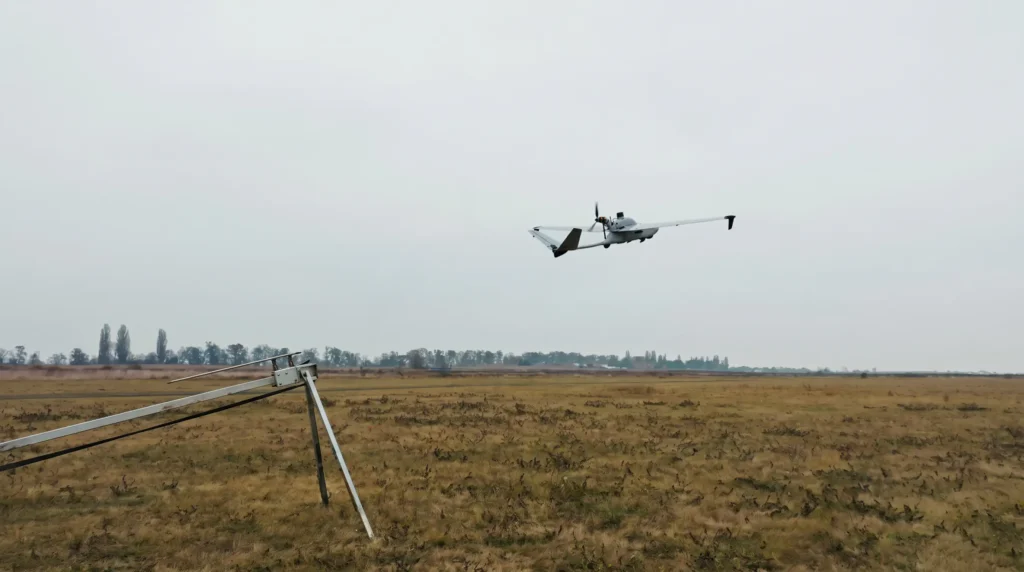
Practical experience confirms the system’s effectiveness: the average number of sorties per aircraft over its combat service cycle is 35, which, according to available statistics, is 5 times more than alternatives. For teams, every airframe preserved means lower replacement costs and continuity of operations. The longer a platform remains in service, the lower the cost per sortie becomes.
In combat conditions, an inferior camera forces a reconnaissance aircraft to do what it should avoid – fly lower. FLIRT CETUS uses a 61-MP SONY ILX-LR1 camera, whereas solutions used in alternatives range from 20 to 25 MP. This means that to achieve better detail, cheaper systems must operate at a lower altitude, where the risk of detection and destruction is higher. Better resolution gives FLIRT CETUS the ability to: cover more ground, require fewer repeat sorties, and achieve a lower actual cost of surveying 1 km².
In a prolonged war of attrition (including economic attrition), it is not the cheapest solution that wins, but the system that remains operational for a long time and regularly collects accurate intelligence data. FLIRT CETUS provides this advantage through its range of operating altitudes, equipment precision, imaging quality, and resistance to electronic warfare, as confirmed in real combat conditions. The system was not designed as a consumable to be constantly replaced. Its value lies in preserving reliability and combat capability where more affordable solutions quickly become an additional expense.
This material was provided by a partner and published on advertising terms




By submitting this form, you give Defender Media consent to the processing of personal data.
Надсилаючи цю форму, ви надаєте Defender Media згоду на обробку персональних даних.