FLIRT CETUS: one airframe – 102 confirmed missions
“I’ll soon have a hundred sorties. This airframe is as reliable as an AK-47” – this is how an experienced pilot described FLIRT CETUS in the early days of the war
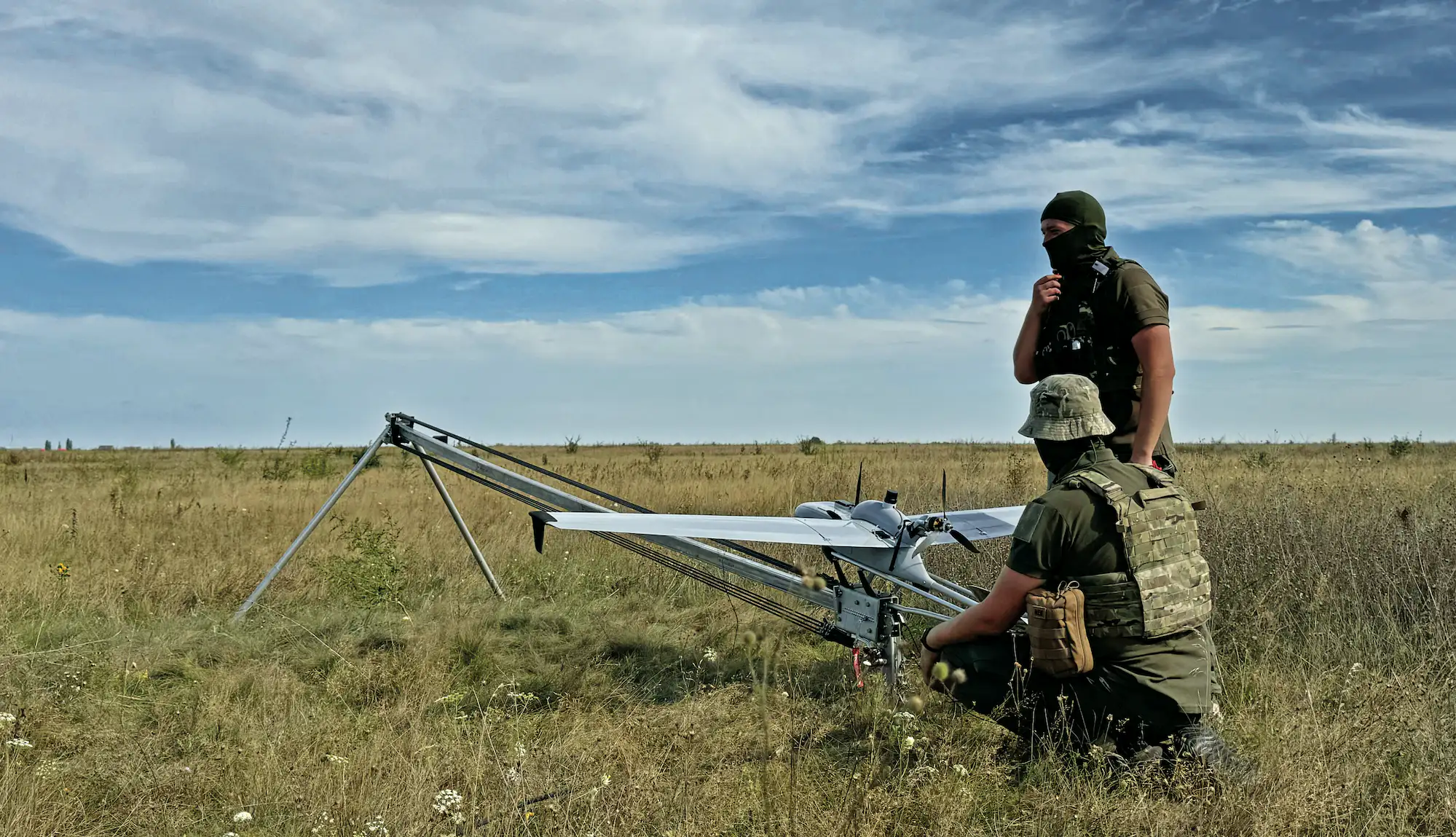
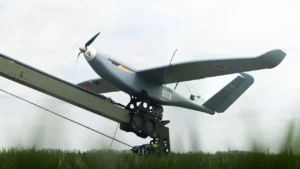
Military Personnel Prepare for the FLIRT CETUS Flight
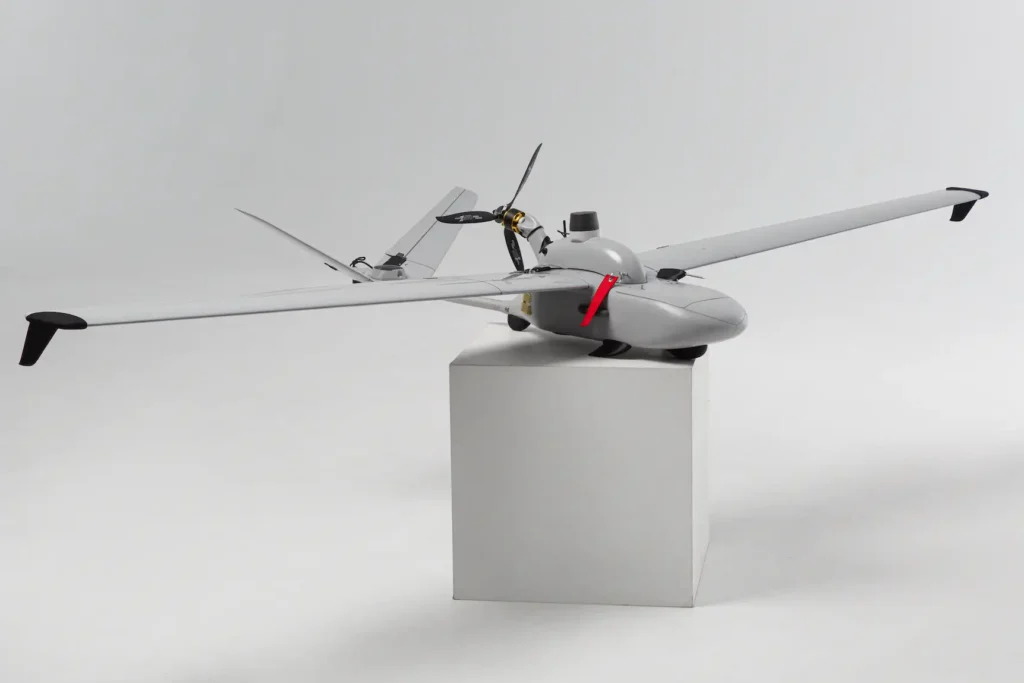
FLIRT CETUS was originally created for civilian aerial photography reconnaissance missions, but its qualities proved indispensable after the start of the full-scale invasion. From the first days of the war, particularly during the defence of Kyiv, the UAS became one of the first photo-reconnaissance aircraft to demonstrate that for modern aerial reconnaissance, it is not enough simply to get an airframe into the air – it must also be a difficult target for the enemy, which allows a single system to be used for repeated missions. This is why the UAV FLIRT CETUS is not about single use, but about reliability, data quality, and the ability to operate where conventional photo-reconnaissance aircraft quickly drop out of service.
Reliable by design
The fixed-wing photo-reconnaissance aircraft FLIRT CETUS is distinguished by high survivability. Unlike typical reconnaissance systems in its class, the system has a longer flight range, variable operating altitudes, a 61 MP camera, and a jam-resistant GNSS system. This allows it to shoot from a greater altitude without losing detail, remain less visible in the sky, and cover a larger area in a single sortie.
The UAV runs on an electric drive, giving it a low acoustic signature and preventing it from giving itself away through noise. An operational radius of up to 70 km extends the crew’s working area, while secure communications ensure mission stability under electronic warfare conditions. An additional advantage is the absence of forward-facing cameras, which significantly reduces the risk of detection.
Practical experience confirms the effectiveness of the system: at the front line, there are examples of FLIRT CETUS airframes that completed 102 combat missions without losses within a single aerial reconnaissance unit in 2023 alone. In 2025, the number of confirmed missions for another unit reached 36. In photo-reconnaissance, this number of operations using a single airframe means a greater service life for the system and, as a result, a lower unit cost of processing per 1 km² – approximately $25.
SONY ILX-LR1: when the image determines the result
The FLIRT CETUS photo-reconnaissance aircraft is equipped with a full-frame SONY ILX-LR1 camera with a resolution of 61 MP, providing images measuring 9504 × 6336 pixels. For photo-reconnaissance, this is an operational advantage, as higher resolution means more detail in each image. This allows operators to fly higher and enables analysts to work with the material in greater depth – identifying objects and targets more accurately, better assessing changes, and generating higher-quality data for further processing. The solution is suitable for tasks such as mapping, photogrammetry, infrastructure inspection, and analysis of routes, shelters, enemy positions, and more.
High image quality = lower risk to the system
The highly detailed material collected by FLIRT CETUS is better suited for analysis compared with images from lower-class cameras. This is an important factor when operating in difficult conditions, where a repeat sortie could result in the loss of the aircraft. When the system delivers quality material the first time, the unit saves significant time and resources. However, high-quality images are only valuable when they can be quickly converted into practical intelligence suitable for analytics and GIS. This is why the system includes software for mission planning and parameter calculation, as well as for processing aerial photographs, which helps build a more accurate situational picture in the combat zone.
A UAS that keeps pace with the war
For a unit, the value of a photo-reconnaissance aircraft lies not in a single successful launch, but in its ability to remain operational after completing a series of missions. FLIRT CETUS is a reliable solution for systematic aerial reconnaissance – it enables operations to be planned over greater distances, provides more accurate intelligence data, and does not require constant replacement of airframes, which is critically important in a war of attrition.
This content was provided by a partner and published as advertisement
Reading now
1
SkyFall officially unveils Thor Hammer mid-strike and announces 1,000+ km version
2

260+ vacancies in Ukrainian defence technology at BlueBird Tech, Sine Engineering, Buntar Aerospace and more
3
British-Ukrainian Occam Industries raises €3.8m. The funds will go towards scaling drone autonomy software
4
Terra Drone acquires 50% of Ukrainian Kurin Technologies for $3.5 million
5

Autonomous interceptor drones need radars to work. Why is there still a lack of them
By submitting this form, you give Defender Media consent to the processing of personal data.
Надсилаючи цю форму, ви надаєте Defender Media згоду на обробку персональних даних.

Latest news
1

Denmark to hold first-ever Danish Defense Tech Week in four cities: what to expect
2
Forbes: Airlogix plans to raise $100m at a $2bn valuation
3
Tencore launches an ecosystem to bring together UGVs and components from several manufacturers
4

Defense companies may see staff deferrals cut from 100% to 85%
5