Dorozvidka #10: Replacing the Mavic 3, what Killzone and Link-16 are, and FPV drones against strategic aviation
A round-up of the week’s highlights from editorial backlog

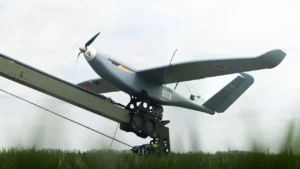
Long-range drones ‘Lyutyi’. Photo: Yevhen Maloletka / The Associated Press
The tenth edition of Dorozvidka comes out on the day of a successful special operation by the Security Service of Ukraine (SBU), which used FPV drones to attack long-range aviation airfields in several regions of Russia. The operation is already being called textbook asymmetric warfare.
In Dorozvidka #10, Defender Media shares the first details of the special operation, along with news highlights and notable publications from other media over the past week.
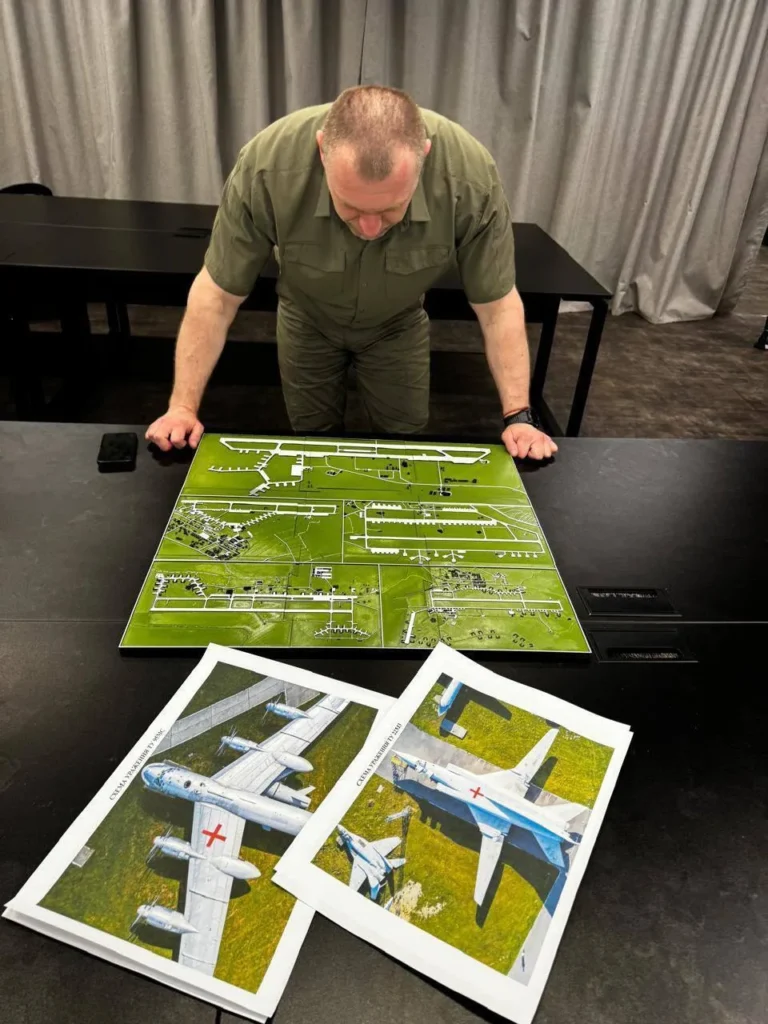
Operation “Spider Web”: FPV drones strike Russia’s strategic aviation
On June 1, Ukraine’s SBU used FPV drones to strike four military airfields inside Russia. Reports say that 41 Russian strategic aircraft were targeted. According to Suspilne sources in Ukraine’s special services, the operation was codenamed “Pavutyna” (“Spider Web”) and was personally overseen by SBU chief Vasyl Maliuk. Preliminary estimates place the damage to Russian aircraft at over $2 billion.
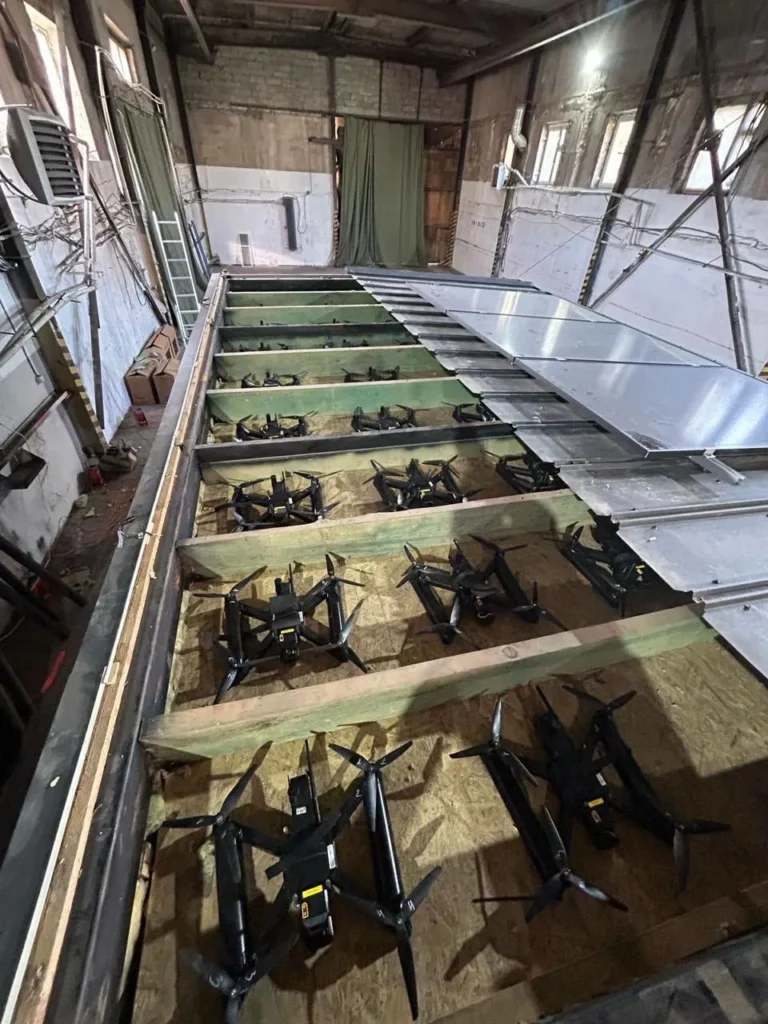
Volunteer Serhiy Sternenko wrote that the mission took over a year and a half to prepare. Initially, the SBU smuggled FPV drones into Russia, followed by small mobile wooden cabins. Once in Russia, the drones were hidden under the roofs of those cabins mounted on trucks. At the right moment, the roofs were remotely opened, and the drones were launched to hit the Russian bombers.
Ukraine’s missile program and “deep strikes”: What’s new?
On May 26, Ukrainian President Volodymyr Zelensky said the country’s military leadership reviewed the effects of Russian strikes, enemy drone tactics, and how to counter them. He ordered a major ramp-up in production of Ukrainian interceptor drones, to be supported in part by Western funding. “I’ve also ordered separate funding for our ballistic missile program to accelerate missile production,” Zelensky emphasized.
Just days later, Ukraine’s Drone Coalition partners announced increased support. After a UAV-focused summit, Latvia’s defence ministry said Belgium and Turkey had joined the coalition, bringing the total to 20 member countries. The coalition pledged to allocate at least €2.75 billion by the end of 2025 to drone procurement and support for Ukraine’s Armed Forces.
Germany to fund production of Ukrainian deep-strike drones
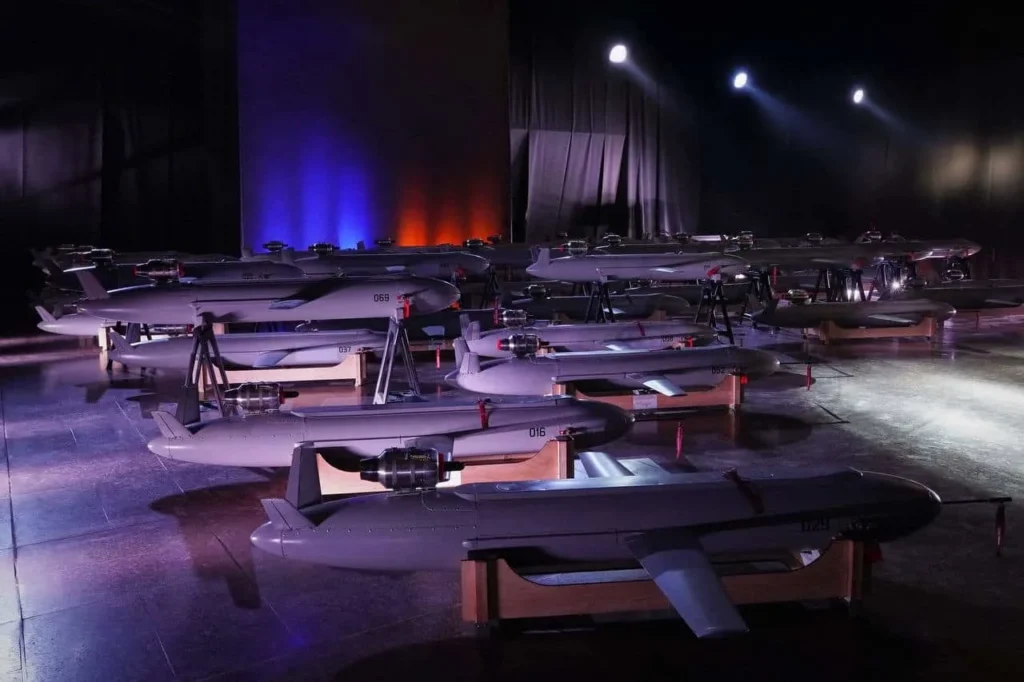
German newspaper WELT revealed that part of Germany’s new €5 billion aid package to Ukraine will go toward domestic production of long-range drones and missiles. Around €400 million will fund the Ukrainian-made Bars, Lyutyi, and Flamingo systems.
Bars is a new Ukrainian missile capable of hitting targets up to 800 km away. The upgraded AN-196 Lyutyi can deliver up to 75 kg of explosives at distances up to 600 km.
The Mavic problem — and how to deal with it
China has halted exports of DJI Mavic drones to Ukraine but continues supplying them to Russia, according to Bloomberg, citing President Zelensky.
The UP Oboronka project looked into the role of Mavics in Ukraine’s Armed Forces. Hundreds of thousands of Mavic 3 drones are in use in Ukrainian combat and training units. According to military and UAV experts interviewed by Oboronka, spare parts and second-hand Mavic 3s will remain available until at least the end of 2025. The outlet also reviewed current alternatives to the Mavic 3 and Ukrainian efforts to develop a domestic equivalent — a priority for the Brave1 defence tech cluster.
A Brave1 drone tech expert noted that around ten teams within the cluster are now working on Mavic-style UAVs, most with flight-ready prototypes. However, no developer has yet matched the capabilities of the Chinese-made drone.
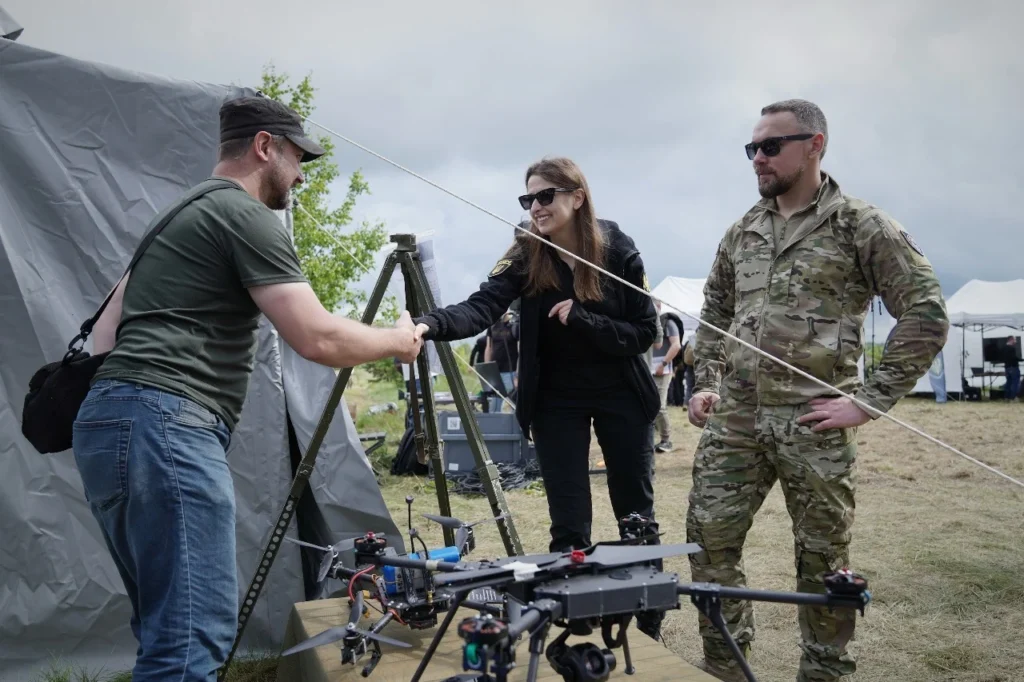
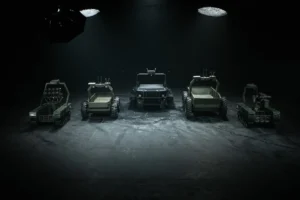
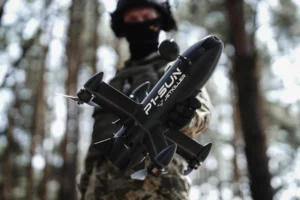
Last week, Ukraine’s Ministry of Strategic Industries and the Unmanned Systems Forces hosted a demo event showcasing Ukrainian multirotor reconnaissance drones as Mavic alternatives. Seven domestically made drone models were presented and tested over three days under heavy EW interference, high winds, and rain.
What is a killzone?
Militarnyi published a detailed article on the concept of a “killzone,” which is increasingly used to describe sections of the front in the Russia-Ukraine war. The article explains what a killzone is, its layout and components, means of control and firepower, and other technical aspects. It also includes insights from Ukrainian drone unit soldiers and details about the Drone Line project — a nationwide initiative to stabilize the front and build deep killzones.
Ukraine joins Link-16
Ukraine and NATO signed a license agreement for the use of the CRC System Interface (CSI), a piece of non-commercial software developed for NATO’s Control and Reporting Centers. Deputy Defence Minister Kateryna Chernohorenko said this will enable coordination between Ukrainian and NATO aircraft in a shared digital environment.
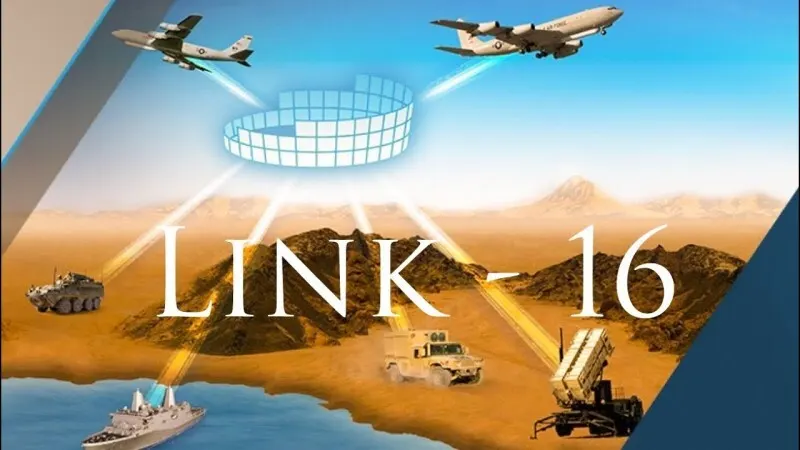
The software is part of NATO’s Link-16 data exchange protocol — often referred to as NATO’s “military Wi-Fi.” Link-16 enables integrated command of aircraft (such as F-16s and Mirage 2000s) and air/missile defence systems like Patriot.
ArmyInform published an explainer on how CRC System Interface and Link-16 work — and why they’re crucial to NATO’s digital battlespace.
Czech TRL Drones unveils Shahed interceptors
Czech company TRL Drones has developed two types of autonomous interceptors to counter Shahed-type drones. These UAVs can autonomously take off, fly to a target, and strike without operator input. Demonstration flights were held at the IDET international defence expo, attended by a Militarnyi correspondent.
Reading now
1
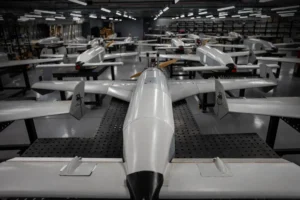
SkyFall officially unveils Thor Hammer mid-strike and announces 1,000+ km version
2

260+ vacancies in Ukrainian defence technology at BlueBird Tech, Sine Engineering, Buntar Aerospace and more
3
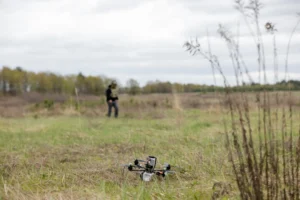
British-Ukrainian Occam Industries raises €3.8m. The funds will go towards scaling drone autonomy software
4
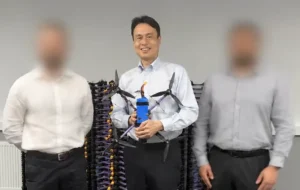
Terra Drone acquires 50% of Ukrainian Kurin Technologies for $3.5 million
5

Autonomous interceptor drones need radars to work. Why is there still a lack of them
By submitting this form, you give Defender Media consent to the processing of personal data.
Надсилаючи цю форму, ви надаєте Defender Media згоду на обробку персональних даних.

Latest news
1
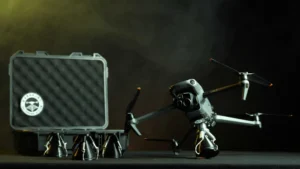
Phantom Defense acquires net-launcher developer KARAKURT to integrate its technology into its UAVs
2

Acoustic sensor developer Zvook raises investment from new Czech fund managed by DEPO Ventures
3

Denmark to hold first-ever Danish Defense Tech Week in four cities: what to expect
4
Forbes: Airlogix plans to raise $100m at a $2bn valuation
5