“95% autonomy” means nothing. What actually makes interceptor drones autonomous
Opinion by Lika Volovych, battle support tech lead at Noctis, a startup that makes the ZIRKA interceptor drone
In 2026, Ukrainian interceptor drone manufacturers have increasingly been talking about autonomy and artificial intelligence in their products. However, different companies understand these terms differently, and often use them more for marketing than anything else.
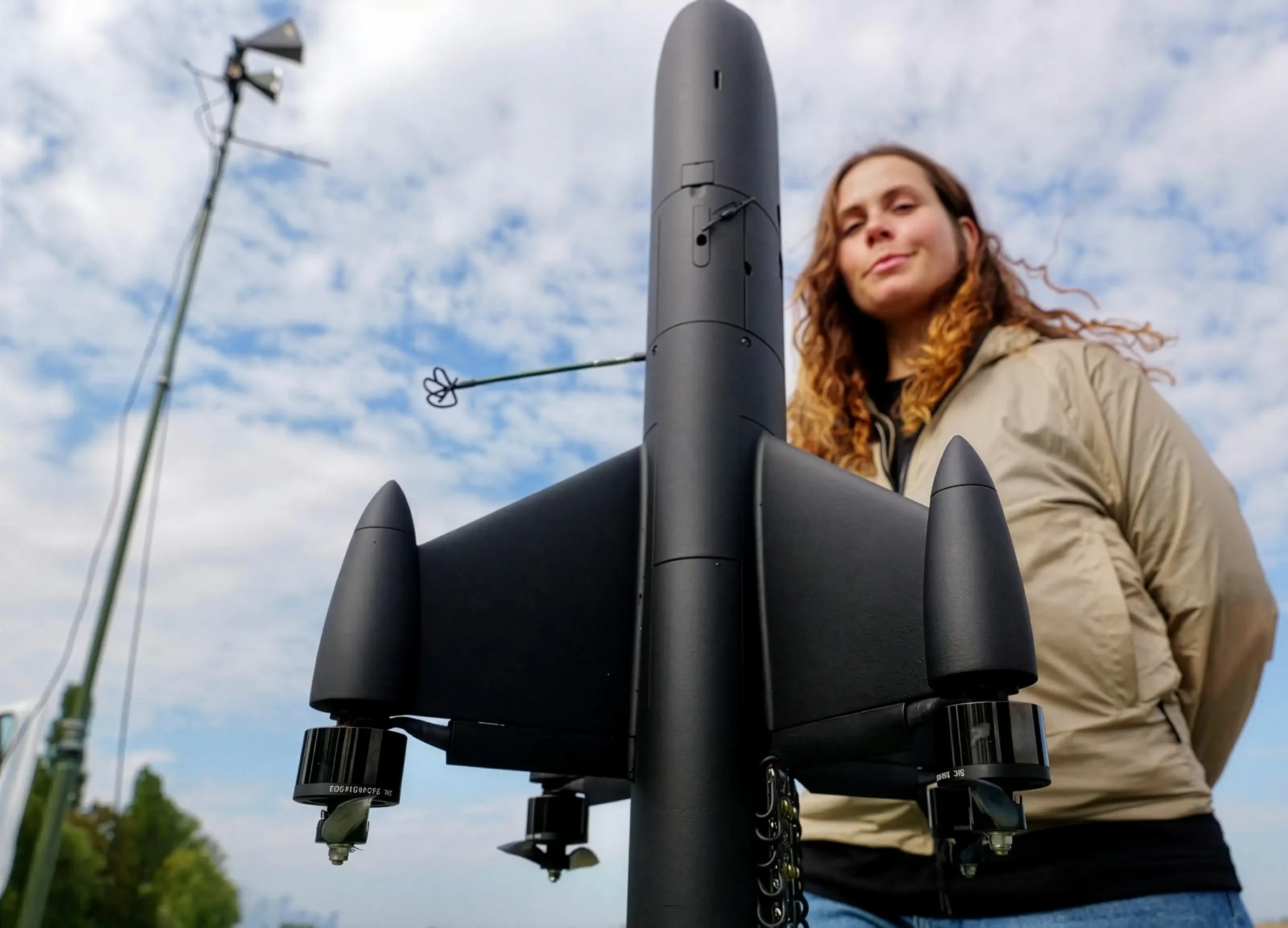
Ukrainian startup Noctis is one of the manufacturers developing autonomy technologies for its ZIRKA interceptor drones. In a column for Defender Media, the company’s battle support tech lead, Lika Volovych, explains how automation differs from autonomy, what role radars, software and operators play, and what is needed to move to fully autonomous interception systems.
Ukrainian interceptor drone manufacturers are increasingly talking about autonomy. Some cite automatic detection, others, terminal guidance or automated flight to the target area. Public statements throw around figures: 50%, 80%, 95% automation.
But what exactly do these percentages mean? And can you compare systems if every manufacturer defines autonomy differently?
I work with interception technologies and their combat use, and I see that even within the industry the same terms often mean different things. How we assess automation shapes our understanding of what the technology can really do and where the industry should go next.
Automatic terminal guidance does not yet mean autonomous interception
Any percentage only makes sense if it is clear what is taken as 100%. For interceptor drones, there is no generally accepted autonomy scale that would let products from different manufacturers be compared.
First, two concepts need to be separated: automation and autonomy.
Automation means that an onboard computer performs a function in place of the pilot: for example, detecting a target or guiding the drone onto it. Autonomy is when a set of such automated processes allows the system to carry out a combat mission on its own. In the West, this is described as “one button”: the operator gives a command, and the system then performs the task without manual control.
An interceptor’s combat sortie has four main stages: take-off, flight to the detection zone, detection with terminal guidance, and engagement. True autonomy is when all of them happen without manual control.
In Ukraine, I have not come across interceptor drones that carry out combat missions fully autonomously in real use. In the global defence tech sector there are a number of releases and announcements, but it is impossible to confirm or refute them without testing in real conditions.
“AI interceptor” is a marketing label
Similar confusion exists around artificial intelligence. People often call any automation AI, although these are different things. “AI interceptor” sounds impressive, but it is more of a marketing label that creates the false impression that artificial intelligence controls the whole system.
According to the OECD definition, AI is a machine-based system that, from the input it receives, infers how to generate predictions or decisions. Nothing like that is on board an interceptor. The closest element to that definition is machine vision, which handles detection. It is a sort of eyes for the system, only far more primitive than human ones. To create it, we use machine learning to collect and process the dataset and train the model. But everything else, including auto take-off, flying into the target detection zone and the terminal guidance itself, runs on algorithms and mathematics, following set rules.
Autonomy does not end on board the drone
When we talk about autonomy, most attention usually goes to the drone itself: its characteristics, machine vision, and software. But the interceptor is only one element of a much larger system.
A classic example of autonomous interception is the Patriot surface-to-air missile system. A radar (radio-location station) detects the target, an operator confirms it, then the missile launches and intercepts the target. That is exactly the “one button” principle we discussed above.
The same applies to interceptor drones. Interception is impossible without a radar: without it there is no target designation and no understanding of the target’s course and altitude. For the drone to fly into the detection zone automatically, it needs precise data from a radar that tracks the target with minimal error.
That is why, in my view, a full interception system consists of three components: people, hardware and software. By software I mean not only the drone’s firmware but also the ground control station and command and control (C2) systems, such as SkyMap, which collect data from different sources and display it on a single screen.
This leads to a frequent question: can universal autonomy modules be created, for example for detection and terminal guidance, that can be installed on any drone? In theory, yes. But in practice, every platform needs individual tuning. Buying a module on Brave1 Market and installing it on another manufacturer’s drone without serious further development will not work.
Where the human remains
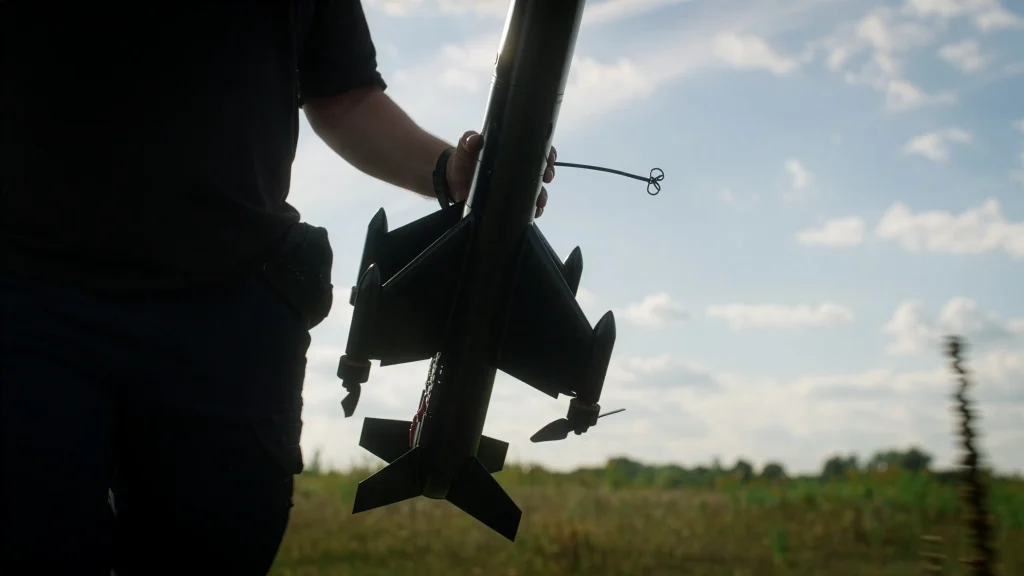
Automation does not remove the human from the system; it changes their role from manually controlling each function to supervising the system and taking responsibility for decisions. Humans do not make a decision to engage without involvement.
At the same time, the move towards autonomy is inevitable, and the reason is pragmatic. Today there are still enough qualified operators with combat experience for most tasks. But as demand grows, it becomes harder to find specialists of the required level. Meanwhile, the speed and manoeuvrability of the enemy’s weapons keep increasing. The further we go, the less we, as a state, will be able to meet these needs through highly skilled crews alone.
Last year, the problem of piston-engine Shaheds was largely solved by quantity: we learnt to use multirotor FPV interceptors on a mass scale. Automation, however, lets us use resources more rationally: to do the same task, we need fewer drones and less time.
This is the logic we built into ZIRKA, which we developed in cooperation with servicemen of the anti-Shahed battalion Darknode. From the start, one of our goals was to transfer some of the operators’ experience into the technology itself, reducing how much the result depends on an individual pilot’s skill.
Autonomy as a property of the system
Our engineers are convinced that building an autonomous interception system is technically entirely feasible. The main constraints are time, resources and the quality of integration between all components. The speed of this transition will depend on the course of the war, the state’s capabilities, and how threats change.
That is why, in my view, we should talk not about the autonomy percentage of a particular drone, but about how well the whole system works together: sensors, software, drones, and people. The next stage is common standards, compatibility of equipment from different manufacturers, reliability and the ability to control more drones at the same time.
With ZIRKA, we are moving along this path step by step: automatic detection and terminal guidance already work in combat and deliver results. We are already in final testing of midcourse (automatic guidance of the interceptor into the target detection zone using radar data) and automatic detonation on the target. Auto take-off comes next. But the future does not belong to an interceptor that can automatically perform a single function. It belongs to systems in which all the elements work together reliably.
—
ZIRKA is a Ukrainian high-speed interceptor drone with automatic detection and terminal guidance systems. It was developed by NOCTIS based on the combat experience of the anti-Shahed battalion Darknode, with investment support and expertise from Vyriy Industries.
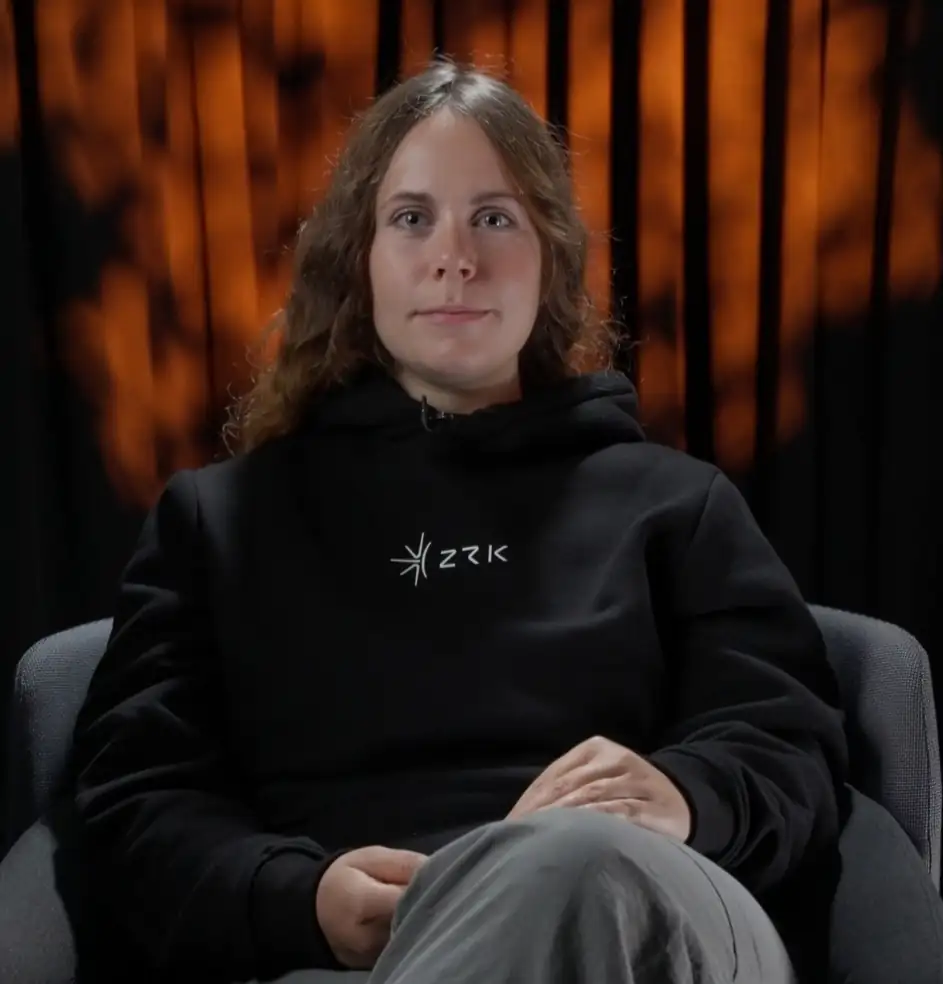
Lika Volovych
Battle Support Tech Lead at Noctis
Reading now
1
380+ vacancies in Ukrainian defence tech from Fire Point, DevDroid, UFORCE and others
2
Ukrainian-Japanese FPV KT-2 drones appear on Brave1 Market: key details and specs
3

Why A&D manufacturers need a coherent digital strategy now
4
Why Danes, Swedes and Norwegians invest in Ukrainian defence tech: Gardar, Final Frontier and Varangians explain
5
F-Captain mid-strike from F-Drones now available on Brave1 Market and DOT-Chain Defence
By submitting this form, you give Defender Media consent to the processing of personal data.
Надсилаючи цю форму, ви надаєте Defender Media згоду на обробку персональних даних.

Latest insights
1
“95% autonomy” means nothing. What actually makes interceptor drones autonomous
2
Joint ventures in defence tech: how not to lose control of your business and technology. A legal opinion
3

TENCORE starts buying up other UGV manufacturers. CEO Maksym Vasylchenko explains the logic behind the deals
4
How to enter Norway’s defence market: an ultimate guide for Ukrainian companies
5