Ukrainian units conduct “world’s first airborne evacuation from the frontline” using Audag-6 drone
At the same time, Gurzuf Defence does not believe such missions can become standard practice
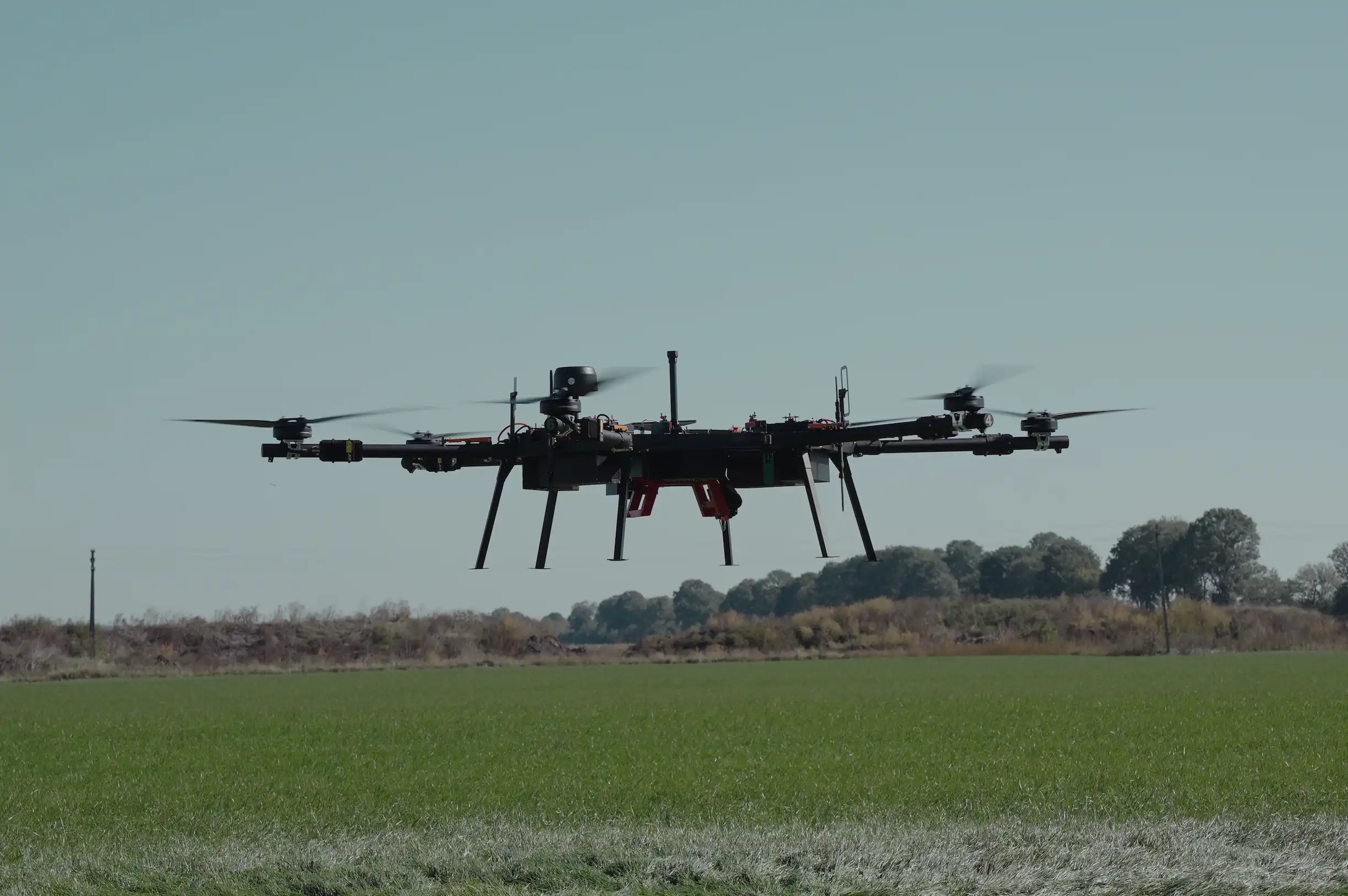
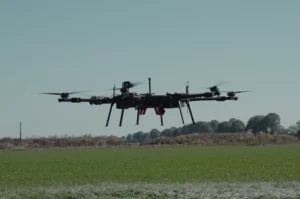
Audag-6 drone (Photo: Gurzuf Defence)
Several Ukrainian units have carried out a joint evacuation of a wounded soldier using a UAV. The mission used the heavy hexacopter Audag-6 from Gurzuf Defence, Defender Media learned from the manufacturer.
The 92nd Separate Assault Brigade stated that this was the “world’s first airborne evacuation from the frontline”. Alongside it, personnel from the 30th Separate Mechanised Brigade, the 10th Army Corps and the 14th Separate Mechanised Brigade took part in the operation.
An infantryman of the 30th Brigade was wounded, but due to intense enemy drone activity and mining, he could not be evacuated using a ground drone. The military therefore decided to use an aerial unmanned vehicle.
The Audag-6 is claimed to carry up to 90 kg of payload. In spring, however, it lifted a 130 kg load, setting a Ukrainian record for the payload capacity of multirotor drones. The 92nd Brigade writes that, together with the manufacturer, it modernised the heavy bomber so it could carry out the evacuation while maintaining stability and steadiness in the air.
Pavlo Feldblyum, co-founder of Gurzuf Defence, says that they did not set out to develop a purely evacuation aircraft, but to create a multi-purpose platform. At the same time, they understood that a drone with such a payload capacity should also be capable of performing rescue missions.
The drone was piloted by an operator of the 30th Separate Mechanised Brigade with the callsign “Black”. The wounded soldier was also supplied with special equipment and a video instruction on how to use it.
The evacuation ultimately ended successfully, and the serviceman is now undergoing rehabilitation. At the same time, Gurzuf Defence does not believe such missions can become standard practice.
“The risks to a wounded person in the air are too high. Each such mission is a unique operation that has to be prepared separately for a specific situation on a specific section of the front. The air route is a last resort when there is no other chance left to save the person,” says Feldblyum.
As a reminder, the Ukrainian company SkyFall recently unveiled the new StarGate hexacopter for evacuating the wounded. The UAV can carry 150 kg and is equipped with an enclosed medical stretcher that can hold one soldier with combat gear. This week, it was handed over to the Code 9.2 regiment for testing at positions.
Reading now
1

260+ vacancies in Ukrainian defence technology at BlueBird Tech, Sine Engineering, Buntar Aerospace and more
2
Forbes: Airlogix plans to raise $100m at a $2bn valuation
3
6,000 lives saved by replacing people with robots. “Makar” on the ground strike drone unit NC13 and its role in Operation Vivaldi
4
US Buys 1,320 more FPV drones from Ukraine’s F-Drones for $6.5M
5
Black Mirror #79: What’s inside Geran-4, unmanned tanks, balloon barrages and more of a new russian miltech
By submitting this form, you give Defender Media consent to the processing of personal data.
Надсилаючи цю форму, ви надаєте Defender Media згоду на обробку персональних даних.

Latest news
1
BlueBird Tech presents Chuyka 4.5.0 drone detector with expanded frequency range
2
Tencore unveils MAT1LDA amphibious platform at AUSA 2026
3
Ukrainian units conduct “world’s first airborne evacuation from the frontline” using Audag-6 drone
4
US Army tests UFORCE’s USVs as drone carriers
5