10 myths about acceleration in defence tech. Defence Builder Director Yana Shkvarovska explains
How the programme really works, who it can be useful for and what teams should expect from it

Yana Shkvarovska, Defence Builder Accelerator Director
Accelerators are one of the main ways to give a startup a push and lift it into the big leagues of business. Ukrainian defence startups already have several specialised programmes from different organisations to choose from. At the same time, the teams in this field still hold many prejudices and misconceptions about what an accelerator does and what role it plays.
Defence Builder Accelerator is now running its fourth batch. Yana Shkvarovska, Director, speaks every day with the teams that apply. In a conversation with Defender Media, she described what she hears from them most often and how everything actually works, so that founders can more easily judge whether the programme is right for them.
Myth 1. “An accelerator is an investment bank that guarantees money”
Very often teams come to us with a request: “We need to raise $500,000, and we expect you to make that happen.” But an accelerator does not raise investment on a team’s behalf. Instead, we help build the right investment positioning, prepare materials and sort out legal, financial and investment questions. All of this is needed so that the team looks reliable in investors’ eyes. We look for investors for teams and make introductions, but after that everything is in the hands of the team and the investor: they decide whether to go ahead with a particular partner.
Our role is to facilitate, prepare and teach, so that a team can position itself and hold conversations with investors. A team often knows its technology well but struggles to explain the investment logic: how much money is needed, what it will be spent on and what results it should lead to. You do not have to come with a final valuation of the company, but you need to understand and be able to justify your expectations.
Myth 2. “An accelerator is only about business, and nobody will touch the product”
That is not so. Our accelerator works not only on the business side but directly on the product.
A good example is the Fremen team. Our experts looked at the product they came to the programme with and concluded that it did not entirely match the market’s current needs. But the team had the potential, knowledge and experience to develop what the market really needs. So we focused on developing the product itself: we helped develop it, test it and deepen the R&D. The first prototypes are now being tested with the military and potential integrators.

Myth 3. “It’s just lectures, and the programme is the same every time”
About 70% of the programme is the foundation, the educational component. A team must understand how to build a company properly, talk to investors, set up joint ventures and enter international markets. If you do not know the nuances of export control, how to protect your IP, how to budget properly, your runway or your valuation, you will not get far. And these are not only workshops but also individual practical sessions and working sessions with mentors.
The remaining 30% is the most practical part and, in my view, the most valuable. We look at which teams we have and what they need: testing, demos for the military, integrations with existing manufacturers in Ukraine. We connect them with the right engineers, help with R&D and testing, introduce them to brigades or battalions, and help organise trials with the military in relevant conditions.
The programme is modified once it becomes clear which sectors and what level of teams will be in the batch. It also responds to every change in legislation, in the security situation in the country and in Europe, and to the enemy’s tactics and new solutions. The idea that we came up with a programme once and now just keep spinning it like a record on a gramophone is not true.
During the programme, we helped the WingTech team secure revolving financing to prepare for a large state order. When they came to us, our military expert recommended changing the product’s configuration. This made the solution more competitive and became one of the factors behind additional orders.
Myth 4. “An accelerator is for beginners”
There is also a prejudice like this: “I’m already a mature company, why do I need an accelerator? That’s where people at TRL zero or one go.” In fact, we have defined our optimal work as being with companies from TRL four to eight or nine: when there is already something to test, not just an idea.
Large, stable teams with high valuations also come to us. One example is the Estonian company Telearmy. They came to us for integrations, cooperation with the Ukrainian military, sales and introductions to domestic manufacturers of heavy armoured vehicles. With such teams we take a more individual approach: we look at their needs and priorities and move along them.
Myth 5. “Feedback from military acquaintances is enough: the guys praise it”
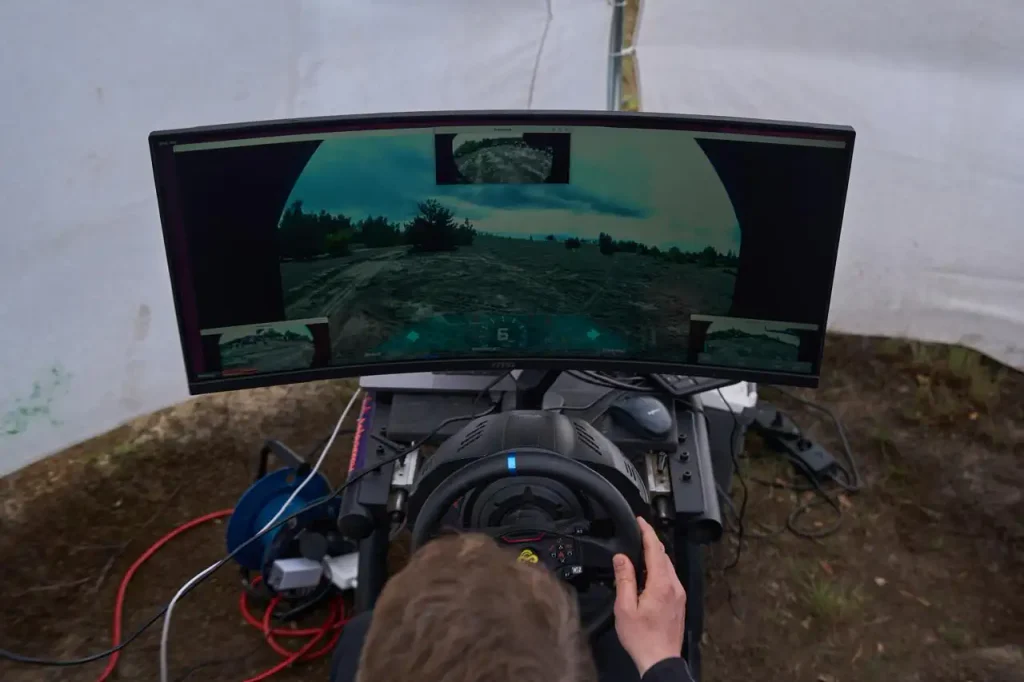
Many people think they have “military acquaintances or a unit, they’ll test everything, and that’s enough”. But an acquaintance’s feedback is hard to turn into a workable technological solution. Combat situations and ways of use differ, so you need at least several independent opinions to see what they have in common.
In addition, different servicemen can assess different sides of a solution, depending on their role and experience of using it. Often it is just “I used it, the guys praise it.” But you need a person who is responsible for the engineering or innovation side and can tell you that a few competitors are right behind you and implementing faster.
That is why we work with more than 30 units: they all have different operating conditions, access and views. Until you validate from different points of view, you cannot clearly determine a solution’s prospects.
Myth 6. “Our solution is a game changer, and nobody else does this”
About 80% of teams come with exactly this confidence. But we analyse the technology: after the initial screening, we go through another one with military and technical experts who have relevant experience, to understand whether it has potential. Otherwise it may turn out that the technology a team is passionate about will have no use or will become obsolete as soon as it leaves the accelerator. We want the team’s time to go on what will really be needed.
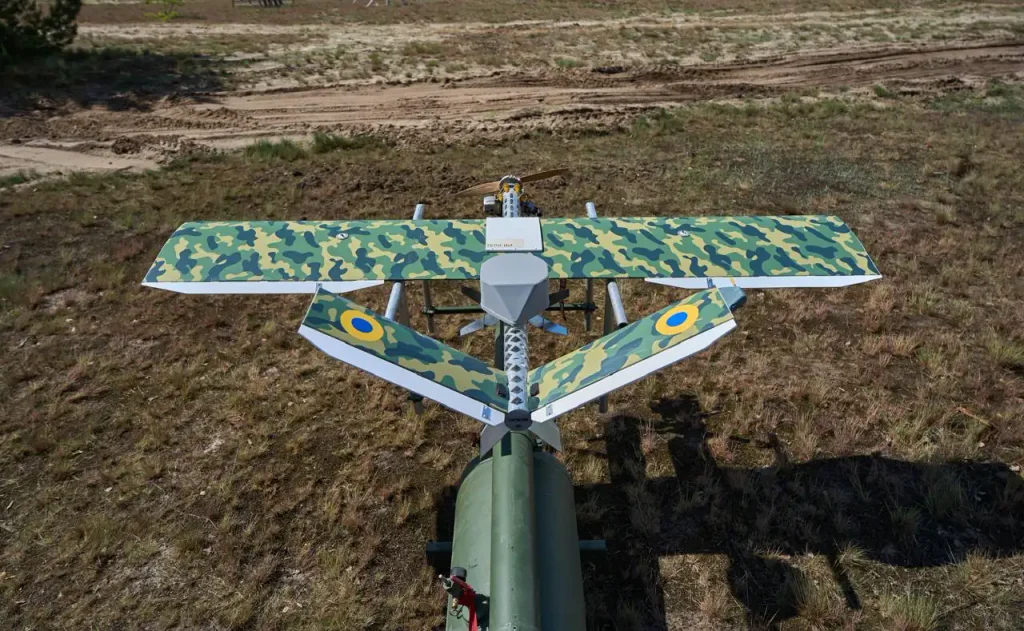
Sometimes we have to say: “Your solution was needed a year ago.” This applies to European teams and, unfortunately, to Ukrainian ones. There is also another scenario: the team is ready to adapt flexibly and change its product. That was the case with Zli Ptakhy: our military experts helped the team update its Backfire strike UAV by giving feedback and sharing combat experience in the category.

Myth 7. “We’re engineers, build a business for us”
Recently I came across this approach: “We don’t really want to understand how to build a business, but we want a business. Build it.” But we do not do the work for startups. We provide platforms, introductions, expertise and all the information we have. But the decision on how to use and implement it stays with the company.
Myth 8. “Four months passed, and they forgot about us”
Some people think: I’ll give the accelerator a few percent of equity, they’ll work with me for four months and then forget about me. That is not so.
Four months is the main programme, which I call the boost phase: we all focus together and move actively. There are few lectures but a lot of accompanying work, so teams need to set aside time for it.
But then the team moves under the umbrella of our portfolio manager, and the work continues: facilitated meetings, the search for investors and integrations, and much more. There are great cases with teams from the first, second and third batches, when they travel with us in delegations to events and get additional expertise. They can come back with a new request, for example to strengthen their marketing or PR, and we help in that direction.
Myth 9. “Accelerators take everyone who applies”
In fact, there is demand for accelerators, and our selection is quite strict: only 5-7% of applicants get onto the programme. We greatly value that teams apply, but we have to understand which problems we want to work on, what value we can give a team and whether we see prospects for cooperation with a particular project.
Sometimes teams come because they think they need an accelerator, and we honestly say: you have already outgrown this stage. If we see that a different format would suit your request better, we offer other mechanisms of the Defence Builder ecosystem. We are not interested in you simply being on the programme; we are interested in being useful.
Myth 10. “It’s only for Ukrainian startups”
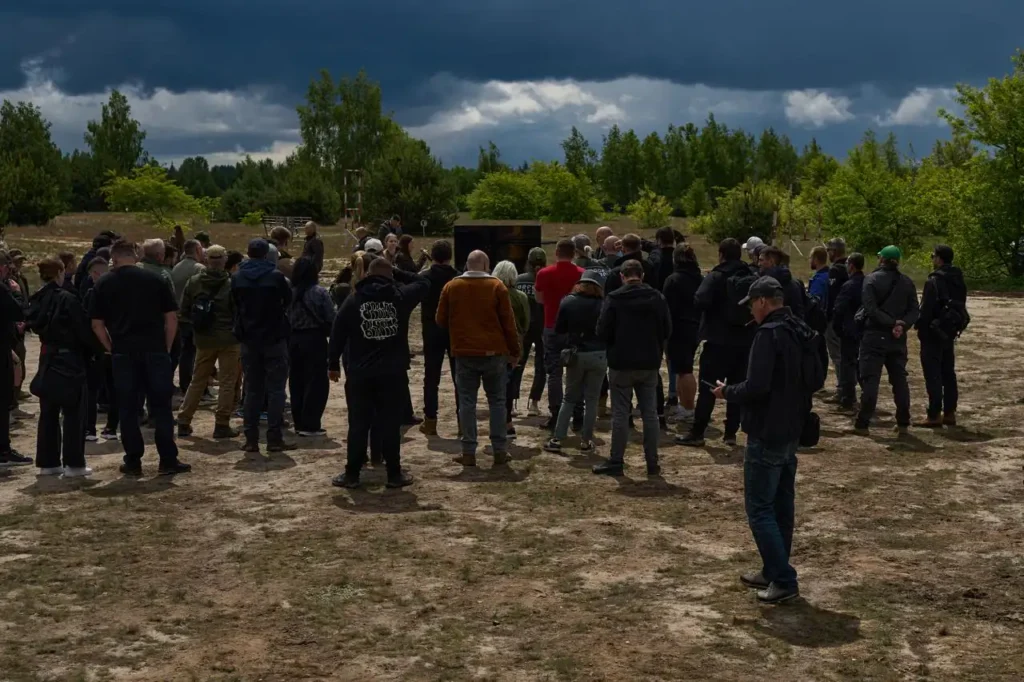
We position ourselves as an accelerator for the whole of Europe, and we receive many international applications. For European teams, our condition applies: you must bring benefit to the Armed Forces of Ukraine and be ready to operate in Ukraine and work here with end users and partners.
It is not about working abroad, coming here a couple of times and having the accelerator do everything for you. No. It is joint work. We tell teams about these conditions straight away and discuss the details before the programme starts.

Yana Shkvarovska
Defence Builder Accelerator Director
This material was provided by a partner and published as paid advertising
Reading now
1

Why A&D manufacturers need a coherent digital strategy now
2

Ukrainian-Japanese FPV KT-2 drones appear on Brave1 Market: key details and specs
3
Why Danes, Swedes and Norwegians invest in Ukrainian defence tech: Gardar, Final Frontier and Varangians explain
4
6th UK-UA Defence Tech Forum to take place in London: cooperation with Ukraine, arms production and investment
5

14+ defence tech events around the world in November
By submitting this form, you give Defender Media consent to the processing of personal data.
Надсилаючи цю форму, ви надаєте Defender Media згоду на обробку персональних даних.

Latest news
1

10 myths about acceleration in defence tech. Defence Builder Director Yana Shkvarovska explains
2
70+ vacancies in Ukrainian defence tech from Teletactica, Brave1, Warbirds and others
3
Alta Ares, a French company with a Ukrainian office, takes six of 16 NATO counter-UAS lots
4
EUDIS Defence accelerator welcomes Ukrainian startups for the first time, with €120,000+ on offer
5