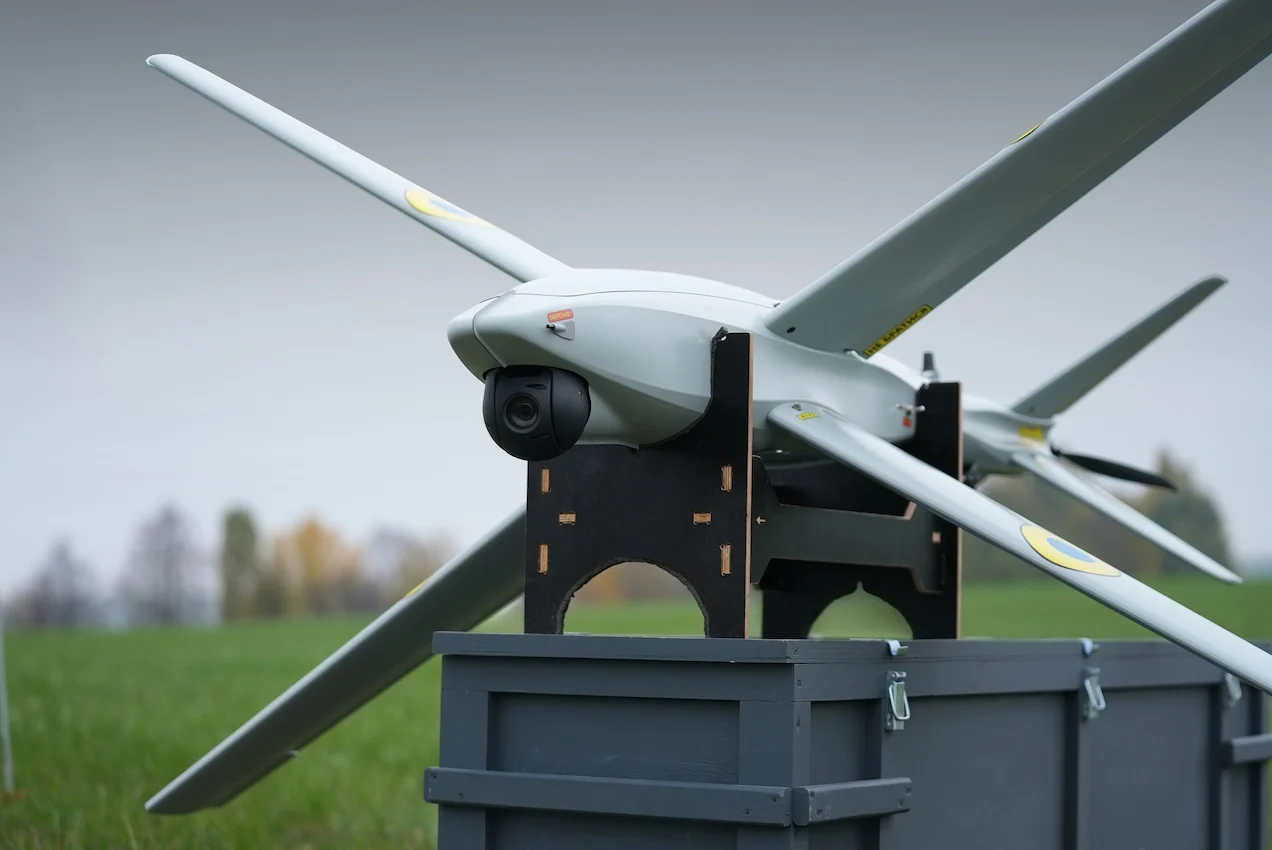
Ukraine produces around 2,000 Bars missile-drones per month — manufacturer
Manufactured Bars missile-drones rarely remain in storage, as Ukraine’s Defence Forces deploy them regularly
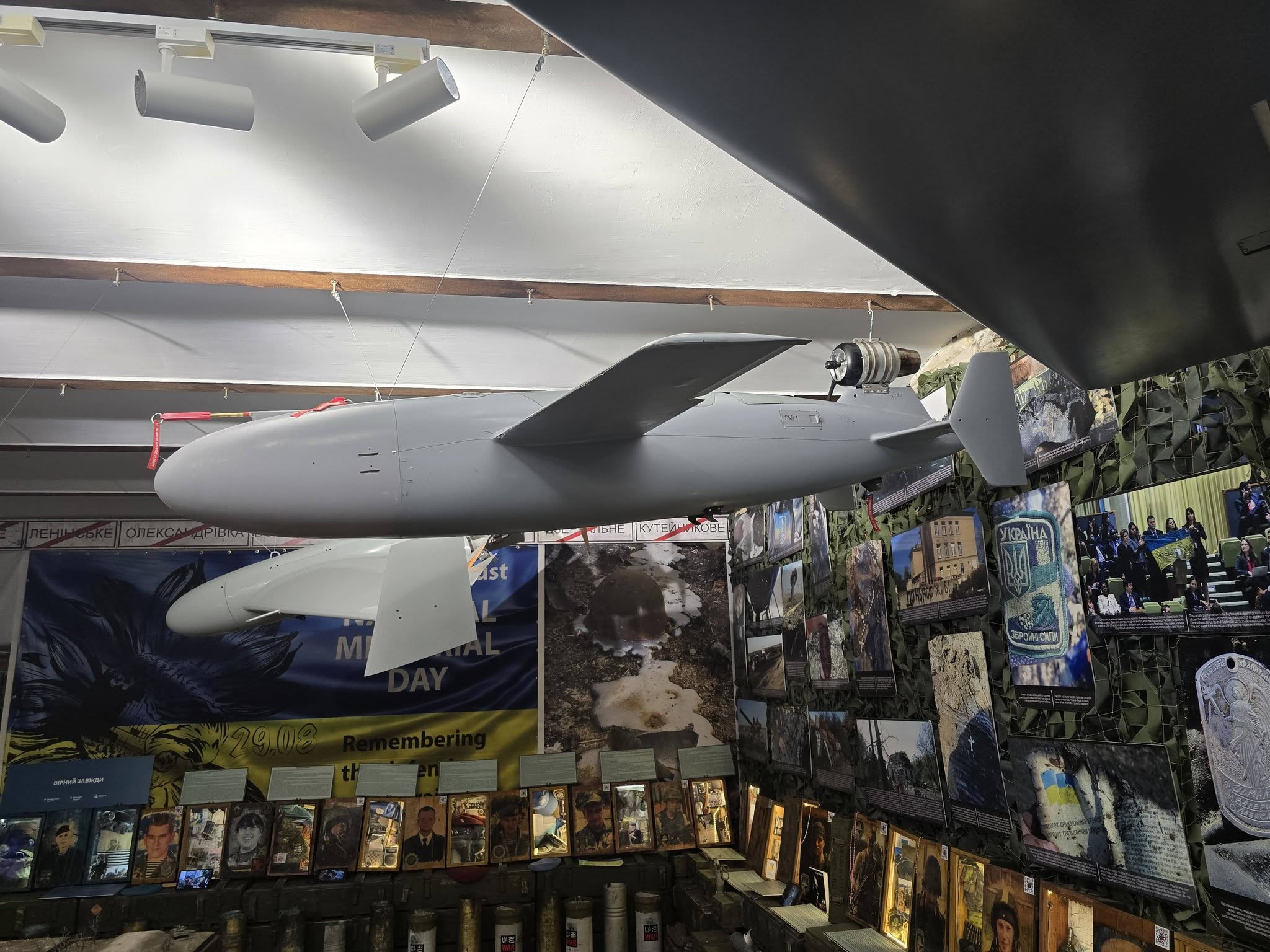
Український дрон-ракета "Барс". Фото: Музей російсько-української війни
The Ukrainian manufacturer of Bars missile-drones has reached a production rate of approximately 2,000 units per month across various variants. In parallel, the company is working on the next version of the system, Bars 2.0. A representative of the developer discussed the programme in an interview with NV. The publication has withheld the interviewee’s identity for security reasons.
Bars production and cost
The company initially manufactured approximately 10 missile-drones per month, subsequently increasing production to 600 units. It now produces around 2,000 Bars systems per month in various variants and configurations.
The manufacturer does not disclose the exact unit cost of Bars. However, the representative denied reports that each system costs $500,000, stating that the actual figure is several times lower. The cost depends on the configuration, with aircraft optionally fitted with cameras and more powerful antennas.
Specifications and variants
Early versions of Bars carried a 22 kg warhead and had a range of approximately 700 km. The warhead has now been increased to 60 kg, the operational range exceeds 1,000 km and the maximum speed reaches 700 km/h.
Bars is available in different configurations depending on the mission. The deep-strike variant flies to predetermined coordinates, while the mid-strike variant carries a camera and is controlled by an operator. Special operations units employ the latter version over the Black Sea and Sea of Azov, in temporarily occupied Crimea and across other occupied territories.
Combat deployment
Around six months ago, the manufacturer had recorded more than 200 Bars combat missions. According to the representative, that number has since increased significantly. He identified oil refineries, power stations and electrical substations among the missile-drones’ targets.
The company representative also confirmed that Bars systems were used in the strike on the Moscow Oil Refinery. According to him, some of the aircraft penetrated three layers of Russian air defences and successfully struck their targets.
The manufacturer continues working to improve the system’s effectiveness. The company’s target is a successful strike rate of at least 75%.
Export plans
The company is negotiating the supply and international production of Bars. In particular, the manufacturer has received a request from Germany that was approved by the Ukrainian Government. Bilateral discussions between the Ukrainian and German governments are continuing in parallel.
The company representative identified access to components and jet engine production as possible areas of cooperation.
Negotiations are also under way with the United Kingdom, Sweden, Norway, Denmark, France, Belgium and the UAE. According to the manufacturer, detailed negotiations are already taking place, although he did not report any signed export contracts.
Bars 2.0
The company is developing the next version of the missile-drone, Bars 2.0, but has not yet disclosed its specifications. Large-scale deployment of the new version is scheduled to begin in the first quarter of 2027.
The company is also already testing and deploying systems of another class in combat. According to the manufacturer, these systems are considerably larger than both the current Bars and Bars 2.0. He disclosed no further details about these developments.
Reading now
1

400+ jobs in Ukrainian defence tech from BlueBird, Vyriy, The Fourth Law, Odd Systems and other sector leaders
2

70+ vacancies in Ukrainian defence tech at Ukrspecsystems, Strix Air, DoD Solution and other industry leaders
3
Swarmer acquires Ukrainian UGV and UAV manufacturer Ratel Robotics for $224m – and this is just the beginning
4
Unwave’s Stepovyi Viter mid-strike drone passes codification: what we know about this UAV
5

Vluchnyk develops interceptor planned for production in Sweden and other countries: what attracted investors and what the team is working on
By submitting this form, you give Defender Media consent to the processing of personal data.
Надсилаючи цю форму, ви надаєте Defender Media згоду на обробку персональних даних.

Latest news
1
The Pentagon has announced the results of Drone Dominance Gauntlet II – announced Ukrainian companies did not make the top 5
2
Serhiy Prytula Charity Foundation showcases RAM-3X loitering munition
3
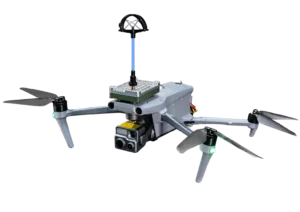
Rise Technologies’ PALYCH shifts standard UAV communications to alternative frequencies for EW resilience
4
Ukraine and Slovenia are preparing to sign the Drone Deal agreement
5