September 19, 2026
Ukrainian drone manufacturers are vying for Pentagon contracts but face several challenges
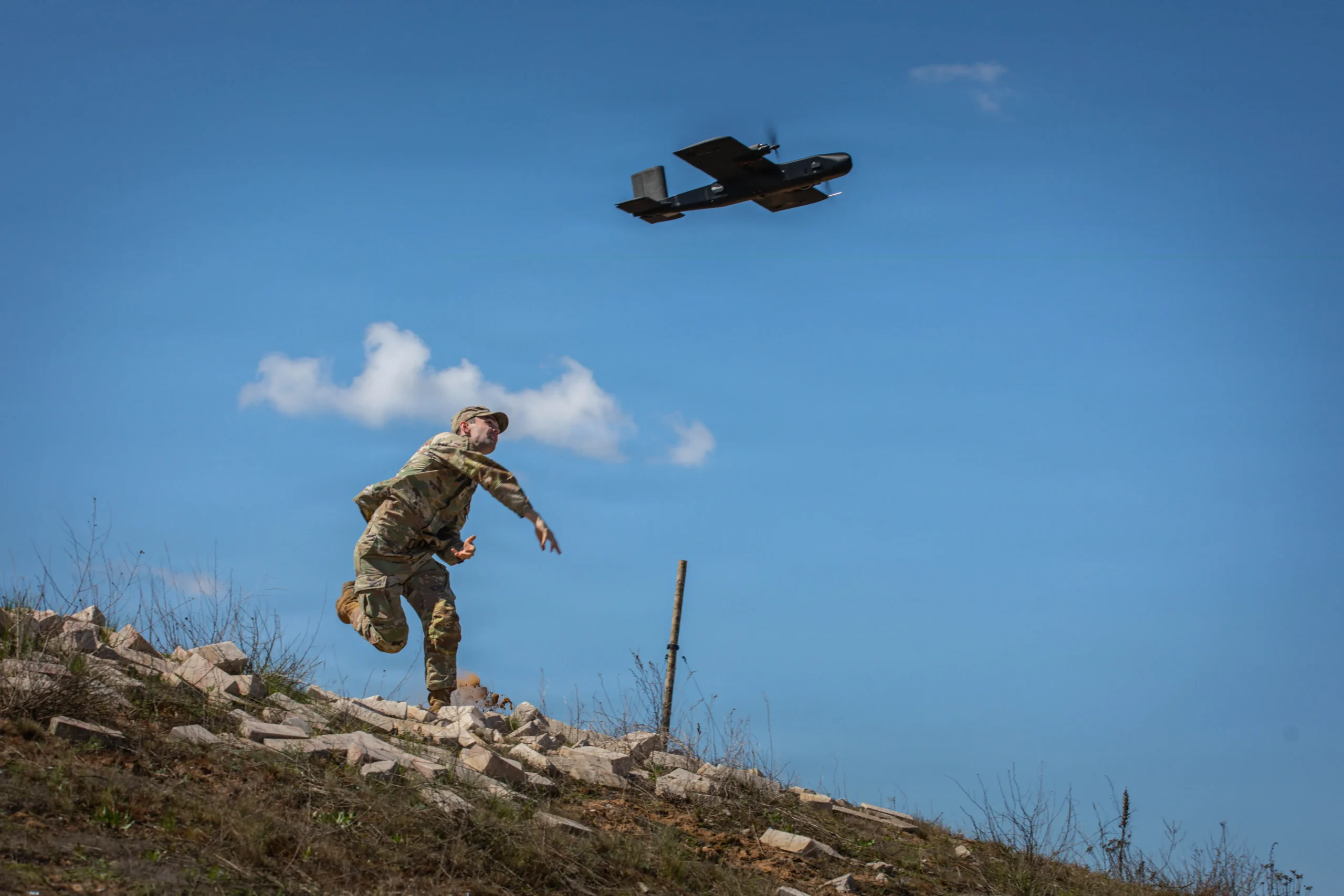
The second phase of Drone Dominance – the American programme for drone manufacturers – launches in August. The United States selects participants, tests their UAVs, and procures the most effective ones. Ukrainian manufacturers took part in the first phase of the programme, and two of them were among the winners.
This time, Defender Media has identified five domestic companies vying for a Pentagon contract. Who these manufacturers are, what advantages the American market offers them, and what challenges they must face – all this follows in the text.
The Drone Dominance programme was launched on 17 December last year. Every six months, the Pentagon plans to hold a selection process for drone manufacturers, test them, and procure systems from the winners. The US Department of Defence is prepared to spend more than one billion dollars on the programme.
The United States has planned four such phases in total. The first phase yielded 11 companies with the highest scores after testing. Among them were Ukrainian Defense Drones, which participated with UAVs from Ukraine’s F-Drones, and Skycutter, which was a partner of Ukraine’s SkyFall.
The second phase of the programme will begin in August 2026, with 48 companies invited to participate. The maximum number of winners this time is ten, and the military will procure 60,000 UAVs from them. The drones will be tested across several scenarios: long-range strikes and tactical attacks in close-combat conditions.
| Dates | Units Purchased | Average Price Per Unit | Total Orders Value | Maximum Vendors Receiving Orders | |
| Phase 1 | February 2026 – July 2026 | 30,000 | $5000 | $150m | 12 |
| Phase 2 | August 2026 – January 2027 | 60,000 | $5000 | $300m | 10 |
| Phase 3 | February 2027 – July 2027 | 100,000 | $3000 | $300m | 7 |
| Phase 4 | August 2027 – January 2028 | 150,000 | $2300 | $345m | 5 |
According to Ihor Fedirko, executive director of the Ukrainian Council of Defence Industry, the American market provides access to networking and capital that exceeds what Europe offers. Working in the United States is therefore attractive to domestic manufacturers, as it opens new opportunities.
Americans themselves are also interested in the Ukrainian experience, regardless of the political situation – this applies to both military personnel and arms manufacturers. “There are two large arms associations in the United States: one with 1,500 members and one with 2,000+. One of them is quite actively represented in Europe and in Ukraine,” says the Council CEO.
As a reminder, Ukraine and the United States have yet to sign the Drone Deal, which was originally prepared specifically for the American market. In May, it emerged that the two governments had prepared a draft memorandum setting out the terms of a possible defence agreement between the countries. On 1 June, Zelensky stated that for the cooperation to move forward, Trump would need to say “yes”.
At the same time, both American and European partners are more interested in intellectual property than in the product itself. According to Fedirko, IP on domestic products is not currently being exported. This is becoming a bottleneck in concluding the Drone Deal or establishing joint ventures, and is hampering business.
“On the other hand, everything we have and will retain is our experience. The state is therefore trying to balance business interests against a statecraft approach. I am convinced that a mechanism can be found to reconcile these two objectives – without integration with Europe and the United States, we will lose 90% of our defence industry after the war ends,” Fedirko explains.
48 companies have been invited to take part in the second phase, including those that participated in the previous round – among them Ukrainian manufacturers General Cherry and F-Drones. The latter entered the competition through its American partner, Ukrainian Defense Drones Tech Corp., which represented the F10 FPV drone as the legal supplier entity on the US market.
For the previous phase, the manufacturer adapted the UAV to the competition’s mission requirements and replaced many components with European and American alternatives in order to comply with NDAA requirements. In the first phase, the F10 finished sixth among the finalists.
F-Drones currently holds a signed contract with the Pentagon for the supply of the F10; the export licence application is under review by the SSEC and the interagency export control commission. The process is being managed by SpetsTechnoExport, which helped arrange the temporary export permit required to transport the drones to the competition.
The funds received under the contract are planned to be invested in R&D and to localise the production of NDAA-compliant components in Ukraine. “At the same time, we are exploring deeper cooperation with the American industry – possibly in the format of a joint venture or a full-scale presence in the United States,” F-Drones commented.
In the second phase, UDD and F-Drones will compete with the same drone model. The company adds that the competition is an opportunity to demonstrate that Ukrainian defence technologies are competitive on “the world’s most demanding market”.
F-Drones also notes that the most difficult part begins after the competition itself, when experts verify component origin, cybersecurity, and system architecture. The organisers have indicated that component localisation requirements will become more stringent with each phase. For the second phase, for example, batteries and motors must originate from allied countries.
General Cherry is this time entering under the name Wilcox Cherry Defense LLC – a joint venture with American company Wilcox Industries, announced at the end of March 2026. In the first phase, the company demonstrated a UAV along with a command and communications system. However, at the time of publication, it had not commented on what it would be bringing to the new phase.
Also participating in the second phase of Drone Dominance is British company Skycutter, which partnered with Ukraine’s SkyFall in the previous round. At that stage, it finished first with a score of 99.3 out of 100, competing with the Shrike 10 Fibre fibre-optic drone. It is not yet known, however, whether SkyFall UAVs will participate this time.
Among the Ukrainian companies appearing in the second phase are Stellarion, BlueBird Tech, and Grim Tech. Stellarion has developed the Deadliner Q1 UAV, which, according to company representatives, “delivers the best results among FPV drones deployed by Ukraine’s Unmanned Systems Forces”. Stellarion also adds that they will be flying new platforms, but has not yet disclosed details.
The company says that selection for the programme represents international recognition of the Ukrainian engineering school and its combat experience. For the business, it opens new opportunities for international cooperation, production development, and the integration of Ukrainian technologies into global defence ecosystems.
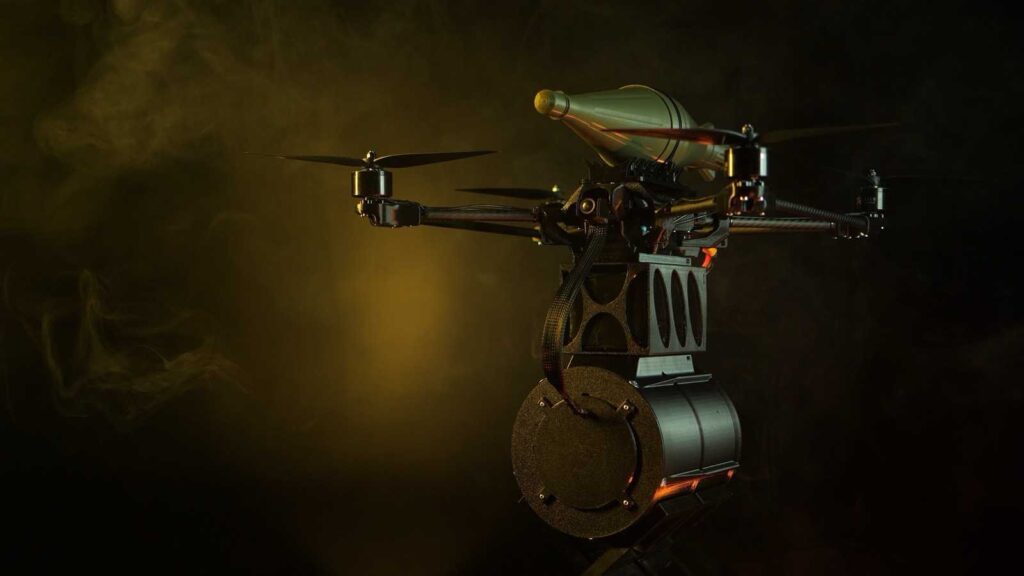
BlueBird Tech admits it was unaware of the first phase but decided to apply for the second. The company is represented in the competition by the legal entity Zaruba. BlueBird co-founder Valerij Zarubin says that selection for this phase required a high level of readiness from the American partner company: founders were required to confirm the presence of personnel at a production facility in the United States and demonstrate relevant work experience. At the same time, BlueBird Tech and Zaruba are not legally connected, Zarubin clarified. Ihor Fedirko explains that completing the paperwork for participation is another challenge: several companies failed to enter the programme due to incorrectly filled-in documents.
BlueBird Tech’s plan in America is to build a local partnership with the government. Four months ago, the company received an export licence to sell its devices abroad, but has not yet signed any contracts. In other countries, it is opening R&D centres to bring together Ukrainian and, in time, foreign engineers. Zarubin says that many of their people are already working abroad, including in Poland.
Grim Tech, which manufactures the Hrim and Hromylo FPV drones, declined to comment on the details of its participation. Among the second-phase participants is also a company called Viter Systems Inc. In Ukraine, Defender Media identified a manufacturer called Viter Solutions, which produces equipment for FPV drones. However, the company’s director commented that it is not participating in the programme.


By submitting this form, you give Defender Media consent to the processing of personal data.
Надсилаючи цю форму, ви надаєте Defender Media згоду на обробку персональних даних.