September 15, 2026
The manufacturer has modified the airframe geometry, electronics, and positioning architecture of the counter-UAS interceptor
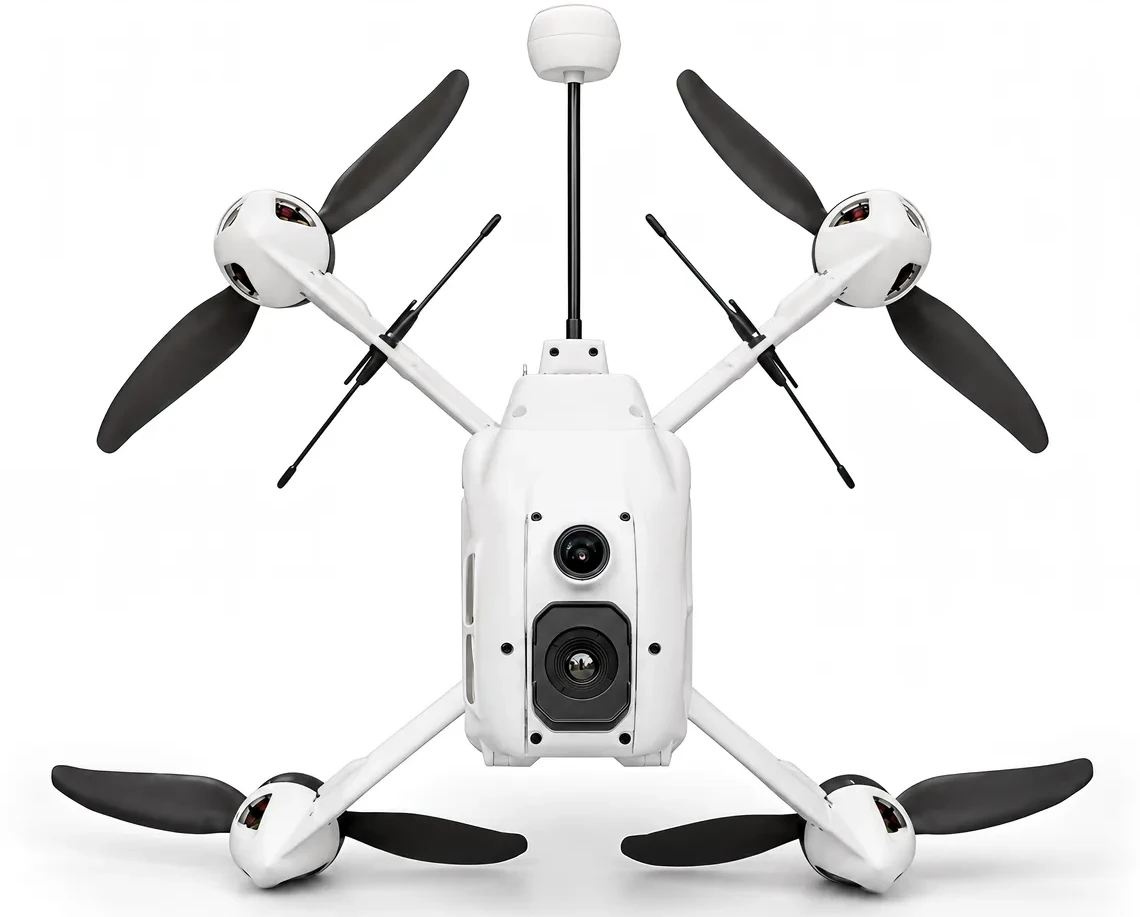
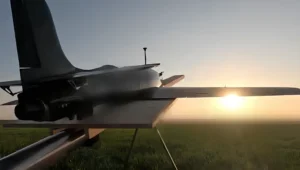
The Ukrainian Strila UAV interceptor developed by WIY Drones has received a series of structural, electronic, and functional upgrades. As Defender Media learned from the manufacturer, the modifications encompass the airframe and its onboard electronics, video link, positioning suite, and operational safety systems.
The developers transitioned the platform from legacy GPS modules to the SINE.LINK EW-resilient positioning system. Operating on a trilateration framework, the system determines the UAV’s coordinates independently of satellite navigation signals. This architecture delivers high resilience against electronic warfare tactics, specifically GPS jamming and spoofing, maintaining stable course-holding and reliable positioning amidst active electronic countermeasures.
In the updated iteration, the airframe features refined geometry and is fabricated from a lighter-colored, heat-resistant composite. Integrations also include redesigned air intakes to minimise internal heat buildup within the fuselage and enhance thermal dissipation.
The interceptor’s flight computer has been further integrated, enabling autonomous autopilot operation without continuous dependence on external control loops. Additional enhancements include automatic motor disarm upon landing, redesigned battery retention mounts, and supplementary software algorithms engineered to mitigate short-term electromagnetic interference between the flight controller and the ground control station.
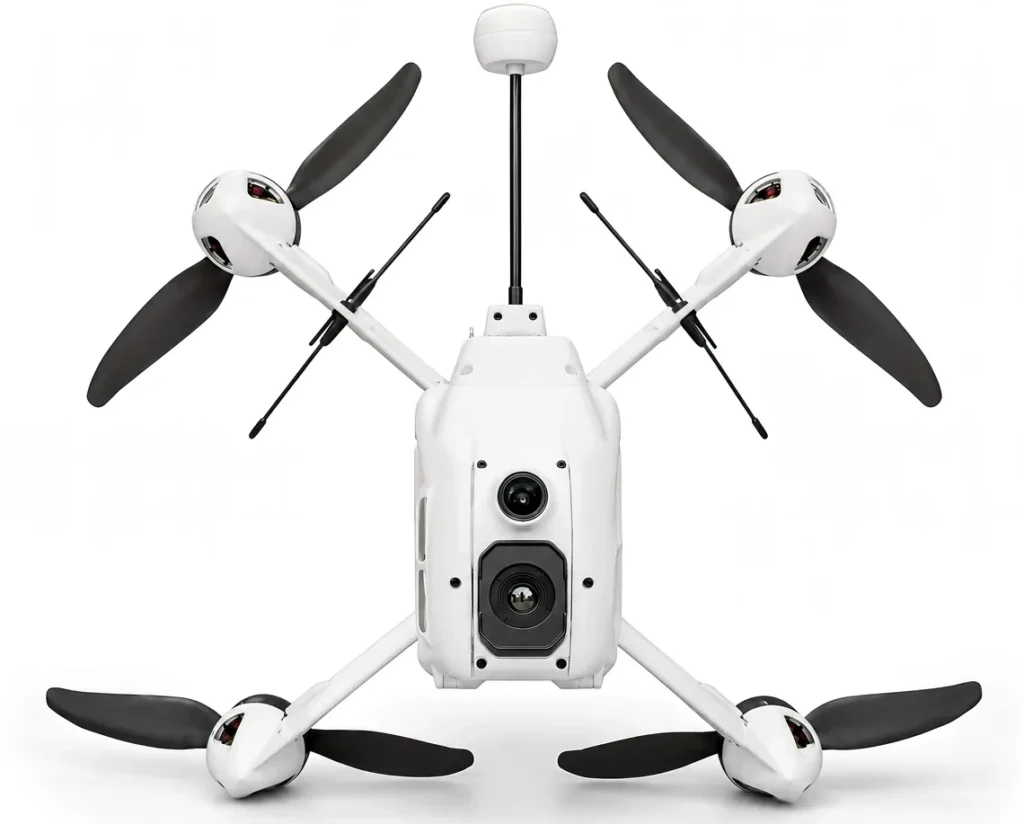
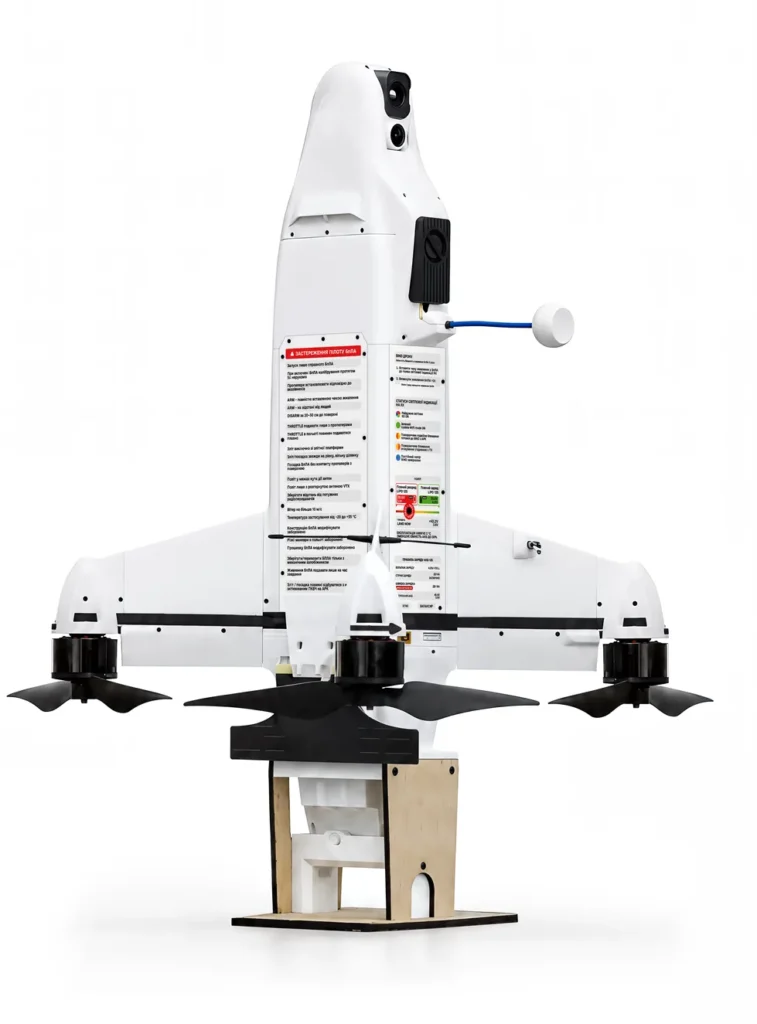
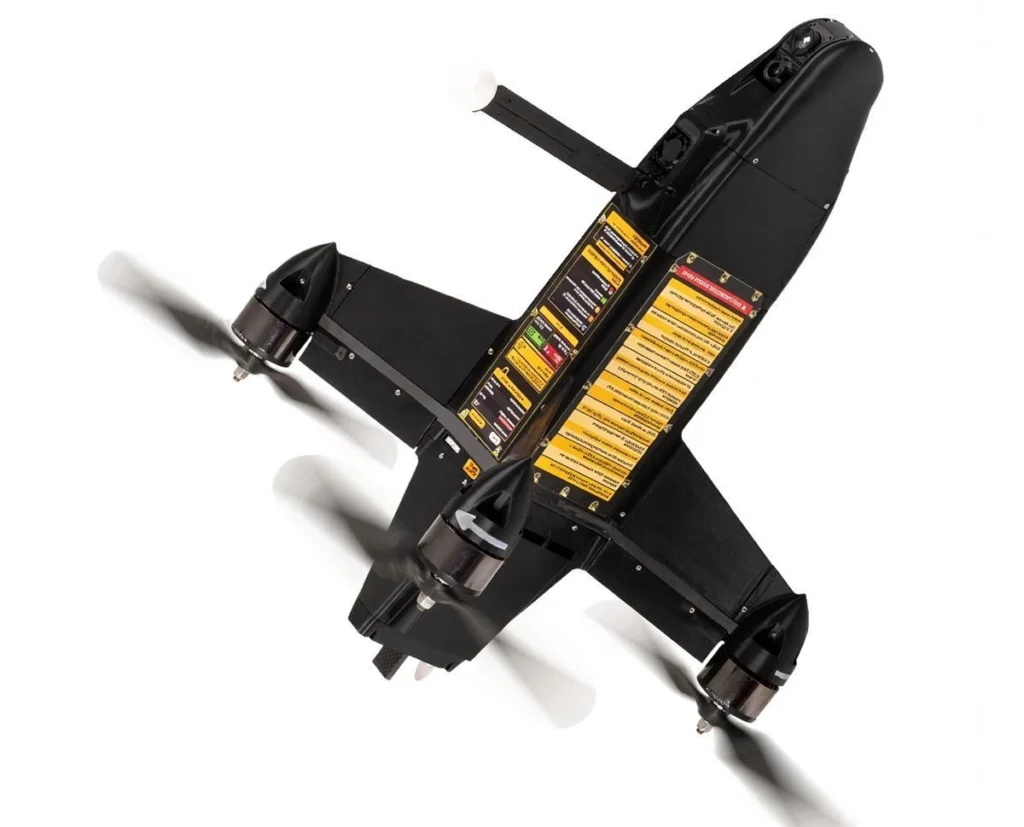
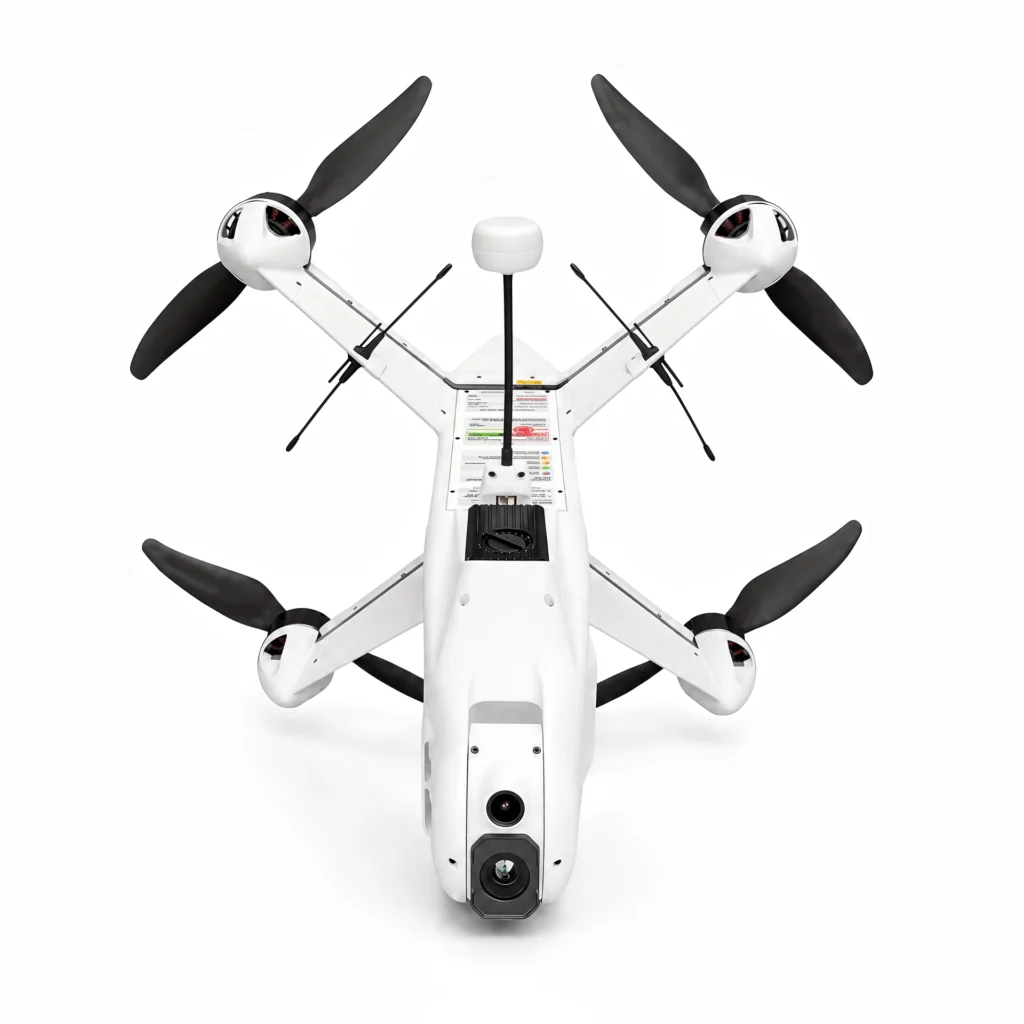
The WIY Strila interceptor reaches a maximum speed of 350 km/h with a cruising speed of 150–200 km/h, an endurance of up to 10 minutes, and an operational radius of up to 12 km. Its maximum flight range with a payload is 28 km, with a service ceiling of 4,000 m. The platform supports a payload capacity of up to 500 g.
The UAV is fitted with a dual optical suite comprising a daylight camera and a thermal imager, delivering target detection and recognition ranges of up to 1,000 m and 600 m, respectively.
Earlier, Defender Media reported on the new F5 short-range strike drone by F-Drones, engineered for deployment in contested environments.



By submitting this form, you give Defender Media consent to the processing of personal data.
Надсилаючи цю форму, ви надаєте Defender Media згоду на обробку персональних даних.