
Joint ventures in defence tech: how not to lose control of your business and technology. A legal opinion
Petro Bilyk, partner in the technology and investment practice at Juscutum, explains the rules for building international partnerships
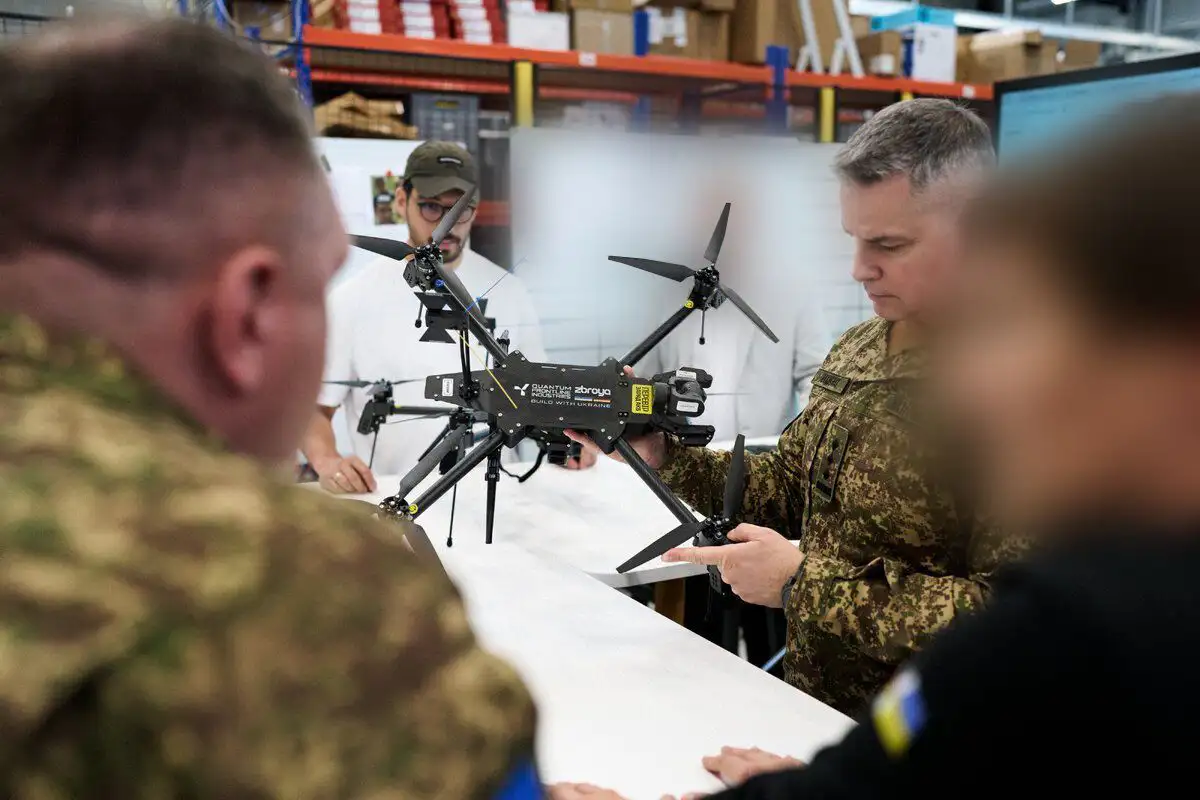
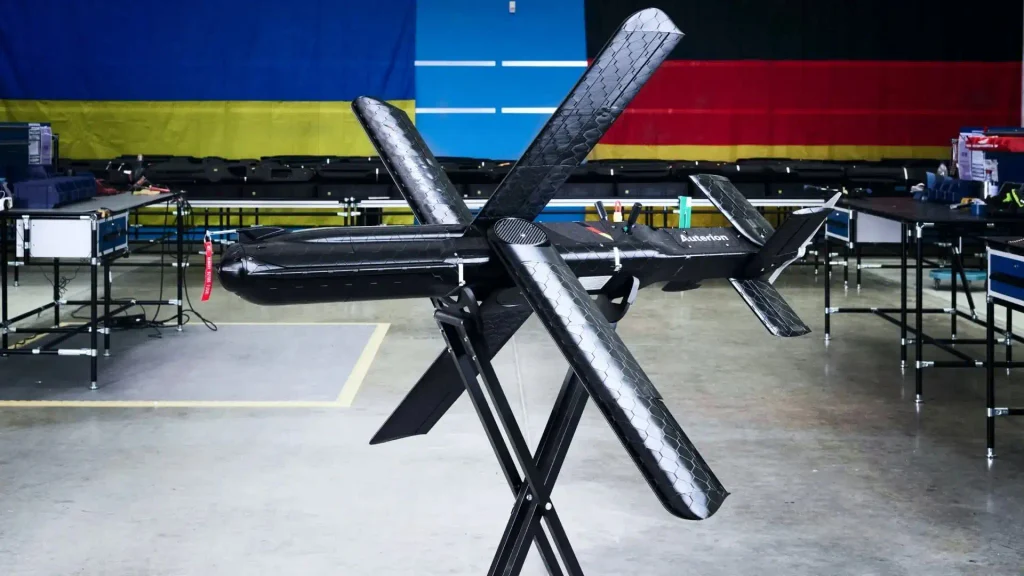
As of today, eight Ukrainian defence companies have created joint ventures with foreign partners. Five of them have already started production abroad and supply the goods to the Defence Forces. Dozens more joint ventures are at the memorandum and preliminary agreement stage.
In a column for Defender Media, Petro Bilyk, partner in the technology and investment practice at law firm Juscutum, explains what to keep in mind when setting up joint ventures.
Imagine a situation: a Ukrainian defence tech manufacturer has developed a promising technology and found a foreign partner for joint production. The parties have discussed shares, agreed on investment and are preparing to sign the documents.
Everything seems to be going to plan. But who will own future improvements to the technology? Who will make key decisions? And what happens if the partners stop seeing eye to eye?
These are exactly the questions that are often left “for later”. That is a mistake, because uncertainty can cost a company control of its own business.
Without clearly recorded rules of the game, they will almost always be shaped in the middle of a conflict. Each side then begins to interpret the agreements in line with its own interests.
For Ukrainian defence tech, an international partnership opens up opportunities to scale production, attract investment and enter new markets. But to use them without unnecessary risk, it is important to agree on the rules of cooperation before signing the first documents.
A joint company is not always needed
One common mistake is setting up a joint venture straight away, even though it is not always needed to carry out a business idea.
For a pilot project, distribution or production cooperation, for example, a contract between companies is sometimes enough. It allows cooperation to start without creating a separate legal entity.
If the partners plan long-term production and joint management of assets, a separate company may be more appropriate.
In that case, it is worth allocating roles from the outset. For example, the Ukrainian developer handles the technology, the foreign partner handles production and market access, and the joint company handles contracts and sales.
The main thing is to define the cooperation model at the start, and only then negotiate percentages.
The 50/50 trap: when equal shares block decisions
A 50/50 split of shares seems fair: both partners have equal influence. But what happens if one wants to bring in an investor and the other is against it?
If key decisions require unanimous approval, the company can end up in a management deadlock.
A practical scenario. Two founders cannot agree on bringing in an investor: one wants rapid scaling, the other wants to keep control. The decision is blocked. While the two negotiate, the investor walks away from the deal. The business loses funding not because of a lack of interest, but because it was unable to make a decision.
That is why it is important, right at the start, to provide a mechanism for resolving disputes: negotiations between the owners, bringing in a mediator, or the option of buying out a share.
An alternative can be a 49/51 model. But a smaller share does not necessarily mean losing influence. For example, you can secure a veto right over technology transfer, a change of owners or the signing of certain defence contracts.
Control is determined not only by the percentage of the share, but also by the decisions that cannot be made without your consent.
Who will own the technology?

For defence tech companies, the most valuable asset is often their own development: software, drawings, engineering solutions and technical documentation.
And here a question arises: does the technology need to be transferred into the ownership of the joint venture?
Not necessarily. One solution can be a licensing model, where the developer retains ownership and the partner receives the right to use the technology on agreed terms.
The share of future improvements should be defined separately. For example, if the joint team substantially upgrades the product, who will own the updated version?
It is also important to establish who will have access to technical data and under what conditions it can be passed to third parties. Joint production should not automatically mean joint ownership of the technology.
Handing over drawings can also be an export
In defence tech, export control applies not only to the physical shipment of products abroad.
Passing a foreign partner drawings, software or technical documentation relating to controlled technologies may also require a permit, even if the information is transferred online.
So before starting cooperation, you need to determine which category the product falls into: civilian, dual-use or military. The required procedures and the timeline for launching the project will depend on that.
The full cycle of export procedures can take several months. If this is taken into account too late, production plans will have to be revised.
Other approvals should also be kept in mind. In the US and EU countries, investment in companies with critical technologies may require special screening (foreign direct investment screening). In Ukraine, setting up a joint venture requires the approval of the Antimonopoly Committee under certain conditions. Regulatory procedures should therefore be built into the business plan alongside production, logistics and financing.
Vet your partner before signing
Even promising cooperation can create problems if the future partner is not vetted. For the defence industry, what matters is not only a company’s reputation and experience, but also its ownership structure, countries of operation, sanctions restrictions and ties to government customers.
For example, a partner’s ownership structure can complicate opening a bank account, obtaining permits or taking part in defence contracts.
It is better to clarify these circumstances before investing in joint production. After all, vetting a partner is not a sign of distrust, but a way to protect the future project.
How to exit a partnership without losing the business
At the start of cooperation everyone is optimistic, so discussing a partner’s possible exit is not very appealing. But business priorities can change. One of the partners may decide to sell their share, stop investing or move to another market.
That is why it is worth defining in advance a mechanism for selling a share, the other partner’s pre-emption right to buy it and possible restrictions on buyers. For defence tech this is especially important, since a change of owner can affect access to technologies and defence contracts.
It must also be agreed separately what happens to the right to use the technology after cooperation ends. Exit rules are not preparation for a conflict, but protection of the business under any scenario.
Conclusion: rules of the game first, then joint production
An international partnership can be an important step in the development of Ukrainian defence tech companies. But its success depends not only on investment, technology or production capacity.
Before signing the relevant documents, it is worth answering a few key questions: what exactly are we handing over to the partner, who makes decisions, who will own the developments, how will we resolve disputes and what will we do if the cooperation ends? It is equally important to assess in advance whether regulatory approvals are needed and to vet the future partner.
After all, a strong partnership is not only an opportunity to grow a business together, but also the ability to keep control over your own technologies, decisions and the company’s future.

Petro Bilyk
Partner in the technology and investment practice at Juscutum
Reading now
1
380+ vacancies in Ukrainian defence tech from Fire Point, DevDroid, UFORCE and others
2

A new Ukrainian fund, WildField Ventures, plans to invest $10-15 million in 20 dual-use startups. What areas is it interested in
3
230+ vacancies in Ukrainian defence tech from Tencore, Zvook, Airlogix and others
4
SkyFall unveils new StarGate hexacopter for casualty evacuation
5
Ukrainian units conduct “world’s first airborne evacuation from the frontline” using Audag-6 drone
By submitting this form, you give Defender Media consent to the processing of personal data.
Надсилаючи цю форму, ви надаєте Defender Media згоду на обробку персональних даних.

Latest insights
1
Joint ventures in defence tech: how not to lose control of your business and technology. A legal opinion
2
TENCORE starts buying up other UGV manufacturers. CEO Maksym Vasylchenko explains the logic behind the deals
3

How to enter Norway’s defence market: an ultimate guide for Ukrainian companies
4
Everything about the RAM-2X mid-strike drone: interview with Ukrspecsystems deputy director Andrii Rymaruk
5