How to enter Norway’s defence market: an ultimate guide for Ukrainian companies
Key takeaways from the presentation at Calibrated’s Defence Tech Comms Bootcamp
Norway has become one of Ukraine’s closest defence partners in Europe. Through the Nansen Support Programme, military assistance, training and industrial cooperation, Oslo has made a long-term commitment to strengthening Ukraine’s defence capabilities.
For Ukrainian defence companies, Norway offers significant opportunities — but it is also a highly specialised market. While interest in battlefield-proven Ukrainian technologies continues to grow, companies must navigate a defence procurement system that differs markedly from those they are familiar with.
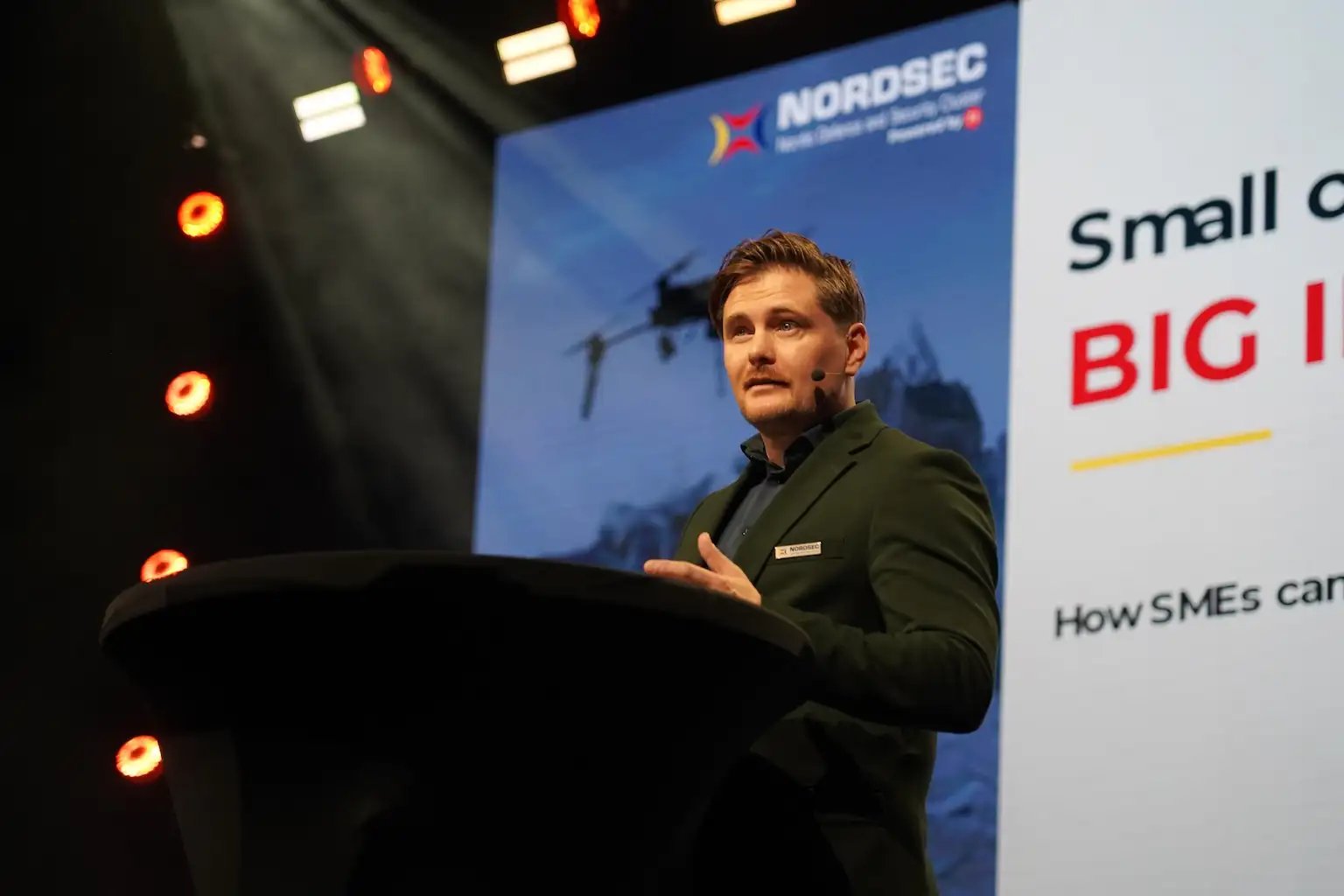
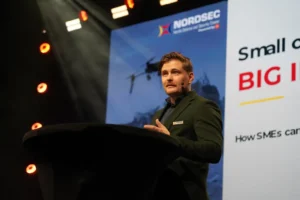
To help Ukrainian businesses better understand the market, Tevje Ravn Eggan, Cluster Manager at the Nordic Defence and Security Cluster, and Sigbjørn Albertsen, Senior Adviser for Defence and Dual-Use at the Norwegian Ukrainian Chamber of Commerce, shared practical insights into Norway’s defence technology ecosystem.
Speaking at the May edition of the Defence Tech Comms Bootcamp: Go Global, organised by Calibrated and Tech PR School, they explained how the Norwegian defence market operates, where the main opportunities lie, and how Ukrainian companies can build relationships with industry, government and innovation networks.
Defender Media has compiled the key takeaways and, with the speakers’ permission, is publishing the main insights.
Norway DefTech priorities overview
Norway is a relatively small defence market, but it plays a strategically important role within NATO. As the Alliance’s northern flank, the country is responsible for monitoring Russian military activity in the Arctic and North Atlantic.
Together with the other Nordic countries, Norway is also moving toward deeper military integration, creating stronger demand for interoperable capabilities and industrial cooperation. The Norwegian Armed Forces are prioritising investments in maritime capabilities, cold-weather operations, air defence, drone capabilities, ISR, ammunition, cyber resilience, and protection of critical infrastructure.
These priorities are backed by long-term funding. Norway plans to invest approximately €150 billion in defence over the next 12-14 years, with a strong focus on command and control systems, autonomous platforms, AI, missile technology, underwater capabilities, munitions, and lifecycle support. Since Norway is not self-sufficient in defence production, partnerships with allied companies are essential.
For Ukrainian defence firms, this creates tangible opportunities to integrate battlefield-proven technologies into NATO supply chains through cooperation with Norwegian industry, particularly in drones, autonomy, ISR, and other combat-tested digital solutions.
Government stakeholders
Understanding how Norway’s defence ecosystem is structured is essential for market entry. While procurement is centralised, several government organisations can help foreign companies establish partnerships and access the market.
Ministry of Defence (MoD). In April 2026, Norway and Ukraine signed a joint declaration committing to support joint defence industrial cooperation, and in August 2026, Norway and Ukraine signed a Drone Deal. These commitments focus on co-development, joint production, technology transfer, and distributed manufacturing capacities in both countries. This provides a strong political foundation for long-term industrial partnerships.
Norwegian Defence Materiel Agency (NDMA). NDMA is the central procurement authority for the Norwegian Armed Forces. It also manages Industrial Cooperation Agreements (ICAs), which require foreign suppliers to generate industrial value in Norway through local partnerships, R&D, production, or technology transfer. Understanding ICA requirements is essential for companies targeting major Norwegian defence programs. NDMA also runs a Norwegian industrial donations platform, where Norwegian producers can offer their equipment for donations to Ukraine.
Norwegian Defence Research Establishment (FFI). FFI is responsible for defence-related research in Norway and serves as the chief adviser on defence-related science and technology to the Ministry of Defence and the Norwegian Armed Forces’ military organization. FFI is the Norwegian counterpart to Brave1 and represents Norwegian interests in the upcoming €20M Brave Norway program.

Norwegian Defence Attaché in Kyiv. The office of the Norwegian Defence Attaché in Kyiv bridges Ukrainian needs with Norwegian support. A deputy defence attaché for the defence industry helps governments connect with relevant technology providers.
Norwegian Armed Forces. Although large procurements are handled by NDMA, individual branches occasionally launch pilot projects, technology demonstrations, prototype testing, and concept development initiatives together with FFI. Access to these opportunities usually requires a trusted Norwegian partner or industry champion.
Innovation Norway, Business Norway and Invest in Norway. Innovation Norway (IN) is the official Norwegian trade and investment promotion organisation, whose primary objective is to support Norwegian businesses in expanding to international markets. However, IN also run programs such as Business Norway and Invest in Norway, which help connect foreign companies with Norwegian industry and innovation ecosystems, thereby attracting foreign investment and facilitating market entry in Norway. IN has a representative office in Kyiv that supports Norwegian and Ukrainian companies.
Key industry players
Norway’s defence industry is relatively small but highly specialized. The ecosystem is dominated by a handful of global prime contractors supported by a growing network of innovative SMEs developing dual-use and defence technologies.
Major prime contractors. Companies such as Kongsberg Defence & Aerospace, Nammo, Chemring Nobel, Kitron, NFM Group, and Radionor Communications are the backbone of Norway’s defence industry. For Ukrainian companies, becoming a supplier or technology partner to these firms is often the fastest route into the Norwegian and wider NATO market.
Kongsberg is the key entry point. As one of NATO’s leading defence suppliers, Kongsberg actively works with external suppliers that bring innovation, specialized expertise, and technologies that can be integrated into complex defenсe systems. The company maintains a dedicated supplier portal for prospective partners.

Nammo is expanding its industrial partnerships. One of the world’s leading manufacturers of ammunition, shoulder-fired weapons, and propulsion systems, Nammo continues to increase production capacity and works closely with allied industrial partners across Europe.
A strong and growing SME ecosystem. Norway has an increasing number of defenсe and dual-use technology companies, including Six Robotics, Maritime Robotics, SentiSystems, Teledyne FLIR Norway, Norbit, and Biodrone. Many are actively scaling solutions in autonomy, robotics, maritime technologies, ISR, and sensing.
Focus on Oslo and Trondheim. While defenсe companies are located across the country, the largest concentration of industry is around Oslo. Oslo serves as the main business and government hub, while Trondheim – often referred to as Norway’s technology capital – is home to a strong ecosystem built around research, engineering, and deep-tech innovation. These two cities are the most practical starting points for companies entering the Norwegian market.
Clusters and industry ecosystems
Industry clusters are an effective entry point into the Norwegian defenсe market, providing access to prime contractors, government stakeholders, and potential business partners.
FSI (Norwegian Defence and Security Industries Association). Norway’s largest defenсe industry association represents the country’s leading defenсe companies and serves as a key interface between industry and government. For foreign companies, FSI is one of the best gateways to the Norwegian defenсe ecosystem and its major prime contractors.
DI5. Based in Kongsberg and supported by Innovation Norway, DI5 is a defenсe innovation cluster focused on accelerating collaboration between startups, SMEs, and established industries. Its close proximity to Kongsberg Defence & Aerospace makes it a valuable platform for companies seeking industrial partnerships.
NORDSEC (Nordic Defence and Security Cluster). NORDSEC brings together more than 150 companies working in defenсe, dual-use technologies, and advanced manufacturing. The cluster provides networking opportunities, industry events, and direct connections with defenсe companies and decision-makers across Norway and the wider Nordic region. Situated in Trondheim, NORDSEC is well connected with the Norwegian University of Science and Technology (NTNU).
Norwegian-Ukrainian Chamber of Commerce (NUCC). NUCC is a non-commercial interest organisation for Ukrainian and Norwegian companies looking to enter each other’s market. NUCC has an office in Kyiv, and a dedicated advisor supports defense and dual-use companies on industry-related and general inquiries.
Practical steps
Direct procurement is possible but difficult. Ukrainian companies can formally participate in NDMA tenders. In practice, however, strict security requirements, certifications, and the preference for proven suppliers make direct market entry challenging. Partnering with a Norwegian or international prime contractor is often the most realistic route.
Start by aligning your solution with Norway’s defenсe priorities and identifying the right industrial partners. Joining an industry cluster, attending defenсe events, and launching pilot projects with Norwegian partners are effective ways to build relationships before pursuing larger procurement opportunities.
Highlight what makes Ukrainian defenсe companies unique: battlefield-proven technologies, rapid innovation, and real operational experience. At the same time, be prepared to meet Norway’s high compliance standards, including export controls, security requirements, GDPR, and anti-corruption rules. Transparency and accountability are essential for building trust with Norwegian partners.
Norwegian business culture: what Ukrainian companies should know
Norway’s defence ecosystem is built around trust, transparency, and long-term relationships. For Ukrainian companies, understanding these unwritten rules of Norwegian culture can be just as important as having the right technology.
Trust is your most valuable asset. Norway is a small society of 5.5 million people, where everyone knows everyone. Business networks are closely connected, and reputations spread quickly. Norwegians build trust based on how you act and perform, not on what you say. You need to demonstrate that you are capable, reliable, and professional—only then will they trust you.
Report problems early, not late. Norwegian partners understand that mistakes happen. What matters is communicating them immediately, taking responsibility, and presenting a solution. The biggest mistake you can make is to hide a problem. If it comes to the surface later, you are likely to lose your partner’s trust.
Listen carefully to feedback. Norwegians often communicate diplomatically to preserve good relationships. A Norwegian might say, “This looks very good, but maybe Part A could be improved by changing X and Y to Z.” In reality, this usually means: “Change X and Y to Z.” Everything after the word “but” is the key message and should be acted upon.
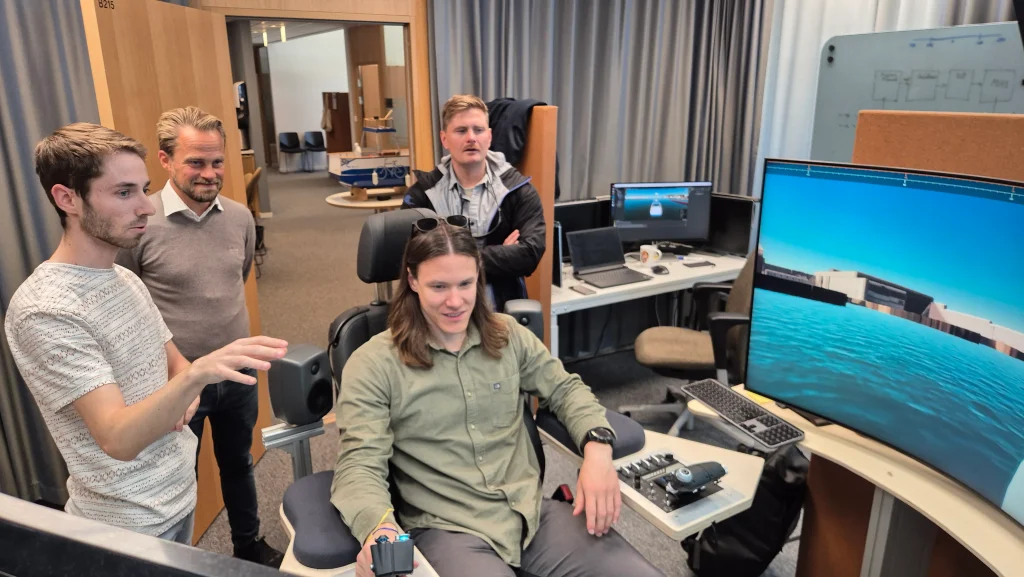
Expect flat hierarchies and consensus. Organisations are relatively non-hierarchical, and decisions often involve multiple stakeholders. Norwegian society is closely connected. You might be the boss at work, while your employee coaches your child’s football team. As a result, people try to maintain good relationships and seek consensus when making decisions.
Expect vague task descriptions and feedback. Initiative and independent problem-solving are highly valued. Therefore, tasks in the Norwegian business environment are often open-ended. A manager will usually describe the goal of the task and then let the employee determine the best way to achieve it themselves. This can result in what Ukrainians would characterise as vague task descriptions and feedback.
Arrive strictly on time. Punctuality is taken very seriously in Norway, as is personal accountability. If you arrive late because of traffic, most Norwegians will not consider it a valid excuse. They expect you to have planned accordingly. They respect other people’s time and expect the same in return.
Sell the practical application before the technical details. Norwegian buyers are generally less impressed by lengthy datasheets, specifications, and technical facts. They are more interested in understanding how a solution solves a real problem. Quality, reliability, and sustainability often matter more than finding the cheapest option.
Useful contacts and links
- forsvarsloftet.pdf
- NORDSEC Nordic Defence and Security Cluster faf-2026-2033.pdf
- Suppliers – KONGSBERG – an international technology group
- Hvordan bli leverandør – Forsvarsanskaffelser
- Norway-Ukraine-joint-declaration-en.pdf
- Norwegian Defence Materiel Agency
- Forsvarskonferansen – Nordic Defence and Security Conference
- Invest in Norway | Business Norway
- NORDSEC Nordic Defence and Security Cluster
- Di5 Cluster
- FSi – Norwegian Defence and Security Industries
- NUCC – Norwegian-Ukrainian Chamber of Commerce
- Tevje Ravn Eggan | LinkedIn
- Sigbjørn Albertsen | LinkedIn
- NUCC – nucc.no – post@nucc.no
- Innovation Norway – ole.henaes@innovationnorway.no
- The Norwegian Embassy in Kyiv – emb.kyiv@mfa.no
Reading now
1
SkyFall officially unveils Thor Hammer mid-strike and announces 1,000+ km version
2
260+ vacancies in Ukrainian defence technology at BlueBird Tech, Sine Engineering, Buntar Aerospace and more
3
British-Ukrainian Occam Industries raises €3.8m. The funds will go towards scaling drone autonomy software
4
Ukraine’s M-Fly raises new investment round to scale up gimbal production
5
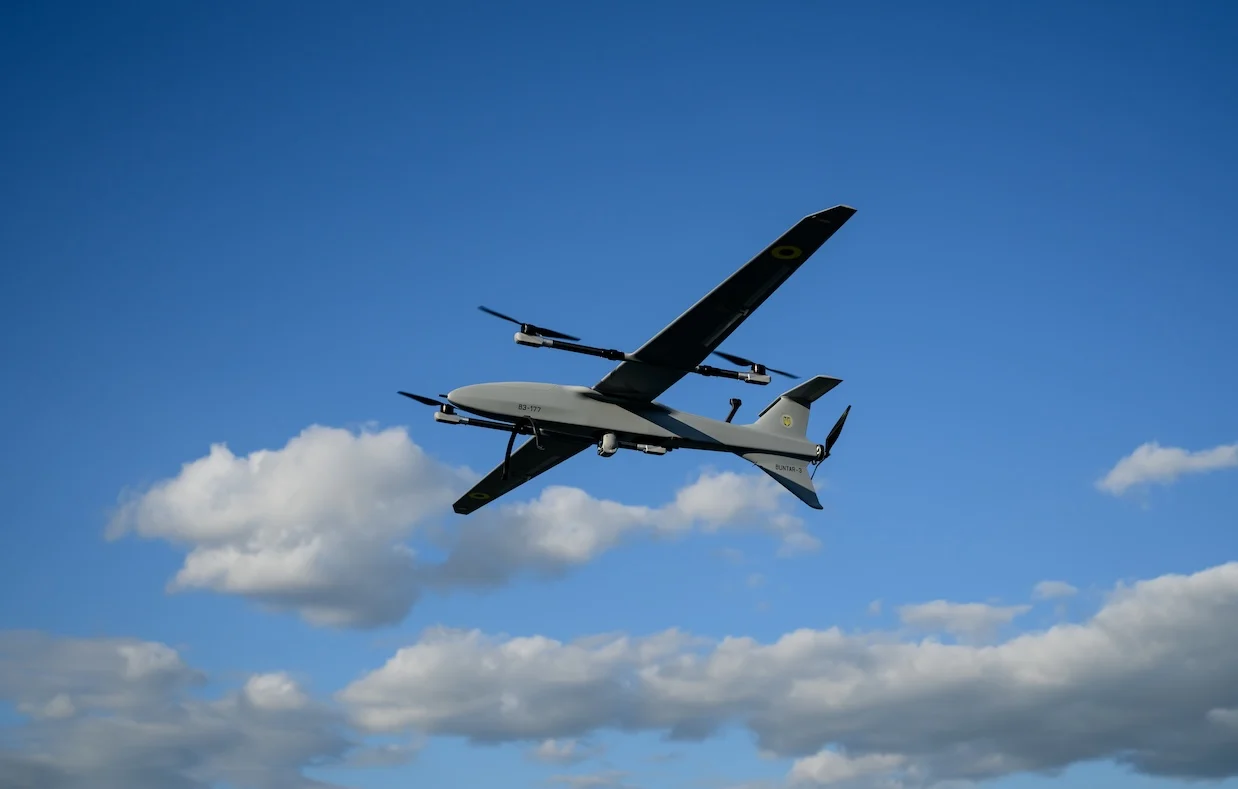
Buntar Aerospace raises $16M to scale up and enter foreign markets
By submitting this form, you give Defender Media consent to the processing of personal data.
Надсилаючи цю форму, ви надаєте Defender Media згоду на обробку персональних даних.

Latest insights
1
How to enter Norway’s defence market: an ultimate guide for Ukrainian companies
2
Everything about the RAM-2X mid-strike drone: interview with Ukrspecsystems deputy director Andrii Rymaruk
3

A demo is not demand: How to prove the value of a defence tech product. Column by Tekever Ukraine Director Kateryna Bezsudna
4
How to choose the right video link for an FPV drone: analogue, digital, or fibre-optic?
5