Dorozvidka #78: Jet-powered Shahed interceptors, the world’s first airborne deployment of strike UGVs, plus Sternenko, Romaniukov and Babenko
Important updates to the week’s published news, as well as interesting posts from social media and other media
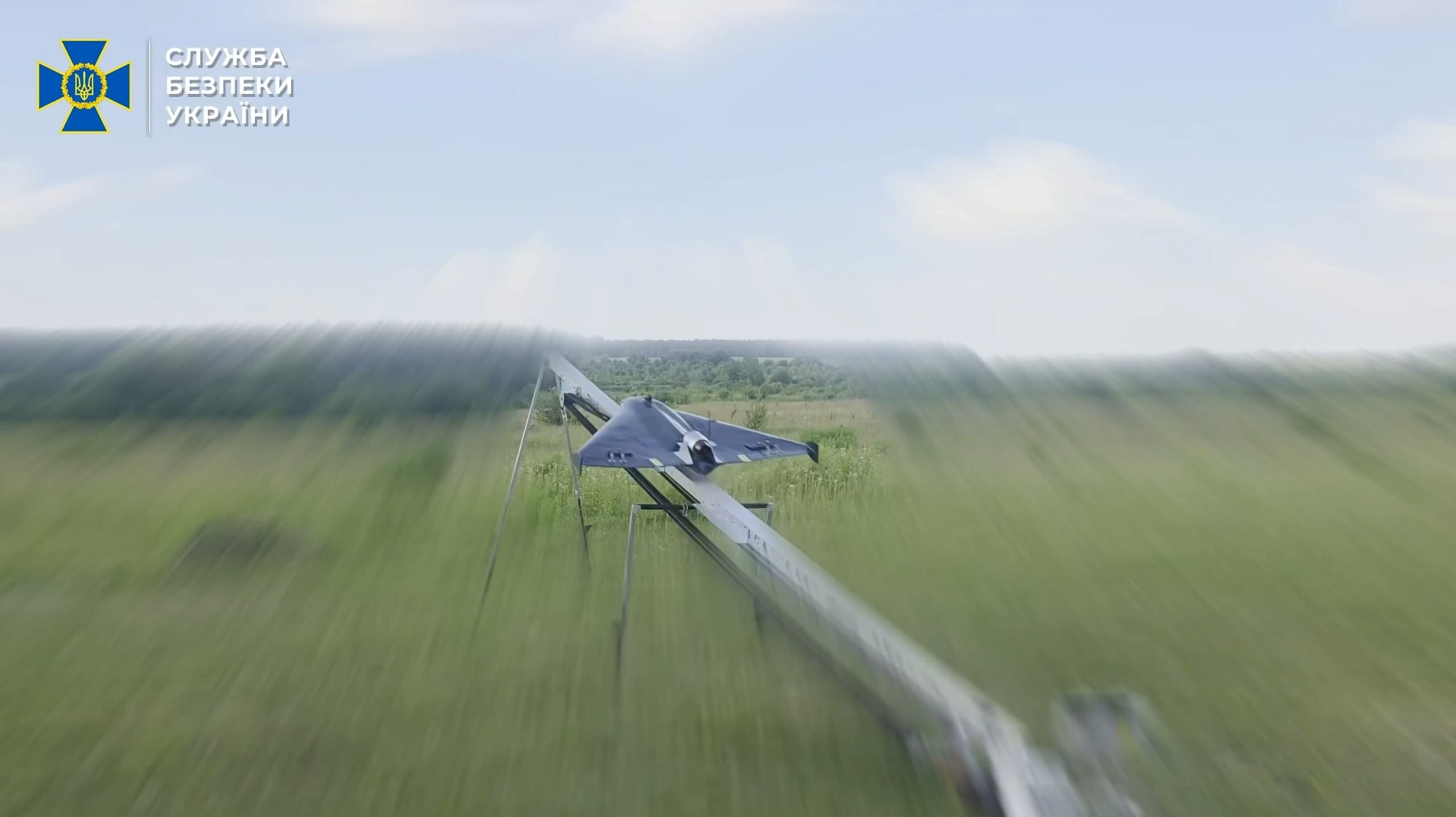
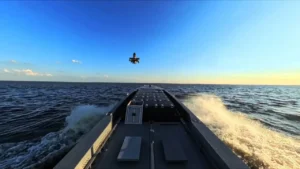
Shahed interceptor in operation. Screenshot: President's post
In the new issue of Dorozvidka:
- Ukraine’s Third Army Corps becomes the first in the world to conduct an airborne deployment of kamikaze UGVs;
- Serhii Sternenko on jet-powered interceptors and working with manufacturers;
- Artem Romaniukov on the key principles guiding his work at the Defence Procurement Agency;
- Volodymyr Zelensky on interceptors targeting jet-powered Shaheds and the weapons used to attack Moscow;
- Oleksii Babenko on BIHUS Info.
Third Army Corps carries out the world’s first airborne deployment of kamikaze UGVs
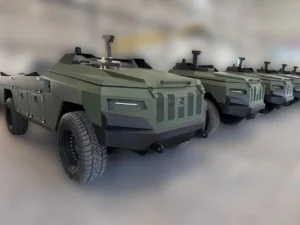
Ukrainian troops deployed unmanned ground vehicles behind Russian lines during Operation Vivaldi in northern Donetsk region. The Third Army Corps said the operation enabled the Defence Forces to liberate two villages and clear another one.
Heavy bomber drones delivered the kamikaze UGVs behind Russian lines. According to Brigadier General Andrii Biletskyi, the corps commander, the ground robots were deployed more than 10 km behind Russian lines, in what he described as the first operation of its kind in the world.
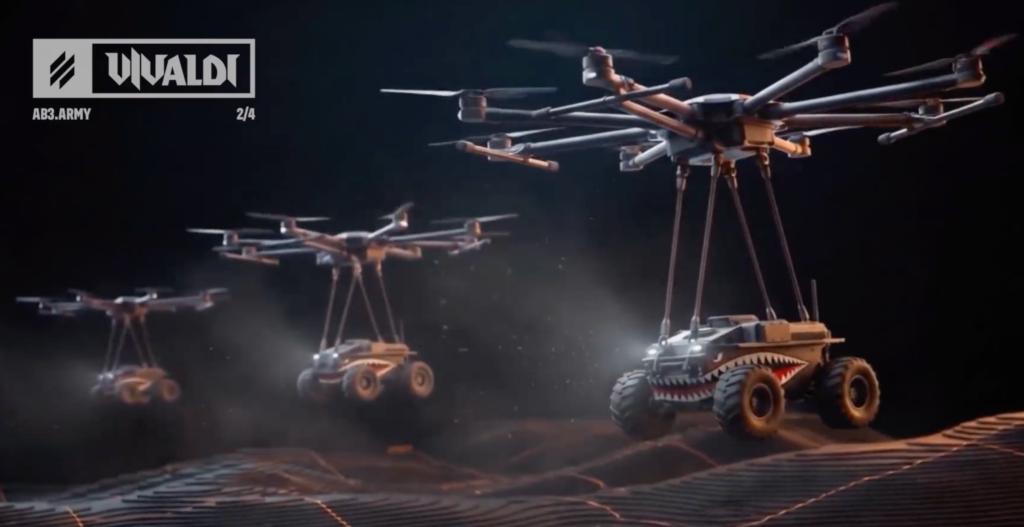
The Triyka later said that its UGV units had already carried out more than 15,700 successful missions and delivered around 3,300 tonnes of cargo. The brigades operate dedicated UGV units that cover up to 80% of infantry needs and 90% of frontline evacuations.
Sternenko on jet-powered interceptors and working with manufacturers
Volunteer Serhii Sternenko recently appeared at DOU Day Picnic, where he spoke, among other things, about emerging aerial threats and the development of interceptor drones.
According to Sternenko, Ukrainian companies have been working on jet-powered interceptors since 2025. They are expected to enter mass production by the end of this year.
Ukraine now needs to prepare for Russian small cruise missiles. Countering them will require cheap, mass-produced short-range air-defence missiles.
Sternenko also explained how the Sternenko Community works with manufacturers. When it comes to new drones, the foundation buys a test batch and sends it to several units operating in different areas. It collects data, talks to operators, reviews footage and assesses the results. Only then does the Sternenko Community scale up its purchases. Of more than 100 suppliers, around 20 remain regular suppliers.
According to Sternenko, the main problem facing Ukrainian manufacturers is weak communication with end users. Those who do not listen to operators make worse products and stop improving them.
“Our model is simple: we ask the military what they need, tell the manufacturer to build it, and then we either buy it or look for someone else,” the volunteer said.
Romaniukov on the key principles guiding his work at the Defence Procurement Agency
Artem Romaniukov, who is currently serving as acting director of the Defence Procurement Agency, described his first three weeks on the job in a Facebook post. He also outlined the principles guiding his work in the position.
- More genuine competition wherever possible.
- Further digitalisation of procurement, with clear and predictable rules for manufacturers and suppliers.
- Integrity and accountability throughout the process. Procurement decisions must be made solely in the interests of the military and the state.
“The state must use its resources efficiently, while the market needs to understand the rules it has to operate by,” Romaniukov said. “So that every service member can get what they need on time — and at a reasonable price.”
Zelensky on interceptors for jet-powered Shaheds and weapons used to attack Moscow
On 19 September, Ukrainian President Volodymyr Zelensky published a video saying that SBU specialists had developed the first effective UAV designed to counter jet-powered Shaheds.
The same day, Zelensky published footage of the system being used successfully for a second time. SBU military counterintelligence personnel used it to strike a Russian Geran-5 jet-powered drone.
On the night of 19–20 September, Ukraine launched a large-scale attack on the Moscow region. In a post about the attack, the Ukrainian president highlighted the strike systems involved: FP-1, RZ-100, MICH-2000, Palianytsia, Vendetta, Liutyi, Bars, Flamingo, Sichen and Pelican. Some of these systems are already well known, while others were mentioned publicly for the first time.
Oleksii Babenko on BIHUS Info
BIHUS Info journalists spoke to Oleksii Babenko, founder and CEO of Vyriy Industries. He discussed:
- Why the conventional tactics used to intercept Shaheds no longer work against newer systems travelling at speeds of more than 400–500 km/h;
- Whether the problem of jet-powered drones can be solved — and, if so, how long it could take;
- What exactly went wrong in communication between developers, the military and the state.
The interview also covers the engineering talent shortage, the specifics of the ZIRKA project, and the peculiarities of running a defence tech business in Ukraine.
Reading now
1

70+ vacancies in Ukrainian defence tech at Ukrspecsystems, Strix Air, DoD Solution and other industry leaders
2
Ukrainian Skyeton secures $10.6M US army contract
3

Vluchnyk develops interceptor planned for production in Sweden and other countries: what attracted investors and what the team is working on
4
Canadian General Dynamics signs agreements with Ukrainian GreenTech
5
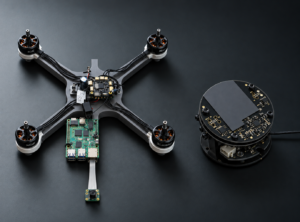
Korven Systems project: How Teletactica co-founder is building an autopilot for interceptor drones
By submitting this form, you give Defender Media consent to the processing of personal data.
Надсилаючи цю форму, ви надаєте Defender Media згоду на обробку персональних даних.

Latest news
1
Government increases maximum concessional loan for defence companies to UAH 500 million
2

Air3F codifies Varkhan UGV with 72-hour endurance
3
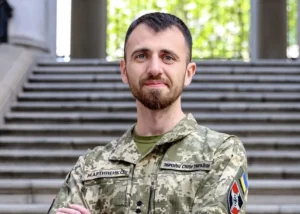
DELTA architect Artem Martynenko becomes deputy to Commander-in-Chief Drapatyi
4

Swarmer to launch mobile air defence systems production in Poland for Erik Prince’s Vectus Air Defense Systems
5