September 8, 2026
Six of the seven teams successfully completed the trials and were recommended for procurement
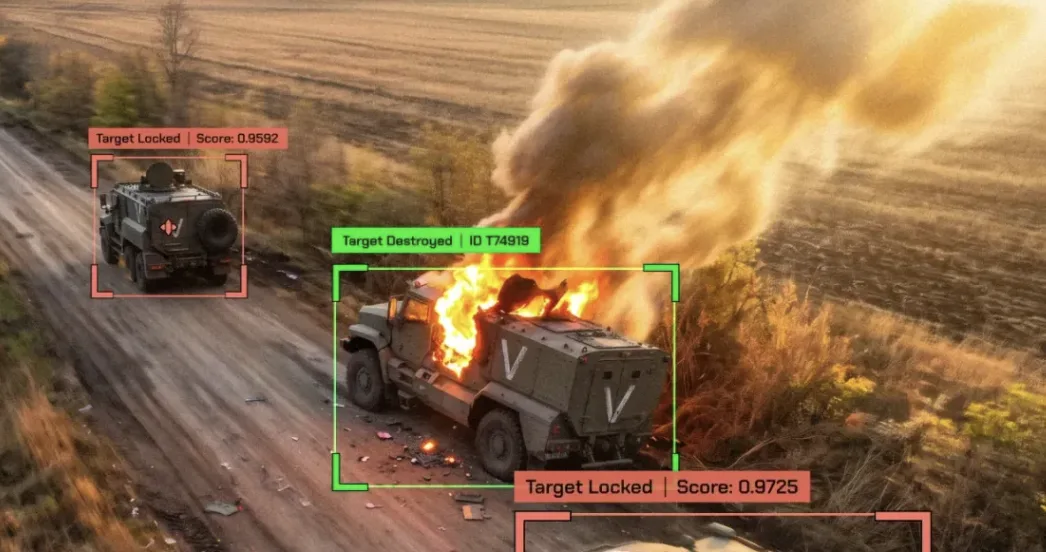
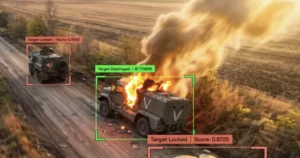
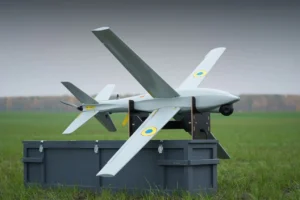
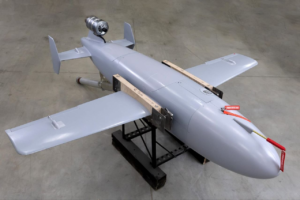
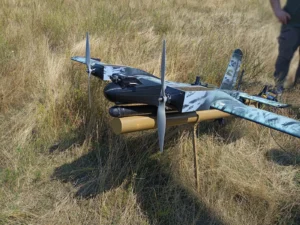
Since the beginning of the year, the number of enemy targets successfully engaged by Ukraine’s Defence Forces using AI guidance has increased tenfold. Ukraine’s government defence technology cluster Brave1 announced this in a joint post with the Ministry of Defence, publishing footage of UAVs equipped with automatic terminal guidance modules undergoing trials.
Automatic terminal guidance modules from seven companies took part in the trials against moving ground targets. Six teams successfully completed the trials and were recommended for procurement. The trial requirements were:
Each team was allowed up to three attempts. To pass the trial, teams had to hit the target in at least two of the three attempts.
According to the organisers, this was the first large-scale trial of the technology conducted under a standardised scenario. Its purpose was to accelerate the procurement of the most effective solutions.
Brave1 aims to scale up the military use of automatic terminal guidance based on artificial intelligence and machine vision. Military personnel will decide whether to use this capability during a specific mission.



By submitting this form, you give Defender Media consent to the processing of personal data.
Надсилаючи цю форму, ви надаєте Defender Media згоду на обробку персональних даних.