Wild Hornets double VTX output on FPV drones — operational range set to grow by 50%
New module expands video link range by half while bolstering connection stability
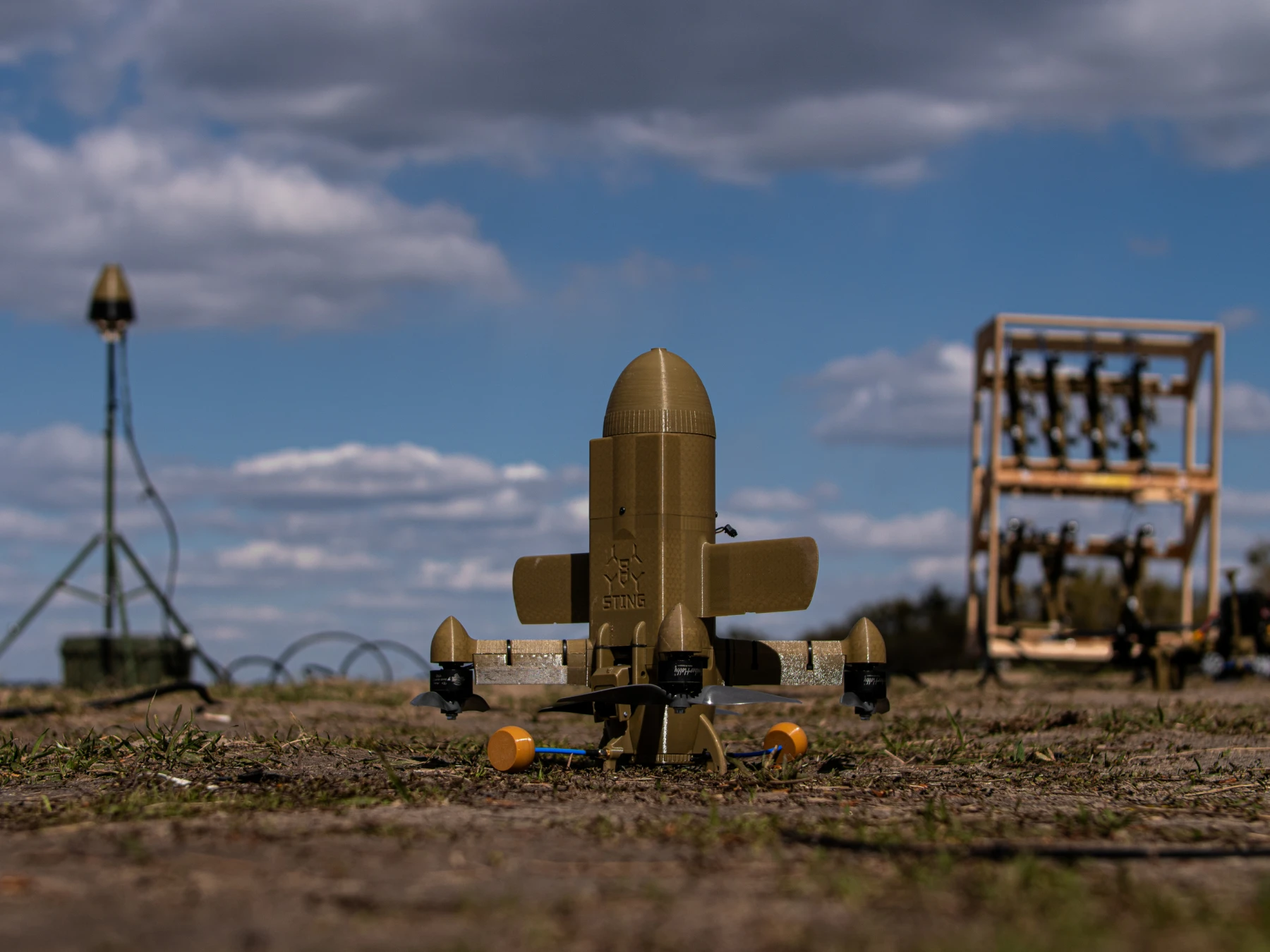
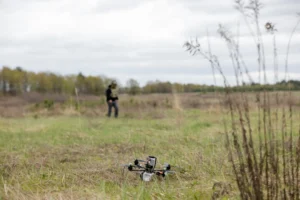
Sting interceptor. Photo: Wild Hornets
Ukrainian company Wild Hornets has launched serial production of the HV VTX Pro video transmitter. Its power output is 4 W, more than twice that of the company’s previous module.
According to Wild Hornets, the new module can increase the effective range of FPV drones by up to 50% and improve the stability of digital video communications in environments with radio-electronic interference.
The company also says the video transmitter can increase the operating range of interceptor drones from around 20 km to 30 km. These estimates assume a favourable radio horizon and the use of a 360-degree omnidirectional antenna fitted to Hornet Vision ground stations.
The HV VTX Pro has a power output of 4 W, more than twice that of the previous module. According to Wild Hornets, this increases the range of digital video signal transmission from the drone to the ground station and improves communication stability under interference and electronic warfare conditions.
The increased transmitter power is also expected to expand the capabilities of interceptor drones when engaging targets at extremely low altitudes. According to estimates by Wild Hornets pilots, depending on the conditions, this could increase the effectiveness of intercepting such targets by at least 20%.
The new transmitter is already being installed on drones equipped with thermal imaging cameras for night operations. It will subsequently also be used on aircraft with daytime cameras. The company says that replacing the module will not increase the cost of drones for the Ukrainian military.
Besides that, Wild Hornets has upgraded its Hornet Vision digital communications system, increasing the number of independent communication channels from 9 to 25. According to the company, this allows up to 25 crews to operate simultaneously within a single radio field without causing critical radio interference to one another.
Hornet Vision ground stations can be upgraded to operate in 25-channel mode, while new drones are already receiving onboard VTX modules that support this technology.
Defender Media previously reported on the codification of the first jet-powered Alexa Spatium interceptor.
Reading now
1
SkyFall officially unveils Thor Hammer mid-strike and announces 1,000+ km version
2

260+ vacancies in Ukrainian defence technology at BlueBird Tech, Sine Engineering, Buntar Aerospace and more
3
British-Ukrainian Occam Industries raises €3.8m. The funds will go towards scaling drone autonomy software
4

Terra Drone acquires 50% of Ukrainian Kurin Technologies for $3.5 million
5

Autonomous interceptor drones need radars to work. Why is there still a lack of them
By submitting this form, you give Defender Media consent to the processing of personal data.
Надсилаючи цю форму, ви надаєте Defender Media згоду на обробку персональних даних.

Latest news
1

Denmark to hold first-ever Danish Defense Tech Week in four cities: what to expect
2
Forbes: Airlogix plans to raise $100m at a $2bn valuation
3
Tencore launches an ecosystem to bring together UGVs and components from several manufacturers
4

Defense companies may see staff deferrals cut from 100% to 85%
5