November 10, 2026
The company plans to develop missiles against Shaheds, interceptors and software solutions, as well as invest in Ukrainian defence startups
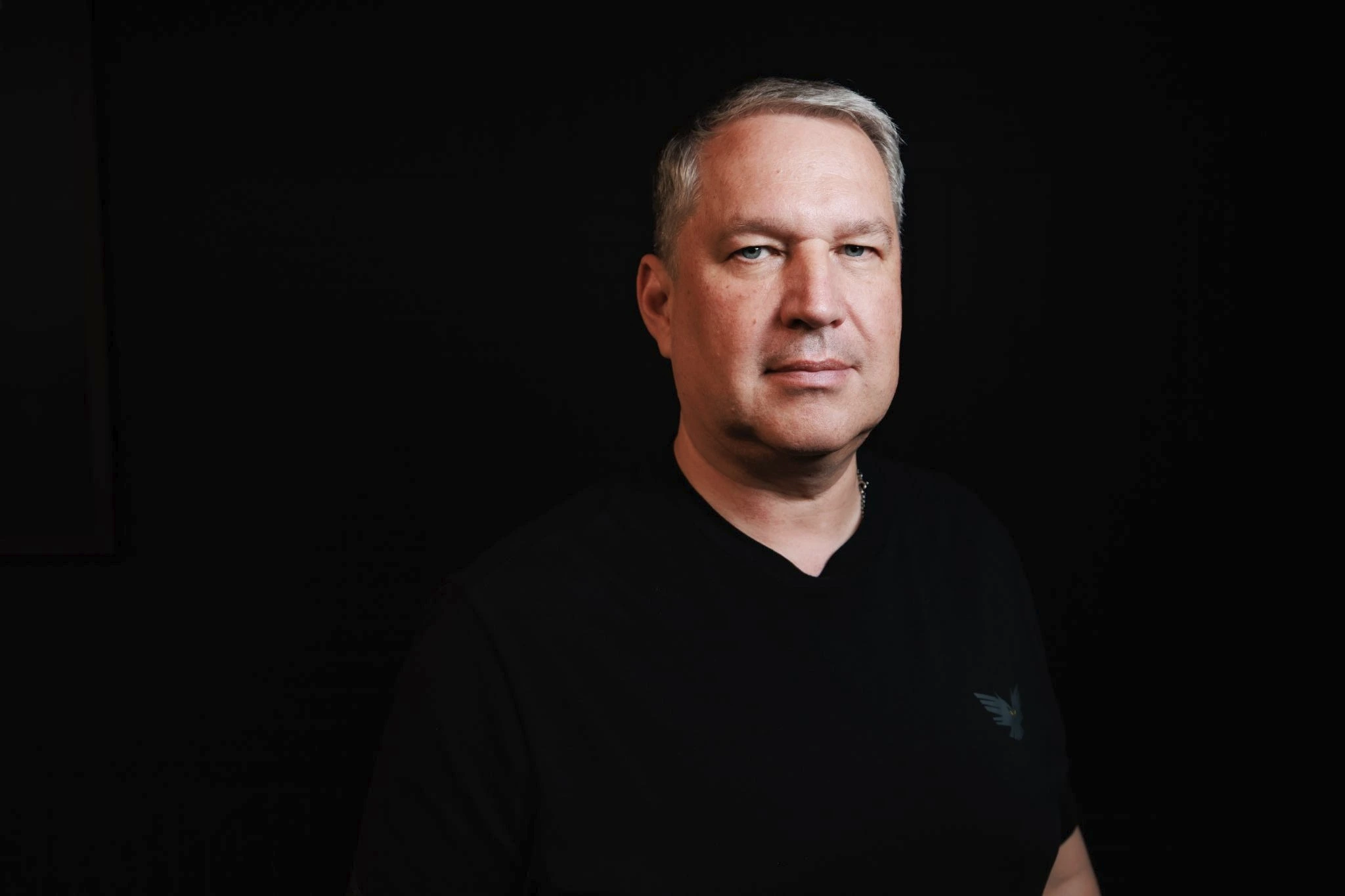
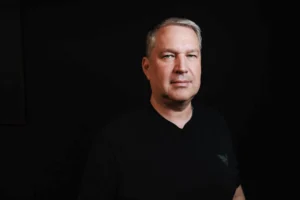
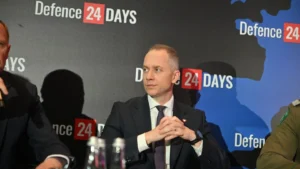
Former Defence Minister Mykhailo Fedorov and Lasar’s Group founder Pavlo Yelizarov have set up a defence tech company, Mission Defense Partners. Yelizarov outlined its plans in an interview with DOU.
The company is built on a production facility that has been making drones for Lasar’s Group since 2022. Its current priorities include developing low-cost anti-Shahed missiles, terminal guidance systems and artificial intelligence technology.
The company has three co-owners. Yelizarov holds around a third of the business. The third partner has not been named.
The partners decided to set up the company after Fedorov was dismissed as defence minister. Yelizarov stepped down as deputy commander of the Air Force at the same time.
According to Yelizarov, low-cost missiles designed to destroy Russian Shaheds must work in a range of weather conditions, including rain, fog and strong wind. He also pointed to the need for a short-range missile with a radar seeker capable of hitting targets at a distance of 15 km.
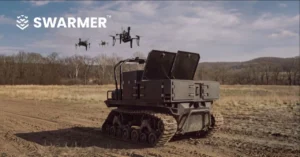
Mission Defense Partners will work on terminal guidance technology for drones, air defence systems and drone upgrades. The main focus will be on software and artificial intelligence.
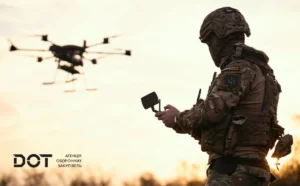
The new developments are expected to be used by Lasar’s Group, among others. The unit’s personnel operate drones at the front and can identify which technologies they lack.
Investing in Ukrainian defence startups will be a separate line of work for Mission Defense Partners. Yelizarov said the company is in talks with international partners in Italy and the United States, including representatives of Palantir. No agreements had been signed at the time of the interview.
According to Yelizarov, the facility currently employs up to 1,000 people and is running at around 30% of capacity. He believes the remaining capacity could be used to produce for export, and supports simplifying export procedures for certain EU and NATO countries.



By submitting this form, you give Defender Media consent to the processing of personal data.
Надсилаючи цю форму, ви надаєте Defender Media згоду на обробку персональних даних.