



Shift-left in practice: How the digital twin is transforming A&D design
More about the topic will be shared during the free webinar ” Digitalization for defense contractors. Where to start?”
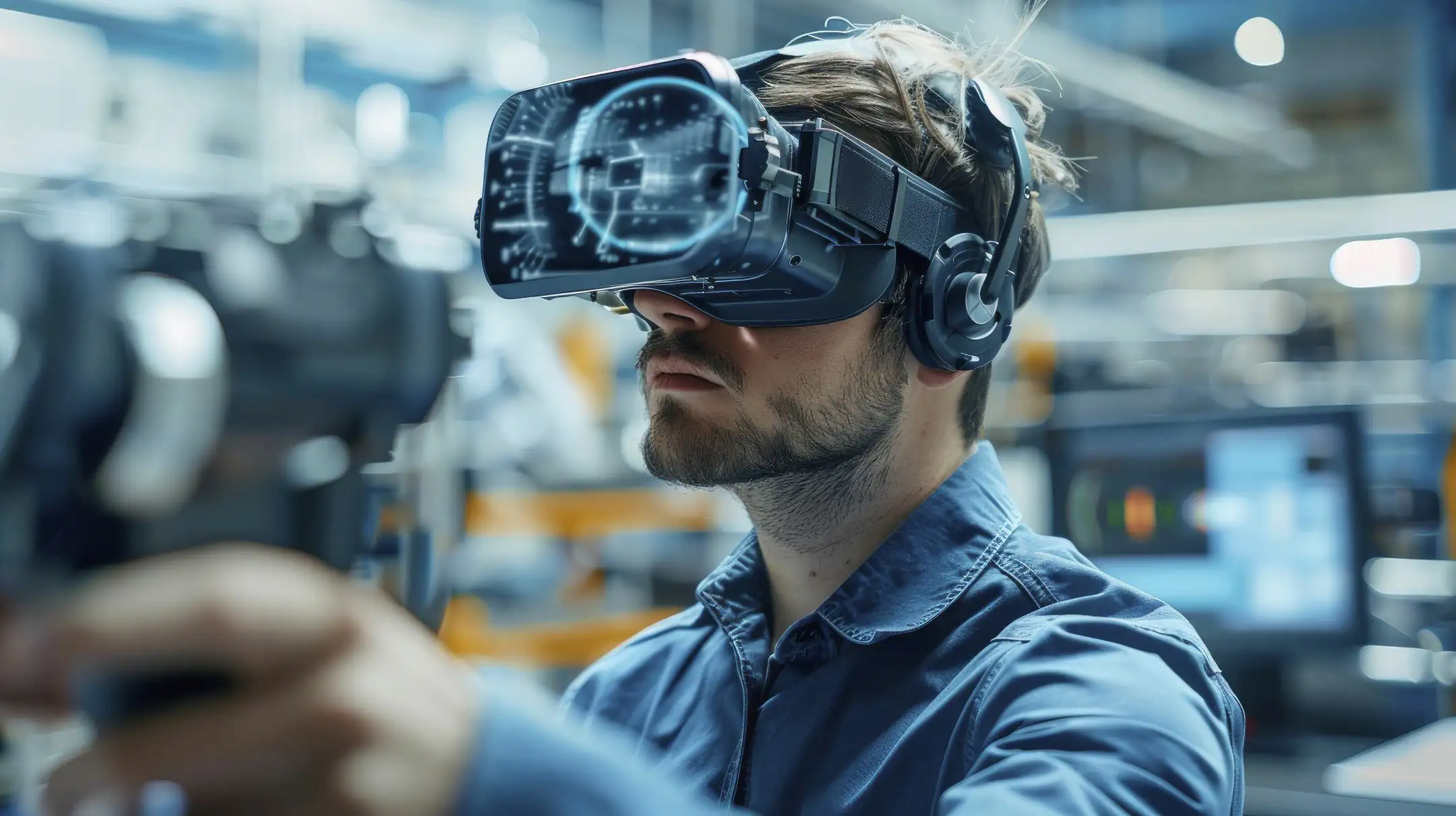
In today’s Aerospace & Defence (A&D) programs, digital transformation helps teams handle unprecedented complexity, enabling faster, more accurate design and higher-quality outcomes.
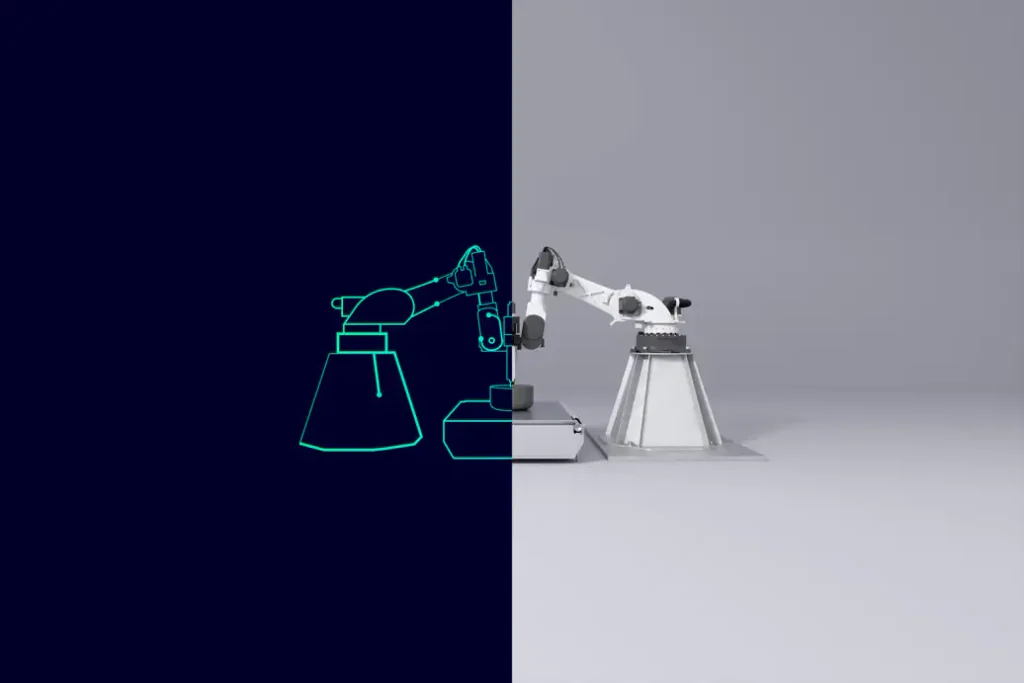
One of the key elements of digital transformation is the concept of the digital twin – a virtual representation of a real-world object or system. This is no longer just a vision of the future. Today, it forms the foundation of modern engineering team workflows, supporting the entire product lifecycle: from requirements and design, through testing, certification, service, and upgrades.
Do you want to dive deeper into digital transformation in A&D? Join a free webinar led by a Siemens Digital Industries Software expert: “Digitalization for defense contractors. Where to start?” on Friday, November 6, 10:00 AM CET. The webinar will be held in Ukrainian.
This article explores how the digital twin and Model-Based Systems Engineering (MBSE) benefit the design process.
Single source of truth for all teams
The digital twin acts as a single source of truth for all project participants. This is essential in multidisciplinary programs.
In A&D, mechanical, electrical, electronic, and software teams often work in separate tools and at different paces. This can cause communication gaps, slow decision-making, and errors that result in costly delays. A digital twin provides a shared environment where everyone sees the same data, the same model versions, and the same simulation results. This reduces errors caused by inconsistent file versions.
Simulations instead of costly prototypes
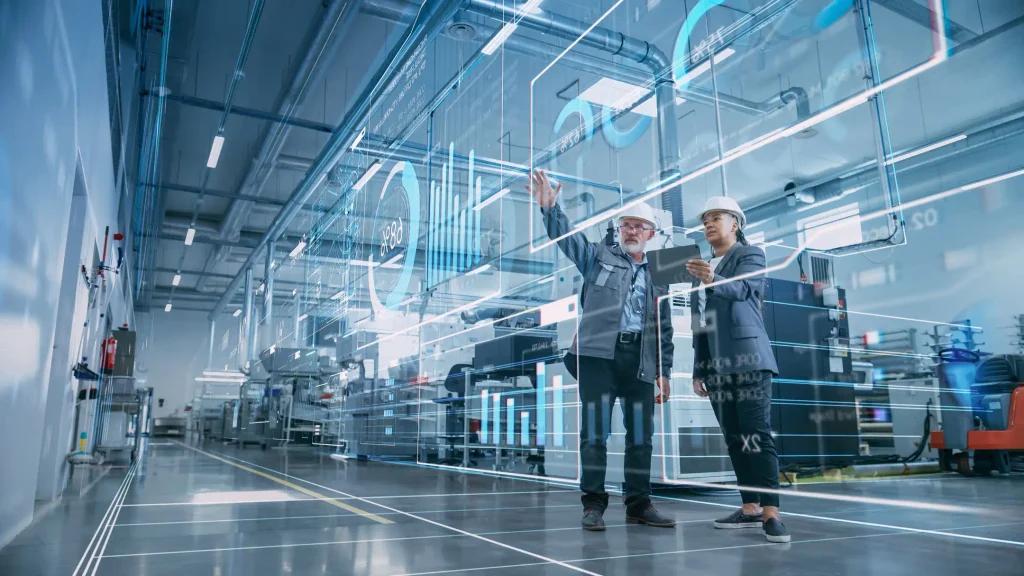
The traditional approach “build first, test later” has become inefficient and too costly in modern engineering. The key to success is the shift-left strategy, which moves verification and validation to the earliest stages of the product lifecycle. By running simulations and tests in a virtual environment, errors and design risks can be detected much earlier, before a physical prototype is built. This approach accelerates production and significantly lowers costs.
However, a 3D model alone is no longer sufficient for this level of simulations. “3D model gives you geometry, but it doesn’t tell you how the system will behave under real operational conditions. Designers need a dynamic environment that connects design data, system requirements, simulation results, and operational data” – points out Sergii Bielienko, Digital Transformation Advisor at Siemens Digital Industries Software.
The answer to this, and the foundation of the shift-left strategy, is Model-Based Systems Engineering (MBSE). With MBSE, everything – from requirements to testing – is linked within a single, consistent model. This ensures that everyone involved, from the designer to the production manager, works with the same, up-to-date version of the project data.
The shift-left approach also helps manufacturers meet strict technical and certification standards by enabling thousands of simulations and tests in a virtual environment before a physical prototype is created.
Real-world results
General Atomics Aeronautical Systems (GA-ASI) provides a strong example of the shift-left strategy in practice. The designer and manufacturer of unmanned aerial vehicles and radar systems aimed to accelerate the design process using MBSE. The goal was to eliminate time-consuming manual tasks, particularly those related to composite wing structures.
GA-ASI selected Siemens Digital Industries Software as a partner for digital transformation. The company implemented a set of tools, including NX (a CAD/CAE system for 3D design and modeling), Simcenter 3D (a tool for simulation and engineering analysis), and the Fibersim portfolio (software for designing and preparing composite parts for production). The impact was immediate: GA-ASI reduced the time required to create detailed design documentation and production-ready technical data for composite wing structures by 25%.
Data as the foundation of modern engineering
In a world where precision and time determine competitive advantage, digitalization has become indispensable for engineers. The digital twin enables the design and optimization of products and systems, regardless of their complexity, accelerating decision-making and production processes. With continuous access to consistent and up-to-date data, teams can deliver solutions faster, more cost-effectively, and without compromising safety or quality.
Learn more about digital transformation by joining the free webinar, “Digitalization for defense contractors. Where to start?”, led by Sergii Bielienko from Siemens Digital Industries Software on Friday, November 6. The webinar will be held in Ukrainian.
This material was provided by a partner and published as paid advertising
Reading now
1

380+ vacancies in Ukrainian defence tech from Fire Point, DevDroid, UFORCE and others
2
Ukrainian-Japanese FPV KT-2 drones appear on Brave1 Market: key details and specs
3

Why A&D manufacturers need a coherent digital strategy now
4

Sine Engineering announces launch of R&D centre in Finland and partnership with Insta
5

Why Danes, Swedes and Norwegians invest in Ukrainian defence tech: Gardar, Final Frontier and Varangians explain
By submitting this form, you give Defender Media consent to the processing of personal data.
Надсилаючи цю форму, ви надаєте Defender Media згоду на обробку персональних даних.

Latest news
1

Shift-left in practice: How the digital twin is transforming A&D design
2
SkyForce unveils new fibre-optic drones on Brave1 Market
3
Red Cat’s drones to get communications and navigation from Sine Engineering
4

Norway allocates over $100 million for investments in the Ukrainian defence industry
5
NUMO Robotics unveils LOKO wheeled UGV
October 29, 2026
Why A&D manufacturers need a coherent digital strategy now

October 28, 2026