October 28, 2026
What does it take to succeed at digital transformation in the A&D industry?
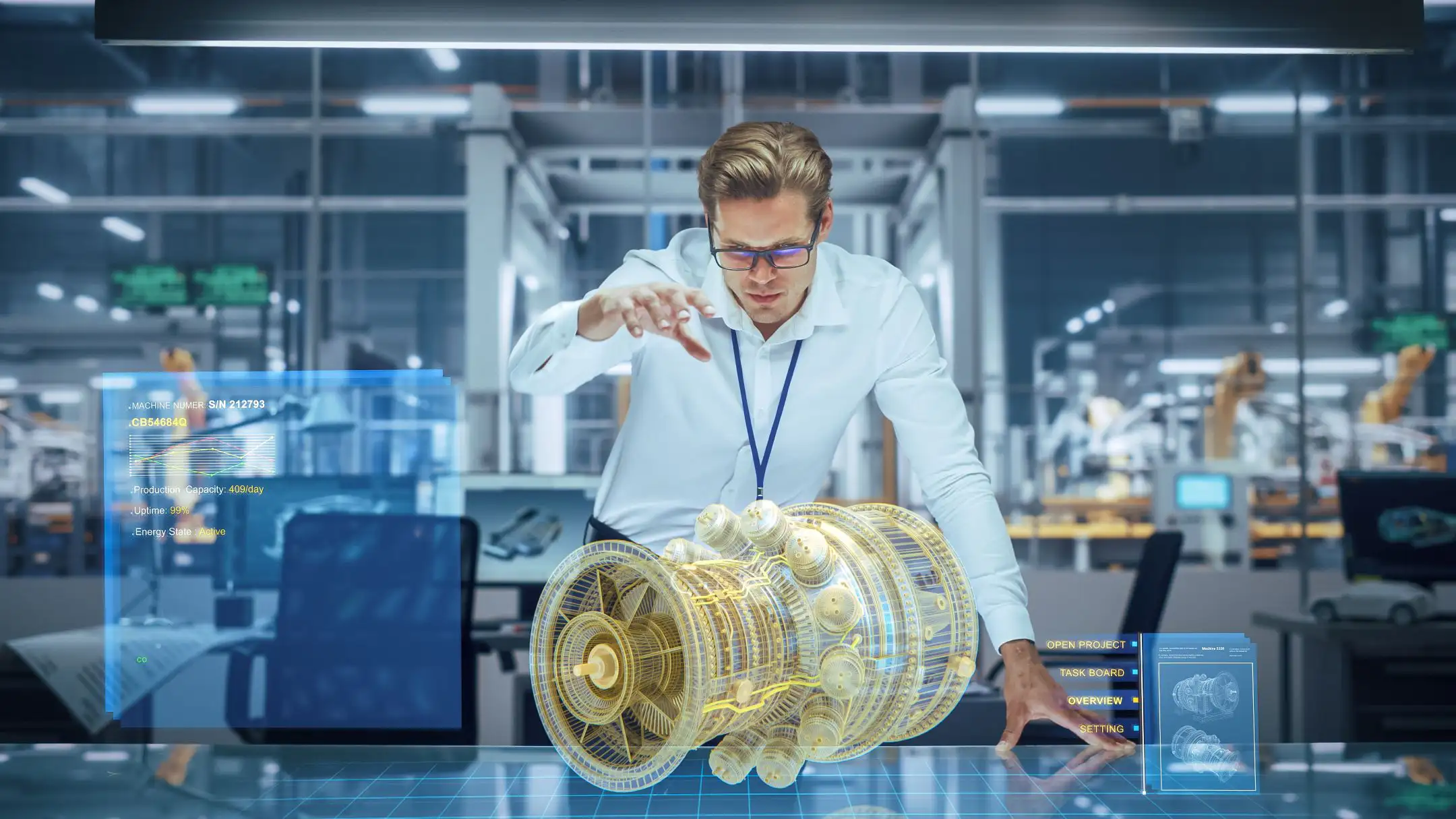
This article explores the key ingredients for making it happen.
More about the topic will be shared during the free webinar ” Digitalization for defense contractors. Where to start?” led by Siemens Digital Industries Software expert Sergii Bielienko on November 6, 2026 at 10:00 AM CET. The webinar will be held in Ukrainian.
Data has become a critical element of modern defense operations, enabling seamless integration of diverse systems across all operational domains. For Aerospace & Defense (A&D) manufacturers, data functions as the nervous system that enables agile operations in a complex and volatile industry environment.
Through digital transformation, organizations can connect all data into a coherent information flow – a digital thread – that breaks down silos, supports collaboration, and accelerates time to market.
Digital transformation is helping Europe’s defense industry respond to current challenges, such as growing demand for modern equipment, and enabling companies to better manage the increasing complexity of modern defense systems.
Decision-makers emphasize that industrial facilities must scale up production capacity while continuing to drive product innovation. In this context, digital transformation has become the backbone of the industry’s ability to adapt to change, embedding operational experience directly into both the design process and the factory floor improvement cycles.
So how should a defense company approach digital transformation in its facilities?

“Digital transformation is more than implementing technology. It requires a coherent strategy linking data, processes, and people across the organization” – says Sergii Bielienko, Digital Transformation Advisor at Siemens Digital Industries Software. His work with A&D companies focuses on maximizing the return on investment (ROI) from digitalization projects.
As Sergii Bielienko stresses, many companies are actively pursuing digital initiatives. However, a common issue is treating digitalization as a one-off purchase of tools intended to solve urgent operational problems, rather than as a broader organizational transformation.
Maximizing the benefits of such investments requires time to understand new tools and adapt processes. Digital transformation is a marathon that demands investment, commitment, and patience. Recognizing this from the outset is essential.
Like any long-term effort, success requires a clear plan and phased execution: identify which tools will drive process transformation, launch a pilot project, then optimize and scale.
Moreover, the human factor should be incorporated into the transformation roadmap from the outset. Building a digital culture that promotes development and supports employees in adopting new tools is as important as the technology itself.
The most productive starting point is addressing the internal challenges common to many A&D market participants. Among the most significant are:
In the A&D sector, data resilience must be treated as a critical operational capability. An integrated protection strategy reduces the risk of production disruption and protects sensitive intellectual property.
The approach that is gaining traction in the industry is the zero-trust model, where every user, device, and connection must be continuously verified across both IT and operational technology (OT) environments – an approach supported by Siemens with experience in industrial and defense systems.
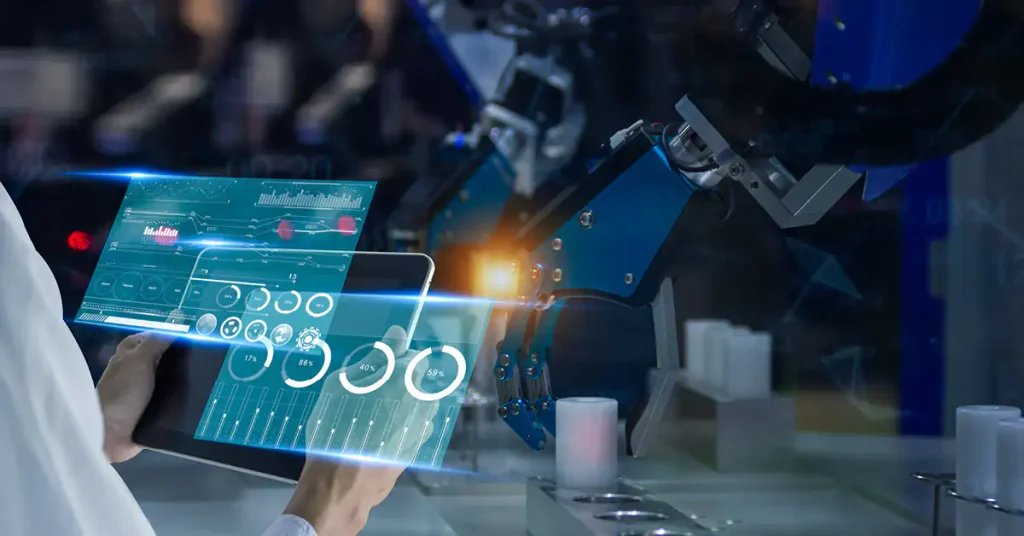
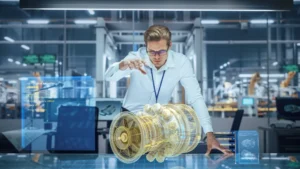
At Siemens, we believe its technological foundation lies in creating a comprehensive digital twin – a virtual counterpart of a real-world object or process that can be tested, analyzed, and optimized in the digital realm before changes are implemented.
This approach is already delivering results in practice. Northrop Grumman used the Siemens Xcelerator platform to build a closed loop between analytical models and physical testing. In programs where no repair is possible after launch, the digital twin enables more accurate simulations of equipment behavior under extreme operational conditions.
For A&D manufacturers, digital transformation delivers a tangible competitive advantage: earlier detection of design and process issues, shorter development cycles, and greater confidence in meeting contractual requirements.
However, executing digital initiatives effectively requires a proven technology partner, such as Siemens, capable of turning transformation plans into scalable solutions.
In the coming years, the use of digital tools will define the boundary between manufacturers that merely keep pace with change and those that stay ahead of it.
Want to learn more? Join our free webinar: “Digitalization for defense contractors. Where to start?” for a deeper look at the digital evolution of the A&D sector with experts from Siemens Digital Industries Software. November 6, 10:00 AM CET. The webinar will be held in Ukrainian.
This material was provided by a partner and published as paid advertising

By submitting this form, you give Defender Media consent to the processing of personal data.
Надсилаючи цю форму, ви надаєте Defender Media згоду на обробку персональних даних.