Dorozvidka #82: the Starshield furore and deferrals for defence industry staff, plus Lasar’s Group on operations Ashan and Art-Ashan
Interesting publications, key statements and new details from the world of Ukrainian defence technology
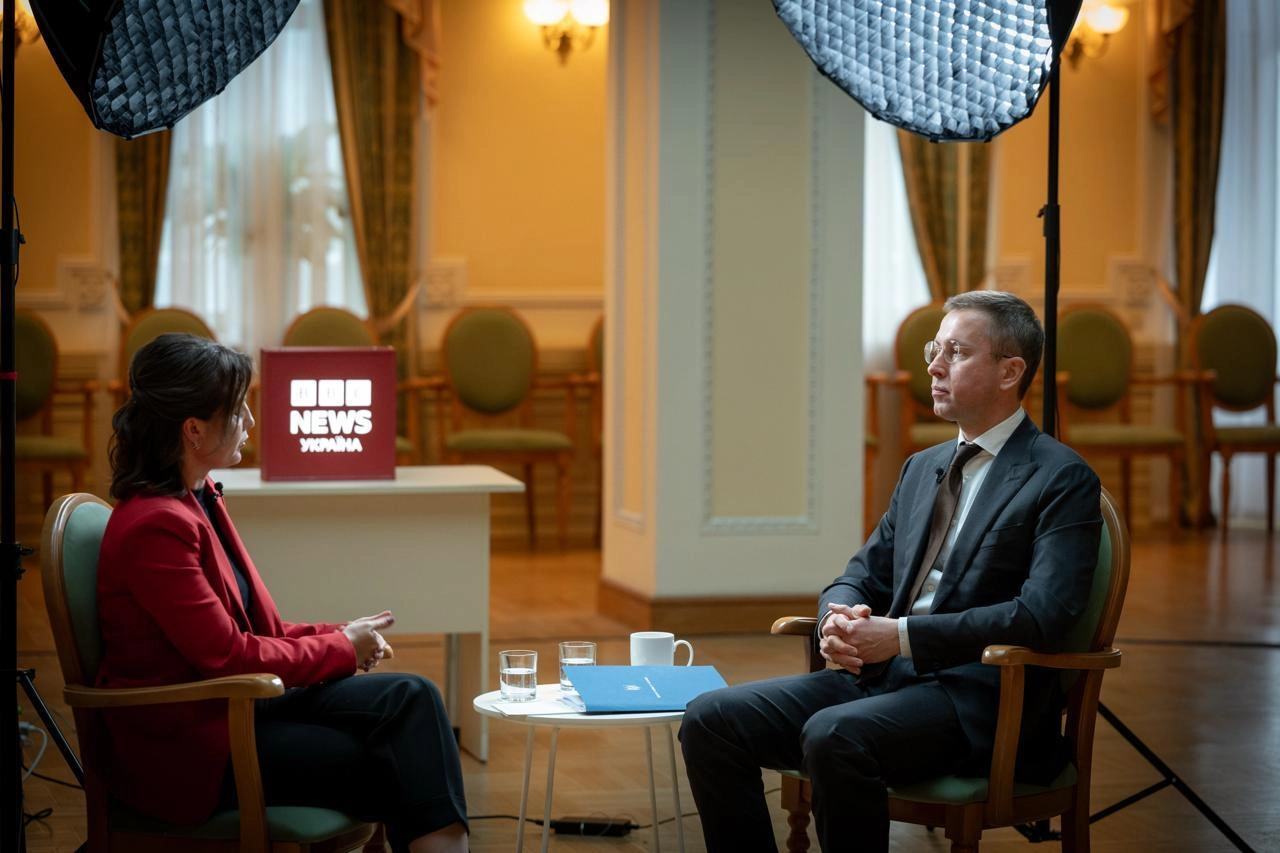
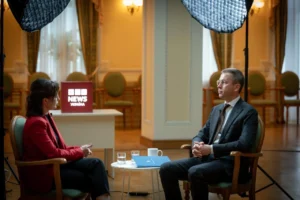
Serhii Koretskyi. Photo from an interview with BBC Ukraine
In this Dorozvidka:
- What is happening with Starshield in Ukraine and whether there is an alternative
- Lasar’s Group on operations Ashan and Art-Ashan
- Defence industry staff deferrals: what happened over the week
What is happening with Starshield in Ukraine and whether there is an alternative
On the night of 13-14 October, Ukraine faced restrictions on Starshield, SpaceX’s military satellite communications system. Terminals installed on drones stopped working at speeds above 160 km/h. The maximum speed later dropped to 60-70 km/h, volunteer Serhii Sternenko reported.
The exact reason for the restrictions is still unknown. Reuters says the order came from the White House, while The Telegraph reports that Elon Musk initiated it and proposed the decision to Trump.
The speed limit has affected the work of interceptor drones that hunt Russian jet-powered targets. Against this backdrop, discussions about an alternative to Starlink and Starshield have intensified in Ukraine and Europe. The EU is negotiating Ukraine’s accession to Govsatcom, a European secure satellite communications programme that has been operating since early 2026.
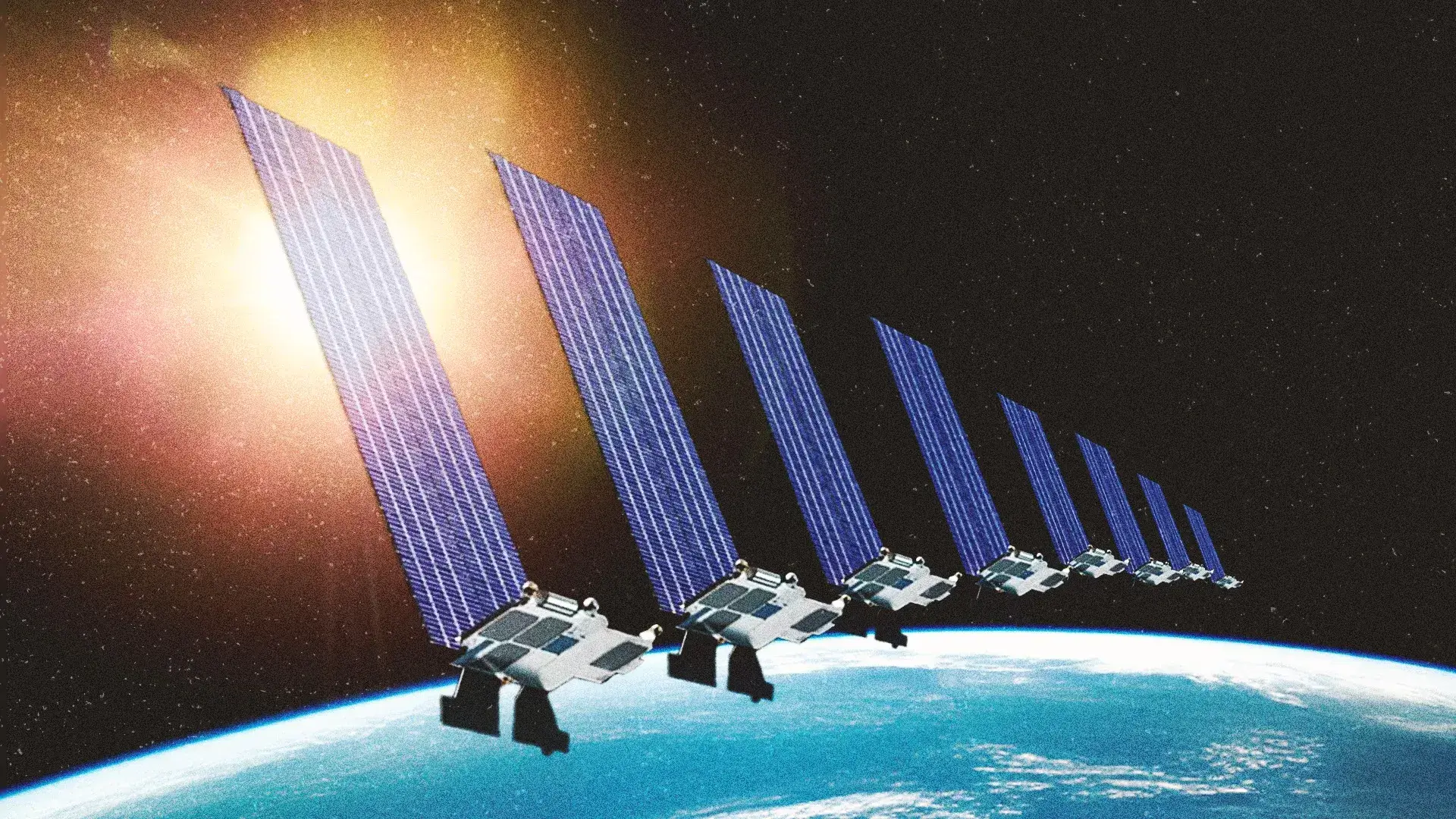
In parallel, Ukraine is thinking about creating its own network. Ukrainian company Stetman previously announced plans to launch its own constellation of 360 satellites. However, there is no information on the project’s current stage.
Seeking to resolve the Starshield restrictions, President Zelensky held talks with US Secretary of State Marco Rubio. “It was substantive,” the Ukrainian leader wrote. He also said that in various sectors of the front the equipment stops working at speeds of 130-161 kilometres per hour. Meanwhile, Starshield testing within the EU has shown no speed-related issues.
Meanwhile, Republican and former FBI agent Brian Fitzpatrick called in a CNN comment for an investigation into the Starshield restrictions on Ukraine.
“If the order was really given by Musk, it is probably a violation of the law. Because he has the authority to make decisions about Starlink, a civilian commercial service, but not about Starshield, a military national security asset,” he said. Fitzpatrick is ready to summon everyone involved, including Musk, to Congress to testify under oath.
Lasar’s Group on operations Ashan and Art-Ashan
UNITED24 journalists visited the National Guard unit Lasar’s Group in Donetsk Oblast. They spoke with crews who took part in operations Ashan and Art-Ashan.
During operation Ashan, Lasar’s Group fighters hit 949 targets from 50+ km away. During Art-Ashan, they hit 231 howitzers, destroying 171.
The reporters also filmed Lasar’s Group’s bomber drone crews at work. The report shows mission preparation, the choice of munitions, the equipping of the drones and vivid footage of equipment being destroyed.
Defence industry deferrals: what happened over the week
Last week it emerged that the Cabinet is changing the rules on deferring employees from mobilisation for businesses and utility companies. The changes included cutting the quota of deferred employees at critical defence industry companies from 100% to 85%.
Over the week, the story of the changes to the deferral rules spread rapidly through power corridors, the media, and social media.
On 15 October, MP Yaroslav Zhelezniak registered a draft parliamentary resolution proposing to overturn the Cabinet’s decision. According to its initiator, 63 MPs have signed the document.
A number of industry associations, companies and businesspeople also spoke out against the quota cut during the week.
In particular, Yaroslav Azhniuk, co-founder of The Fourth Law and Odd Systems, said the new deferral approach would hit first and foremost those growing fast and whose products are in demand at the front. “There is no spare 15% in the production and R&D chain of such companies,” the entrepreneur argues.
Ukrspecsystems takes a similar position. “The new rule will force manufacturers to choose which key specialists to lose, and in fast-growing companies deferrals will stop keeping pace with actual headcount,” the company said in a statement. “For production, the consequences will be immediate, in the form of delays to defence orders and an outflow of candidates who will avoid working in the defence industry because of unpredictable rules.”
The company General Cherry also came out in favour of keeping 100% deferrals for defence industry enterprises. “Cutting the share of deferred employees will critically hit planning, the pace of scaling and contract fulfilment. Deliveries of our products to the front will become slower and less stable,” the company says.
The market’s reaction prompted the government to review its plans. The final version of the resolution has still not been adopted or published, but in a BBC interview on 19 October, Prime Minister Serhii Koretskyi said critical defence industry enterprises have nothing to worry about. “There is something to worry about for those who created a company that produces, say, two drones a year but has deferred hundreds of people as employees,” Koretskyi explained. “We need to minimise these abuses. That is the only issue, and I very much hope we will polish everything this week.”
On the same day, MP Zhelezniak said that “some of the worst things in the resolution have already been removed”.
Reading now
1
260+ vacancies in Ukrainian defence technology at BlueBird Tech, Sine Engineering, Buntar Aerospace and more
2
Forbes: Airlogix plans to raise $100m at a $2bn valuation
3
Japan signs contract with Ukrainian company SkyFall to procure interceptor drones
4
Phantom Defense provided EW systems for UAV tests under Drone Dominance
5

A new Ukrainian fund, WildField Ventures, plans to invest $10-15 million in 20 dual-use startups. What areas is it interested in
By submitting this form, you give Defender Media consent to the processing of personal data.
Надсилаючи цю форму, ви надаєте Defender Media згоду на обробку персональних даних.

Latest news
1
Dorozvidka #82: the Starshield furore and deferrals for defence industry staff, plus Lasar’s Group on operations Ashan and Art-Ashan
2
ComBat Vision battlefield reconnaissance and coordination system to receive artillery training plugin
3
A year after the announcement of Ukrainian arms exports, special mechanism still not operational — Ihor Fedirko
4
Lastivka strike drones on Brave1 Market: what can they do
5