General Staff approves concept for the use of AI in the Armed Forces of Ukraine
In 2026, the Armed Forces of Ukraine will focus on scaling up and further embedding AI technologies
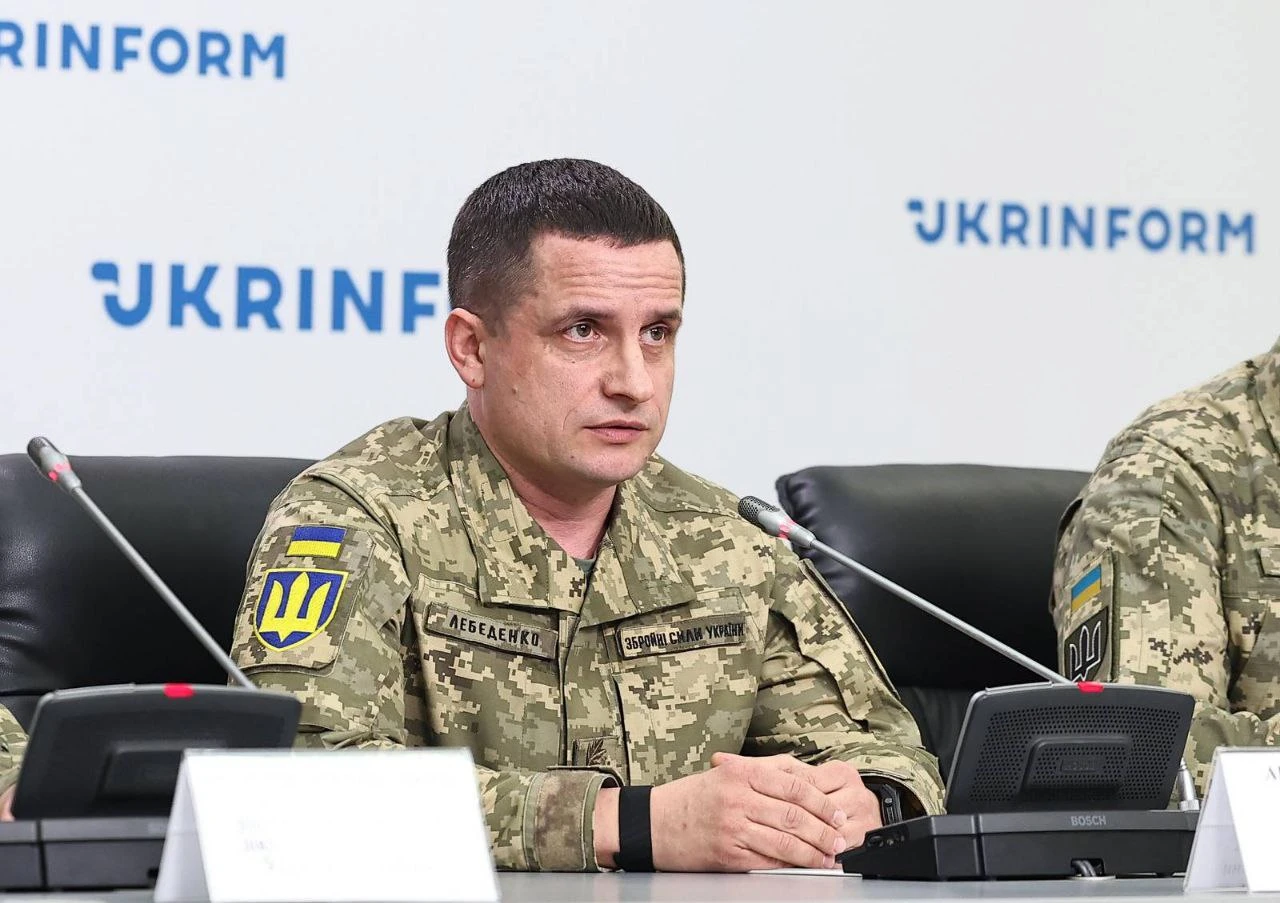
Brigadier General Andrii Lebedenko
The General Staff of the Armed Forces of Ukraine has approved a Concept for the application of artificial intelligence and established dedicated units to evaluate these technologies under combat conditions. This decision is a key milestone in the military’s digital and technological transformation throughout 2025, according to Brigadier General Andrii Lebedenko, Deputy Commander-in-Chief of the Armed Forces of Ukraine.
One of the most promising applications for artificial intelligence is computer vision. Such systems enable the automated analysis of drone-captured imagery, facilitating the rapid identification of targets and objects on the battlefield.
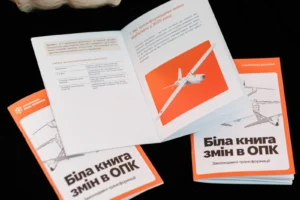
In 2026, the Armed Forces plan to focus on refining the innovation management system, scaling research and development (R&D), deepening the integration of AI technologies, and embedding unmanned systems across all military branches.
Throughout 2025, the Armed Forces reviewed more than 1,000 innovation projects, with over 130 receiving grant support. Unmanned aerial vehicles (UAVs) accounted for the largest share at 28%. Robotic systems comprised 15%, communications and information security solutions 11%, and electronic warfare (EW) and countermeasure systems 8%.
Another primary focus has been the large-scale deployment of unmanned ground vehicles (UGVs). Military units received more than 15,000 ground robotic systems, while over 80 companies and 40 specialised battalions were formed. Furthermore, more than 1,500 specialists were trained across 10 dedicated schools.
The Armed Forces are also prioritising technologies designed to mitigate the physical burden on infantry. Innovations are primarily intended to support frontline troops, including the introduction of mechanical exoskeletons. Currently, soldiers may cover 10–15 kilometres daily while carrying dozens of kilograms of equipment and ammunition.
In 2025, the Armed Forces implemented more than 30 IT projects, including developing a unified system for displaying aerial situational awareness and coordinating electronic warfare and signals intelligence (SIGINT) assets. Alongside the public services Army+ and Impulse, the military is introducing classified digital battlefield management solutions, with artificial intelligence technologies undergoing rigorous testing in specialised units.
Reading now
1

Ukrainian SkyFall’s drone wins at Pentagon’s Drone Dominance selection
2
Black Forest Systems raises $400,000. Here’s what drones the startup is building
3
Sting interceptor by Wild Hornets downs costly Russian Granat-4 reconnaissance drone
4
UForce unveils Bucha middle-strike drone with a 200 km range
5
The F10 drone becomes the second Ukrainian finalist in the Pentagon’s Drone Dominance Program
By submitting this form, you give Defender Media consent to the processing of personal data.
Надсилаючи цю форму, ви надаєте Defender Media згоду на обробку персональних даних.

Latest news
1
DPA to diversify drone and ammunition orders among multiple suppliers
2
‘Ukrainska bavovna’ and Czech company Pavetra Aerospace to produce Shuhay UAV through joint venture
3
59th Assault Brigade downs Russian Ka-52 helicopter with General Cherry OPTIX FPV drone
4
Tencore develops evacuation module for TerMIT UGV
5