Oleksandr Raievskyi from the Unmanned Systems Forces on the Delta and ISTAR systems in the Ukrainian army
Both systems aim to enhance battlefield coordination
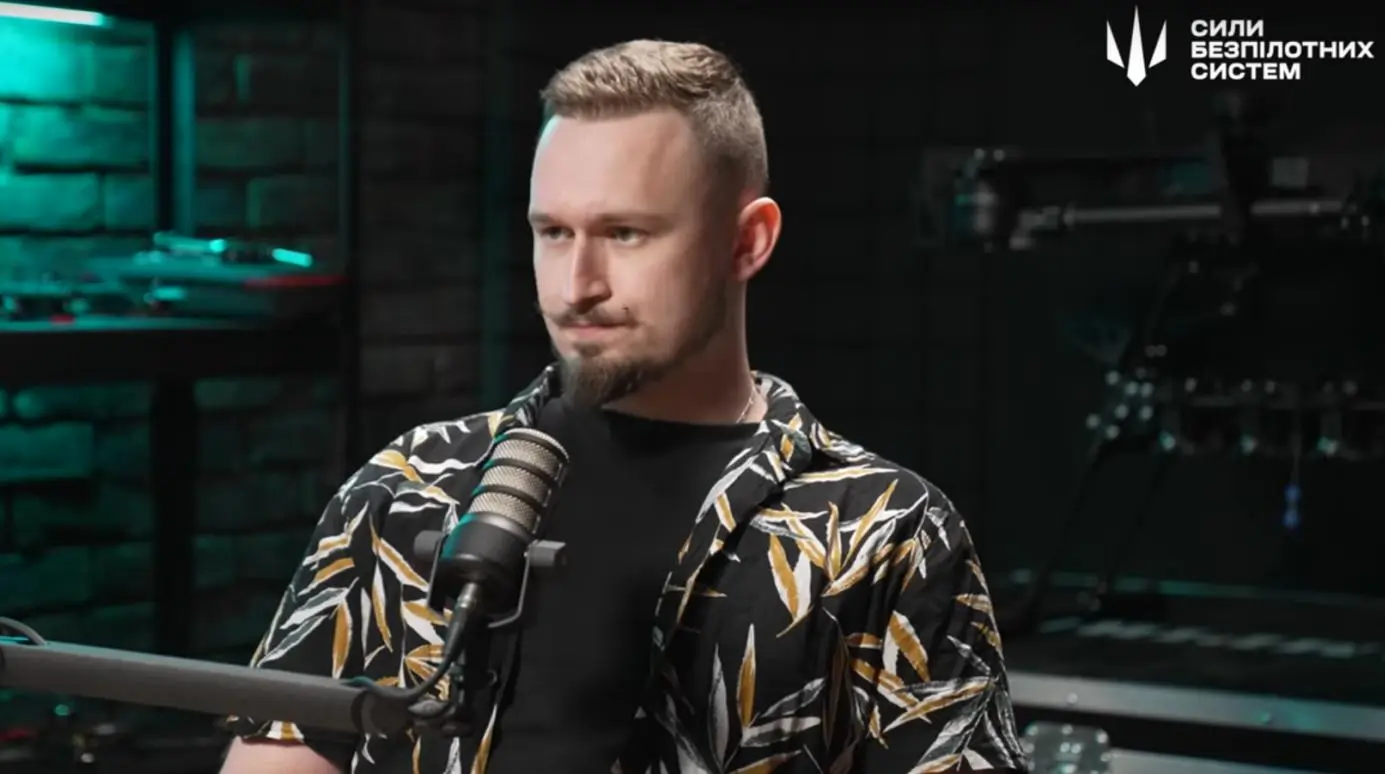
Screenshot
The Unmanned Systems Forces have released a new podcast featuring Oleksandr Raievskyi, Senior Specialist in Intelligence and Operational Processes at the USF Command. He spoke about the role of information systems in modern military intelligence, both in the Ukrainian and Russian armies. According to Raievskyi, a turning point in the field of reconnaissance was the institutionalisation and deployment of advanced information systems based on cloud technologies. These include the Ukrainian situational awareness system Delta, as well as the ISTAR system, used by NATO countries and several brigades within Ukraine’s Defence Forces.
Delta: a military project with volunteer roots
The Delta information system was created prior to the full-scale invasion. It was initiated by volunteers within one of the signal units, with the support of public organisations. Today, it is an official military project that significantly outpaces its Russian counterparts.
The strength of the Ukrainian system lies in the automation of key military and intelligence processes, enabling more effective coordination of units on the battlefield. Delta facilitates the creation of a common information space: data is entered into the system and made accessible only to designated users. This minimises duplication in intelligence work, improves planning, and enhances the use of already collected information.
“Right now, the enemy has a resource advantage but no technological advantage — although in some areas we are inferior. If we take the automation of joint military operations or intelligence processes, then we are more advanced,” notes Raevsky. According to him, in terms of the informatization and automation of intelligence, the Russians are roughly at the level Ukraine was at in 2021 — but they are rapidly closing the gap.
At the same time, Russia is also attempting to develop its own systems, some with civilian support. “They are trying to replicate this experience — definitely. And these are projects that are also supported by the civilian population, even some public organisations. And they are successful,” admits Raevsky.
ISTAR: from concept to integrated system
The ISTAR (Intelligence, Surveillance, Target Acquisition and Reconnaissance) project encompasses the full range of processes for planning and gathering intelligence, as well as its processing and integration for command purposes. The first initiative to implement ISTAR in Ukraine emerged in 2017–2018, but active implementation began only after the onset of the full-scale invasion.

The modern Ukrainian ISTAR system is an automated solution that integrates the intelligence capabilities of various defence force units. It is implemented by the Unmanned Systems Forces of the Armed Forces of Ukraine. The system enables the synchronisation of intelligence assets, avoids duplication of data, and creates a unified battlefield information space. In this area, Western partners “have a lot to learn from Ukraine”, and they are already studying the Ukrainian experience, says Raevsky.
One of the key features of the system is the so-called “synchronisation matrix” — a tool that prevents the simultaneous use of different intelligence assets in the same area, thereby increasing operational efficiency and safety.
The system aggregates information from different levels: tactical units transmit their data, which is then supplemented by satellite imagery, intelligence, and data from partners. This allows for the creation of a comprehensive picture of the battlefield, including in areas where the unit itself lacks direct access to information sources.
Thanks to ISTAR, commanders receive a clear, unambiguous overview of the front-line situation, supporting more precise planning and reducing risks to personnel.
As a reminder, since the beginning of June, the Unmanned Systems Forces have been led by Robert “Madyar” Brovdy. He has announced a 100-day plan for reforming the USF, which includes the transition to a unified recruiting system, the establishment of a dedicated network of training centres for operators, and the re-certification of personnel.
Reading now
1
Ukrainian SkyFall’s drone wins at Pentagon’s Drone Dominance selection
2
Black Forest Systems raises $400,000. Here’s what drones the startup is building
3
Sting interceptor by Wild Hornets downs costly Russian Granat-4 reconnaissance drone
4
UForce unveils Bucha middle-strike drone with a 200 km range
5
The F10 drone becomes the second Ukrainian finalist in the Pentagon’s Drone Dominance Program
By submitting this form, you give Defender Media consent to the processing of personal data.
Надсилаючи цю форму, ви надаєте Defender Media згоду на обробку персональних даних.

Latest news
1
DPA to diversify drone and ammunition orders among multiple suppliers
2
‘Ukrainska bavovna’ and Czech company Pavetra Aerospace to produce Shuhay UAV through joint venture
3
59th Assault Brigade downs Russian Ka-52 helicopter with General Cherry OPTIX FPV drone
4
Tencore develops evacuation module for TerMIT UGV
5