Geopolitics of Ice: How the focus on the Arctic opens new opportunities for defense tech
Network.VC Defense lead analyst Pavlo Odnokoz on Arctic defence tech investors should watch
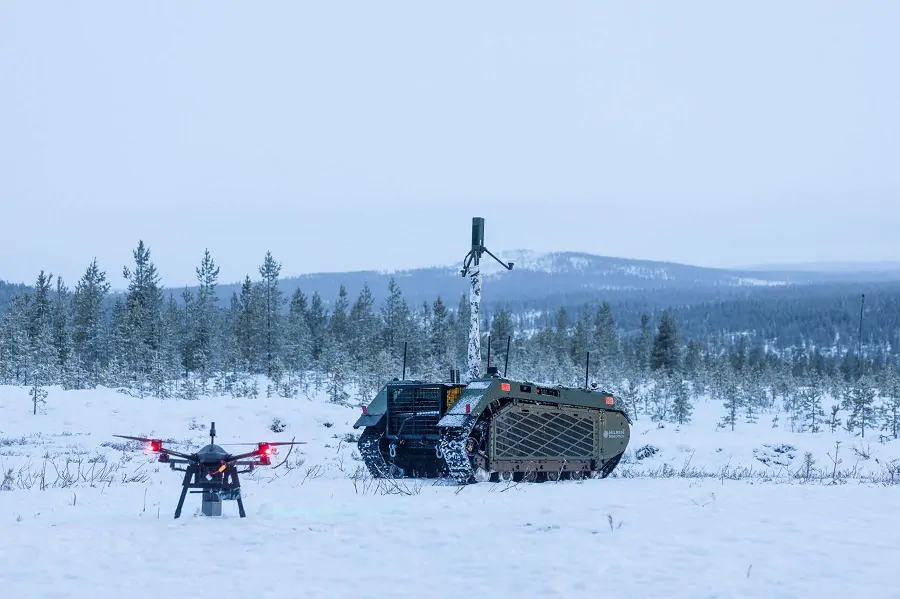
THeMIS UGV at the Arctic Strike 2025 exercise / Photo Credit: Caitlin Qvist
The Arctic is shifting from a peripheral security theatre to a core arena of colliding geopolitical interests, opening a new wave of demand for specialised defense technologies and dual‑use capabilities.
We at Network.VC Defense are closely following the emerging trends and technologies defining the new defense capabilities. This analysis details the geopolitical context and highlights high-demand Arctic defense technologies ripe for investment.
This is the second article in The Defense Tech Investor Playbook, a special project produced by the Defender Media team in partnership with and with the support of Network.VC Defense. In this series, we explore how to start investing in defense startups, who can help, and which investment models exist.
Strategic context: from melting ice to national security

The Arctic is emerging as a region of heightened strategic importance, as Russia and China expand their military and economic footprints there, deepening cooperation that affects NATO’s national security interests. At the same time, climate change is rapidly reshaping the region by opening new sea routes and altering the operational conditions for armed forces. As sea ice retreats, previously inaccessible sea lanes, seabed resources, and undersea infrastructure become exposed, lowering barriers to military presence, grey‑zone operations, and sabotage.
NATO countries are now explicitly treating the Arctic as a defense priority. The main Arctic‑focused NATO stakeholders, including the US, Canada, Norway, Denmark, Finland, Sweden, Iceland and the UK, are all rewriting their Arctic strategies. And this is not just a paper strategy: procurement is already shifting. Multiple NATO countries are already dedicating billions of dollars to procuring various systems, with Denmark alone planning to spend more than $4 billion on these systems.
While orders have already been announced for more traditional enablers, such as icebreakers and specialised maritime patrol aircraft, NATO and national budgets are also beginning to absorb a new generation of autonomous systems and advanced technologies optimised for extreme cold.
Structural constraints: Arctic is hard
There are several structural factors that are currently defining Arctic defense procurement and, with it, the emerging opportunity landscape:
Limited infrastructure. Few airfields, ports, and roads make it hard to move troops or equipment quickly, while thawing permafrost damages bases and runways in unpredictable ways. At the same time, limited satellite coverage and unreliable communications leave forces cut off. Defense systems, therefore, need built-in power sources, extra fuel, and GNSS-alternative navigation to operate independently without steady supplies.
Most available systems are not designed for Arctic conditions. Subzero conditions down to -50°C cause batteries to lose capacity, lubricants to solidify, and metals to become brittle, leading to frequent failures in electronics, engines, and hydraulics, and creating other challenges. NATO, therefore, has few uncrewed platforms certified for sustained cold‑weather operations, creating a premium for equipment and subsystems proven to perform in such environments.
In addition to technological challenges, current military doctrines and strategies trail rapid advances in AI/uncrewed tech, slowing their integration. This premium favors innovators delivering ruggedized, autonomous solutions that accelerate testing-to-deployment cycles.
Technology demand: a multi‑domain Arctic stack
For investors, the message is clear: Arctic defense is no longer a niche. It has evolved into a complex theme encompassing a broad “stack” of technologies across multiple domains – including ISR, autonomy, energy, space, and advanced materials engineered for extreme cold conditions.
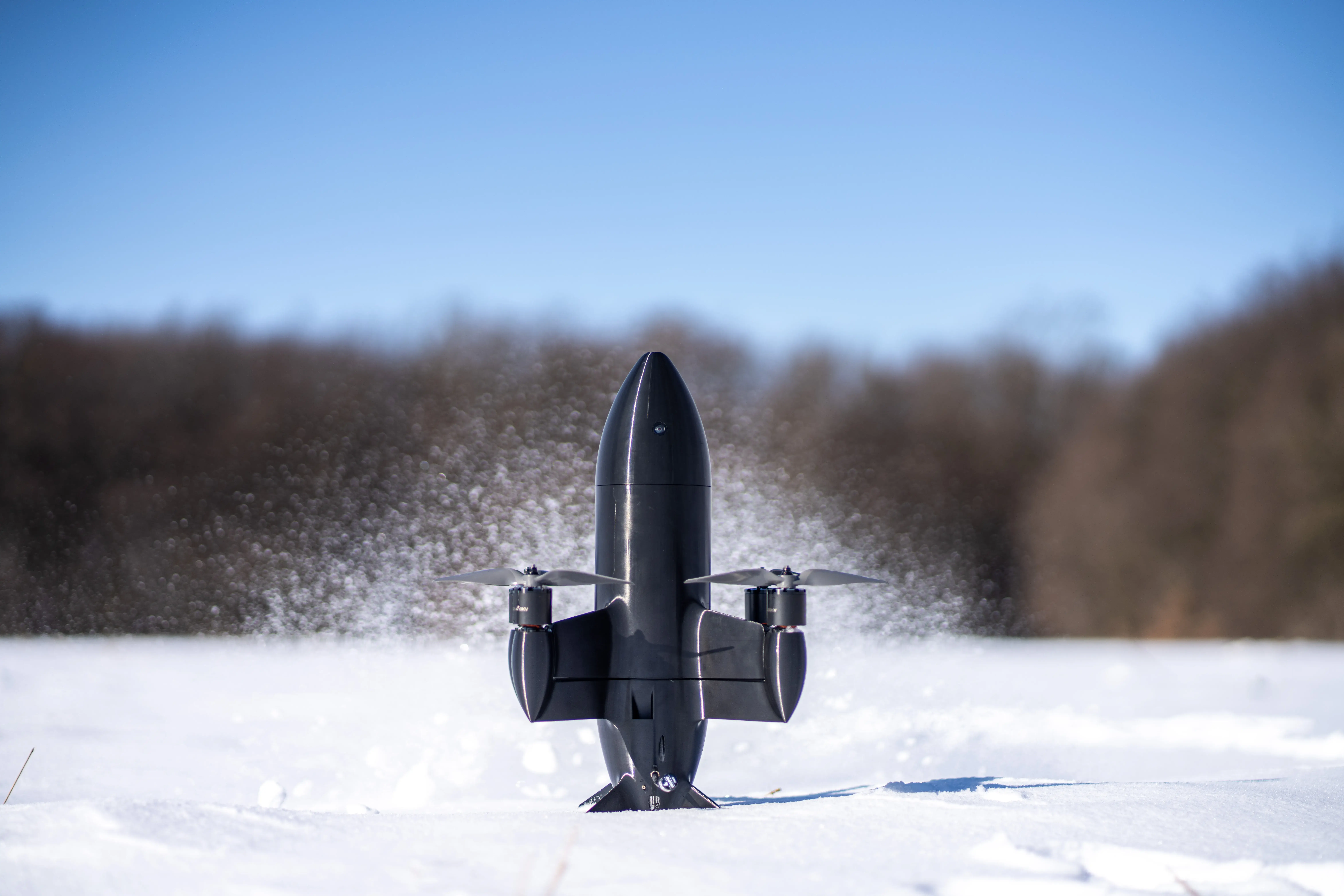
The range of required capabilities is vast. Many countries have already announced plans to expand procurement of traditional defense assets, such as icebreakers, ice-strengthened vessels, and combat or logistics vehicles designed to operate in deep cold and icing environments. Yet newer, more unconventional solutions are also emerging and finding practical use, including various unmanned systems. Even more advanced technologies are under development – for example, specialized peptides that enhance resilience and protection against cold and hypoxia for warfighters, among other cutting-edge bio‑adaptation tools.
Below, I outline several layers of relevant technologies, each already generating identifiable “demand signals” through NATO requirements, defense‑innovation initiatives, targeted challenges, and specific contracts, together forming a roadmap for investor capital allocation.
Uncrewed aerial vehicles (UAVs) are an obvious force multiplier in the Arctic, extending reach and improving domain awareness at a lower cost per flying hour than crewed aircraft. Yet at low subzero temperatures, conventional batteries suffer sharp endurance losses, ice buildup compromises propellers and sensors, and high winds and icing restrict the flight. This creates a gap for specialised engines, airframes, de‑icing solutions and power electronics that preserve performance at extreme temperatures.
Uncrewed ground vehicles (UGVs) face their own constraints (like deep snow, permafrost, and limited mobility for tracked systems), but can play critical roles in defense operations. When integrated with UAVs, a UGV–UAV network can provide a resilient sensing layer, improving detection and early warning for Arctic military formations. As an example, in February 2026, the European Defence Agency completed a 10-day Arctic trial of UGVs in Norway, testing autonomous and remotely operated platforms in snow-covered terrain and under degraded connectivity conditions.
Uncrewed surface and underwater systems (USVs and UUVs). Such platforms are particularly well-suited to the Arctic’s vast maritime spaces, enabling persistent ISR, seabed mapping and monitoring at lower cost and risk than crewed vessels. USVs can act as surface gateways hosting radars, cameras, and passive acoustic receivers, while providing communications relay for weeks or months. The “rush” to develop or acquire various sea platforms, including underwater drones, accelerated in late 2024 through early 2025. Many states are dedicating significant resources to the technology. It is only a matter of time before such systems are deployed in the Arctic.
Autonomy (navigation, swarming). Navigation resilience is particularly acute in the High North, where GNSS signals can be degraded, and visual references are limited by uniform snow, polar night and frequent fog. This is driving demand for multi‑element navigation suites that blend multi‑constellation GNSS and inertial navigation with AI‑enabled visual, radar and even celestial navigation modes.
The war in Ukraine also shows the limitations of highly manual FPV drone operations, which require large numbers of pilots and complex frequency management to scale. It is highly unlikely that armed forces deployed in the Arctic will be able to sustain such manpower‑intensive models at scale, making AI‑enabled swarming and higher‑level autonomy attractive. Investment opportunities span swarming algorithms, onboard edge‑AI compute, resilient datalinks, and human‑machine interfaces optimised for small crews managing large numbers of assets.
Intelligence, surveillance and reconnaissance (ISR) across all domains, including space‑based sensing and polar‑optimised radar and acoustic networks. Space systems are becoming the backbone of Arctic reconnaissance and logistics, yet traditional geostationary satellites falter at high latitudes. Not surprisingly, recent months have seen a surge of partnerships focused on Arctic capabilities. For instance, Canada is teaming with MDA Space and Telesat to develop military satellite communications tailored to the Canadian Armed Forces’ northern needs, while Europe advances its own efforts via ICEYE’s deal to bolster Sweden’s sovereign space capabilities, among others.
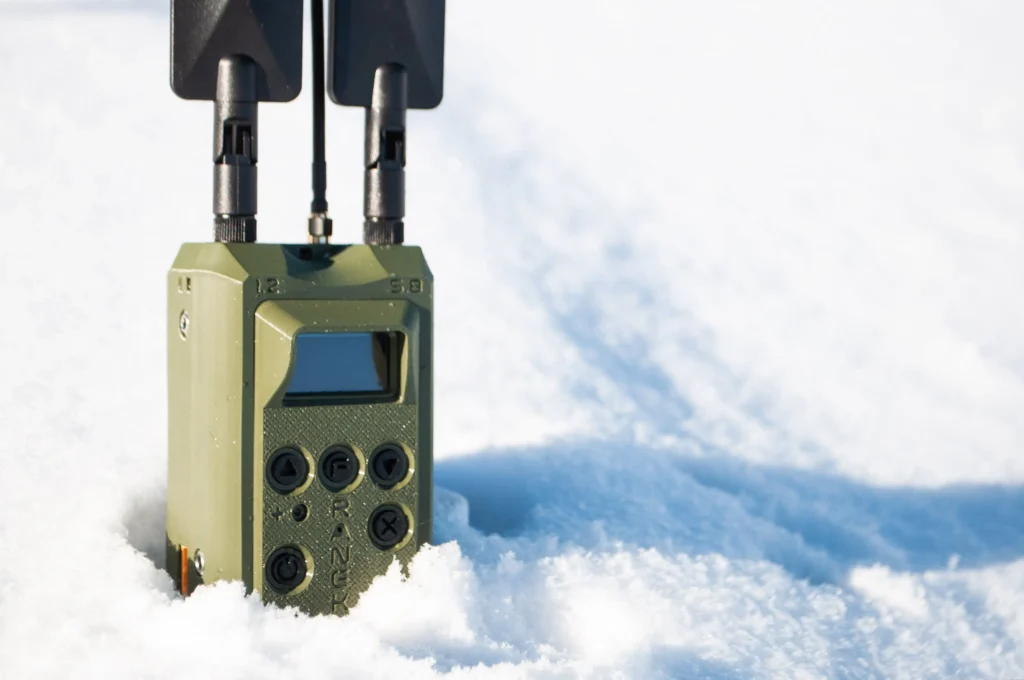
Space capabilities are just one piece of the puzzle. An interesting venture example is Canadian startup Dominion Dynamics, founded in June 2025, which recently closed a $21 million seed round to build a dual-use, persistent Arctic sensing network for both military and civilian applications.
Arctic‑resilient energy solutions, enabling dispersed and autonomous operations at very high latitudes. Energy is a foundational constraint in the Arctic and there is a demand for weather-resistant batteries, energy transfer systems, and compact systems.
As an example, the AGES program from the U.S. Defense Innovation Unit (DIU) seeks micro‑grids composed of batteries and generators packaged in containers that can withstand Arctic conditions. The goal is resilient, scalable, transportable micro‑grids that can power high‑demand systems. The military’s notable interest is in compact nuclear reactors adapted for remote operations. The Janus Program, the US Army’s next-generation nuclear power program, aims to deliver secure, resilient, and reliable energy to support national defense installations and critical missions. On the component side, specialist firms are emerging to address cold‑weather battery performance, such as next‑generation lithium‑ion batteries for Arctic defense operations.
These efforts underscore that Arctic energy is both horizontal (affecting every platform category) and investable as a stand‑alone theme, spanning advanced chemistries and insulation, power management, micro‑grids, and portable generation.
Ukraine’s relevance and the innovation pipeline
Ukraine’s battlefield innovations, particularly in various drone types (aerial, ground, sea and underwater platforms), autonomy and navigation, EW solutions and distributed sensing, are directly relevant to Arctic operations, even if environmental parameters may differ. Many of the enabling technologies can be adapted for cold environments with appropriate hardening and testing. For Nordic and Arctic countries, partnerships with Ukrainian defense manufacturers can accelerate learning cycles and help translate front‑line lessons into Arctic‑ready concepts of operation. Companies that can bridge the gap between experimental systems and certifiable, Arctic‑rated products are likely to find sustained demand.
Outlook
Over the next few years, Arctic‑relevant procurement is likely to accelerate, with intelligence, autonomy and critical‑infrastructure protection projects gaining a larger share of defense and dual‑use budgets. The architecture will be multi‑layered: polar‑optimized assets, autonomous platforms providing persistent sensing and combat capabilities, energy and micro‑grid systems enabling remote bases, and new materials improving the resilience of both hardware and personnel.
Investors face greater risks in integration and adoption than in core technology itself. Arctic testing is costly and demanding, while the complexity of logistics will burden programs not designed for sustainment from day one. Yet for defense and dual-use investors, the High North is rapidly shifting from a strategic afterthought to one of the most dynamic arenas for technology deployment.

Pavlo Odnokoz
Lead Defense Analyst at Network.VC Defense
Reading now
1
Ukrainian Skyeton secures $10.6M US army contract
2
The Pentagon has announced the results of Drone Dominance Gauntlet II – announced Ukrainian companies did not make the top 5
3
Korven Systems project: How Teletactica co-founder is building an autopilot for interceptor drones
4
Ukrainian SkyFall again among winners of US Drone Dominance Program
5

Frontline Robotics CBDO Mykyta Rozhkov: Ukraine and Norway are working on an autonomous system to protect maritime infrastructure
By submitting this form, you give Defender Media consent to the processing of personal data.
Надсилаючи цю форму, ви надаєте Defender Media згоду на обробку персональних даних.

Latest news
1
Sights, radar systems and UAV components now available to the military through Prozorro Market
2
SkyFall officially unveils Thor Hammer mid-strike and announces 1,000+ km version
3
Ukrainian developer of AI tools for detecting information threats Osavul raises $10 million
4

TAF Industries plans joint UAV development with Luxembourg’s LUXUAV
5