October 11, 2026
In the near future the ministry will have a clear understanding of the effectiveness of every drone used by the Defence Forces
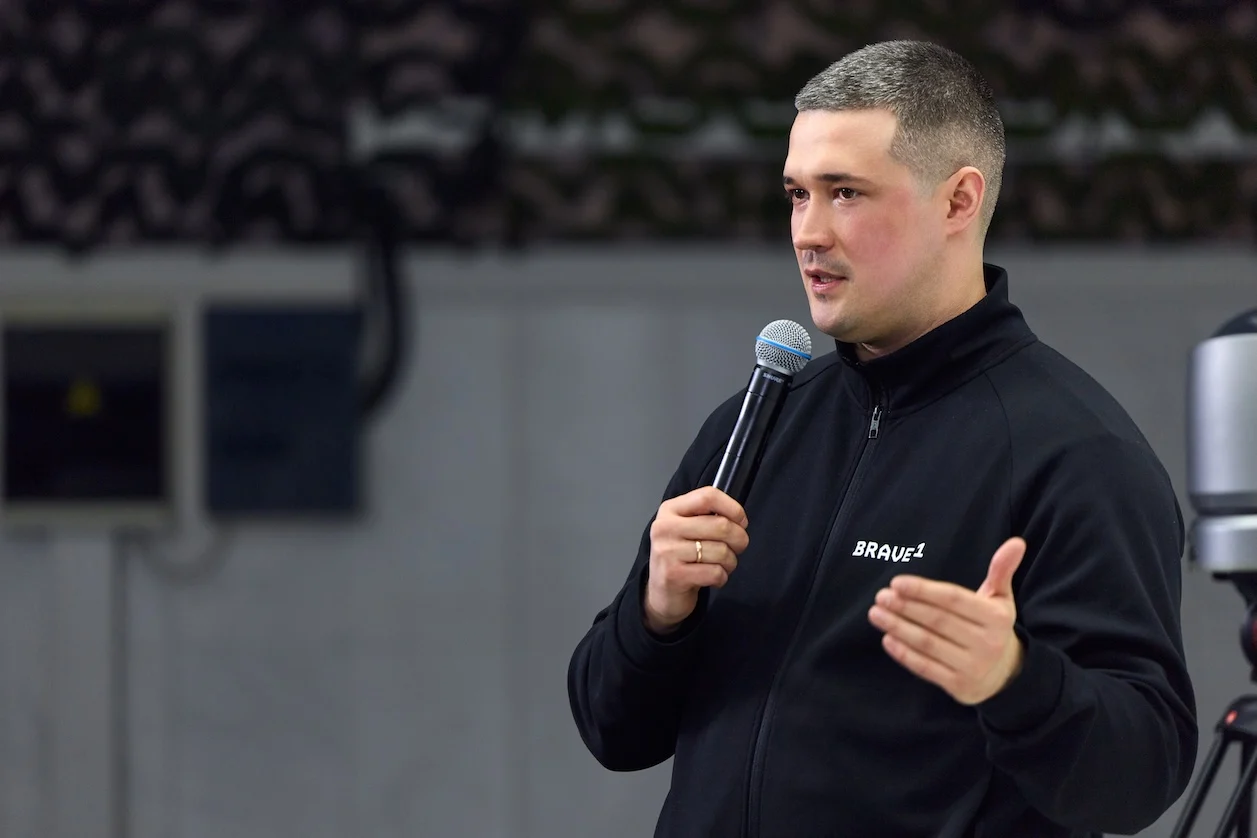
The Ministry of Defence of Ukraine has launched a “synchronisation matrix” to analyse the performance of military units and drones. Mykhailo Fedorov announced this during an off-the-record meeting with journalists earlier this week. According to the minister, in the near future his team will have visibility into the effectiveness of every crew and every drone.
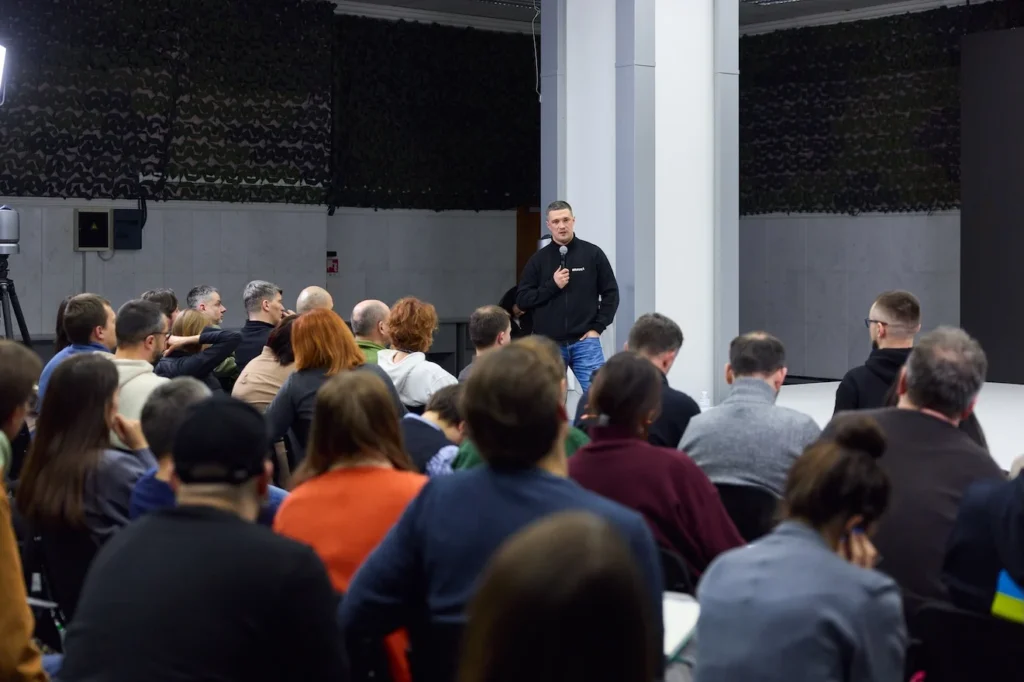
During the meeting, Fedorov also shared other results from his first month in office and outlined further plans. Following the meeting, the minister’s press service released quotes cleared for publication. Defender Media selected those related to defence tech.
Our primary focus during the first month of work was air defence. In response to intensified Russian strikes, our task was to strengthen the air defence system. To achieve this, we implemented an After Action Review system. After every large-scale attack, we convened teams from the Ministry of Defence and the Air Force to analyse the strike: the positioning of interceptors, where Shahed drones were shot down, ballistic trajectories, how short-range air defence performed, and the consequences of each attack. We then made decisions on what needed improvement.
An electronic system has already been deployed that effectively analyses all attacks. The president holds a daily conference call (selector) where the results of air defence performance assessments and energy infrastructure restoration are reviewed.
We have already delivered initial results in procurement. When we arrived, there was a problem: February is traditionally the month when the fewest FPV drones are transferred to the military. We needed to accelerate procurement quickly.
We approached this using a modern, data-based methodology. We analysed the performance of all unmanned aerial systems over recent months and formed first-quarter procurement requirements based on effectiveness data.
This was a key principle: procurement must be data-driven to eliminate subjective influence and reduce corruption risks. We want to buy what actually flies and delivers combat effectiveness. Next, we aim to define real demand based on high-quality data and eliminate the ‘zoo’ of ineffective solutions.
We have launched a ‘synchronization matrix’ to analyze the performance of units and drones. In the near future, we will have visibility into the effectiveness of every crew and every drone.”
At Ramstein, we secured a historic support budget from partners. We changed our approach to working with partners. We began pitching specific projects. At Ramstein, we presented our war plan, followed by the projects and operations that need to be executed. We explained the linkages and what partners would gain as a result. A strong example is that we secured funding for drone assault units, for the baseline equipping of brigades with drones, for drones operating at operational depth, and for additional PAC-3 interceptor missiles for air defence from European partners.
We are developing a vertical of digital officers within the Armed Forces of Ukraine who will serve as innovation drivers. The first digital officer has already been appointed. Each corps and each brigade will have a digital officer responsible for implementing innovation and change.
The process of establishing centres of excellence across all technology domains is underway. It is crucial to create dedicated centres for drones, for Middle Strike, for Deep Strike, for artillery and other areas. The mission of these centres is to continuously analyse the next step in the war and ensure victory in the war of technologies.
We critically lack PAC-3 interceptor missiles for air defence to protect against Russian ballistic missiles. We discussed with the president the creation of joint consortia with partners to accelerate the production of counter-ballistic missiles. Ukraine has significant potential to independently produce counter-ballistic systems and missiles. This requires a dedicated project – the mathematics is complex and requires time. But Ukraine must develop its own capabilities.


By submitting this form, you give Defender Media consent to the processing of personal data.
Надсилаючи цю форму, ви надаєте Defender Media згоду на обробку персональних даних.