October 21, 2026
At the same time, eight joint ventures have already been established, five of which supply products to Ukraine
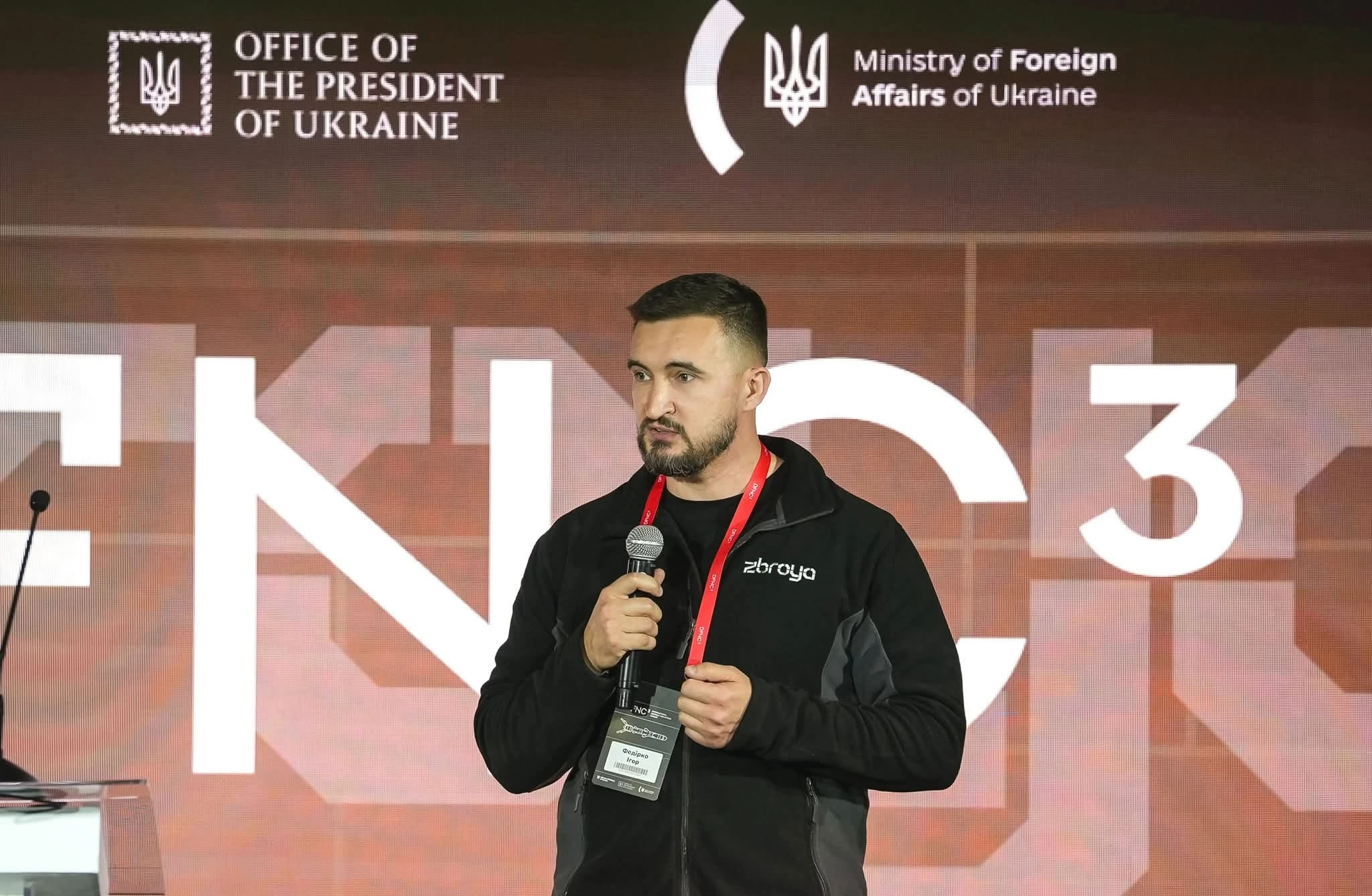
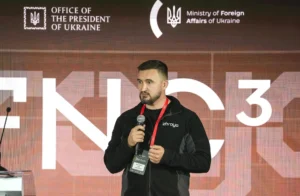
A year after the announcement that controlled Ukrainian arms exports would resume, the special mechanism is still not effectively operational. Ihor Fedirko, CEO of the Ukrainian Armourers Council, wrote, analysing the main decisions and results over this period.
He also called on the state to publish consolidated data on how much additional funding exports have generated for defence and how much weaponry the military has received as a result.
Resolution No. 875 sets a fee of 20% for finished products and technologies and 30% for components. Under this procedure, the minimum contract value for finished products is UAH 15 million.
The Ukrainian Armourers Council proposes significantly reducing the rate, collecting the fee after the contract is fulfilled and the manufacturer receives payment, allowing refunds for uncompleted deals, and simplifying the supply of small test batches.
Bill No. 15400 provides that export fees be transferred to the state budget’s special fund. Half of the proceeds would fund the procurement, modernisation, and repair of weapons and equipment. The other half would go towards financial support for Armed Forces personnel.
Fedirko notes that eight joint ventures have already been established, five of which supply products to Ukraine.
At the same time, he believes that the terms of the Build with Ukraine programme need clarification: manufacturers need to understand who receives applications, what criteria are used to assess them and what support companies can receive.
“The key question on the anniversary is: how much additional resources have exports already brought to defence, and how much additional weaponry has the military received?” concluded the CEO of the Ukrainian Armourers Council.

By submitting this form, you give Defender Media consent to the processing of personal data.
Надсилаючи цю форму, ви надаєте Defender Media згоду на обробку персональних даних.